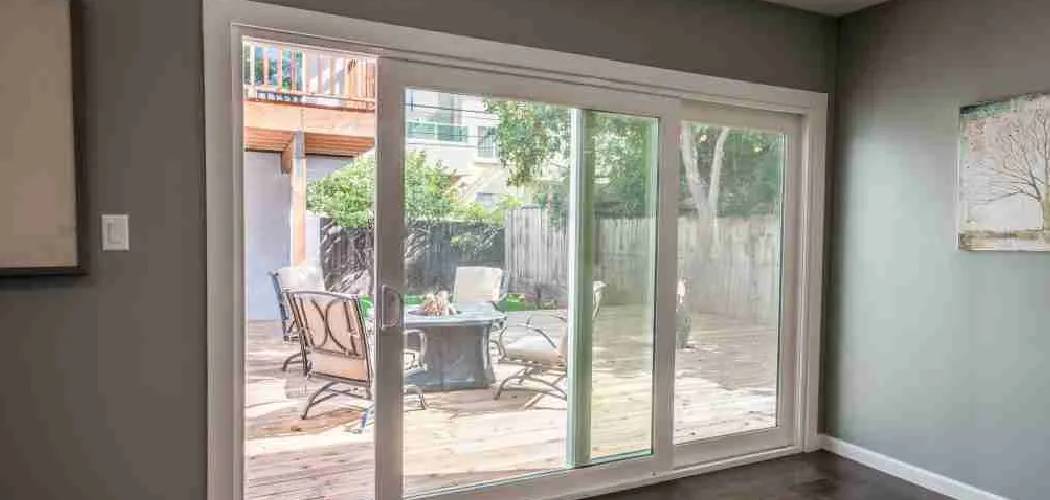
The best way to protect your home is to block the track and reinforce the lock, preventing the panel from moving or being lifted. Many homeowners worry about their patio entries because factory latches are often weak and easily bypassed. Fortunately, learning how to secure a sliding glass door from the inside is a straightforward process that does not require advanced skills or expensive tools.
You can significantly improve your home security by adding a secondary lock, using a physical barrier on the track, and ensuring the glass itself is protected. We will walk you through the most effective methods to reinforce your entryways calmly and safely. This guide will help you understand your options, choose the right materials, and complete the installation step by step to keep your household protected.
Why This Task Matters
Sliding entries are wonderful for letting in natural light, but they often present a weak point in standard home security. The most common reason is that standard latches are designed primarily to keep the weather out, rather than to withstand forced entry. Over time, these basic mechanisms can wear down, become loose, or fail entirely without you noticing.
Taking the time to reinforce this area matters because it gives you control over your personal space and peace of mind at night. A properly locked panel stops intruders from simply sliding the glass open or lifting the entire frame off its tracks. By addressing this vulnerability now, you protect your family, pets, and belongings from unexpected access. Reinforcing your entryway is a practical, inexpensive home improvement project that instantly elevates your overall household safety.
Tools or Materials You May Need
You do not need a complicated workshop to handle this project. You likely already have a few of these items around the house. Gather these basic supplies to make the process smooth and safe:
- A sturdy security bar or a thick wooden dowel cut to the length of your track
- An aftermarket sliding door lock (such as a pin lock or a loop lock)
- A tape measure to ensure accurate sizing
- A basic screwdriver set (Phillips and flathead) for installing hardware
- A damp cloth and a small brush to clean the bottom rails
- Safety glasses to protect your eyes from dust or metal shavings
- An optional window security film kit to reinforce the glass itself
Before You Begin
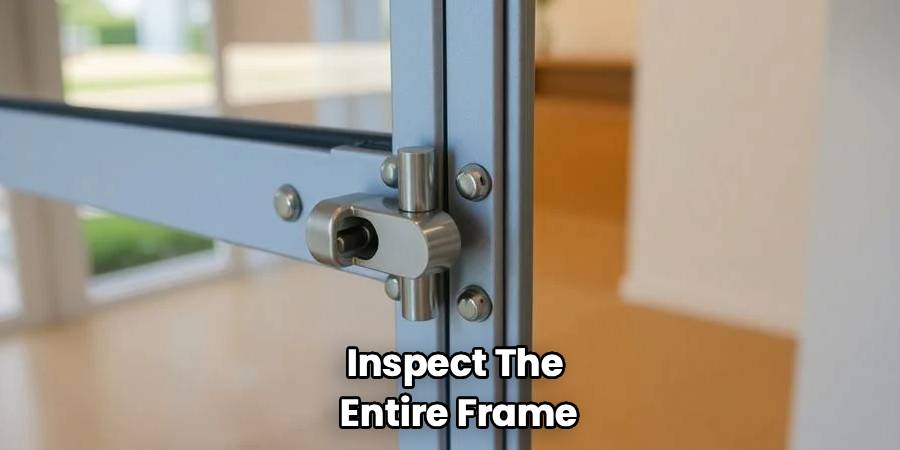
Start with the safest and simplest check. Inspect the entire frame and the glass for any existing damage. Look for cracks in the panes, deep rust on the bottom rails, or bent metal that might stop the panel from moving properly. If the frame is severely damaged, securing it will not be effective.
Before you begin, make sure the bottom channel is completely free of dirt, pet hair, and debris. A dirty rail forces the rollers out of alignment and weakens the primary latch. Use your damp cloth and brush to clean the area thoroughly. For safety, keep your hands clear of the sliding path while testing the movement. If the glass feels unusually heavy or if the frame looks unstable, stop immediately.
Step-by-Step Guide to How to Secure a Sliding Glass Door From the Inside
Step 1 – Clean and Inspect the Track
Start by opening the panel entirely to expose the bottom channel. Over the years, dirt, leaves, and pet hair build up inside this groove. This debris prevents the wheels from sitting properly, which misaligns your factory latch and makes it easier for the frame to be forced open. Use a stiff brush to loosen the dirt, and wipe it away with a damp rag.
Once the area is clean, slowly close the panel and watch how it meets the frame. You want to see a tight, even seal from top to bottom. If you notice a gap at the top or bottom, the internal rollers likely need adjustment. Taking five minutes to clean and inspect this area ensures that any additional locks you install will align perfectly and function exactly as intended.
Step 2 – Test the Factory Latch
With the area clean, close the entryway firmly and engage the factory latch. Gently pull the handle to see if the mechanism holds tightly. Sometimes, the internal hook fails to grab the receiving plate securely. If the handle jiggles or the lock slips out of place easily, the latch itself needs tightening.
Look for the small mounting screws located on the handle or the latch faceplate. Grab your Phillips screwdriver and gently tighten these screws until they are snug. Do not over-tighten them, as this can strip the metal threads or crack the surrounding material. After adjusting the screws, test the lock again. A firm, steady grip means the factory hardware is doing its baseline job, creating a solid foundation before you add any secondary security measures.
Step 3 – Measure the Track for a Security Bar
A physical barrier in the bottom channel is one of the most reliable ways to reinforce your entryway. Grab your tape measure and place the end flush against the frame where the stationary glass sits. Extend the tape to the edge of the sliding panel while the entryway is completely closed and locked.

Write this exact measurement down. You will use this number to size your security bar or wooden dowel. You want the bar to fit snugly into this space with almost no wiggle room. If the bar is too short, the panel can still open wide enough for an intruder to reach inside. If the measurement is slightly uneven, always err on the side of making the bar a fraction of an inch longer, as you can easily sand it down later.
Step 4 – Install the Security Bar or Dowel
Now that you have your measurement, place your cut wooden dowel or adjustable security bar directly into the bottom channel. If you are using a commercially made adjustable bar, follow the manufacturer’s instructions to extend it to the correct length. Lock the bar into place so it stays rigid.
Test the installation by gently attempting to pull the panel open. The glass should not move more than a fraction of an inch. A well-fitted bar physically stops the panel from gliding backward, taking the pressure off your factory latch. This is exactly how to secure a sliding glass door from the inside effectively and affordably. If the bar rattles or feels loose, remove it and adjust the length until it sits tightly against both sides.
Step 5 – Choose a Secondary Locking Device
While a track bar stops horizontal movement, a secondary lock prevents the panel from being lifted vertically out of the frame. There are several beginner-friendly options available, including pin locks, loop locks, and track clamps. A pin lock is highly recommended because it connects the sliding panel directly to the stationary frame.
Review your specific entryway design before choosing. Some frames are made of thin vinyl that might crack under heavy drilling, while aluminum frames are generally sturdier. A track clamp is the safest choice if you do not want to use tools, as it simply tightens down onto the bottom rail with a thumbscrew. Decide which mechanism fits your comfort level and matches the material of your home’s architecture.
Step 6 – Install the Secondary Lock
If you chose a track clamp, place it on the bottom rail just behind the closed sliding panel. Twist the thumbscrew firmly to lock it into place. Test it by trying to open the entryway; the clamp should grip the metal and block all movement.
If you chose a pin lock, you will need your screwdriver. Position the lock slightly above the handle height, where it is out of reach of small children but easy for you to access. Use the provided screws to attach the base plate to the stationary frame. Slide the pin through the mechanism to ensure it lines up properly with the moving panel. Take your time to guarantee everything is straight and secure. This double layer of protection provides excellent peace of mind.
Step 7 – Assess the Need for Glass Protection
Locks and bars prevent the frame from moving, but standard tempered glass can still be shattered. To add a final layer of security, consider applying a shatter-resistant window film. This transparent film holds the glass pieces together if someone attempts to break the pane, making it incredibly difficult to punch a hole through the entryway.
Look closely at the surface of your glass. Ensure it is completely clean and free of smudges or streaks before you even consider applying a film. If you decide to use this method, purchase a high-quality security film designed specifically for home defense. The film does not replace your locks or track bars, but it acts as a powerful companion measure to delay unwanted entry and keep your living space completely secure.
Step 8 – Apply Security Film If Desired
If you choose to apply the security film, gather a spray bottle filled with soapy water and a rubber squeegee. Measure the glass pane carefully and cut the film to size, leaving a small border around the edges. Peel away the protective backing slowly to expose the adhesive side.
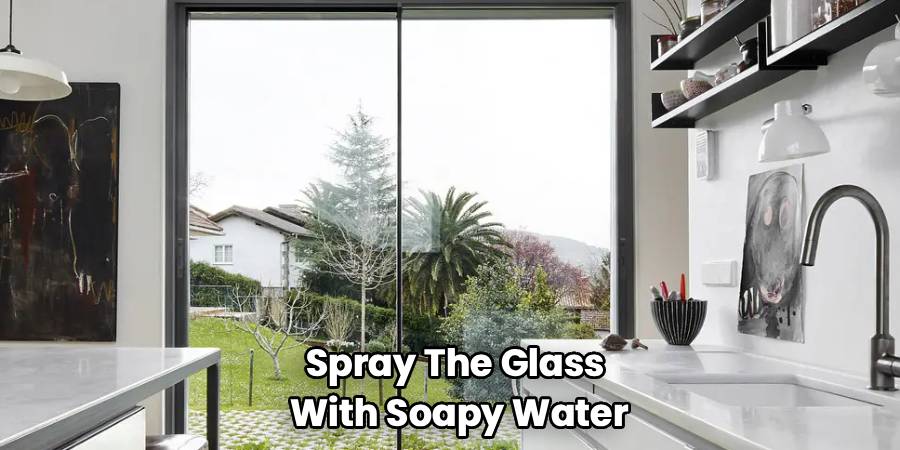
Spray the glass heavily with the soapy water. This allows you to slide the film into the perfect position without it sticking prematurely. Place the film onto the wet glass and use your hands to smooth out the largest wrinkles. Then, take your squeegee and firmly press from the center outward, pushing the water and air bubbles to the edges. Work carefully to ensure a smooth, clear finish. Allow the film to cure for a few days before washing the glass.
Step 9 – Perform a Final Safety Check
With all your secondary measures in place, perform a comprehensive review. Close the entryway, engage the factory latch, drop the security bar into the track, and activate your secondary lock. Stand inside and firmly try to pull, push, and lift the panel.
The entryway should feel entirely solid, with zero give or rattling. If any component shifts or loosens during this test, go back and tighten the hardware or adjust the bar length. Finally, make sure every family member knows how to operate these new mechanisms. In the event of an emergency, everyone needs to know how to quickly remove the bar and unlock the secondary latch to exit safely. A secure home is only truly safe if you can leave it easily when necessary.
Common Mistakes to Avoid
When taking on home security projects, it is easy to overlook small details that compromise your safety. One frequent mistake is relying entirely on a piece of wood that is cut too short for the track. If a dowel leaves even a two-inch gap, an intruder can build enough momentum to slam the panel against the wood, potentially breaking the latch or the dowel itself. Always ensure your track barrier fits snugly from edge to edge.
Another common error is ignoring the condition of the rollers. If your entryway is difficult to open or close, adding more locks will not solve the underlying mechanical issue. Forcing a misaligned frame causes long-term damage to the tracks and the glass. You must adjust the roller screws at the bottom of the frame to ensure smooth operation before adding any security devices.
Many people also make the mistake of over-tightening screws into vinyl or aluminum frames. These materials are relatively soft. If you force a screw too hard, you will strip the hole, rendering your new secondary lock useless. Always turn screws by hand rather than using a high-powered drill to maintain total control over the tension.
Safety Warnings
Handling glass panels and heavy frames requires caution. Never force a panel that feels stuck or jammed, as sudden pressure can cause tempered glass to shatter unexpectedly. Always wear safety glasses when cleaning debris from tracks or tightening metal screws to protect your eyes from sharp flakes.
If you are using tools near the glass, maintain a firm grip to prevent accidental impacts. Be highly aware of pinch points along the sliding path; keep your fingers clear of the meeting rails when testing locks. Finally, remember that your security measures must never trap you inside. Any bar or secondary lock you install must be easily removable by all capable adults in your home during an emergency evacuation.
When to Call a Professional
While reinforcing a track is highly manageable, some situations require expert help. Call a professional if your glass is cracked, chipped, or showing signs of condensation between dual panes. Compromised glass structural integrity cannot be fixed with a simple lock.
You should also seek assistance if the frame itself is warped, deeply rusted, or detached from the surrounding wall. If the panel frequently falls off its tracks despite roller adjustments, the entire system may need replacement. A licensed contractor can safely assess heavy structural damage, replace broken tracks, and install heavy-duty, factory-grade locking mechanisms that go beyond basic DIY troubleshooting.
Expert Tips
To keep your entryway functioning perfectly, apply a silicone-based lubricant to the bottom tracks twice a year. Avoid using oil-based sprays, as they attract dirt and grime, which will eventually gum up the rollers. A clean, lubricated track makes everyday operation effortless while reducing strain on the locking mechanisms.
When cutting a wooden dowel for the bottom channel, paint it to match the color of your floor or frame. This simple step makes the barrier blend in naturally with your decor so it does not look like an eyesore. Additionally, consider placing a small piece of rubber or felt padding on the ends of your security bar to prevent it from scratching the metal frame over time.
Frequently Asked Questions
What is the easiest way to block a sliding track?
The easiest method is to place a solid wooden dowel or a specialized adjustable metal security bar directly into the bottom channel. This physical barrier stops the panel from moving backward. You simply measure the open track space when the entryway is closed, and cut or adjust the bar to fit tightly.
Can intruders lift a sliding door off its tracks?
Yes, standard panels can sometimes be lifted vertically out of the lower channel. To prevent this, you should install a secondary anti-lift device, such as a pin lock or a loop lock. These mechanisms connect the moving panel securely to the stationary frame, making it impossible to lift the unit upward.
Are track clamps safe to use on all frames?
Track clamps work exceptionally well on sturdy metal and aluminum frames. However, if you have thin vinyl or fiberglass frames, tightening a metal clamp too aggressively can crack the material. If you have vinyl frames, use a track bar or a surface-mounted pin lock instead to avoid causing permanent damage.
Will security window film stop the glass from breaking?
Security film does not make the glass completely unbreakable, but it makes entry incredibly difficult. The durable adhesive layer holds the shattered pieces together if struck. This forces an intruder to spend significant time and make excessive noise trying to clear a hole, which is usually enough to deter them.
How often should I check my secondary locks?
You should inspect your security bars, latches, and track clamps every three to six months. Check that the screws are still tight, the bar has not warped, and the factory handle operates smoothly. Regular maintenance ensures that your safety measures remain reliable and ready to protect your home.
Conclusion
Improving your household protection does not require a massive budget or a stressful construction project. By cleaning your tracks, checking your factory latches, and installing a sturdy physical barrier, you instantly upgrade your safety. Understanding how to secure a sliding glass door from the inside empowers you to protect your family and enjoy your living space with absolute peace of mind.
We encourage you to take the safest next step today. Start by measuring your bottom channel and sourcing a solid piece of wood or an adjustable bar. Taking just ten minutes to implement these practical solutions will create a reliable, secure barrier against unwanted entry, keeping your home calm and protected year-round.