
To secure your patio entrance, you need to engage the built-in latch and add a secondary security measure like a dowel or security bar. Understanding how to lock a sliding glass door hardware correctly is an important step in keeping your home safe. Sliding doors are heavy and often rely on a single factory latch that can wear down over time.
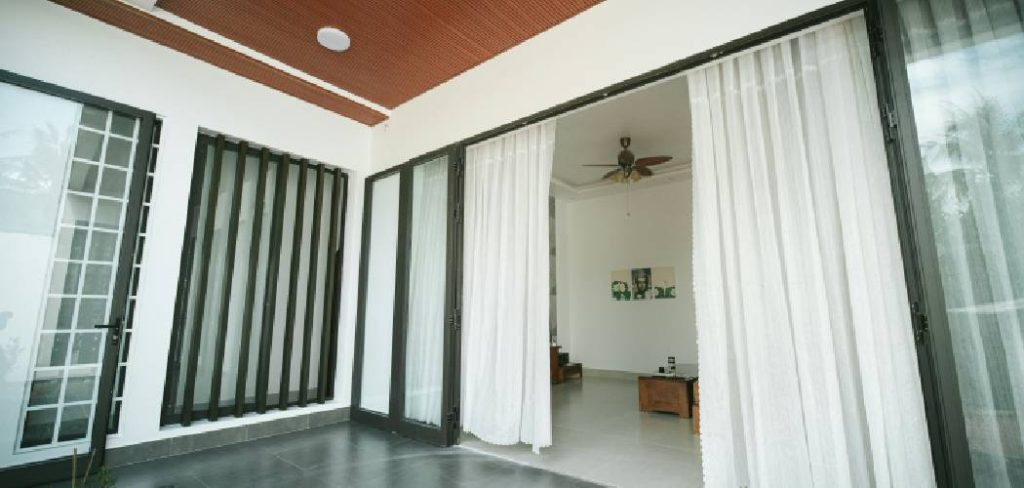
We understand that dealing with door locks might feel slightly overwhelming if you have never adjusted one before. That is completely fine. This guide will walk you through the process clearly and calmly. By the end, you will know exactly how to check your current latch, install a secondary locking bar, and ensure your sliding glass door stays firmly shut against weather and unwanted entry.
Why This Problem Happens or Why This Task Matters
Sliding glass doors offer great natural light and easy access to your backyard, but they also present a unique vulnerability. Over time, the factory-installed latches on these doors endure significant wear and tear from constant opening and closing. Dust, dirt, and pet hair can easily build up inside the track, preventing the door from closing flush against the frame.
When the door sits unevenly, the lock mechanism fails to align correctly with the strike plate. This task matters because relying solely on a worn-out primary latch leaves your home less secure. Taking a few minutes to clean the track, align the latch, and apply a secondary locking method greatly improves your household security. It gives you peace of mind at night and when you leave for work, ensuring your living space remains a protected environment for you and your family.
Tools or Materials You May Need
Securing your sliding door does not require a large toolbox or heavy equipment. You likely already have most of these items in your home.
- A small flathead screwdriver for adjusting latch alignment screws.
- A standard Phillips-head screwdriver for tightening loose handles.
- A clean rag or old toothbrush for clearing debris from the bottom track.
- A vacuum with a crevice attachment to lift stubborn dirt.
- A wooden dowel or adjustable metal security bar (optional but highly recommended for extra security).
- Safety glasses to protect your eyes from flying dust while cleaning the tracks.
Before You Begin
Start with the safest and simplest check. Before you attempt any adjustments, simply look closely at the door track and the lock itself. Make sure the area around the door is completely clear of rugs, toys, or shoes so you have a safe workspace.

If your door is connected to a home security alarm system, bypass that specific sensor or turn off the alarm temporarily to avoid triggering a loud siren while you work. Inspect the glass for any cracks; if the glass is compromised, stop immediately. Do not force a stuck door, as the heavy glass can shatter under excessive pressure.
Step-by-Step Guide to How to Lock A Sliding Glass Door
Step 1 – Clean the Bottom Track
The most common reason a sliding door fails to lock is a dirty track. Start with the safest and simplest check by inspecting the bottom rail carefully. Over the months, dirt, dead leaves, and pet hair naturally settle into the deep metal groove. Use your vacuum crevice tool to suck up the loose debris first.
Next, take an old toothbrush or a damp rag and firmly wipe away the stubborn grime. The door must glide smoothly to sit entirely flush against the side frame. If it does not close completely, the locking hook will never successfully reach the catch. A clean track ensures the door rests precisely where the manufacturer intended. If this does not work, try the next step.
Step 2 – Inspect the Catch and Latch
Once the track is clean, carefully close the door and observe exactly how the handle meets the frame. You need to identify whether the internal hook on the door is aligning properly with the catchplate on the frame. Look closely at the metal loop or slot attached to the door jamb.
Sometimes, the screws holding this crucial catchplate vibrate loose over time, causing the metal piece to slide downward. If the catch sits too low, the latch hook will hit the flat metal instead of sliding inside it. Gently wiggle the catchplate with your fingers to test its stability. If it moves even slightly, you have found the primary issue preventing your door from securing properly.
Step 3 – Tighten the Hardware
Grab your Phillips-head screwdriver and address any loose components you found during your visual inspection. Turn the screws on the catchplate clockwise until they are completely snug against the door frame. Do not over-tighten them, as you could easily strip the delicate threading in the metal frame.
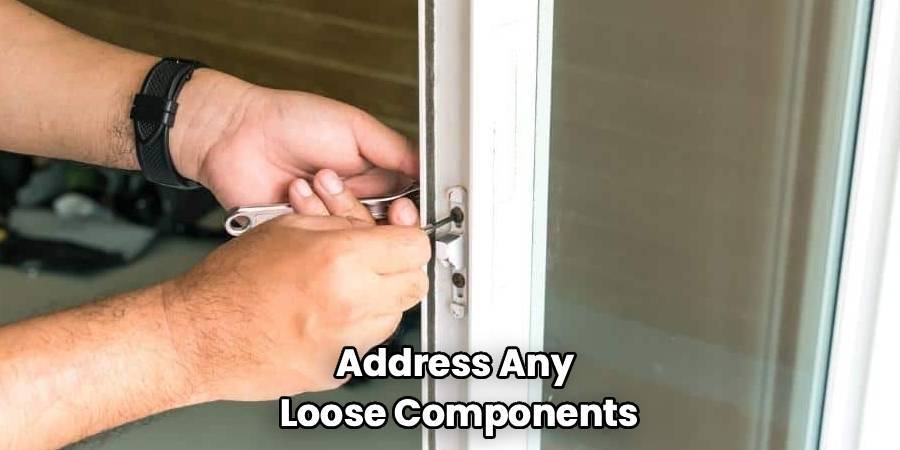
Next, check the screws on the door handle itself. A loose handle can prevent the internal mechanism from turning fully when you flip the lock lever. Tightening these screws ensures the internal hardware engages deeply and securely. If you are learning how to lock sliding glass door hardware effectively, keeping these specific screws appropriately tight is an essential habit for long-term function and overall safety.
Step 4 – Adjust the Roller Height
If your door still struggles to close evenly against the frame, the bottom rollers might require a slight adjustment. Look for small access holes located at the bottom edges of the sliding door panel. Insert a standard flathead screwdriver into these adjustment holes.
Turning the internal screw clockwise usually raises the door, while turning it counter-clockwise lowers it. Adjust both sides carefully so the door sits perfectly level within the frame. An unlevel door tilts away from the locking mechanism, making it physically impossible to secure. Take your time and make small, quarter-turn adjustments. Test the door by sliding it back and forth after every adjustment until it glides smoothly and closes squarely.
Step 5 – Engage the Primary Lock
With the track freshly cleaned and the heavy door correctly aligned, gently pull the door fully closed. Push the lock lever or turn the thumb latch on the interior handle. You should feel a distinct, firm click as the metal hook drops into the catchplate.
Try to pull the door open gently to visually confirm that the lock is holding. The handle should not wiggle, and the door should remain firmly in place. If you feel sudden resistance while turning the latch, do not force it under any circumstances. Forcing a misaligned lock can permanently bend the internal metal hook, which will ultimately require a complete replacement of the handle assembly.
Step 6 – Install a Secondary Security Bar
Even when your factory lock works perfectly, adding a secondary locking measure is a very wise safety decision. Measure the length of the exposed bottom track while the door is fully closed and locked securely. You can cut a thick wooden dowel to this exact length and lay it flat inside the bottom track.
Alternatively, purchase an adjustable metal security bar designed specifically for heavy sliding doors. Place the bar firmly between the back edge of the sliding door and the opposite wall of the track. This creates a highly effective physical barrier that prevents the door from opening, even if someone manages to bypass the primary factory latch from the outside.
Common Mistakes to Avoid
Many beginners make the mistake of aggressively forcing the lock lever when the door refuses to secure. Applying excessive pressure to a stuck handle usually snaps the delicate metal hook inside, leaving you with a broken lock that must be entirely replaced. Instead, always investigate the underlying cause of the resistance first.
Another frequent error involves using the wrong chemical lubricants on the door track. Spraying heavy oil or grease onto the bottom rail attracts dust and creates a thick sludge that eventually hardens. This sticky mess will freeze the rollers and make locking the door completely impossible. Stick to simply wiping the track clean or using a dry silicone spray if necessary.
Finally, many people forget to check the strike plate alignment after adjusting the bottom rollers. When you change the height of the door, the latch mechanism moves up or down with it. Always double-check that the hook still perfectly matches the slot on the frame after any roller modifications. Overlooking this step often leads to a false sense of security where the door appears closed but is not actually locked.
Safety Warnings
Sliding glass doors are incredibly heavy and contain large panes of tempered glass. Never attempt to lift the sliding panel completely out of its track by yourself. Removing a door requires at least two capable adults to prevent the glass from dropping and shattering, which could cause severe injury.
If your door features an electronic locking mechanism or a built-in alarm sensor, always disconnect the power or remove the batteries before adjusting the strike plate. Working near active alarm wires can result in mild shocks or accidentally trigger an emergency response. For safety, turn off power before handling any wired components. Be extremely careful when using screwdrivers near the glass edges; a slip of the tool can chip or crack the pane. If the glass is already damaged or the frame feels unstable, do not continue your adjustments.
When to Call a Professional
Call a professional if the internal lock mechanism feels entirely broken or loose, even after you tighten the external screws. If you notice shattered glass, severely bent metal tracks, or stripped adjustment screws that no longer turn, the issue goes beyond basic DIY troubleshooting.
You should also seek expert help if your sliding door is exceptionally heavy and completely derailed. Attempting to force a derailed heavy glass door back into position can cause serious physical injury or property damage. Additionally, if your home features a smart lock or complex integrated alarm system that repeatedly faults after door adjustments, a licensed technician can safely recalibrate the electronic sensors.
Expert Tips
To keep your sliding glass door operating safely and smoothly, make cleaning the bottom track a part of your regular monthly home maintenance routine. A quick wipe-down prevents the buildup that leads to lock misalignment.
When choosing a secondary security bar, opt for a model that hinges directly to the door frame. Hinged bars can be folded up and out of the way when not in use, reducing the risk of a tripping hazard that a loose wooden dowel might create. Finally, close your door gently. Slamming the door causes the locking hardware to vibrate violently, which gradually loosens the internal screws over time. A gentle closing habit significantly extends the life of your factory lock.
Frequently Asked Questions
What is the most common reason a sliding door will not lock?
The most common reason is dirt and debris caught in the bottom track. When debris builds up, the door cannot close entirely against the frame. This slight gap prevents the lock hook from reaching the catchplate. Cleaning the track with a vacuum and a damp rag usually solves this issue quickly.
Can I use WD-40 on my sliding glass door lock?
It is best to avoid standard WD-40 on the internal lock mechanism or the track. Standard lubricating oils attract dust and pet hair, creating a sticky paste over time. If your lock feels stiff, use a dry graphite powder or a dry silicone spray instead for a much cleaner result.
How do I know if my door rollers need adjusting?
You can tell your rollers need adjustment if the door looks uneven or leans away from the locking frame. If the door drags heavily across the bottom track instead of gliding smoothly, the rollers likely need to be raised. Use the small adjustment screws at the base of the door.
Is a wooden dowel enough to secure my door?
A solid wooden dowel placed in the bottom track provides excellent secondary security. It acts as a physical barrier that stops the door from sliding open. However, make sure the dowel fits snugly without leaving a gap. An adjustable metal security bar offers an even stronger, more permanent solution.
Why does my door lock lever feel loose?
A loose lock lever usually indicates that the mounting screws on the interior handle have vibrated loose. Use a standard screwdriver to carefully tighten the screws on the handle plate. If the lever remains loose after tightening, the internal springs may be broken, requiring a handle replacement.
Conclusion
Securing your home does not have to be a complicated or stressful process. By taking a few moments to clean the tracks, inspect the hardware, and adjust the rollers, you can ensure your patio entrance remains safe and functional. Remember that the simplest fixes, like removing dirt from the bottom rail, are often the most effective. Taking the time to understand how to lock sliding glass door hardware properly gives you a distinct advantage in maintaining your household security.
Always prioritize a gentle approach, as forcing a stubborn lock usually causes more harm than good. We encourage you to take the safest next step today by inspecting your door track and testing your primary latch. If everything aligns perfectly, consider adding a secondary security bar or a simple wooden dowel for ultimate peace of mind. Keeping your home safe is a continuous, practical process, and you are entirely capable of handling these basic maintenance steps.