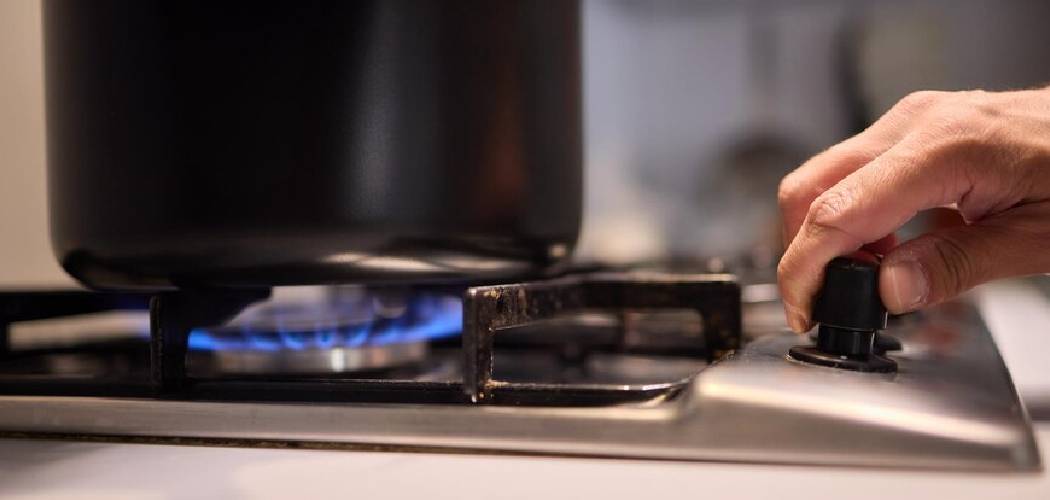
If you suspect an issue, knowing how to tell if there is a gas leak comes down to three main signs: a rotten egg smell, a hissing sound near gas lines, or dead houseplants. Natural gas is an essential energy source for many homes, powering stoves, heaters, and water boilers safely every day.
However, because it is highly flammable, you need to know how to identify a problem quickly and calmly. Learning the warning signs allows you to act fast and keep your household secure without feeling overwhelmed. This guide will walk you through the most common indicators, safe verification methods, and exactly what to do next to protect your home.
Why This Problem Happens or Why This Task Matters
The most common reason a leak occurs is due to aging pipes, worn-out appliance connections, or faulty installation. Over time, the seals and valves connecting your stove, furnace, or water heater can degrade from normal wear and tear. Sometimes, moving a heavy appliance simply bumps a gas line and loosens a fitting.
Recognizing these issues early matters because natural gas buildup in an enclosed space creates a significant fire hazard and reduces breathable oxygen. Utility companies add a harmless chemical called mercaptan to natural gas, which gives it that distinct sulfur or rotten egg odor. This acts as a built-in alert system for your home. By understanding why leaks happen and knowing what to look for, you protect your family, prevent property damage, and ensure your home’s appliances run safely and efficiently.
Tools or Materials You May Need
Checking for a suspected gas issue does not require a large toolbox. In fact, relying on your senses is often the most effective method. However, a few basic items can help you confirm a minor issue safely:
- Gas leak detector solution: A specialized liquid that bubbles when applied to a leaking pipe connection.
- Liquid dish soap and water: A simple homemade alternative to commercial detector solutions.
- Small spray bottle or sponge: Useful for safely applying soapy water to valves and fittings.
- Flashlight: Essential for inspecting dark spaces behind stoves or water heaters.
- Carbon monoxide and explosive gas detector: An optional but highly recommended plug-in device for ongoing peace of mind.
Before You Begin
Start with the safest and simplest check by simply using your nose and ears. Before moving any appliances or touching any valves, carefully assess the immediate area. If you smell a strong, overpowering odor of rotten eggs or hear a loud hissing noise, do not proceed with any troubleshooting.
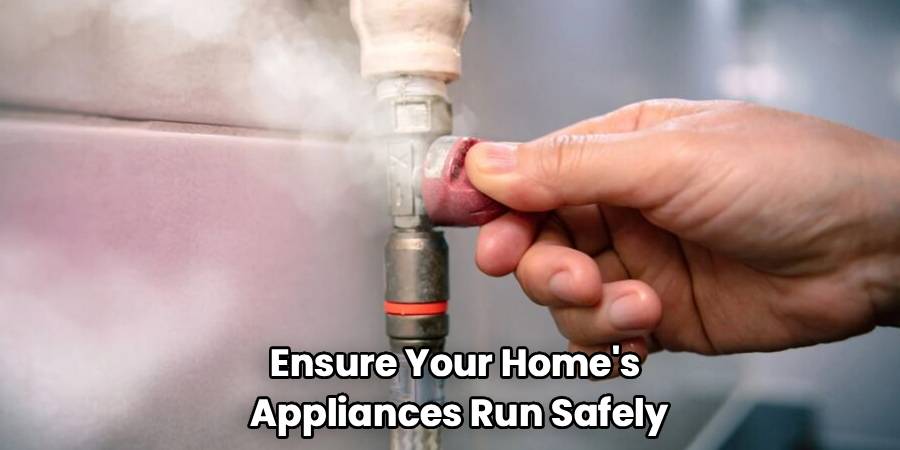
This is a clear indicator of a severe leak, and the environment could be highly dangerous. Do not flip any electrical switches, unplug devices, or use a lighter, as a tiny spark can ignite the gas. If the smell is very faint or you are just doing a routine visual safety check on a specific appliance connection, you can proceed carefully.
Step-by-Step Guide to How to Tell If There Is a Gas Leak
Step 1 – Check for a rotten egg smell
The most common and immediate way to tell if you have an issue is by using your sense of smell. Natural gas is naturally odorless, but gas companies add a chemical that makes it smell like sulfur or rotten eggs. Walk through your home, paying close attention to areas near your gas stove, water heater, furnace, and gas dryer.
If the smell is faint, it might indicate a small, slow leak behind an appliance. If the smell is highly concentrated or hits you as soon as you open your front door, evacuate immediately. Trust your nose during this process. Do not try to mask the scent with air fresheners or candles.
Step 2 – Listen for a hissing sound
If you notice a faint smell, the next step in learning how to tell if there is a gas leak is to listen closely. A damaged pipe or a loose connection will often force gas out under pressure, creating a distinct hissing or whistling sound. Turn off any background noise, such as the television or radio, and stand near your gas appliances.
Pay special attention to the flexible gas lines behind your stove or leading to your HVAC system. A hissing noise usually means a substantial amount of gas is escaping quickly. If you hear this sound, do not attempt to tighten the valve or fix the pipe yourself.
Step 3 – Inspect your stove burner flames
If you suspect a minor appliance issue, check the color of the flames on your gas stove. A healthy, properly functioning gas appliance will produce a crisp blue flame, occasionally with a tiny tip of yellow. This blue color indicates that the gas is burning cleanly and safely with the right amount of oxygen.
If your burner produces a large, floppy orange or yellow flame, the gas is not combusting correctly. While an orange flame does not always mean gas is leaking directly into the room, it does mean the burner is faulty and could be producing harmful carbon monoxide. Turn off the appliance immediately and arrange for an inspection.
Step 4 – Look for blowing dust or moving air
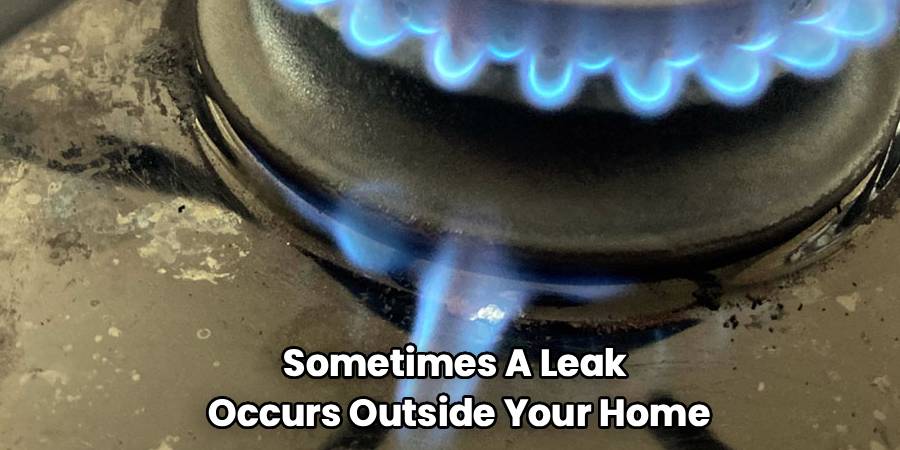
Sometimes a leak occurs outside your home near the gas meter or underground service line. If you are inspecting the exterior of your property, look closely at the ground above your buried gas pipes. Escaping gas travels upward and can cause dirt, dust, or fallen leaves to flutter and blow around, even on a perfectly calm, windless day.
You might also notice a localized patch of dry, cracked mud in an otherwise moist yard. This visual cue suggests that pressurized gas is forcing its way through the soil. Never try to dig around a suspected underground leak or disturb the soil further.
Step 5 – Check for dead or dying plants
Both indoor houseplants and outdoor landscaping can act as early warning signs for escaping gas. Natural gas displaces oxygen in the air and the soil, effectively suffocating plant life. Inside your home, take note if plants near a gas fireplace or kitchen stove suddenly wilt, turn yellow, or die despite receiving proper watering and sunlight.
Outside, look for a sudden patch of dead grass or dying shrubs directly above your underground gas lines. If the surrounding vegetation is green and healthy but one specific area is brown and withered, it warrants further investigation. This environmental clue is especially helpful for identifying slow, hidden leaks.
Step 6 – Perform a soapy water test on visible connections
If you want to check a specific valve for a micro-leak, start with the safest and simplest check: the soapy water test. Mix a few squirts of liquid dish soap with a cup of water until it is sudsy. Dip a sponge or use a spray bottle to apply the soapy mixture directly onto the gas pipe connections, valves, and joints behind your appliance.
Watch the area closely for a few minutes. If gas is escaping, it will push through the liquid and create continuous, growing bubbles at the source of the leak. If the water simply sits there, the connection is secure.
Step 7 – Check your explosive gas detectors
Many modern homes are equipped with plug-in or hardwired explosive gas detectors. These devices monitor the air for high concentrations of natural gas and propane, sounding a loud alarm before the levels become combustible. If you have one of these devices, check its digital display for any error codes or rising numbers.
Press the test button to ensure the battery and sensor are still functioning properly. If your alarm sounds a continuous, piercing beep, treat it as a confirmed emergency. Do not assume it is a false alarm. Leave the premises immediately and call for emergency assistance to secure the property.
Common Mistakes to Avoid
A major mistake beginners make is ignoring a faint odor, assuming it is just a dirty drain or a temporary smell from cooking. Gas leaks do not resolve on their own, and a small odor can quickly escalate into a dangerous accumulation. Always investigate any unexpected sulfur or rotten egg smell immediately to prevent safety hazards.
Another frequent error is turning electrical switches on or off when investigating a strong gas odor. Flipping a light switch, unplugging a television, or even using a garage door opener can create a microscopic electrical arc. In a gas-filled room, this tiny spark is enough to cause ignition. If you smell gas, leave the lights exactly as they are.
Many people also make the mistake of using a lighter or match to look for the source of a draft near a gas pipe. This is an incredibly dangerous, outdated practice that directly introduces an open flame to a highly flammable substance. Only use a flashlight for visibility, and always turn the flashlight on before entering the suspected area. Finally, beginners often attempt to tighten gas fittings with standard wrenches. Improper tightening can actually crack the valve or strip the threads, making the problem worse.
Safety Warnings
Natural gas is highly combustible and poses a serious risk of fire and explosion if handled improperly. If you experience a strong smell of gas, hear a loud hissing noise, or your indoor gas detector alarm sounds, do not continue with any DIY checks. Evacuate the building immediately, leaving doors open behind you to help ventilate the space.
Do not use your cell phone, landline, or any electrical devices until you are safely outside and a good distance away from the property. Never attempt to shut off your home’s main gas meter unless you have been specifically trained to do so and have the correct wrench. Once the main valve is turned off, only a qualified utility professional can safely turn it back on.
When to Call a Professional
Call a professional if you confirm a leak using the soapy water test, or if you consistently smell a faint gas odor but cannot locate the source. This issue goes beyond basic DIY troubleshooting once a leak is verified. You should also contact a licensed plumber or HVAC technician if your gas appliance produces an orange flame, or if you notice damaged wiring and broken valves around your utility closet. Never attempt to replace or patch a damaged gas pipe yourself. If you are ever in doubt, evacuate the home and call your local gas utility company’s emergency line or 911.
Expert Tips
To make future checks easier, keep a small bottle of commercial gas leak detector solution near your utility closet. It is inexpensive, adheres to pipes better than homemade soapy water, and provides clear visibility for micro-leaks. Additionally, familiarize yourself with the location of your appliance shut-off valves before an emergency happens. These are typically located on the gas line just behind the stove, dryer, or heater. Knowing how to turn a valve to the off position can quickly stop a minor appliance leak. Finally, schedule an annual maintenance check for your HVAC system and gas water heater to keep connections secure.
Frequently Asked Questions
What does a gas leak smell like?
Natural gas is completely odorless in its natural state. Utility companies add a harmless chemical called mercaptan to the supply, which gives it a distinct, pungent odor. Most people describe this smell as similar to rotten eggs, sulfur, or skunk spray. If you notice this scent in your home, investigate the source immediately.
Can a gas leak make you feel sick?
Yes, breathing in natural gas can cause physical symptoms because it displaces oxygen in the air. Early signs of exposure include headaches, dizziness, nausea, fatigue, and difficulty breathing. If you experience these symptoms and smell sulfur, evacuate the area immediately and seek medical attention to ensure your safety.
Should I turn off the gas if I suspect a leak?
If you know how to safely turn off the specific shut-off valve behind a malfunctioning appliance, do so. However, do not attempt to turn off the main gas meter outside your home unless instructed by emergency services. Once turned off, only a certified professional can safely restore the main gas flow.
Will a carbon monoxide detector detect a gas leak?
A standard carbon monoxide detector will not detect raw natural gas. Carbon monoxide is a byproduct of poorly burned gas, while a leak involves unburned gas. To detect unburned natural gas, you must use a specialized explosive gas detector or a combination alarm plugged into the wall.
How long does it take for a gas leak to dissipate?
Once the source is completely shut off and the area is properly ventilated with open windows and doors, natural gas typically clears out within a few hours. However, you should never re-enter the home until the fire department or utility company uses professional meters to verify that the air is completely safe.
Conclusion
Protecting your household from hidden dangers is a vital part of homeownership. Knowing exactly how to tell if there is a gas leak empowers you to act swiftly and calmly when it matters most. By trusting your senses, listening for hissing sounds, observing your appliance flames, and knowing how to perform a simple soapy water test, you can identify minor issues before they escalate.
Remember, the most critical step is acknowledging when an issue goes beyond your control. If you encounter a strong sulfur odor or hear high-pressure gas escaping, prioritize evacuation and professional help over further investigation. Take the safest next step by installing an explosive gas detector near your appliances and scheduling an annual inspection with a qualified technician. Staying proactive ensures that your gas appliances remain a reliable, efficient, and deeply secure part of your home environment.