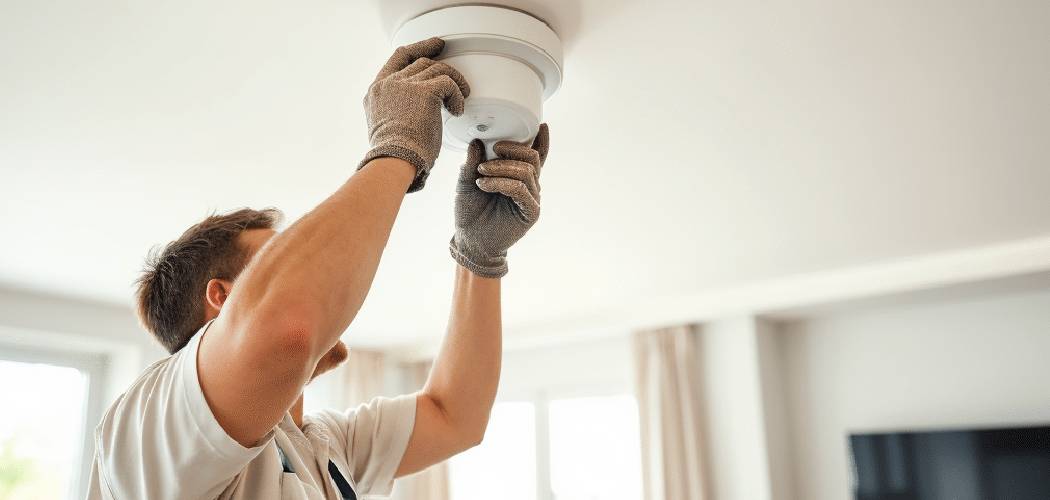
There always comes a moment—often at the most inconvenient time—when your smoke detector demands your attention. Maybe it’s chirping in the middle of the night, or it’s simply time for a replacement. Whether you’re dealing with a persistent alert or updating for safety, knowing how to remove a smoke detector from the ceiling is a must for any homeowner.
Many people think removing one is as simple as twisting it off, but there are often a few more steps involved, especially if you want to avoid damaging your ceiling or electrical setup. This guide walks you through the exact process—step by step—to ensure you do it safely and correctly, whether you have a battery-operated or hardwired unit.
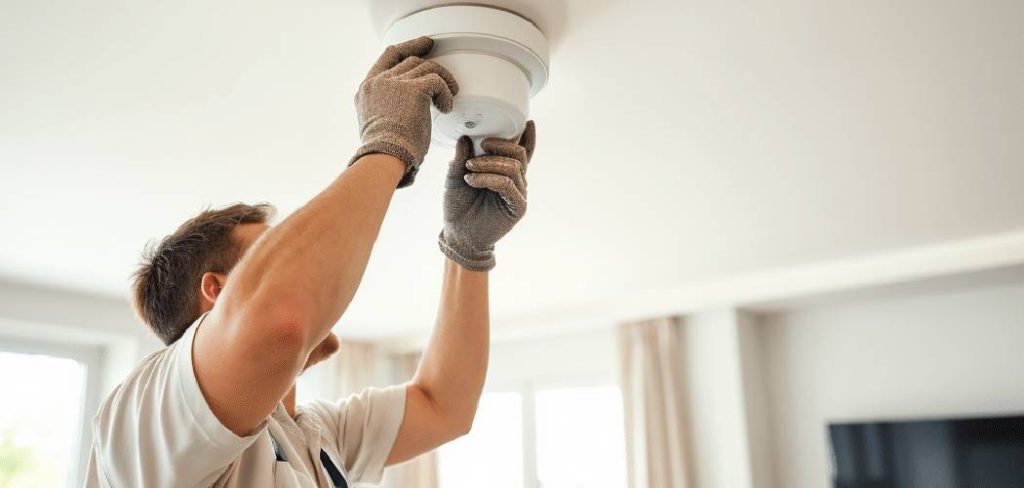
Step-by-Step Guide: How To Remove A Smoke Detector From The Ceiling
Let’s break down each part of the removal process so you feel comfortable and prepared, no matter what kind of smoke alarm you have.
Step 1: Gather Your Supplies
Before you start, collect these essential items:
- Sturdy stepladder (never stand on a chair!)
- Non-contact voltage tester (needed for hardwired alarms)
- Screwdriver or needle-nose pliers (for tamper-resistant models)
- Work gloves and safety glasses (for protection from dust and debris)
Having these ready means you won’t have to pause the job midway through.
Step 2: Identify Your Smoke Detector Type
Look closely at the smoke detector to see if it’s battery-operated or hardwired.
- Hardwired units are usually connected to your home’s electrical system and often have a steady light.
- Battery-operated units are not wired and only chirp when the battery is low.
This distinction matters because removing a hardwired smoke detector involves disconnecting wires, while battery units pull off more easily.
Step 3: Switch Off Power (For Hardwired Detectors)
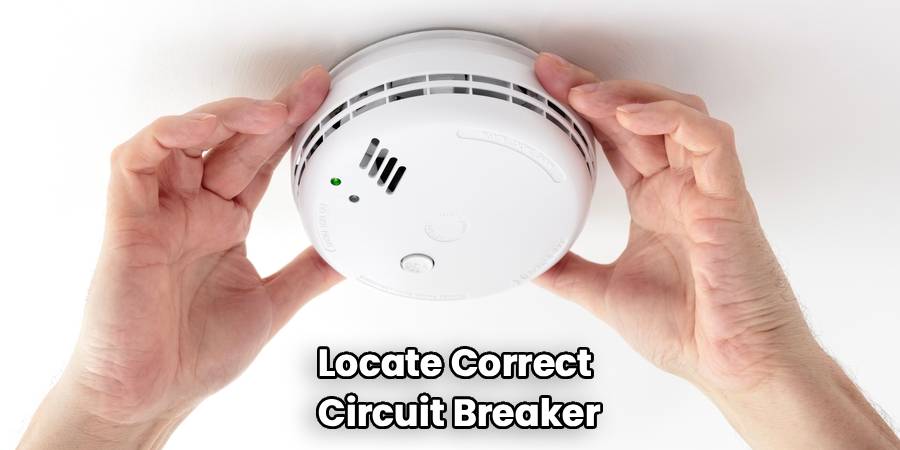
If your detector is hardwired, the first and most important step is to cut the power at the breaker box. Locate the correct circuit breaker (usually labeled “smoke alarms” or “hallway”) and switch it off. Double-check your work with a non-contact voltage tester. Only proceed if you’re certain the power is off.
Step 4: Detach the Smoke Detector from Its Mount
- Twist the detector counter-clockwise (to the left). Most units attach to a mounting plate on the ceiling with a simple twist-and-lock system.
- The detector should loosen and either drop into your hand or hang slightly.
- If it doesn’t budge: Do not force it. There might be a tamper-resistant mechanism—check for this before using any extra pressure.
Step 5: Disconnect the Power Harness (For Hardwired Units)
Once the alarm is detached, you’ll see a set of wires plugged into the back:
- Locate the plastic connector that joins the alarm to your house wiring.
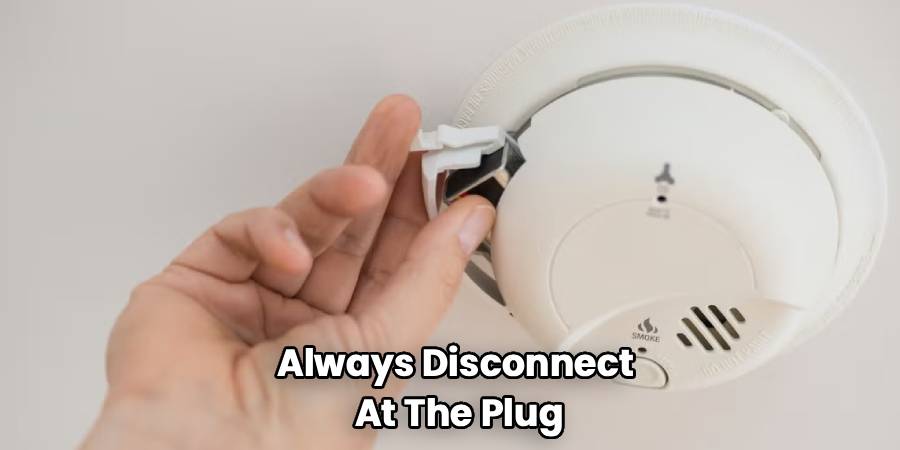
- Press the locking tabs on the sides of the connector and gently pull it free from the detector.
- Never yank the wires directly out of the ceiling—always disconnect at the plug.
Step 6: Disengage Tamper-Resistant Features (If Present)
Some ceiling-mounted smoke detectors have extra security:
- Look around the base for a small pin or slot.
- If there’s a pin, use needle-nose pliers to pull it out.
- If there’s a slot, insert a thin screwdriver and gently press while twisting.
Your detector should now slide away from the bracket easily.
Step 7: Remove or Replace the Battery
Even in hardwired models, there’s usually a backup battery inside.
- Open the battery compartment and take out the old battery.
- If you’re replacing the detector, take the battery with you for recycling.
- If you’re only changing a dead battery, pop in a fresh one before reattaching.
Step 8: Clean or Replace the Mounting Bracket
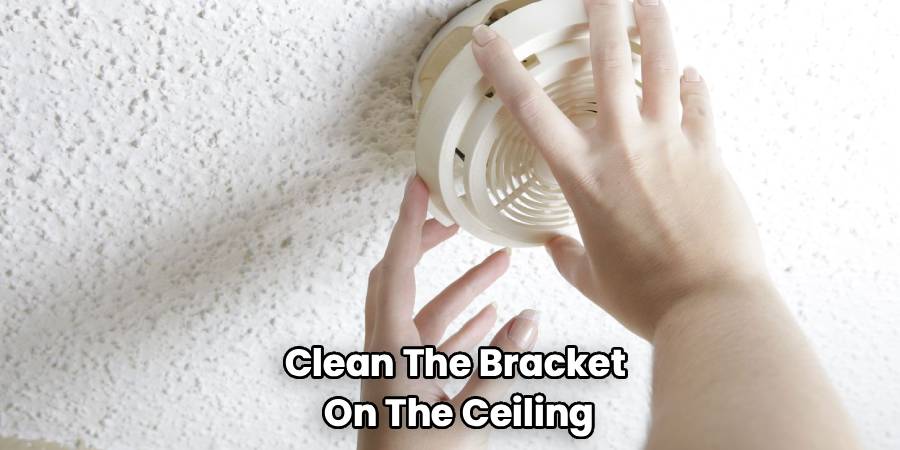
Take a moment to clean the bracket on the ceiling. Dust and cobwebs can accumulate, causing false alarms. If you’re upgrading to a new detector, check if you’ll need to replace the bracket—most new alarms come with their own.
Step 9: Dispose of the Old Detector Properly
Many detectors can be recycled through local electronics programs. If it says “ionization” or features a radioactive symbol, your area might have special disposal rules. Battery and power harnesses should never go in regular household trash.
Frequently Asked Questions
Why won’t my smoke detector stop chirping, even after removal?
Sometimes, a smoke detector will chirp due to remaining power stored inside. Remove the battery (and if hardwired, disconnect it), then press and hold the “Test” or “Silence” button for 20 seconds to fully drain residual power.
Can I swap a hardwired smoke detector with a battery-only model?
Technically, yes—you can physically install a battery-powered model. But it’s best to stick to code: hardwired alarms are interconnected for your safety. Swapping to a battery-only device may break local safety regulations.
How do I know if my smoke detector needs a full replacement?
Check the back label for the manufacture date. If the unit is over 10 years old, it’s time to replace it entirely, not just the battery.
What if my smoke detector has been painted over?
Run a utility knife carefully around the edge to break the paint seal before you twist the detector off. This helps prevent ceiling damage.
Is it okay to leave the wiring exposed if I’m removing the detector just for painting?
No—never leave wires hanging exposed. If you must, switch off the circuit breaker and wrap the connector with electrical tape, but only as a temporary solution.
Do I need a specific brand when replacing my old detector?
For hardwired systems, using the same brand often means you can use the existing wiring harness and bracket, making replacement faster and easier. If you buy a different brand, you may need to swap out both the bracket and the wiring plug.
Conclusion
How To Remove A Smoke Detector From The Ceiling safely and efficiently is all about taking it step by step. With the right preparation—power off, proper tools, and patience—you can disconnect and replace your alarm without hassle or risk. Always follow up by installing a new, working smoke detector so your home stays protected. Safety first, and don’t hesitate to call a professional if you’re ever unsure along the way.