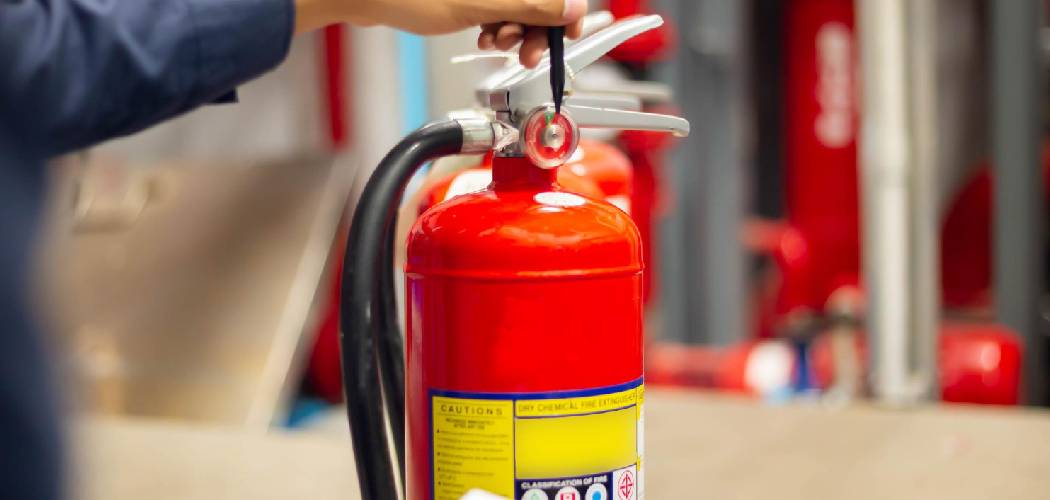
You walk past them every single day. They hang silently in corridors, sit tucked away in kitchen corners, or rest in the trunk of your car. Fire extinguishers are the unsung heroes of safety equipment—ready to save the day at a moment’s notice. But here is the uncomfortable question we all need to ask ourselves: if you pulled that pin right now, would it actually work?
It is a terrifying thought that the one tool designed to stop a disaster might fail simply because it was forgotten. That is why understanding the ins and outs of maintenance is not just a regulatory box to check; it is a critical habit that protects lives and property. Whether you are a business owner trying to stay compliant with NFPA guidelines or a homeowner wanting peace of mind, knowing the proper way to care for your equipment is essential.
In this guide, we will walk you through everything you need to know about keeping your equipment in fighting shape. We will cover the different types of inspections, what you can do yourself, and when you need to call in the pros. We will specifically look at how to service a fire extinguisher correctly so you can be confident that when seconds count, your equipment won’t let you down.
Understanding the Basics of Fire Safety Equipment
Before we dive into the nuts and bolts of servicing, it helps to understand what we are actually dealing with. A fire extinguisher isn’t just a red can of foam; it is a pressurized vessel containing chemical agents designed to combat specific types of fires. Over time, that pressure can leak, seals can dry out, and the chemical powder inside can settle and cake at the bottom, rendering the device useless.
Regular fire extinguisher maintenance prevents these silent failures. It ensures that the pressure is sufficient to expel the agent, the hose is clear of blockages (like spiderwebs or debris), and the physical mechanism is sound.
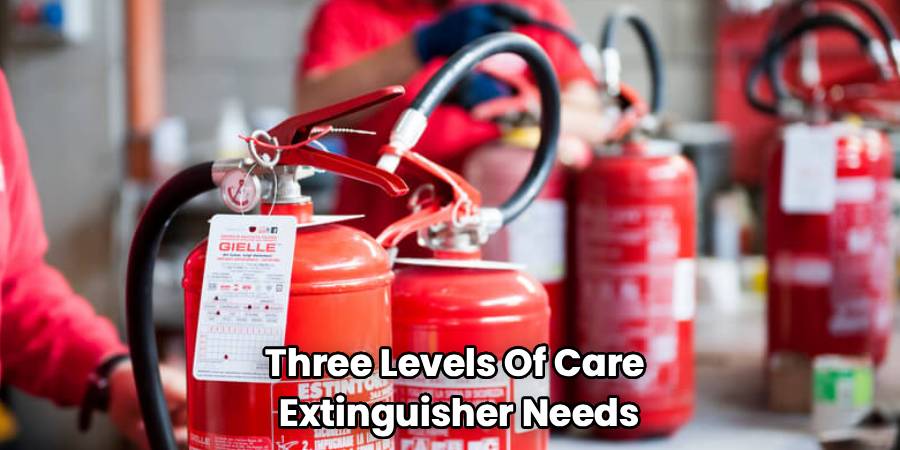
There are generally three levels of care your extinguisher needs:
- Monthly Visual Inspection: A quick check you can do yourself.
- Annual Maintenance: A more thorough examination usually requiring a professional.
- Internal Maintenance & Hydrostatic Testing: Deep servicing that happens every 5, 6, or 12 years depending on the type of unit.
Let’s break down exactly how to handle these, focusing on the practical steps you can take and the oversight you need to manage.
Step-by-Step Guide to Fire Extinguisher Maintenance
While certified professionals must handle internal maintenance and recharging, knowing what happens during a service—and what you can do during your monthly checks—is vital. This section outlines the procedure for a thorough inspection and service.
Inspecting the Physical Condition
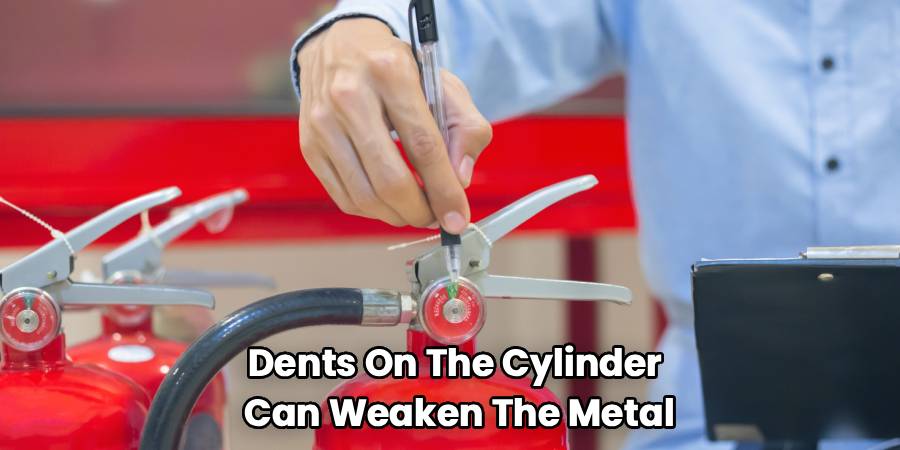
The first step in any service regimen is a rigorous physical exam. You want to look for obvious signs of trouble. Corrosion, rust, or dents on the cylinder can weaken the metal, making it dangerous to use under high pressure.
Check the connection points. Is the nozzle clogged? Is the hose cracked or brittle? In many environments, insects love to build nests inside the nozzle, which can block the flow of the extinguishing agent entirely. Ensure the safety pin is present and the tamper seal is unbroken. If that seal is broken, you have to assume the unit has been used or tampered with, which means it needs immediate professional attention.
Checking the Pressure Gauge
For stored-pressure extinguishers (the most common type), the gauge is your window into the unit’s health. The needle should be resting squarely in the green zone. If it is in the red zone to the left, it is under-charged and won’t have the “oomph” to push the chemicals out. If it is in the red zone to the right, it is over-charged, which poses a risk of explosion or malfunction.
During your monthly check, tapping the gauge gently can sometimes dislodge a stuck needle, giving you a true reading. However, during a professional annual service, they will verify this reading against a master gauge to ensure accuracy.
Weighing the Unit
This is a step often skipped by amateurs but never by pros. Every extinguisher has a gross weight stamped on the label or the neck of the cylinder. Placing the unit on a scale confirms that it is still full of the extinguishing agent.
A loss of weight, even if the pressure gauge looks fine, indicates a leak. Gas can escape without the powder leaking, or vice versa, depending on the nature of the breach. If the weight doesn’t match the manufacturer’s specifications, the unit must be taken out of service and recharged or replaced.
Agitating the Dry Chemical
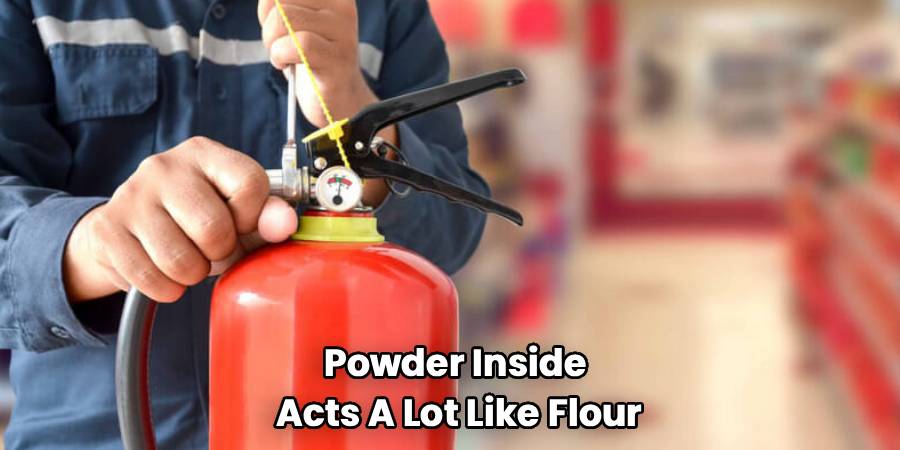
This step is specific to dry chemical extinguishers, which are the standard ABC units found in most homes and offices. The powder inside acts a lot like flour; if it sits still for too long, gravity packs it down into a dense brick at the bottom of the cylinder.
To prevent this “caking,” professionals will invert the extinguisher and firmly pat or vibrate the bottom. You can do this too! If you are wondering how to service a fire extinguisher effectively during your monthly walkthroughs, simply turning it upside down and giving it a few firm thumps with your hand can keep the powder loose and fluid. If the powder is packed tight, the gas might expel, but the powder will stay behind, leaving you defenseless against a fire.
Verifying the Service Tags and Logs
Documentation is the backbone of safety compliance. Once the physical checks are done, the inspection tag must be signed and dated. This isn’t just busywork; it’s your legal proof that you are maintaining a safe environment.
For businesses, NFPA guidelines require these records to be kept for at least a year. The tag should show the date of the last annual maintenance, the name of the person who performed it, and the agency they represent. If you are doing your own monthly checks at home, keep a log or write the date on a piece of tape on the back of the unit. It helps you remember when you last looked at it.
Annual External Maintenance Procedures
While you handle the monthly spot-checks, the annual requirement is more rigorous. A certified technician will visit your site to perform this. They don’t just look at the gauge; they remove the hose and check for continuity (ensuring air flows through it). They check the firing mechanism to ensure the pull-pin removes easily and the handle isn’t jammed.
They will also check the manufacturing date. This is crucial because it dictates when the unit needs “major surgery”—the internal examination. If a unit is due for its 6-year tear-down, the technician will swap it out with a loaner or service it on the spot if they have a mobile workshop.
Deep Dive: The 6-Year and 12-Year Requirements
You might look at your extinguisher and think, “It looks brand new,” but appearances can be deceiving. The chemicals inside have a shelf life, and the cylinder itself endures stress from being pressurized for years.
The 6-Year Internal Examination
For stored-pressure dry chemical extinguishers, a complete internal examination is required every six years from the date of manufacture. This is not a DIY task. The extinguisher is emptied completely. The professional will:
- Discharge all the pressure.
- Remove the valve assembly and disassemble it.
- Clean all internal parts thoroughly.
- Inspect the cylinder interior for pitting or corrosion.
- Refill the unit with new or reclaimed powder.
- Repressurize it and install a new tamper seal and verification-of-service collar.
This process resets the clock on the internal components, ensuring they are as good as new.
The 12-Year Hydrostatic Test
Every 12 years, the cylinder itself must be tested for structural integrity. This is called hydrostatic testing. The unit is stripped down, filled with water, and pressurized to a level higher than its normal operating pressure. The technician measures the expansion of the metal cylinder to ensure it can still safely hold the pressure.
If the cylinder expands too much or leaks, it fails and must be destroyed. If it passes, it is dried, reassembled, recharged, and stamped with a new test date. This testing is critical for high-pressure cylinders like CO2 extinguishers (which require testing every 5 years) and standard dry chemical units (every 12 years).
Common Mistakes in Fire Extinguisher Care
Even with the best intentions, people make mistakes that compromise fire safety. Avoiding these pitfalls can save you money and keep you safer.
Blocking Access: It is the most common violation inspectors see. In a busy office or a cluttered garage, it is easy to stack boxes, coats, or cleaning supplies in front of the extinguisher. In an emergency, seconds matter. You shouldn’t have to fight an obstacle course to get to your safety equipment.
Painting or Decorating: Never paint a fire extinguisher. It might clash with your interior design, but painting it can cover up the instruction label, the pressure gauge, or the specification data. Furthermore, chemical solvents in paint can weaken plastic valve components or hide rust.
Ignoring the Bracket: The hanger or bracket holding the extinguisher to the wall is just as important as the unit itself. If the bracket is loose, the heavy cylinder can fall, damaging the floor, injuring a toe, or worse—damaging the trigger mechanism. Give the bracket a wiggle test periodically to ensure it is anchored securely.
Using the Wrong Extinguisher: Not all maintenance is about the device; it’s also about the application. If you have moved a fryer into your kitchen, your standard Class A extinguisher (for wood and paper) won’t help you with a grease fire. Ensure the type of extinguisher matches the hazards in the room.
Frequently Asked Questions
We know that navigating safety regulations can be confusing. Here are some of the most frequent questions we hear about keeping your equipment up to code.
Can I service my own fire extinguisher?
The short answer is: it depends on what you mean by “service.” You can and should perform the monthly visual inspections. You can check the gauge, the physical condition, and the accessibility. However, for the annual maintenance required by code for businesses, and for any internal maintenance, recharging, or hydrostatic testing, you must hire a certified professional. They have the training, tools, and replacement parts to do the job safely and legally.
How do I know when my fire extinguisher expires?
Fire extinguishers don’t have an “expiration date” like a carton of milk, but they do have a lifespan. Disposable (non-rechargeable) units usually have a date printed on them, often 10 or 12 years from manufacture, after which they must be discarded. Rechargeable units can last for decades if they pass their hydrostatic tests. However, many experts recommend replacing units that are older than 20 years simply because technology and standards improve over time.
What should I do if I use my extinguisher just a little bit?
If you discharge even a tiny amount of agent—perhaps just to test it or to put out a very small flame—you must have the unit serviced and recharged immediately. Once the seal is broken and powder is released, the valve may not seat perfectly again, and the remaining pressure will leak out over the next few days. An extinguisher that is only “mostly full” is considered empty and unreliable.
Why is my fire extinguisher gauge in the red?
If the needle is in the red zone, the unit is compromised. If it shows “Recharge” (low pressure), it could be due to a leak, a temperature drop, or previous use. If it shows “Overcharged” (high pressure), it might have been exposed to extreme heat or filled incorrectly. In either case, the unit is not safe to rely on. Call a professional to inspect it or replace the unit if it is a disposable model.
How much does it cost to service a fire extinguisher?
Costs vary by region and the type of service required. A basic annual inspection for a business might cost between $15 and $30 per unit. Internal maintenance (6-year service) is more expensive, often ranging from $40 to $80. Hydrostatic testing can cost nearly as much as a new unit, leading many homeowners to simply buy a new extinguisher after 12 years. Always get a quote from a local fire safety company.
Do I need a different extinguisher for my kitchen?
Yes, kitchen fires often involve grease or cooking oils (Class K fires). Water or standard dry chemical extinguishers can sometimes splash the burning oil, spreading the fire. For commercial kitchens, a Class K extinguisher is mandatory. For home kitchens, look for an extinguisher rated for Class B (liquids) and C (electrical) fires, or a specialized kitchen unit.
Conclusion
Fire safety is not a “set it and forget it” responsibility. It requires vigilance, routine checks, and a partnership with qualified professionals. By performing your monthly visual checks and adhering to the annual and long-term maintenance schedules, you ensure that your first line of defense is always ready.
Remember how to service a fire extinguisher properly involves a mix of personal attention and professional care. Don’t wait for an emergency to discover that your equipment has failed. Go check your extinguishers today—tap the gauge, check the tag, and ensure the path is clear. It takes five minutes, but it buys you a lifetime of security.