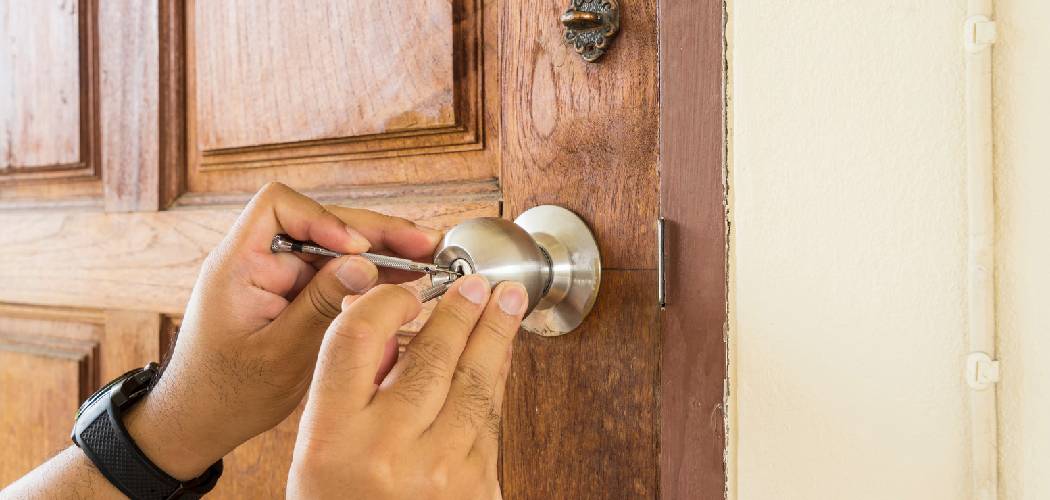
It’s a scenario many of us have faced: the click of a door shutting, followed by the sinking realization that the keys are on the wrong side. Getting locked out of your own home can be frustrating, stressful, and sometimes costly if you need to call an emergency locksmith. While lock picking is often associated with something sinister in movies, it’s a practical skill with legitimate applications.
Learning how to pick door locks can be a lifesaver in an emergency, a fascinating hobby, or simply a way to better understand the mechanics of the security devices we rely on daily. This guide will walk you through the basics in a responsible and ethical way, focusing on the knowledge itself rather than its misuse.
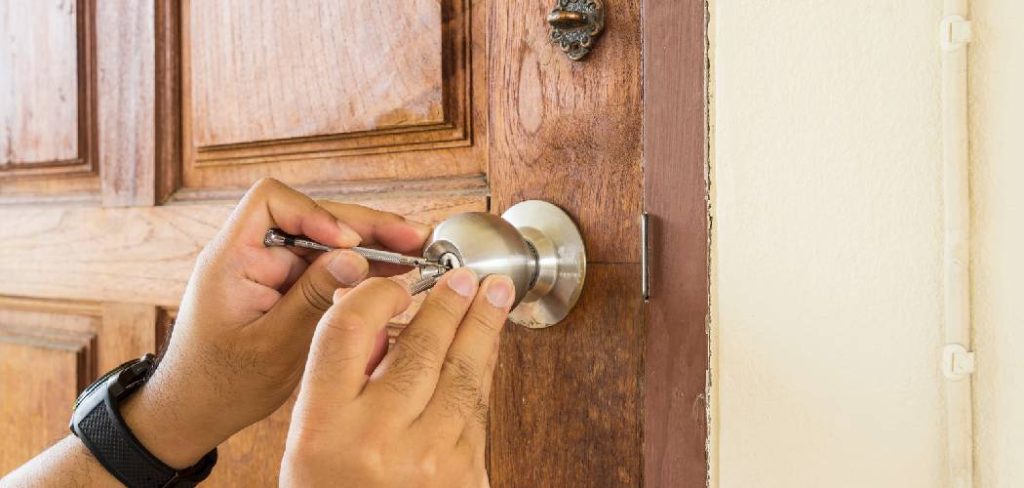
It’s important to state this upfront: this information is for educational purposes only. You should only ever attempt to pick a lock that you own or have explicit permission to open. Practicing on locks you’ve purchased for this purpose is the best way to develop your skills legally and ethically. With that understanding, let’s explore the delicate art of lock picking.
Step-by-Step Guide to Picking a Lock
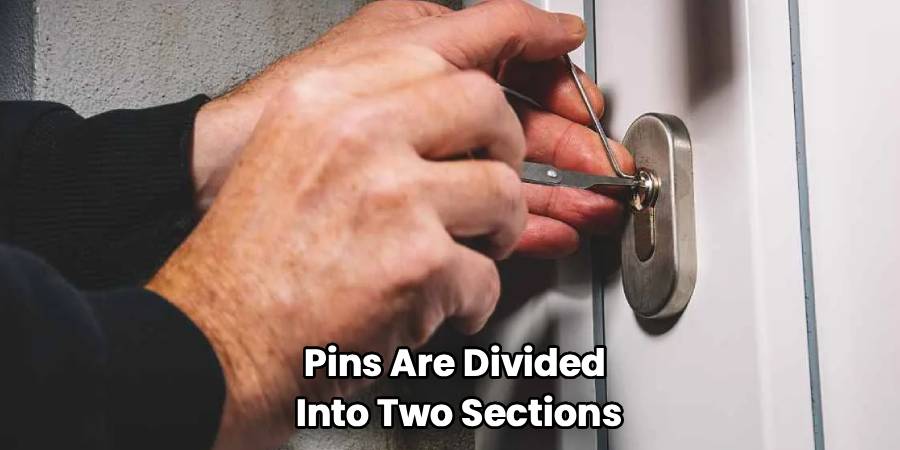
The most common type of lock you’ll encounter on a residential door is the pin tumbler lock. It consists of a cylinder that must rotate to retract the bolt, and a series of spring-loaded pins that prevent it from turning. These pins are divided into two sections: key pins (bottom) and driver pins (top). When the correct key is inserted, its unique jagged edge lifts the pins so that the break between the key pins and driver pins aligns perfectly with the edge of the cylinder, or the “shear line.” This allows the cylinder to turn. Our goal is to replicate this process without the key.
Before you begin, you’ll need a few basic tools. A standard lock pick set usually includes a tension wrench and various picks. The tension wrench is a small L-shaped tool used to apply slight rotational pressure to the lock cylinder. The picks are used to manipulate the pins inside. For beginners, a simple hook pick is often the most effective tool to start with.
Step 1: Insert the Tension Wrench
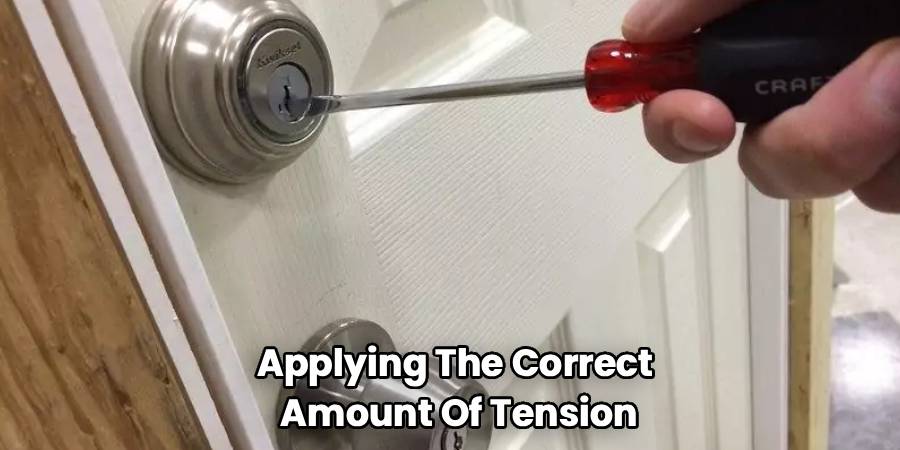
The first and most crucial step is applying the correct amount of tension. Insert the short end of your tension wrench into the bottom of the keyway. Apply gentle, steady rotational pressure in the direction you would normally turn the key to unlock the door. The amount of tension is critical. Too much, and the pins will bind up completely. Too little, and the pins you set will just fall back into place. It’s a delicate balance that you’ll develop a feel for with practice. This constant, light pressure is what will allow the driver pins to “set” at the shear line.
Step 2: Identify the Binding Pin
While maintaining tension, insert your pick into the keyway, with the hook facing the pins at the top of the lock. Your goal now is to find the “binding pin.” Because of tiny imperfections in the lock’s manufacturing, one pin will be slightly tighter than the others when tension is applied. This is the first pin you need to set. Gently probe each pin, from back to front, feeling for the one that offers the most resistance. It will feel stiff and hard to move, while the others will feel springy.
Step 3: Set the Pin
Once you’ve found the binding pin, position the tip of your hook pick underneath it. Slowly and carefully, lift the pin until you feel or hear a faint “click.” This sound indicates that the driver pin has cleared the shear line and is now resting on top of the cylinder. When this happens, the cylinder will rotate ever so slightly. This tiny rotation is your confirmation that the pin is set. Congratulations, you’ve just set your first pin! Now, the tension from the wrench will hold that driver pin in place, preventing it from falling back down.
Step 4: Repeat the Process for Remaining Pins
Now, you simply repeat the process. With tension still applied, probe for the next binding pin. One of the other pins will now be the one with the most resistance. Find it, carefully lift it until it clicks, and feel the slight turn of the cylinder. Continue this process, finding and setting one binding pin at a time.
The order of the binding pins is different for every lock, so you have to feel your way through it each time. It might be the first pin, then the fourth, then the second, and so on. Be patient and methodical. If you apply too much pressure and a pin gets stuck, you may need to release the tension slightly to free it up before trying again.
Final Steps for How To Pick Door Locks
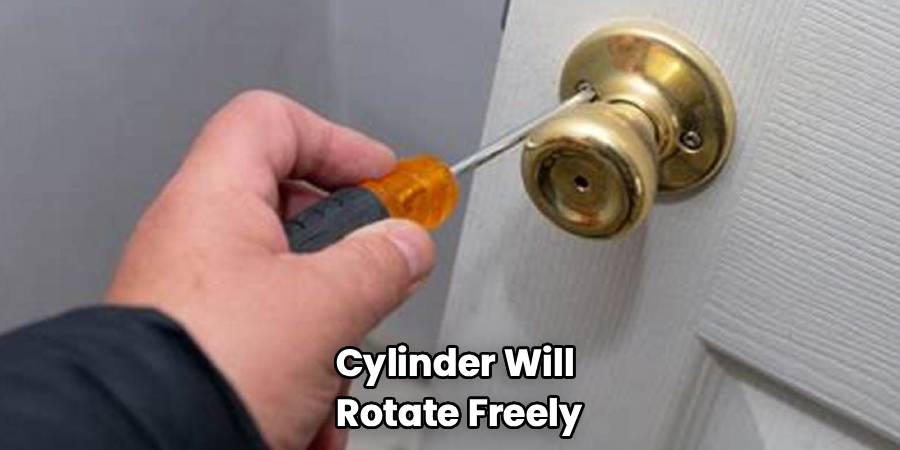
After you’ve successfully set the last pin, the lock will give way. The tension wrench will suddenly turn much further, and the cylinder will rotate freely, just as if you had used the key. At this point, you have successfully learned the fundamental steps for how to pick door locks. You can now turn the cylinder completely to retract the latch and open the door. The key is patience. It’s a skill that requires a delicate touch and a good sense of feel, something that only comes with practice on different types of locks.
Frequently Asked Questions
Here are some common questions people have about lock picking.
Is It Legal to Own Lock Picks?
The legality of owning lock picking tools varies significantly by location. In many places, it is perfectly legal to own lock picks. However, laws often center on intent. If you are found with lock picks in your possession while committing a crime, they are almost always considered “burglary tools,” which carries severe legal penalties. Some states have stricter laws requiring you to have a legitimate reason, such as being a licensed locksmith, to carry them. Always check your local and state laws to ensure you are in full compliance before purchasing or carrying lock pick sets.
What Is the Easiest Type of Lock to Pick?
Generally, cheaper, mass-produced pin tumbler locks are the easiest to pick for a beginner. These locks often have more manufacturing flaws and looser tolerances, which makes it easier to feel the binding pins and set them. Padlocks are a great place to start practicing. More expensive, high-security locks are significantly harder to pick. They often include security features like spool pins, mushroom pins, or serrated pins, which are designed to give false feedback and trick you into thinking a pin is set when it isn’t.
Can Lock Picking Damage a Lock?
When done correctly, lock picking should not damage a lock. The process simply mimics the action of a key by lifting the pins to the shear line. However, if you are too aggressive, you can cause damage. Using excessive force with the tension wrench can bend or break the tool inside the lock, or even damage the cylinder itself. Similarly, being too rough with the pick can scratch the internal components or bend the pins. The key is to be gentle and patient. If something isn’t moving, applying more force is rarely the right answer.
What Is Raking?
Raking is another common lock picking technique that is often faster but less precise than single-pin picking (the method described above). Instead of setting pins one by one, raking involves inserting a rake-style pick (like a “snake” or “city” rake) all the way to the back of the lock. While applying light tension, you “rake” the pick rapidly in and out across the pins. The goal is to bounce the pins randomly until, by chance, they all happen to align at the shear line simultaneously. Raking is effective on simpler locks but is less likely to work on locks with more complex security features.
Conclusion
Understanding how to pick door locks is a valuable skill that demystifies a common piece of technology and can empower you in a lockout situation. By learning to methodically apply tension and set pins one by one, you can open a standard lock without the original key. This skill requires patience, a delicate touch, and a commitment to ethical practice. Remember to only practice on locks you own and to research your local laws regarding the possession of lock picking tools. With the right approach, you can turn a moment of potential panic into a problem you can solve on your own.