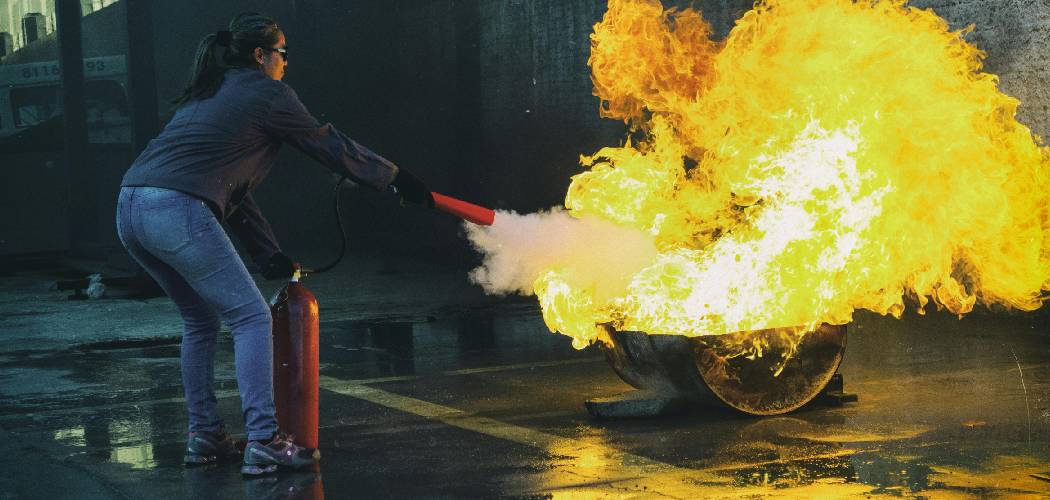
The easiest way to remember how to properly use a fire extinguisher is to follow the PASS method: Pull the pin, Aim at the base, Squeeze the handle, and Sweep from side to side. Understanding this simple technique can make a significant difference when facing a small household emergency. Many homeowners keep safety equipment under their sinks or in the garage, but they rarely practice or review the instructions until a situation arises.
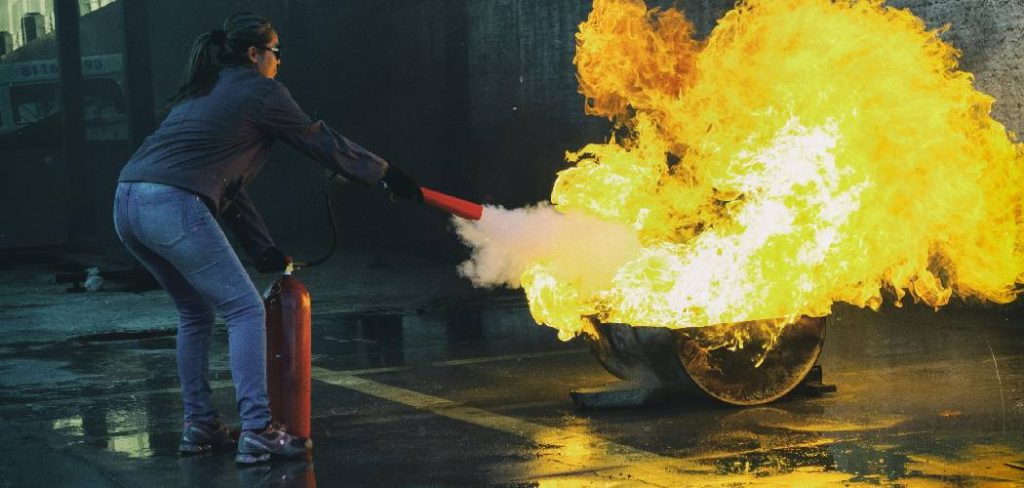
Having the right tool is only the first part of home safety; knowing exactly how to handle it with confidence is what truly protects your space. This clear, step-by-step guide will help you understand how to approach a small fire safely, effectively, and without confusion so you can protect your home and loved ones.
Why This Task Matters
Understanding how to operate this essential safety device matters because small household fires can grow surprisingly fast. A cooking mishap, a tipped candle, or an overheated electrical outlet can escalate in a matter of minutes. By knowing the correct way to respond, you can stop a minor accident from causing serious damage to your property.
The most common reason people struggle during a fire is simply a lack of familiarity with their equipment. When you understand the basic mechanics and the correct sequence of actions, you replace uncertainty with practical action. This knowledge gives you the confidence to assess a situation calmly and decide whether it is safe to intervene or time to evacuate. Taking a few moments now to learn these steps ensures you are prepared to act quickly, safely, and efficiently if a small fire ever breaks out in your home.
Tools or Materials You May Need
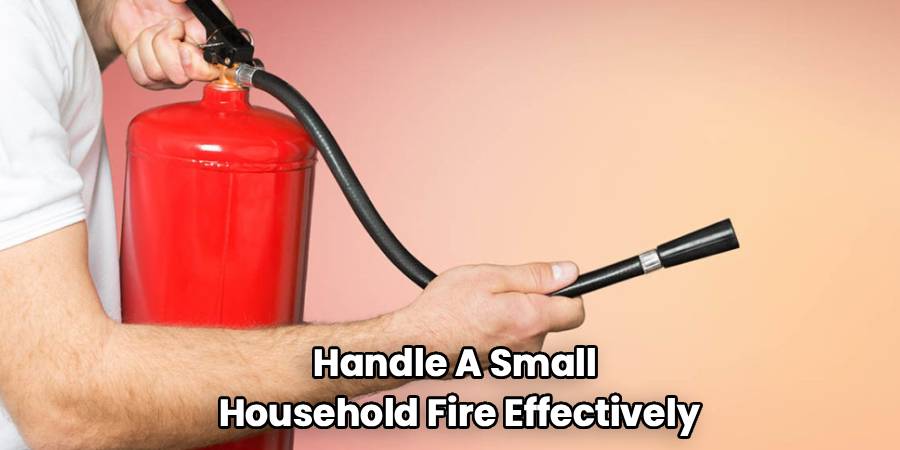
To handle a small household fire effectively, you only need a few basic items. Keep these materials accessible in key areas of your home, such as the kitchen, garage, and near primary exits.
- A standard ABC multipurpose fire extinguisher
- A clear, unobstructed path to an exit door
- A working smoke alarm to alert others in the home
- Heat-resistant safety gloves (optional, for added convenience and protection)
- A mobile phone to contact emergency services
You do not need specialized tactical gear to address a small home emergency. Focus on keeping a reliable, fully charged extinguisher within easy reach. The most important tool you have is a clear, calm understanding of your surroundings and your equipment.
Before You Begin
Start with the safest and simplest check. Before you even touch the device, confirm that everyone else in the house is evacuating and that emergency services have been called. Next, quickly check the pressure gauge on your device to ensure the needle is pointing in the green zone. If the needle is in the red, the unit may not have enough pressure to work correctly.
Before you begin, make sure you have a clear, safe escape route directly behind you. Never put the fire between yourself and your only way out. For safety, turn off power or gas at the source only if you can do so quickly and without putting yourself at risk. If the flames are spreading rapidly or the room is filling with thick smoke, do not attempt to fight it. Evacuate immediately.
Step-by-Step Guide to How to Properly Use a Fire Extinguisher
Step 1 – Evaluate the Situation and Secure Your Escape Route
Start with the safest and simplest action. Stand a safe distance away from the flames and take a moment to assess the size of the fire. You should only proceed if the fire is small, contained to a single object like a trash can or a small pan, and not spreading.
Ensure that your back is facing a clear, unobstructed exit. You must always have a safe way to leave the room if the situation changes suddenly. If the fire is already reaching the ceiling, or if thick, dark smoke is filling the space, do not try to use the device. Your safety is the priority. If the conditions are unsafe, turn around, leave the building immediately, and wait for emergency responders outside.
Step 2 – Pull the Pin to Unlock the Operating Lever
Once you have determined it is safe to proceed, hold the device by the bottom carrying handle. Look at the top of the handle mechanism. You will see a metal or plastic ring attached to a pin, which prevents the lever from being pressed accidentally.

Grip the ring firmly and pull the pin straight out. You may need to break a small, thin plastic tamper seal as you pull, which is completely normal and designed to snap easily. Do not squeeze the top operating lever while pulling the pin, as this puts pressure on the pin and makes it very difficult to remove. Keep your hand strictly on the lower carrying handle during this step so the pin slides out smoothly and the device is ready.
Step 3 – Aim the Nozzle Directly at the Base of the Fire
With the pin removed, use your free hand to grasp the hose or the nozzle at the front of the unit. You need to direct the extinguishing agent exactly where the fuel source is located.
A common instinct is to aim high at the bright, moving flames, but doing this will not stop the fire. You must aim the nozzle low, pointing it directly at the base of the fire where the burning material actually sits. Whether it is burning wood, paper, or grease, targeting the bottom cuts off the oxygen and smothers the source. Stand about six to eight feet away from the fire. This distance keeps you safe from the heat while ensuring the chemical stream is strong enough to reach the base effectively.
Step 4 – Squeeze the Lever with a Firm and Steady Grip
Now that your nozzle is aimed at the correct spot, gently but firmly squeeze the top lever down toward the bottom handle. This action opens the internal valve and releases the pressurized extinguishing agent.
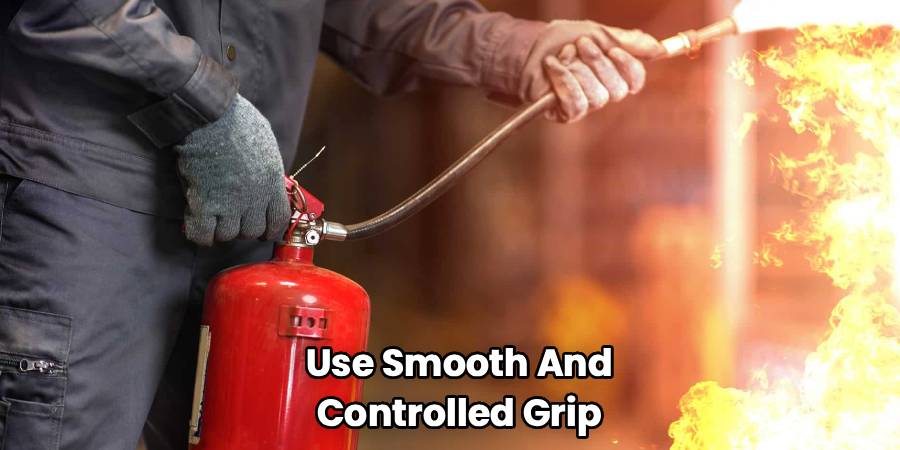
Use a smooth, controlled grip rather than a sudden jerk. You will likely hear a loud hissing sound, and the device may kick back slightly as the pressure releases. This is normal and expected. Keep the device upright as you squeeze; holding it at an extreme angle can prevent it from emptying correctly. If you release your grip on the lever at any point, the flow will stop immediately. Maintain steady pressure to ensure a continuous, effective stream of the extinguishing agent reaches the base of the fire.
Step 5 – Sweep the Nozzle from Side to Side
As you hold the lever down and the agent sprays out, move the nozzle in a slow, deliberate sweeping motion from side to side. Continue to keep your aim low, directly at the base of the burning material.
This sweeping action ensures that you cover the entire width of the fire, smothering all the fuel sources evenly. Do not rush the sweeping motion. Move steadily left and right, watching how the flames react to the spray. As the fire begins to die down, you can carefully take a step or two closer, but never compromise your safe distance or your exit path. Keep sweeping until the flames appear to be completely out and the extinguisher feels empty.
Step 6 – Back Away Safely and Observe the Area
Even if the flames seem to be completely extinguished, do not turn your back on the area. Fires can easily reignite if the heat source remains or if a small ember was missed.
Slowly back away toward your clear exit, keeping your eyes on the spot where the fire was. Watch closely for any signs of smoke thickening or flames flaring back up. If the fire reignites and your device is empty, leave the area immediately and wait for emergency services. If the fire stays out, leave the room, close the door behind you to isolate the area, and wait for the fire department to arrive. They will need to inspect the area to ensure there are no hidden hot spots behind walls or under cabinets.
Common Mistakes to Avoid
The most common reason people fail to extinguish a small fire is aiming at the flames instead of the base. When you spray the bright, visible part of the fire, the chemical agent simply passes through the air, completely missing the fuel source that is driving the heat. Always direct the spray at the bottom where the actual material is burning to cut off the oxygen and smother the hazard.
Another frequent mistake is standing too close or too far away. If you stand too close, the pressurized stream can actually splash burning grease or scatter burning embers, spreading the fire further. If you stand too far back, the chemical will not reach the target. Maintaining a distance of six to eight feet provides the best balance of safety and effectiveness.
Finally, using the wrong type of extinguisher can be dangerous. For instance, spraying a water-based unit on a grease fire will cause the hot oil to explode outward, making the situation much worse. This is why keeping a multipurpose ABC extinguisher in your home is the best approach for beginners, as it safely handles ordinary combustibles, flammable liquids, and electrical fires without requiring you to guess the fire type in a stressful moment.
Safety Warnings
Always prioritize human life over property. If a fire is spreading quickly, producing thick, dark smoke, or generating intense heat that makes it difficult to breathe or open your eyes, do not continue. Drop the equipment and evacuate the home immediately. Toxic smoke inhalation is often more dangerous than the flames themselves, and a room can become hazardous in a matter of seconds.
Never use an extinguisher if you do not have a clear, safe exit directly behind you. Fires can shift direction rapidly, and you must never allow yourself to become trapped. Additionally, be very careful when dealing with electrical fires. For safety, turn off power before attempting to extinguish the flames if you can reach the breaker panel safely. Never use water on an electrical fire, as water conducts electricity and creates a severe shock hazard.
When to Call a Professional
Call a professional immediately by dialing 911 the moment a fire breaks out, even if you plan to handle it yourself. It is always better to have fire crews on the way just in case the situation grows out of your control.
Once a fire has been put out, you still need to have the fire department inspect your home. Hidden embers can smolder inside walls, air ducts, or under floorboards, eventually reigniting hours later. Call a professional to safely ventilate the home, verify the structural safety, and confirm the hazard is entirely eliminated. Additionally, contact a certified technician to replace or recharge your extinguisher, as even a partially used unit will lose its pressure and be useless in the future.
Expert Tips
To keep your equipment in perfect working order, check the pressure gauge once a month. Make sure the needle is resting firmly in the green section. If it drops into the red, it needs to be replaced or serviced immediately.
Once every few months, take the canister off the wall and gently turn it upside down a few times. The chemical powder inside can settle and pack down tightly at the bottom over time. Shaking it lightly keeps the powder loose and ready to flow. Also, consider the placement of your devices carefully. Mount them on brackets near room exits rather than hiding them deep inside cabinets or close to stoves where a fire might physically block you from reaching them.
Frequently Asked Questions
How long does a standard fire extinguisher last when sprayed?
A standard household fire extinguisher usually empties very quickly. Most models designed for home use will only spray continuously for about 10 to 20 seconds. This is why it is critical to aim accurately at the base of the fire and use the sweeping motion efficiently to maximize the short amount of time you have.
Can I practice using my fire extinguisher?
You should not practice by discharging a real unit, as even a quick squeeze breaks the seal and causes the pressure to leak out over time. Instead, practice the PASS method mentally. You can also look for local fire departments or community safety programs that offer hands-on training sessions using practice equipment.
Does a fire extinguisher expire?
Yes, they do lose pressure and effectiveness over time. Most disposable household models have a lifespan of about 10 to 12 years. Always check the manufacturer’s label for an exact expiration date, and inspect the pressure gauge monthly. If the needle is in the red, or if the canister is dented or rusted, replace it immediately.
What does the ABC rating mean?
The ABC rating tells you what types of fires the unit can safely extinguish. “A” is for ordinary combustibles like wood and paper. “B” is for flammable liquids like grease or oil. “C” stands for electrical fires. A multipurpose ABC unit is highly recommended for homes because it safely covers all three common hazards.
How do I clean up the powder after using it?
Once the fire department clears the home and it is safe to enter, wear a dust mask and gloves. Sweep up the bulk of the dry chemical powder using a broom and dustpan. Avoid using a standard household vacuum right away, as the fine powder can ruin the motor. Wipe surfaces down with a damp cloth and mild soap.
Conclusion
Knowing how to properly use a fire extinguisher is one of the most practical and reassuring steps you can take to protect your home. By familiarizing yourself with the simple PASS method—Pull, Aim, Squeeze, and Sweep—you take the guesswork out of a stressful situation. Remember that your safety always comes first. If a fire grows too large, produces thick smoke, or blocks your exit, the best action is always to leave the house immediately and let emergency responders handle it.
We encourage you to take five minutes today to locate the extinguishers in your home, check their pressure gauges, and review their labels. Simple preparation is the foundation of a safe, comfortable home. If your unit is expired, or if you do not currently have one, take the safest next step and purchase a new multipurpose ABC model to place near your kitchen or primary exit.