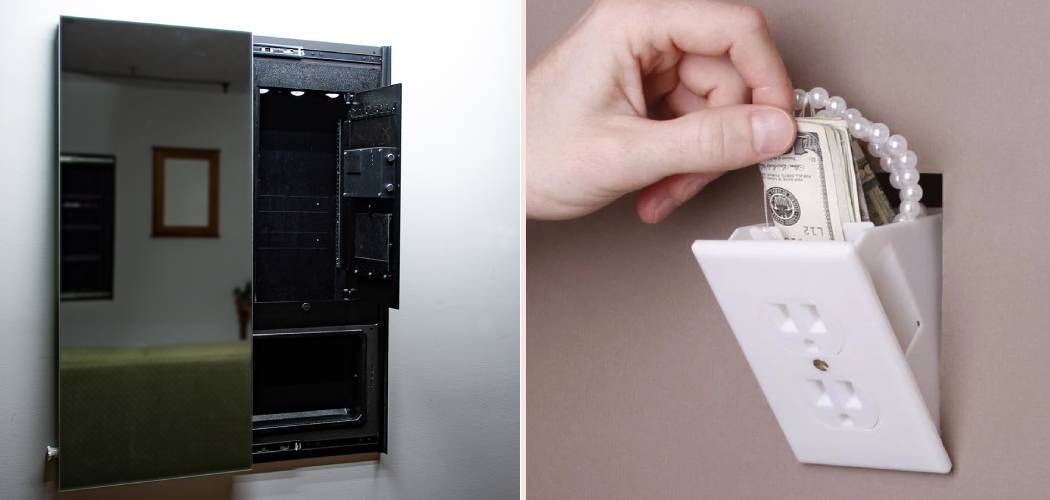
There’s something incredibly satisfying about having a secret spot in your home that nobody else knows about. Maybe you grew up watching spy movies where someone tilts a book on a shelf and a secret panel slides open, revealing a stash of gold bars or classified documents. While we might not all be international spies, the desire to protect our valuables is universal. Installing a wall safe is a fantastic way to secure jewelry, cash, important documents, or even digital backups. But simply installing it isn’t enough; the real trick is making it invisible to the average observer.
Learning how to hide a safe in a wall effectively can turn a standard security measure into a nearly undetectable vault. If a burglar can’t find it, they can’t crack it. It’s that simple. In this guide, we are going to walk through the practicalities of installation, but more importantly, we are going to dive deep into the art of concealment. We’ll move beyond the cliché “painting hanging over the safe” trick and explore clever, modern ways to keep your belongings secure right under everyone’s nose.
Why Wall Safes Are a Smart Security Move
Before we get our hands dirty with drywall dust, let’s talk about why you’re doing this. Floor safes are great, but they require serious construction work to install properly into concrete. Freestanding safes are heavy, but unless they are bolted down with industrial-grade hardware, a determined thief with a dolly can simply wheel them out the door.
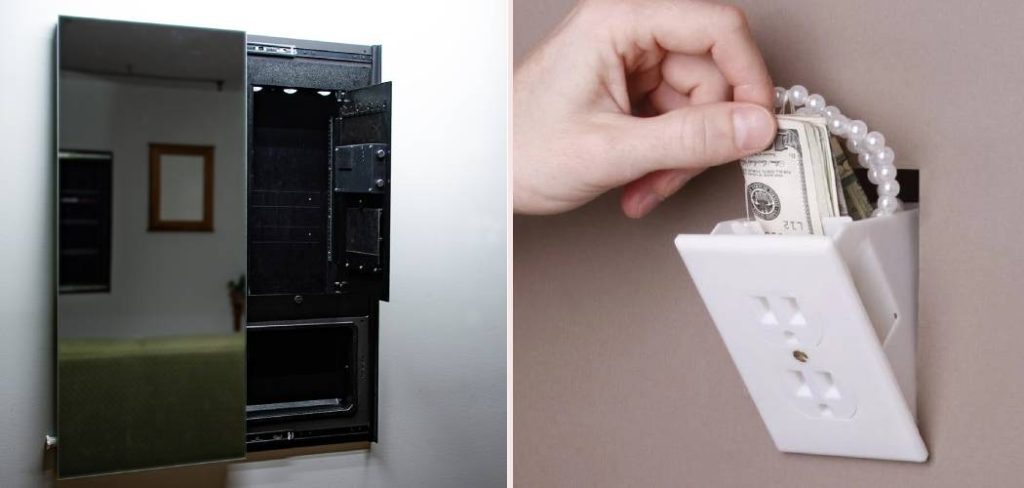
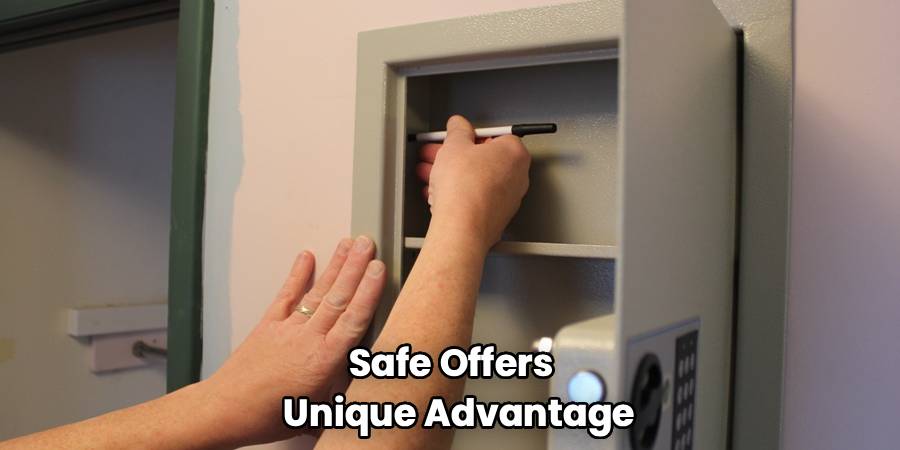
A wall safe offers a unique advantage: it leverages the structure of your home for protection. It’s bolted into the studs, making it difficult to pry loose. But its biggest strength is camouflage. Because it sits flush with the wall, it offers endless opportunities for “concealing a safe in a wall” using everyday items. You aren’t just locking your stuff away; you are hiding it in plain sight.
The Art of Concealment: Thinking Like a Thief
To hide something well, you have to think like the person looking for it. Burglars are usually in a hurry. They want to get in and out in less than ten minutes. They check the obvious spots first:
- The master bedroom closet
- Under the mattress
- Free-standing jewelry boxes
- The freezer (yes, people still do this)
- Behind obvious wall art
If you want to beat them, you have to be smarter than the clichés. You need hidden wall safe ideas that blend seamlessly into the room’s decor. A safe shouldn’t look like a safe; it should look like a vent, an electrical outlet, or just a blank section of a wall covered by a heavy mirror.
Step-by-Step Guide to Installation and Concealment
This section will guide you through the process, from cutting the drywall to the final creative touches of hiding your work. This isn’t just about putting a metal box in a hole; it’s about integrating security into your home’s design.
Step 1: Choosing the Perfect Location
The first mistake people make is putting the safe where it’s most convenient for them, rather than where it’s most secure. The master bedroom is the first place a thief looks, so try to avoid the obvious walls right next to the bed.
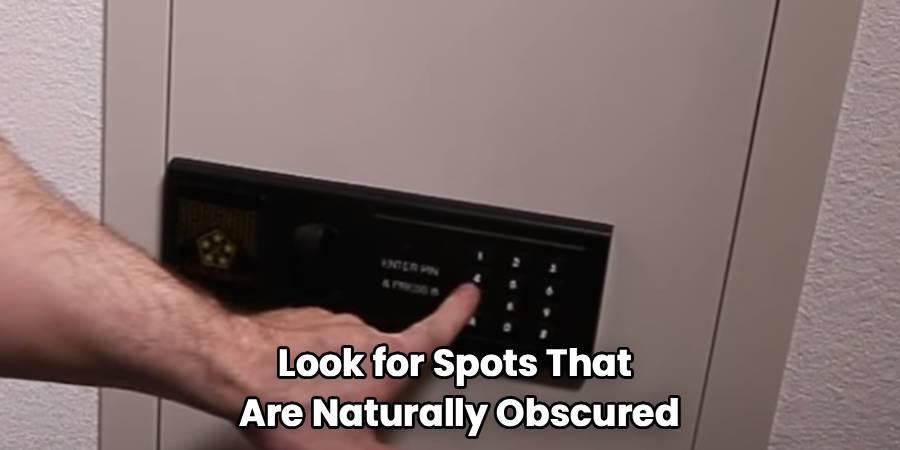
Look for spots that are naturally obscured. A wall inside a pantry, behind a hanging coat rack in a mudroom, or even inside a guest bedroom closet is far less likely to be scrutinized than the master suite. You also need to check for studs. most wall safes are designed to fit between standard studs spaced 16 inches on center. Use a stud finder to locate the beams and ensure there are no electrical wires or plumbing pipes running through that specific cavity.
Step 2: Cutting the Opening and Securing the Safe
Once you have your spot marked, it’s time to cut. Trace the template provided with your safe onto the wall. Using a drywall saw, carefully cut out the section. Don’t throw this piece of drywall away yet—you might need it for color matching paint later.
Slide your safe into the opening. It should be a snug fit. If there are gaps, you may need to shim the sides. Once it is level, open the safe door and use the pre-drilled holes to bolt the safe into the studs on either side. This is the moment where the physical security happens. Use heavy-duty lag bolts. You want the safe to feel like it is part of the house’s skeleton.
Now, regarding how to hide a safe in a wall during this phase: consider the depth. If you can recess the safe slightly deeper than the drywall surface, you give yourself more room for concealment covers like false air returns or mirrors.
Step 3: Concealment Method A — The “Picture Frame” Upgrade
We all know the trick of hanging a picture over a safe. To make this effective, it cannot look like a temporary covering.
Instead of just hanging a picture on a nail, consider installing the picture on a hinge system or heavy-duty drawer slides. This makes accessing the safe easier for you but keeps the artwork firmly attached to the wall, which prevents it from swinging when a door slams—a dead giveaway that something is behind it. Use a heavy, boring piece of art rather than something expensive that a thief might want to steal for its own value.
Step 4: Concealment Method B — The False Air Return Vent
This is one of the best ways to hide a wall safe because it exploits human psychology. Nobody looks twice at an air vent.
You can buy kits specifically for this, or make one yourself. Essentially, you place the safe in the wall, and instead of covering it with art, you mount a standard HVAC return grille over it. To access the safe, you simply unscrew the grille or use a magnetic latch system to pop it off. Because vents are typically found near the floor or high up on walls, this allows for placement in areas thieves rarely check.
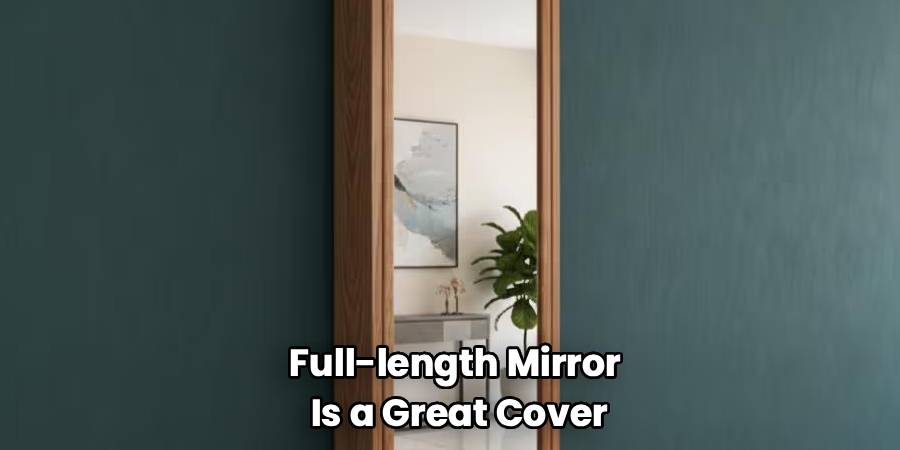
Step 5: Concealment Method C — The Full-Length Mirror
A heavy, full-length mirror is a great cover because it is functional. If you bolt a mirror to the wall, nobody assumes it opens.
You can mount a full-length mirror on heavy-duty piano hinges. When closed, it looks like a standard dressing mirror bolted to the wall. When you pull the hidden latch, the entire mirror swings away to reveal the safe behind it. This works exceptionally well in walk-in closets where mirrors are expected.
Step 6: Finishing Touches and False Leads
Once your safe is installed and hidden, consider adding a decoy. A small, cheap, fire-resistant box placed in a somewhat obvious location (like the master closet shelf) with a little bit of cash and some unimportant papers can act as a “sacrifice.” A thief finds the decoy, thinks they’ve scored, and leaves, missing the real treasure hidden behind the air vent in the hallway.
Creative Inspiration: Beyond the Basics
If you really want to get creative with hidden wall safe ideas, look around your house for “dead space.”
The Kitchen Pantry:
Most pantries have deep shelves filled with cereal boxes and canned goods. Installing a safe behind a row of canned beans is brilliant. Nobody robs a pantry. You can even create a false back to a cabinet shelf that slides out.
The Child’s Room:
Thieves rarely toss a kid’s room. A safe hidden behind a poster or a bookshelf in a child’s messy room is incredibly secure simply due to the “mess factor.”
The Fuse Box:
You can purchase a “fake” electrical panel. It looks exactly like a standard gray breaker box, but when you open the latch, there are no breakers—just your safe. This is extremely effective in garages or basements where fuse boxes are common.
Frequently Asked Questions
When people start looking into wall safe installation tips, they often have similar concerns about fire ratings, locking mechanisms, and the actual security of drywall construction.
Are wall safes fireproof?
Generally, wall safes offer less fire protection than heavy floor safes. Because they are installed inside a wall, they are surrounded by drywall and wood studs, which don’t offer the same insulation as thick concrete. However, many high-quality wall safes do come with fire ratings. Look for UL-rated safes that offer at least 30 to 60 minutes of protection. If fire protection is your main goal, you might need to prioritize that over concealment, or ensure you are buying a premium model designed with extra insulation.
Can I install a wall safe myself?
Absolutely. If you are comfortable using a stud finder, a level, a drywall saw, and a drill, you can do this. It is a moderate DIY project. The most difficult part is ensuring you don’t cut into wires or pipes. If you are unsure about what is behind your walls, it is worth hiring a handyman or a contractor to do the initial cut and verification.
What is the best type of lock for a hidden safe?
This depends on your preference for speed versus reliability. Biometric (fingerprint) locks are fast and great for quick access, but they require batteries and can sometimes be finicky with wet or dirty fingers. Electronic keypads are reliable and easy to use in the dark if they are backlit. Old-school combination dial locks are the most reliable long-term (no batteries to die), but they are slow to open and can be tricky to operate under stress. For a hidden safe, a flat electronic keypad is usually best because it doesn’t protrude as much as a dial, making concealment easier.
How do I remember the combination if I hide the safe too well?
It sounds funny, but “out of sight, out of mind” is a real problem. If you hide your safe so well that you rarely use it, you might forget the code. Do not write the code on a sticky note next to the safe. Use a password manager on your phone, or write the code down in a totally different location, like inside a cookbook in your kitchen or disguised as a phone number in your address book.
Is a wall safe better than a floor safe?
They serve different purposes. A floor safe installed in concrete is generally more secure against brute-force attacks and fire. However, they are susceptible to water damage (flooding) and are harder to access quickly. A wall safe is better for convenience, protection from flooding, and—crucially—concealment. It is much easier to hide something at eye level behind a mirror than it is to hide a safe in the floor under a rug without creating a lump.
What if my walls have metal studs?
Most residential homes use wood studs, but some newer apartments or condos use metal. You can still install a wall safe, but you will need to use different hardware. Instead of lag bolts, you will likely need toggle bolts or specialized metal screws to secure the safe to the metal framing. You may also need to add wood blocking inside the metal studs to give the bolts something substantial to grip.
Read More: How To Open A Gardall Combination Safe
Conclusion
How to hide a safe in a wall is a project that combines home improvement with a touch of spy craft. By taking the time to install your safe properly and, more importantly, concealing it with creativity, you drastically increase the security of your valuables. Remember, the strongest lock in the world is useless if a thief has hours to work on it, but a thief cannot break into what they cannot find.
Whether you choose a false air vent, a swinging mirror, or a hidden spot in the pantry, the goal is to blend security into your daily life. Take the weekend to plan your spot, buy a quality safe, and install it right. The peace of mind you’ll get from knowing your most important items are invisible to the world is well worth the effort.