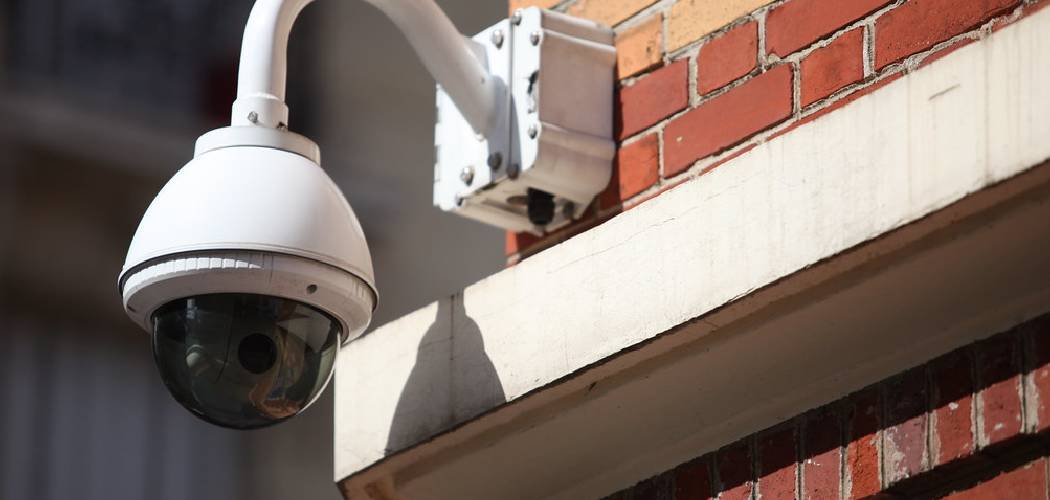
You’ve got your home security system all picked out. Maybe it’s a shiny new wireless model or a robust wired setup. But now, you’re staring at it and realizing something important: a giant camera lens staring down visitors might not be the welcoming vibe you were going for. Or perhaps you just don’t want potential intruders to know exactly where your blind spots are. Learning how to hide a security camera is about finding that sweet spot between effectiveness and discretion. It’s not about being sneaky in a bad way; it’s about keeping your home safe without turning it into a fortress that looks like a high-security prison.
In this guide, we’re going to walk through practical, creative ways to tuck those cameras away so they blend seamlessly into your life. Whether you are trying to keep an eye on the nanny, watch out for porch pirates, or just want peace of mind without the visual clutter, we’ve got you covered.
Step-by-Step Guide to Concealing Your Cameras
Hiding a camera isn’t just about shoving it behind a book. You need to make sure the lens still has a clear view and that the signal (if wireless) can still get through. Here is a practical approach to getting your surveillance undercover.
Step 1: Scout the Best Locations for Discreet Camera Placement
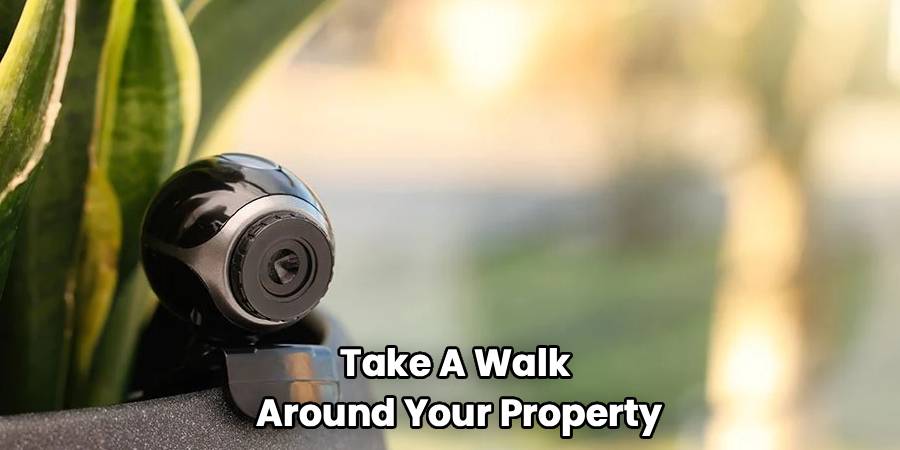
Before you start drilling holes or buying camouflage skins, take a walk around your property. You need to think like a director scouting a movie location. You want high vantage points that offer a wide field of view but are naturally out of the direct line of sight.
Look for areas that already have visual “noise.” A bare white wall makes a black camera pop. However, a bookshelf filled with knick-knacks, a dense tree canopy, or a garage shelf cluttered with tools offers natural camouflage. The goal here is to find spots where a camera becomes just another object in the background. Remember, how to hide a security camera effectively starts with choosing a spot where people naturally don’t look, like high up in corners or amidst complex textures.
Step 2: Leverage Everyday Objects for DIY Hidden Camera Ideas
This is where you can get creative. You don’t always need to buy a specialized “spy” camera. Often, standard cameras can be hidden inside common household items. This is especially true for wireless hidden cameras that don’t need a power cable running to an outlet constantly.
For indoor setups, consider hollowed-out books, tissue boxes, or even fake plants. You can place a small camera inside the foliage of a faux ficus tree in the living room. The leaves break up the outline of the device, making it nearly invisible unless someone is inspecting the plant closely. For outdoors, birdhouses are a classic choice. With a little modification, a standard wooden birdhouse can host a small lens peeking out of the entry hole. It’s charming, unassuming, and sits perfectly at face level for capturing video.
Step 3: Use Skins and Paint for Camouflage
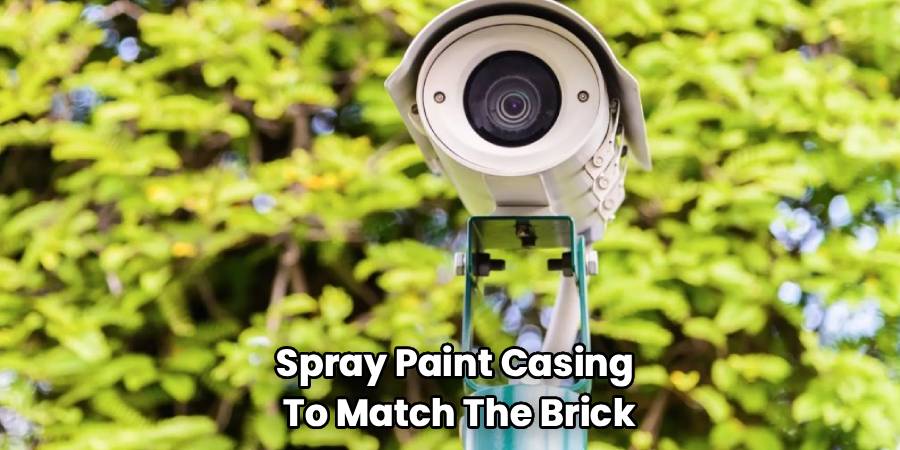
Sometimes you can’t put the camera inside something, but you can make it blend in. Many manufacturers offer silicone skins for their cameras in various colors—black, camouflage, or beige. If you can’t find a skin, you might consider a DIY paint job.
If you are placing a white camera against a red brick wall, it’s going to stick out like a sore thumb. Mask off the lens carefully with painter’s tape and spray paint the casing to match the brick. Or, if it’s going in a tree, paint it a mottled brown and green. Just be careful not to cover microphones or sensors. This simple step can make a massive difference in how visible the device is from a distance.
Step 4: Hide the Wires (The Dead Giveaway)
Nothing screams “security camera here!” louder than a white cable trailing down a wall. Even if the camera itself is hidden inside a birdhouse, a wire running up the tree trunk ruins the illusion.
If you are using wired cameras, you have to be diligent about cable management. Run cables along the trim of your house, tuck them behind siding, or bury them in PVC pipes underground. Painting the cables to match the wall or baseboard they run along is another effective trick. If hiding wires sounds like too much of a headache, this is a strong argument for investing in wireless hidden cameras. They rely on batteries and Wi-Fi, eliminating the tether that often gives away a camera’s position.
Step 5: Test Your View and Lighting
You’ve found the perfect hiding spot inside a decorative lantern on the porch. It looks great—totally invisible. But does it work?
Before you permanently mount anything, check the live feed on your phone. Enclosed spaces can sometimes cause infrared (IR) reflection issues at night. This happens when the camera’s night vision light bounces off the enclosure (like the glass of the lantern) and blinds the lens, resulting in a washed-out white image. Make sure the lens is flush against any glass or opening to minimize reflection. Also, ensure your “hiding spot” doesn’t block the Wi-Fi signal. A metal box might hide the camera well, but it turns into a Faraday cage that blocks your video feed.
Step 6: How To Hide A Security Camera Behind a Window
Placing a camera indoors pointing out through a window is a popular tactic because it protects the device from the weather and makes it easier to access. However, window glare is a major enemy here.
To make this work, you need to eliminate the gap between the lens and the glass. You can use black electrical tape to create a seal around the lens against the window, blocking out the interior room light. Turn off the camera’s status lights (the little LED that blinks) in the settings so it doesn’t reflect in the glass. Also, disable the camera’s IR night vision light, as it will just reflect off the window pane. Instead, rely on outdoor motion sensor lights to illuminate the yard so the camera can see in standard mode.
Step 7: Use High Elevations
The simplest way to hide something is often just to put it where people don’t look: up. We are naturally inclined to look at eye level or down at our feet to see where we are walking. We rarely crane our necks to look at the soffits of a roof or the top of a high bookshelf.
Mounting a small, bullet-style camera high up under the eaves of your roof provides excellent weather protection and makes the camera hard to spot from the ground. It also gives you a wide, bird’s-eye view of your property. Just ensure you have a ladder handy for when you need to change batteries or clean the lens.
Step 8: Decoys and Distractions
This is a bit of psychological warfare. If you really want to hide your working camera, place a dummy camera in a more obvious location nearby.
An intruder might spot the fake camera, think they have identified the security measure, and avoid it—walking right into the field of view of your well-hidden real camera. It works on the principle that once we find the “answer” (the visible camera), we stop looking for more. Just make sure your hidden camera covers the blind spot of the decoy.

Frequently Asked Questions
Is it legal to hide security cameras?
Generally, yes, it is legal to hide security cameras on your own property. You have the right to monitor your own home for security purposes. However, there are crucial exceptions. You cannot place cameras in areas where people have a “reasonable expectation of privacy,” such as bathrooms or bedrooms (unless it’s a baby monitor).
Furthermore, audio recording laws vary significantly by state. Some states require “two-party consent,” meaning you can’t record audio conversations without the knowledge of everyone involved. It’s always best to check your local laws to avoid getting into trouble, especially if you plan to use the footage for legal purposes later.
Will hiding my camera affect the video quality?
It can if you aren’t careful. The biggest risks are obstructed views and night vision glare. If you hide a camera inside a bookshelf, make sure a book isn’t blocking the peripheral vision.
As mentioned earlier, hiding a camera behind glass or inside an enclosure can cause the infrared lights to reflect back into the lens, washing out the image at night. To avoid this, disable the camera’s built-in IR lights and use external motion-activated lighting to light up the scene. This actually often results in better quality, full-color night video compared to the black-and-white IR mode.
Do wireless hidden cameras need internet?
Most modern wireless hidden cameras rely on Wi-Fi to stream video to your phone and send alerts. If the Wi-Fi goes down, you lose the live feed. However, many models have a local storage option, like a microSD card slot.
If the internet cuts out, these cameras can usually continue recording to the card, so you won’t miss the event—you just won’t get the instant notification. There are also cameras that run on 4G LTE cellular data (like trail cameras), which don’t need Wi-Fi at all, making them perfect for remote locations or the far corners of a large property.
Can I hide a camera in a plant?
Absolutely. This is one of the most effective DIY hidden camera ideas. Artificial plants work best because you don’t have to water them (electronics and water don’t mix!) and the foliage is consistent.
You can nestle the camera body in the pot and have the lens peek through the leaves. Or, if the camera is small enough, you can attach it directly to a sturdy stem. Just ensure the leaves don’t blow in front of the lens if a fan is on or if it’s outside, as the constant motion will trigger false recording alerts and drain your battery quickly.
What are the best everyday objects to hide a camera in?
The best objects are ones that are boring. You want items that the eye glides over.
- Tissue boxes: Cut a small hole in the side for the lens.
- Books: Use a hollowed-out spine or place the camera between two books on a shelf.
- Smoke detectors: You can buy cameras built into fake smoke detectors, or modify an old non-functioning one.
- Air vents: Placing a camera inside an air vent grille offers a discreet view of a room.
- Toys: In a nursery or playroom, a camera hidden among stuffed animals is very unobtrusive.
How do I hide the glowing red light on my camera?
That little red light is the infrared (IR) LED for night vision. It’s a dead giveaway in the dark.
To hide it, you usually have two options. First, check your camera’s app settings. Many allow you to turn off the “status LED” (the blue or green power light). For the red IR light, you might have to disable “Night Vision” mode entirely. If you do this, remember you will need ambient light (like a porch light or street lamp) for the camera to see anything. Some people use a small piece of black electrical tape to cover the LED, but be careful not to cover the actual camera lens or light sensor.
Does hiding a camera make it overheat?
It’s a valid concern. Cameras are electronic devices that generate heat, and they need some airflow. If you wrap a camera tightly in a blanket or seal it in a small, airtight box, it could overheat and fail.
When using DIY hidden camera ideas, always leave some breathing room around the device. If you are putting it in a box, drill a few extra holes in the back for ventilation. Avoid placing hidden cameras in direct sunlight, especially if they are inside an enclosure, as the greenhouse effect can cook the electronics.
Conclusion
How to hide a security camera is less about spy craft and more about smart placement and leveraging the environment you already have. By using everyday objects, high angles, and a bit of creativity, you can secure your home without making it look like a guarded fortress. Remember that the goal is discreet camera placement that captures what matters—the faces of visitors, the delivery of packages, or the safety of your family—without becoming an eyesore or an intrusion.
Security works best when it fits naturally into your lifestyle. Whether you are painting a camera to match your siding, tucking a wireless unit into a birdhouse, or simply sliding a device onto a high bookshelf, these small adjustments make a big difference. You maintain the upper hand by keeping your security measures low-profile, and you keep your home looking like a home. So go ahead, take a look around your rooms and yard, and see where you can blend safety with subtlety. Your peace of mind (and your decor) will thank you.