That relentless, high-pitched chirping from your smoke detector is more than just an annoyance—it’s a critical alert. It’s the device’s way of telling you its battery is low and needs immediate attention. Keeping your smoke detector in working order is one of the simplest yet most important things you can do to protect your home and loved ones.
A functional smoke alarm can double your chances of surviving a house fire. This guide will walk you through the straightforward process of how to install smoke detector battery, ensuring your home’s first line of defense against fire is always ready.
Step-by-Step Guide to Changing Your Smoke Detector Battery
Changing a smoke detector battery is a quick task that anyone can handle. It typically takes less than five minutes and requires no special tools. Follow these simple steps to silence that chirp and restore your peace of mind.
Step 1: Gather Your Supplies
Before you start, it’s helpful to have everything you need within arm’s reach. This prevents you from having to go up and down a ladder multiple times. You will need:
- A sturdy step stool or ladder to safely reach the smoke detector.
- A new battery. Most smoke detectors use a 9-volt battery, but some newer models might use AA or AAA batteries. A few hardwired models have a specific backup battery pack. Check your device or its manual to be sure you have the correct type. It’s always a good idea to buy high-quality, long-lasting batteries.
- A soft cloth or a can of compressed air for a quick clean.
Step 2: Open the Smoke Detector
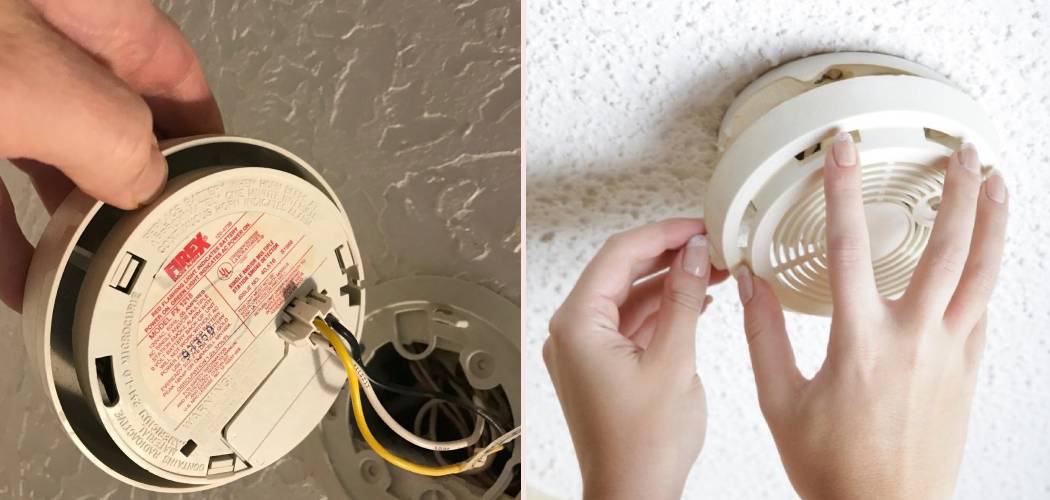
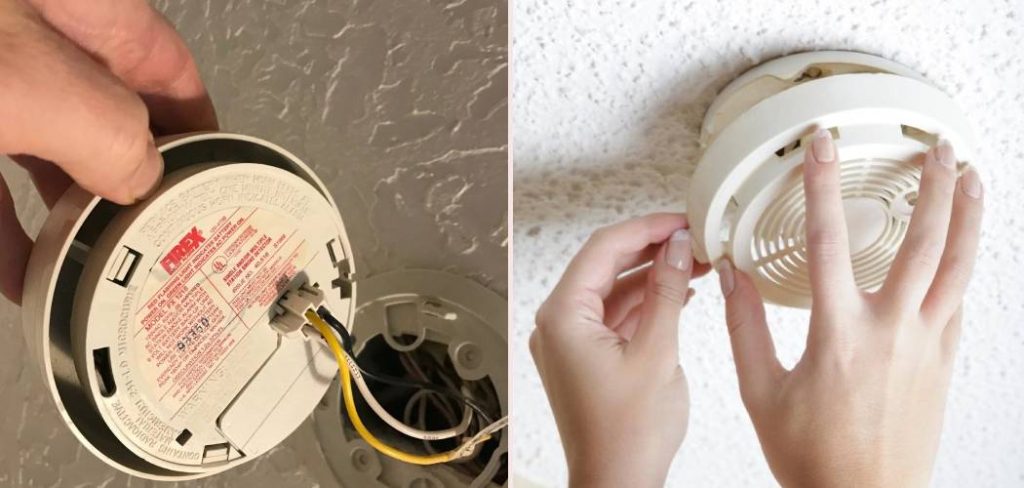
Most smoke detectors are designed for easy access. To open the device, you’ll typically need to either slide a cover off or twist the entire unit counter-clockwise.
- Slide-Cover Models: Look for a small tab or compartment door on the face or side of the detector. Press the tab and the battery compartment should pop open or slide out.
- Twist-Off Models: Firmly grip the body of the smoke detector and rotate it counter-clockwise. It should detach from the mounting bracket on the ceiling. Be gentle but firm. The unit will then hang by its power wires if it’s a hardwired model. The battery compartment will be on the back of the detector.
Step 3: Remove the Old Battery
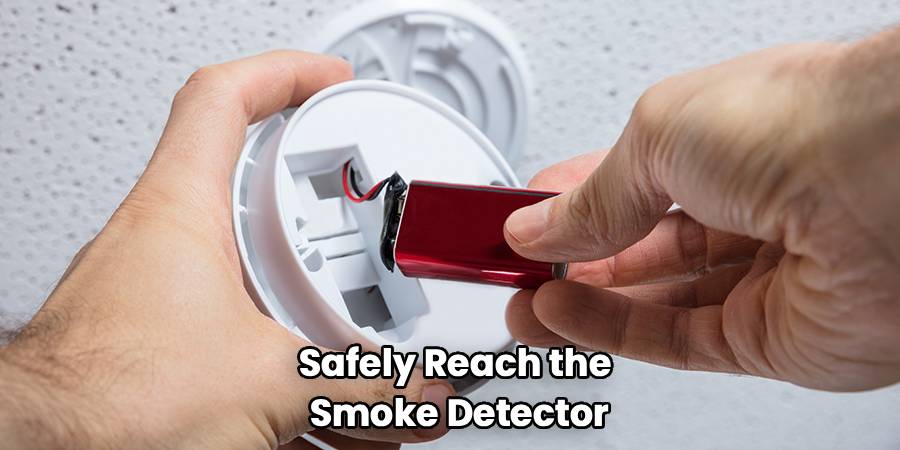
Once the compartment is open, you’ll see the old battery. It’s connected by two terminals. Gently pull the battery out of its housing. You may need to unsnap it from the connector terminals. Some connectors can be a bit snug, so a gentle wiggle can help dislodge it.
After removing the old battery, it’s good practice to wait about 30 seconds before installing the new one. This allows any remaining charge in the detector to dissipate, effectively resetting the device and its low-battery memory.
Step 4: Clean the Smoke Detector
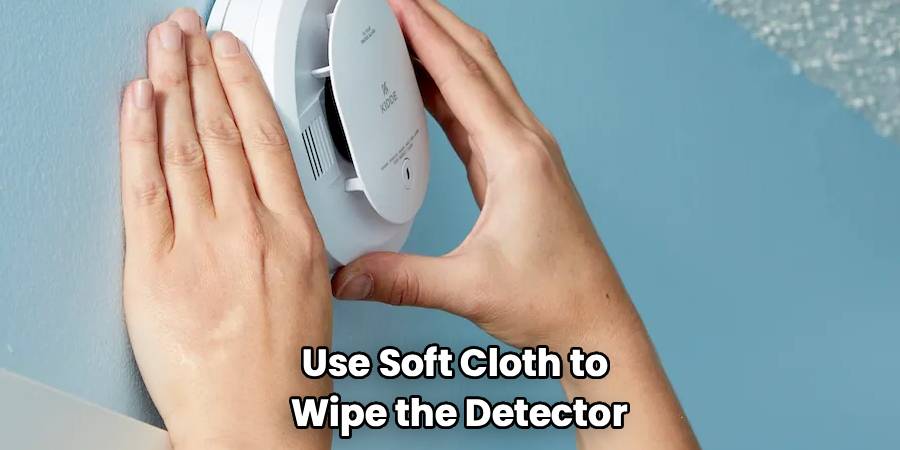
While the detector is open and the battery is out, take a moment to clean it. Dust, cobwebs, and insects can accumulate inside the sensing chamber over time, which can interfere with its ability to detect smoke or even cause false alarms. Use a soft, dry cloth to wipe the interior and exterior of the detector.
You can also use a vacuum cleaner with a soft brush attachment or a can of compressed air to gently blow out any debris from the vents and sensing chamber. Do not use water or cleaning solutions, as they can damage the internal components.
Step 5: How To Install the New Battery Properly
This is the most critical part of the process. Correctly installing the new battery ensures the device will function as intended. When looking at a 9-volt battery, you will notice two different types of terminals: a hexagonal (negative) one and a circular (positive) one. The connector inside the smoke detector has corresponding shapes.
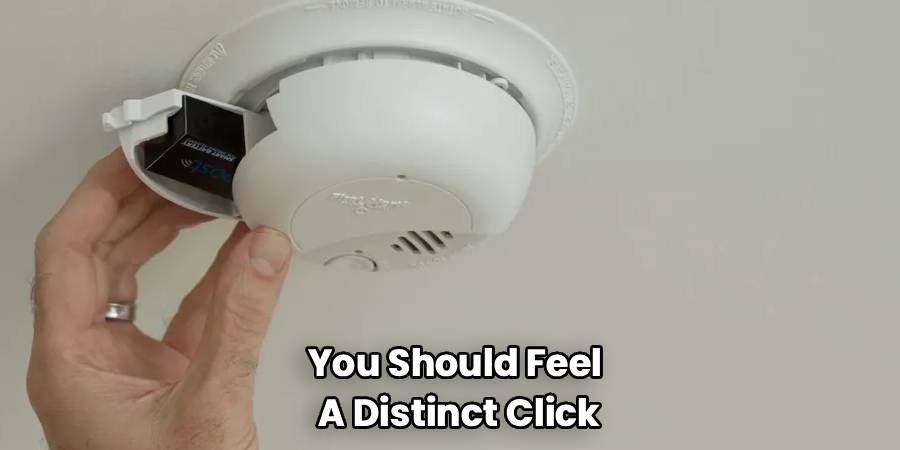
The guide on how to install smoke detector battery is simple: align the terminals on the battery with the matching terminals on the connector and snap them firmly into place. You should feel a distinct click. The battery should fit snugly in its compartment. If you are using AA or AAA batteries, make sure to align the positive (+) and negative (-) ends with the markings inside the battery compartment.
Step 6: Close and Test the Smoke Detector
Once the new battery is securely in place, close the battery compartment cover until it snaps shut. If you twisted the unit off its base, reattach it by aligning the grooves and twisting it clockwise until it locks into place. Now for the most important final step: testing. Every smoke detector has a test button, usually located on the face of the unit. Press and hold the test button for a few seconds. You should hear a loud, piercing alarm.
This confirms that the new battery is working and the alarm circuitry is functional. If the alarm doesn’t sound, double-check that the battery is installed correctly and that the terminals are making good contact. You may have a dead battery or a faulty detector.
Frequently Asked Questions
Here are answers to some common questions people have about their smoke detectors and batteries.
Why is my smoke detector chirping with a new battery?
This is a common and frustrating issue. There are a few potential reasons. First, the “low battery” memory might not have been fully cleared. Removing the old battery and holding down the test button for about 15-20 seconds before installing the new one can help reset the device. Second, ensure you are using the right type of battery and that it’s fresh. Even new batteries can sometimes be duds. Third, if it’s a hardwired alarm, the chirping might indicate an issue with the electrical connection, not just the backup battery. Finally, a persistent chirp after trying these steps could mean the smoke detector itself is old and needs to be replaced. Most smoke detectors have a lifespan of 8-10 years.
What kind of battery does my smoke detector need?
The vast majority of battery-powered smoke alarms use a 9-volt (9V) alkaline battery. However, this is not universal. Some modern detectors use AA or AAA batteries. Others, particularly those with a 10-year lifespan, come with a sealed lithium battery that is not replaceable. Hardwired alarms also have a backup battery, which is usually a 9V. The only way to be certain is to open the battery compartment and check the old battery or consult the user manual for your specific model. Using the wrong type of battery can prevent the detector from working correctly.
How often should I change my smoke detector battery?
The standard recommendation is to change the batteries in your smoke detectors at least once a year. A good way to remember is to do it when you change your clocks for daylight saving time. However, you should never wait for the low-battery chirp to take action. If your alarm starts chirping, change the battery immediately. For smoke detectors with sealed 10-year lithium batteries, you don’t change the battery at all. Instead, you replace the entire alarm unit once it reaches the end of its life, which it will usually signal with a persistent chirping sound.
What does the flashing light on my smoke detector mean?
A small, flashing LED light on your smoke detector is usually a normal indicator that the device has power and is functioning correctly. A single red or green flash every 30 to 60 seconds is typical. If the light is flashing rapidly or is accompanied by chirps, it could signal a problem. For example, a rapid flash without sound might mean the detector has recently been triggered. Consult your device’s manual to understand what different light patterns mean for your specific model, as indicators can vary between manufacturers.
Can I use a rechargeable battery in my smoke detector?
It is generally not recommended to use rechargeable batteries in smoke detectors. Most manufacturers advise against it. Rechargeable batteries, like NiMH batteries, lose their charge over time even when not in use. This gradual power drain is different from how alkaline batteries work, and it may not trigger the detector’s low-battery warning chirp in time. You could have a dead battery without any warning. For a life-saving device like a smoke alarm, it’s best to stick with the manufacturer’s recommendation, which is almost always a high-quality alkaline or lithium battery.
Conclusion
Knowing how to install smoke detector battery is a fundamental skill for every homeowner and renter. This simple maintenance task is your first and best defense, providing the critical early warning needed to escape a fire safely. By regularly testing your alarms, cleaning them, and replacing their batteries at least once a year, you ensure they are always ready to protect you. Don’t wait for the chirp—make smoke detector maintenance a regular part of your home safety routine. It’s a small effort that can have a life-saving impact.