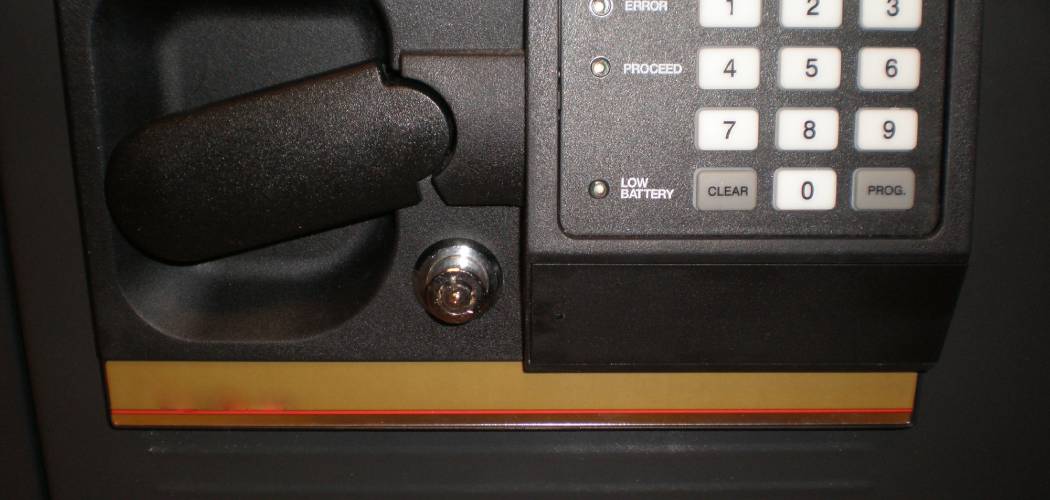
There is a specific kind of panic that sets in when you are staring at your Sentry safe, knowing your valuables are just inches away, but you cannot get to them. Maybe you inherited the safe and never had the code. Maybe you wrote the combination on a piece of paper that has since vanished into the recycling bin. Or perhaps the batteries died, and the digital keypad is just mocking you with its silence. Whatever the reason, you are currently stuck.
Take a deep breath. This is a frustrating situation, but it is not hopeless. You are definitely not the first person to lose access to their security box, and you certainly won’t be the last. The good news is that safes are designed to keep thieves out, but they are also built with mechanisms that allow verified owners to regain access.
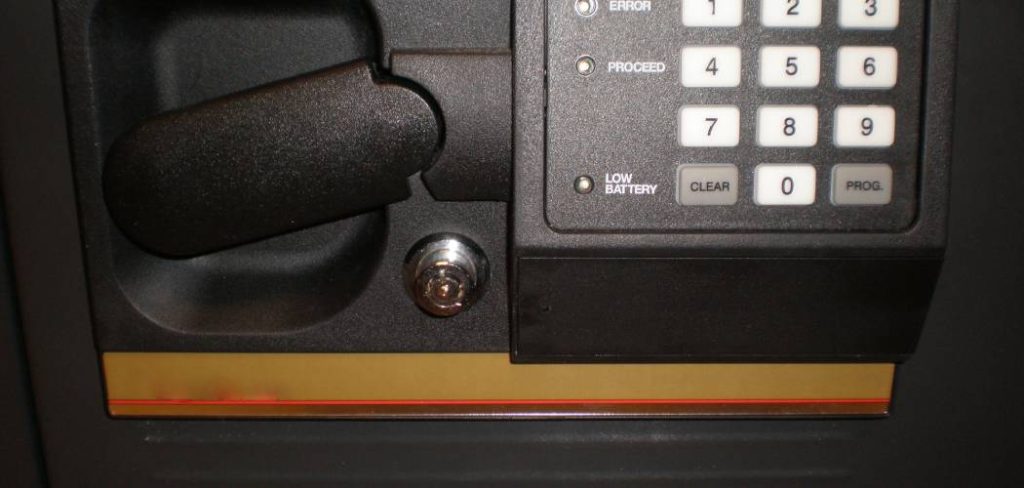
In this guide, we are going to walk you through several methods to help you get back into your safe. We will start with the easiest, non-destructive solutions and move toward more drastic measures if those fail. Whether you have a digital keypad, a dial combination, or a keyed lock, we have options for you. If you are wondering how to open a locked Sentry safe without the combination, keep reading, because we are about to break down exactly what you need to do to retrieve your belongings.
Step-by-Step Guide
Before you grab a crowbar or a drill, we need to try the methods that won’t destroy your investment. Sentry safes are sturdy, but many of them have bypasses or official recovery procedures that can save you a lot of money and headache.
Step 1: Check The Basics (Batteries and Override Keys)
It sounds incredibly simple, but you would be surprised how often a “forgotten combination” is actually just a dead battery. If you have an electronic Sentry safe, the keypad requires power to disengage the locking mechanism. If the batteries are too weak, they might light up the display but fail to retract the bolts.
Try replacing the batteries with brand-new, high-quality alkaline batteries. Do not use rechargeable ones, as they often don’t provide the consistent voltage needed for the solenoid.
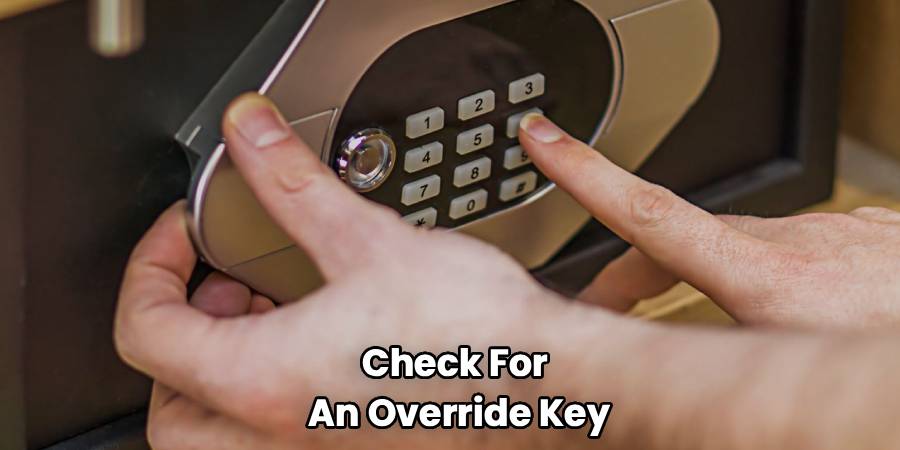
Also, check for an override key. Many electronic Sentry safes come with a backup key lock hidden behind a removable panel near the keypad. If you have this key stashed in a drawer somewhere, you can bypass the code entirely.
Step 2: The Official Method on How To Open A Locked Sentry Safe Without The Combination
If the batteries are fresh and you have no key, the most reliable method is to contact SentrySafe directly. This is the “official” route. It is not instantaneous, but it guarantees you get in without breaking anything.
SentrySafe has a rigorous protocol for helping owners regain access. You cannot simply call them and ask for a code; that would be a security flaw. You will need to prove you are the rightful owner.
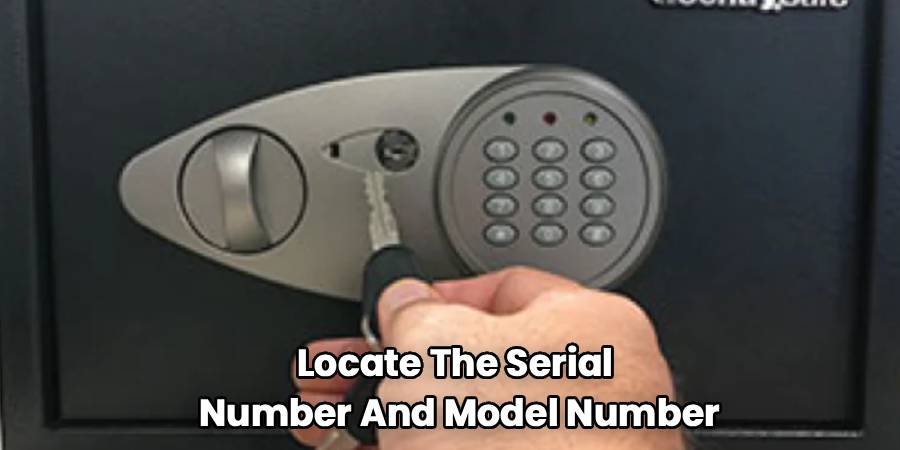
First, locate the serial number and model number of your safe. These are usually printed on a sticker on the side or back of the unit (never on the door itself). Once you have these numbers, visit the SentrySafe website. You will likely need to download a “Notarized Statement of Ownership” form.
This form requires you to swear before a notary public that you own the safe. Once you fax or email this document back to the company—often along with a small fee—they can look up the factory-set combination linked to your specific serial number. It takes a few days, but it works every time for unmodified safes.
Step 3: The Rare Earth Magnet Method (Electronic Safes Only)
If you are dealing with a battery-operated electronic safe and you are in a hurry, you might be able to use physics to your advantage. This method relies on the fact that many electronic safes use a solenoid—a magnetic component—to lock the door.
You will need a rare earth magnet (neodymium magnet) with a pull force of at least 50 to 75 pounds. These are not your standard refrigerator magnets; they are industrial-strength tools available at hardware stores or online.
The Technique:
- Place the magnet inside a sock (to prevent scratching the safe or pinching your fingers).
- Locate the solenoid. It is usually located behind the keypad area on the door.
- Place the magnet on the top left side of the keypad.
- Move the magnet around slowly while simultaneously turning the handle or trying to open the safe.
- If you catch the solenoid just right, the magnetic field will pull the internal pin back, effectively unlocking the safe without a code.
This does not work on every model, specifically newer ones that have been shielded against magnetic attacks, but it is a well-known exploit for older electronic Sentry safes.
Step 4: The “Safe Bouncing” Technique
This method is similar to the magnet trick and applies mostly to electronic safes. It takes advantage of a temporary weakness in the solenoid spring mechanism. When a safe is struck firmly, the internal pin that blocks the latch might jump down momentarily, allowing the handle to turn.
The Technique:
- Place the safe on a sturdy surface if it isn’t bolted down.
- You will need a rubber mallet. Do not use a metal hammer, or you will dent the exterior.
- While applying pressure to the handle (trying to turn it to the “open” position), strike the top of the safe firmly with the mallet. You want to hit it directly above the locking mechanism.
- You may need to time your handle turn exactly with the impact.
- Repeat this several times, varying the timing slightly.
This method requires coordination and a bit of luck. The impact causes the solenoid pin to “bounce” down against its spring, freeing the bolt work for a split second.
Step 5: Picking the Override Lock
If your safe has a key override but you lost the key, you might try picking the lock. Sentry safes typically use tubular locks (the circular kind) or standard wafer locks.
For a standard wafer lock, you can sometimes use a simple paper clip or a nail file.
- Insert a tension wrench (or a small flathead screwdriver) into the bottom of the keyhole and apply slight turning pressure.
- Insert your pick (or paper clip) into the top part of the lock.
- Rake the pick back and forth over the pins while keeping tension on the lock.
- You are waiting for the lock to turn.
Tubular locks require a specialized tool called a tubular lock pick, which you can buy online. It works by conforming to the shape of the lock pins as you twist. While this requires purchasing a tool, it is often cheaper than a locksmith.

Step 6: Drilling the Lock (Destructive Entry)
We have now arrived at the destructive methods. Use this only if you do not care about using the safe again. Drilling is loud, messy, and permanent.
The goal here is to drill through the locking pins so the cylinder can turn freely.
- You will need a power drill and high-quality metal drill bits (cobalt or titanium bits are best).
- Locate the keyhole or the center of the dial.
- Begin drilling directly into the center of the lock cylinder.
- Apply steady pressure. You will feel the drill punch through several layers of metal.
- Once you have drilled through the pins, insert a flathead screwdriver into the hole and force it to turn.
Warning: Some high-end Sentry safes have “relockers” or glass plates that shatter if drilled, permanently locking the bolts in place. This makes the safe even harder to open. This method is best for smaller, fire-resistant home safes rather than high-security commercial units.
Step 7: The Pry Bar Method
This is brute force pure and simple. It is dangerous and requires significant strength. It will absolutely destroy the safe.
- Lay the safe on its back.
- Wedge a crowbar or pry bar into the seam between the door and the safe body, ideally near the locking bolts.
- Hammer the pry bar in as deep as possible.
- Apply leverage to bend the door frame away from the bolts.
- Once the gap is wide enough, the bolts will slip out of the frame, and the door will pop open.
Many people search for how to open a locked Sentry safe without the combination hoping for a magic trick, but sometimes the answer is just simple leverage. However, be extremely careful. When the metal gives way, it can snap back or create sharp edges that cause injury. Wear protective eyewear and heavy gloves.
Frequently Asked Questions
You likely still have questions about your specific situation. Here are some of the most common inquiries regarding locked Sentry safes.
Can I find a master code for my Sentry safe online?
No, there is no universal “master code” that opens all Sentry safes. If there were, these safes would be useless for security. However, electronic safes often come with a factory code set to 1-7-5-0-0 or 0-0-0-0-0. It is worth trying these generic codes just in case the previous owner never changed the default settings. Aside from that, the only “master” record is the one SentrySafe keeps in their database, linked specifically to your serial number.
How much does a locksmith charge to open a Sentry safe?
The cost of a locksmith can vary wildly depending on your location and the time of day. Generally, you can expect to pay a service call fee (usually around $50 to $100) plus the labor for opening the safe. A standard opening might cost between $100 and $200. If the safe requires drilling or advanced manipulation, the price can go higher.
When you call a locksmith, be sure to tell them the exact model of your Sentry safe. Not all locksmiths specialize in safes, and some may simply come out to drill it, which you could do yourself for free. Look for a certified safe technician if you want to preserve the safe for future use.
Where can I find my safe’s serial number if the door is locked?
This is a classic “chicken and egg” problem. SentrySafe usually places the serial number on a white label on the exterior of the safe. Look on the right-hand side (on the outside wall of the safe) or on the top panel.
It is almost never on the bottom, and for security reasons, it is rarely on the back where it could be easily seen if the safe is bolted to a wall. If you removed the sticker when you bought the safe, you might be out of luck regarding the official recovery process. In that case, you are limited to the DIY methods mentioned above or hiring a professional who can manipulate the lock without the code.
Is it possible to reset the combination without the old code?
On most Sentry safes, you cannot reset the combination unless the door is open. If the door is locked, the reset button (usually located on the inside of the door panel) is inaccessible. This is a security feature to prevent someone from just walking up to your locked safe and changing the code to lock you out.
Once you do get the safe open—either by finding the key or getting the factory code—you can press the red button on the inside of the door to set a new personal code. Write this new code down in multiple places (not inside the safe!) to avoid this headache in the future.
Can I use a stethoscope to crack the combination?
We have all seen movies where the safe cracker listens to the tumblers click. While this is technically possible on older mechanical dial safes, it is incredibly difficult for an untrained person. Sentry fire safes with dials usually have “direct drive” or “friction fence” locks which have a lot of false feedback.
Furthermore, inexpensive fire safes often have plastic internal wheels that don’t make the distinct “click” of metal-on-metal commercial safes. Unless you have hours of patience and a very quiet room, the stethoscope method is unlikely to work for a beginner.
Conclusion
Knowing how to open a locked Sentry safe without the combination can turn a stressful lockout into a manageable afternoon project. We hope this guide has provided you with a clear path forward, whether that is contacting the manufacturer, trying a magnet trick, or getting out the power tools.
The most important takeaway is to start with the path of least resistance. Always verify your batteries and look for that lost backup key before you decide to drill. If you do manage to get your safe open non-destructively, take a moment immediately to reset your code and record it in a secure password manager or a trusted notebook. Safes are meant to protect your valuables from others, not to keep them from you. Good luck, and stay safe.