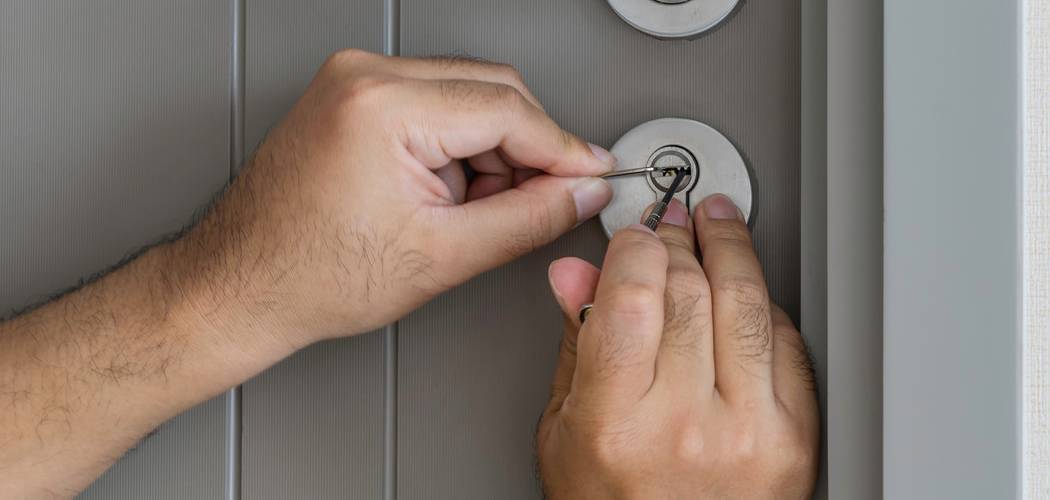
Lock picking is often viewed through the lens of mystery movies or secret agents, but in reality, it is a practical skill that puzzles lovers and security enthusiasts enjoy mastering. Understanding the mechanics behind security devices demystifies how they work and helps you appreciate the engineering that keeps your home safe. One of the most common brands you will encounter in residential security is Schlage, known for its distinct keyway and tighter tolerances compared to cheaper alternatives.
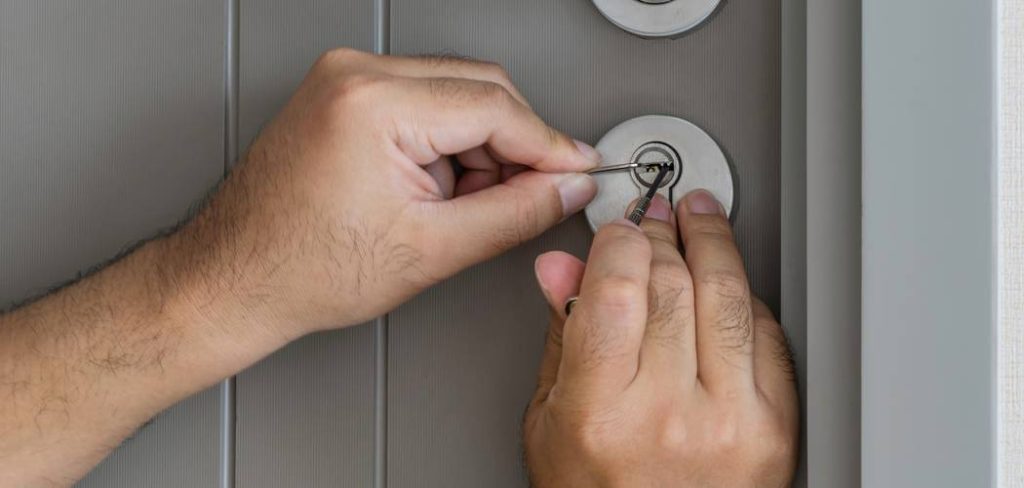
Learning how to pick a Schlage lock serves as an excellent milestone for beginners ready to move past basic padlocks. This guide approaches the topic purely from an educational and hobbyist perspective, ensuring you have the knowledge to tackle these specific cylinders with patience and precision. Whether you have lost your keys or simply enjoy the mental challenge, mastering this skill requires specific tools and a steady hand.
Why Picking a Schlage Lock Requires Skill
Schlage locks are ubiquitous in American homes, but they represent a significant step up in difficulty for novice lock pickers. Unlike generic hardware store brands, Schlage cylinders are manufactured with tighter tolerances. This means the internal components fit together more precisely, leaving less “wiggle room” for your tools. The keyway—the shape of the hole where you insert the key—is often more paracentric, meaning it curves in a way that can obstruct your pick’s access to the pins.
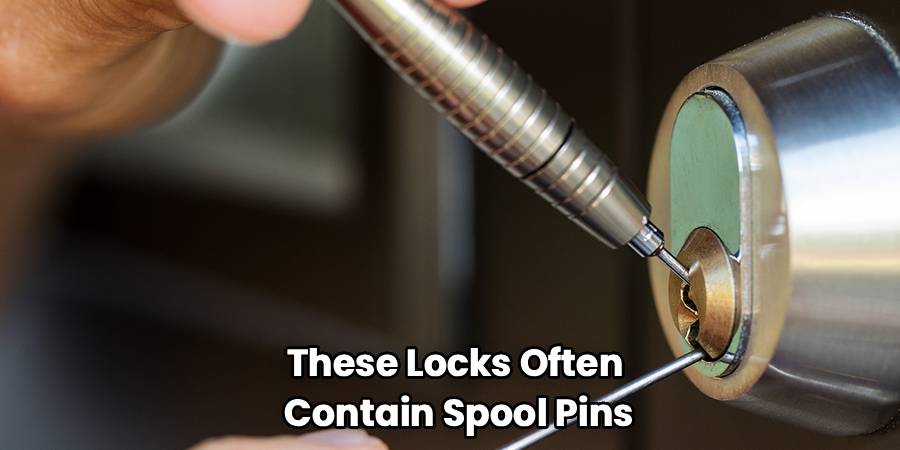
Furthermore, Schlage often utilizes spool pins or other security pins in their cylinders, even in standard residential deadbolts. These security pins are designed to bind and give false feedback, tricking the picker into thinking a pin is set when it isn’t. This false set creates a counter-rotation effect that can be confusing if you don’t know what to feel for. Because of these engineering choices, opening these locks requires a higher degree of tension control and better feedback interpretation than cheaper locks. It challenges you to refine your technique, making it a rewarding puzzle to solve.
8 Step Methods Guide on How to Pick a Schlage Lock
Step 1: Gather the Necessary Tension Tools and Picks
Before attempting any lock manipulation, you need to assemble a proper kit suited for the specific challenges of this brand. Schlage keyways can be restrictive, so thick picks often get stuck or scrape against the warding. You will want to select a standard short hook with a relatively slender profile, ideally around twenty-five thousandths of an inch or thinner. This allows you to navigate the warding without displacing pins unintentionally.
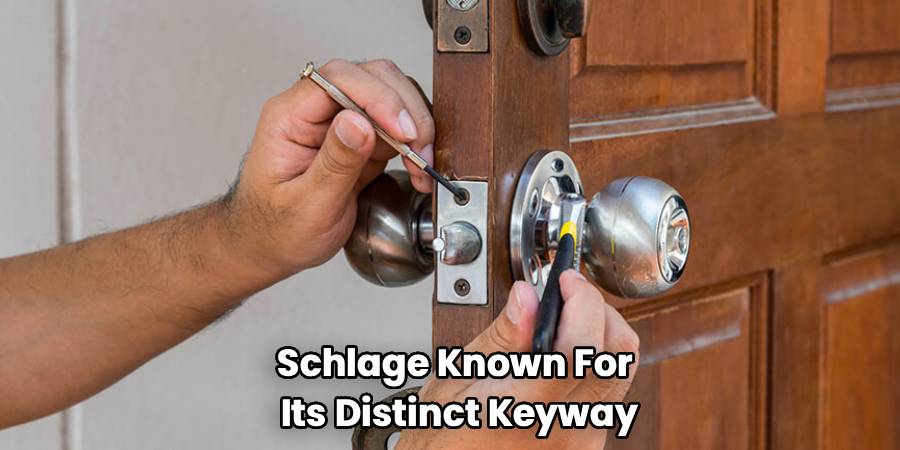
You will also need a tension wrench. For these cylinders, a bottom-of-the-keyway tension tool is standard, but a top-of-the-keyway pry bar often provides better control and leaves more room for your pick. Ensure your tools are made of high-quality steel to transmit the subtle vibrations from the lock mechanics to your fingers. Having the right equipment prevents frustration and protects the lock from damage.
Step 2: Insert the Tension Wrench and Apply Rotation
The foundation of successful lock picking lies entirely in how you manage tension. Insert your chosen tension wrench into the bottom or top of the keyway, depending on which tool you selected in the previous step. Gently apply rotational pressure in the direction that the key would normally turn to open the lock. It is critical to start with very light tension—think of the amount of pressure required to press a key on a computer keyboard.
If you press too hard, the pins will bind tightly against the shear line, making them impossible to move without bending your pick. Your goal is to create a tiny ledge inside the cylinder mechanism. This ledge is what will eventually trap the driver pins above the shear line once you lift them to the correct height.
Step 3: Insert the Pick and Locate the Pins
With your tension set and held steady, carefully insert your hook pick into the keyway. You must navigate past the warding ridges to reach the pin stack. Schlage locks typically have five or six pins, depending on the specific model. Slide your pick all the way to the back of the lock and slowly drag it forward across the pin tips to count them and get a feel for their springiness.
You are not trying to lift them yet; you are simply building a mental map of where each pin sits. Keep your pick shaft straight to avoid rubbing against the side walls. This tactile exploration helps you determine if any pins feel stiffer than others. A pin that resists movement is known as a binding pin, and identifying it is crucial for the next stage of the process.
Step 4: Identify the First Binding Pin
The binding order is the sequence in which the pins must be picked, determined by microscopic manufacturing imperfections in the lock. While maintaining consistent, light tension, push up gently on each pin one by one. Most pins will feel springy and return to their resting position immediately. However, one pin will feel stiff and resist your upward pressure. This is the binding pin.
It is currently preventing the plug from rotating. You must focus your efforts entirely on this specific pin. Do not force it; simply acknowledge that it is the one doing the work. If you cannot find a binder, you might be applying too little tension, or perhaps too much. Adjust your pressure slightly and probe the stack again until a distinct resistance is felt on a single pin.
Step 5: Set the Binding Pin to the Shear Line
Once you have located the binding pin, slowly lift it with the tip of your hook. As you push the pin upward, pay close attention to the feedback through your tension wrench. You are waiting for a distinct click or a sudden, slight movement of the plug. This sensation indicates that the driver pin has cleared the shear line and is now resting on the plug’s outer surface.

This is called “setting” the pin. Once set, the key pin underneath should fall back down and feel loose or jiggly if you touch it. If the pin feels solid and unmoving, you may have overset it, meaning you pushed it too high. If that happens, you must release tension to drop the pins and restart. Setting the first pin is the initial victory in the process of learning how to pick a Schlage lock.
Step 6: Locate the Next Binding Pin in the Sequence
With the first pin successfully set, the geometry inside the lock has shifted slightly. The plug has rotated a fraction of a degree, and now a new pin is bearing the load of your rotational tension. You must repeat the probing process to find this new binding pin. Move your pick through the remaining unset pins.
Again, most will feel springy, but a new one will now feel rigid. It is important to note that the binding order is random; the second binding pin could be at the very back of the lock or right at the front. Do not assume a linear order like one, two, three. Patiently test each position. As you progress, be careful not to disturb the pin you already set, as accidentally hitting it could cause it to drop back down, undoing your progress.
Step 7: Handle Security Pins and Counter-Rotation
As mentioned earlier, these locks often contain spool pins to thwart picking attempts. If you lift a pin and suddenly feel the plug rotate slightly in the opposite direction of your tension, you have encountered a spool pin. This is called counter-rotation. To set a spool pin, you must manually lighten your tension significantly—just enough to allow the counter-rotation to happen—while continuing to push the pin upward.
It is a delicate balancing act. If you release too much tension, your previously set pins will fall. If you don’t release enough, the spool won’t move. Push the spool up until it snaps past the lip of the shear line. You will often hear a louder click when a security pin is defeated. This step requires the most practice and finesse in the entire guide.
Step 8: Finalize the Pick and Open the Lock
Continue the process of finding the binding pin and setting it until all pins have been addressed. You might find that setting one pin causes another to drop; this is common and just means you need to re-set the dropped pin. As you approach the final pin, the feedback will often become very crisp. When you lift the last binding pin to the correct height, the resistance on your tension wrench will suddenly disappear.
The plug will rotate freely, turning just like a key would. This moment of success is incredibly satisfying. Rotate the plug fully to retract the latch and open the door or hold the cylinder. Congratulations, you have successfully navigated the tolerances and security features to open the device. Always remember to turn the plug back to the neutral position to extract your tools safely.
Frequently Asked Questions
Is It Illegal to Own Lock Picking Tools?
The legality of owning lock picking tools varies significantly by location. In many places, owning them is perfectly legal as long as you do not use them for criminal activity. However, some states or countries classify them as “burglary tools” and may require you to prove you have no criminal intent if you are caught with them.
- Always check local laws: Research the specific statutes in your state or country.
- Intent matters: Possession is often legal, but possession with intent to commit a crime is a felony.
- Professional licensure: In some jurisdictions like Tennessee, only licensed locksmiths can possess these tools.
What Makes Schlage Locks Harder Than Kwikset?
Schlage locks generally offer a higher level of security compared to Kwikset due to manufacturing precision and design. The keyway on a Schlage is often more restrictive, making it harder to maneuver picks without touching the sides.
- Tolerances: The internal gaps are smaller, requiring more precise pin placement.
- Security Pins: Schlage is more likely to include spool pins in standard residential locks, which give false sets and confuse beginners.
- Paracentric Keyway: The jagged shape of the keyhole blocks direct access to the pins, requiring thinner picks.
Can picking a lock damage it?
Yes, picking a lock can absolutely damage it, especially if done improperly or aggressively. Beginners often use too much tension or force the pins, which can deform the springs or scratch the pin chambers.
- Spring damage: Over-lifting pins can crush the delicate springs, rendering the lock functional.
- Broken picks: A pick can snap off inside the keyway, permanently blocking the key.
- Wear and tear: Repeated picking wears down the brass components faster than key usage.
- Rule of thumb: Never pick a lock that is currently in use on your home’s door.
What Should I Do If I Overset a Pin?
Oversetting a pin means you have pushed the key pin (the bottom pin) past the shear line into the upper chamber, locking the plug just as effectively as if it weren’t picked at all. You will know this has happened if the pins feel mushy or if a previously binding pin stops binding.
- Release tension: Slowly let off tension until you hear pins drop.
- Listen for clicks: You might hear one or two clicks as the overset pins fall back down.
- Restart if necessary: Sometimes it is faster to drop all pins and start fresh than to try and fix a complex overset.
How Long Does It Take to Learn This Skill?
The learning curve varies for everyone, but most people can open a basic practice lock within a few hours of focused effort. However, consistent success with real-world security hardware takes longer.
- Basics: 1–5 hours to understand the mechanics and open simple locks.
- Intermediate: 2–4 weeks of practice to consistently open standard residential locks like Schlage.
- Mastery: Years of practice are required to tackle high-security locks or handle difficult bitting combinations quickly.
- Patience is key: It is a skill of feel and finesse, not speed.
Conclusion
Mastering the art of lock manipulation is a journey of patience, tactile sensitivity, and mechanical understanding. By learning the nuances of tension control and pin feedback, you gain a unique perspective on the devices that secure our daily lives. While it may seem daunting at first due to the tight tolerances and security pins, the satisfaction of feeling that final click and the rotation of the plug is unmatched.
Remember that this skill degrades without practice, so keep your tools handy and continue to challenge yourself with different bitting combinations. We hope this guide on how to pick a Schlage lock has empowered you to try a new hobby that is as intellectually stimulating as it is practical. Keep practicing, stay legal, and always respect the rule of only picking locks you own.