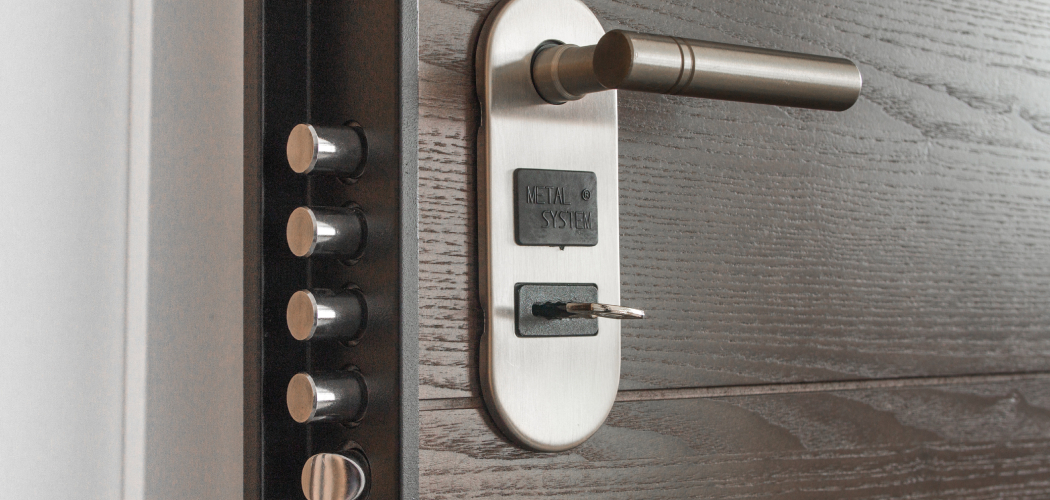
Securing your business premises is a top priority, and a functioning door lock is the first line of defense. Over time, commercial door locks can wear out, become damaged, or simply need an upgrade for enhanced security.
While calling a locksmith is always an option, learning how to replace commercial door lock components yourself can save you time and money. This guide will walk you through the process, from identifying your lock type to installing the new hardware. Whether you’re a small business owner or a property manager, this straightforward process will empower you to handle this essential maintenance task with confidence and precision.
Replacing Your Commercial Lock Matters
Maintaining the security of your commercial property is non-negotiable. A faulty or outdated door lock is a significant vulnerability, potentially exposing your assets, employees, and sensitive information to risk. Proactively replacing a lock can prevent break-ins and ensure compliance with insurance policies. Furthermore, a new lock can improve the daily functionality and accessibility of your entrance. Upgrading to a more modern system can offer better key control, enhanced durability against wear and tear, and a more professional appearance for your storefront or office. Taking the time to address this component is a small investment that pays significant dividends in security and peace of mind.
8 Step-by-Step Guide on How to Replace Commercial Door Lock
Step 1: Identify Your Existing Lock Type
Before you can begin the replacement, you must correctly identify the type of lock you are working with. Commercial doors typically use one of a few common types, such as mortise locks, cylindrical lever locks, or rim cylinder locks. Mortise locks are installed into a pocket cut into the edge of the door.
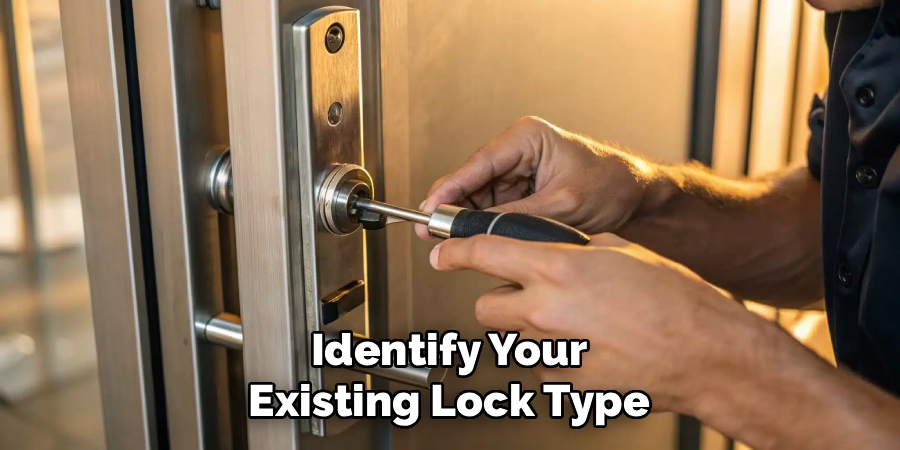
Cylindrical locks are installed through the door, with a large lever on either side. Take a close look at your current hardware, noting its shape, size, and how it is mounted. Taking photos can be helpful when you go to purchase a replacement to ensure you get a compatible model.
Step 2: Gather the Necessary Tools and Materials
Having all your tools ready will make the process much smoother. You will need a new commercial lock set that is compatible with your door. Additionally, gather a set of screwdrivers, including both Phillips head and flathead types. A tape measure is essential for confirming dimensions if you are unsure about the replacement model. You might also need a wrench or pliers for certain components. For safety, wearing a pair of work gloves is recommended to protect your hands from sharp edges or metal burrs. Ensure your workspace is well-lit so you can see all the small screws and internal mechanisms clearly.
Step 3: Carefully Remove the Old Lockset
Begin by removing the interior handle or lever. You will typically find mounting screws on the interior rose or escutcheon plate. Unscrew these carefully and set them aside. Once the interior handle is off, you should be able to pull the exterior handle straight out. Next, locate the screws on the edge of the door that hold the lock body or latch mechanism in place. Remove these screws, and the main lock body should slide out of the door pocket. If you have a mortise lock, this will be a large rectangular cassette. Be gentle to avoid damaging the door itself during removal.
Step 4: Inspect and Clean the Door Preparation
With the old lock removed, take a moment to inspect the cutouts in the door. This is a perfect opportunity to clean out any dust, wood shavings, or debris that has accumulated inside the mortise pocket or boreholes. Check for any signs of damage, such as cracks or splintering in the wood or metal. A clean and intact door preparation ensures that the new lock will fit perfectly and function correctly. If you find any significant damage, you may need to repair the door before proceeding with the new installation, as a compromised door structure can undermine the security of the new lock.
Step 5: Install the New Mortise Body or Latch
Now it’s time to install the new hardware. Start by sliding the new mortise lock body or latch mechanism into the pocket on the edge of the door. Ensure it is oriented correctly, with the latch bolt facing the direction the door closes. Align the screw holes on the lock’s faceplate with the holes in the door. Insert and tighten the mounting screws to secure the lock body firmly in place. The fit should be snug, without any wobbling. This step is a crucial part of how to replace commercial door lock hardware, as a poorly seated lock body will not operate smoothly.
Step 6: Install the Lock Cylinders and Trim
With the main body secured, you can install the exterior and interior components. For a mortise lock, this involves inserting the mortise cylinder from the outside through the door and into the lock body. Secure it with the set screw located on the edge of the lock body. For cylindrical locks, slide the exterior lever through the lock body. Next, place the interior lever or handle onto the spindle and align it with the mounting posts. Secure the interior trim by fastening the mounting screws. Do not overtighten them initially; just make them snug.
Step 7: A Guide to Installing the Strike Plate
The strike plate is the metal plate installed on the door frame where the latch and deadbolt enter. It is a critical component for secure locking. First, check if the new strike plate aligns with the old one. If it does, you can simply unscrew the old plate and install the new one. If the new plate is a different size, you may need to modify the cutout in the frame. Hold the new plate in place, trace its outline, and carefully chisel out the area to ensure a flush fit. Screw the new strike plate securely into the door frame.
Step 8: Test the Lock’s Operation Thoroughly
The final step is to test everything. Before closing the door, operate the handle and key to ensure the latch and deadbolt extend and retract smoothly. Turn the key on both the inside and outside cylinders to verify they work correctly. Next, close the door and test it again. The latch should click securely into the strike plate without any friction. Lock the deadbolt and ensure the door is firmly secured and cannot be pushed or pulled open. If you notice any sticking or grinding, loosen the screws slightly, adjust the alignment, and retighten.
Final Inspection and Maintenance
Once all adjustments have been made, perform a final inspection to ensure everything is functioning perfectly. Check the door’s alignment, making sure it opens and closes without obstruction. Test the lock and handle once more to confirm smooth operation.
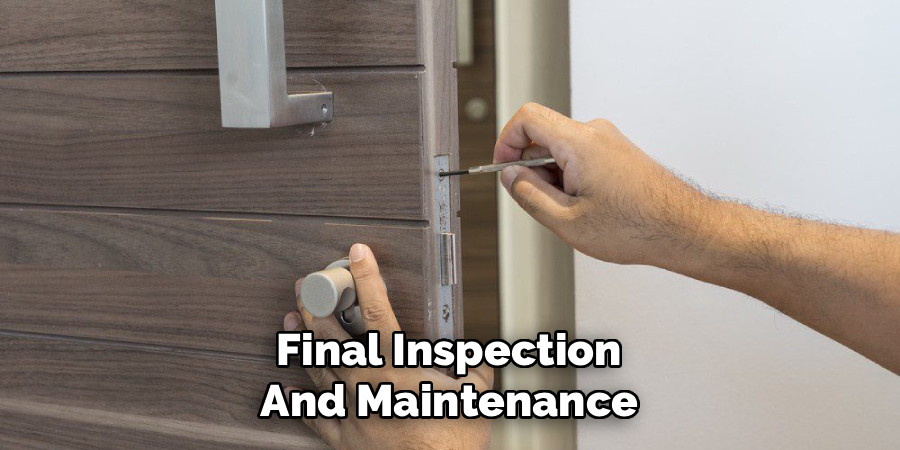
Finally, apply a small amount of lubricant to the moving parts of the lock and hinges to reduce wear and maintain long-term performance. Regular maintenance, such as cleaning the keyhole and checking for loose screws, will help to extend the lifespan of your door and locking system.
Frequently Asked Questions
How Do I Know What Size Commercial Lock I Need?
To determine the right size, you need to measure the “backset” and the door thickness. The backset is the distance from the edge of the door to the center of the borehole for the lock. Common commercial backsets are 2-3/4 inches. Measure your door’s thickness as well, as commercial doors are typically 1-3/4 inches thick. Using these measurements will help you purchase a lock that fits perfectly without requiring modifications to your door.
Can I Rekey a Commercial Lock Instead of Replacing It?
Yes, in many cases, you can rekey a commercial lock. Rekeying involves changing the internal pins of the lock cylinder so that it works with a new key. This is a good option if the lock itself is still in good working condition but you need to change key access for security reasons, such as after an employee leaves. However, if the lock is old, damaged, or malfunctioning, a full replacement is the safer and more reliable choice.
What Is the Difference Between a Commercial and a Residential Lock?
Commercial locks are designed for higher traffic and greater security needs. They are typically made from more durable materials like steel and brass and are tested to withstand more use. They are graded by the American National Standards Institute (ANSI), with Grade 1 being the highest security standard for commercial use. Residential locks are usually Grade 2 or 3, offering less robust protection suitable for a home environment.
How Often Should I Replace My Business’s Door Locks?
There is no fixed schedule, but you should replace locks whenever they show signs of wear, damage, or malfunction. This includes sticking keys, difficulty turning the lock, or visible rust. It is also wise to replace locks when you take over a new commercial space, after a security incident, or when an employee with key access departs under less-than-ideal circumstances. Regularly inspecting your locks can help you decide when a replacement is needed.
Is It Better to Hire a Locksmith to Replace a Commercial Lock?
While this guide makes DIY replacement manageable, hiring a professional locksmith has its benefits. A locksmith has the expertise to handle complex installations, troubleshoot unforeseen issues, and ensure the lock is installed to the highest security standards. If you are dealing with a high-security lock system, an access control system, or simply do not feel confident in your skills, calling a professional is the best course of action for guaranteed results.
Conclusion
Replacing a commercial door lock is a manageable task that can significantly boost the security and functionality of your business. By carefully identifying your lock type, gathering the right tools, and following each step from removal to testing, you can successfully complete the job. This process not only saves money but also provides a deeper understanding of your property’s security features. Now that you know how to replace commercial door lock hardware, you are better equipped to maintain a safe and secure environment for your employees and assets.

About
Robert D is a distinguished figure in the world of Safety Systems and Risk Management, with a decade of expertise creating innovative and sustainable workplace solutions. His professional focus lies in merging traditional safety protocols with modern digital monitoring techniques, fostering environments that are both practical and hazard-conscious. As the lead author of SafetyRift, Robert delves into the art and science of risk mitigation, inspiring safety officers and industry professionals alike to bridge the gap between compliance and culture.
Education
RMIT University (Melbourne, Australia)
Associate Degree in Design (Industrial Safety)
-
Focus on sustainable safety infrastructure, industry-driven risk assessments, and practical implementation.
-
Gained hands-on experience with traditional hazard identification and digital monitoring tools, such as IoT safety sensors and predictive analytics software.
Nottingham Trent University (United Kingdom)
Bachelor’s in Occupational Health and Safety (Honors)
-
Specialized in systemic design with a focus on blending human behavior psychology with modern safety production techniques.
-
Participated in industry-wide projects, working with global logistics and manufacturing firms to gain real-world insights into large-scale safety deployments.
Publications and Impact
In SafetyRift, Robert shares his insights on safety design processes, protective materials, and strategies for efficient, accident-free production. His writing bridges the gap between foundational safety knowledge and modern industrial needs, making it a must-read for both budding safety coordinators and seasoned risk management professionals.