It happens to the best of us. Maybe you were backing out a little too fast, or perhaps your kid’s basketball practice got a little too enthusiastic in the driveway. Suddenly, you hear that dreaded thud, and your stomach drops. You step out to check the damage, and there it is—an ugly, distracting dent in your otherwise pristine garage door.
It’s frustrating, isn’t it? Your garage door makes up a huge part of your home’s curb appeal. A dent can make the whole house look a bit neglected, even if everything else is perfect. But before you start panicking about the cost of a replacement or calling a professional repair crew, take a deep breath.
You might be surprised to learn that aluminum is actually pretty forgiving. Unlike steel, which can be stubborn, aluminum is a malleable metal. This means it has a “memory” of sorts and often wants to go back to its original shape if you nudge it in the right direction.
In this guide, we are going to walk you through exactly how to pop dents out of aluminum garage door panels using tools you probably already have lying around the house. We aren’t talking about complex engineering here; we’re talking about simple, clever tricks involving heat, cold, and a little bit of patience. Whether you’re a total DIY novice or handy with a hammer, you can restore your garage door’s smooth finish and save yourself a serious chunk of change.
Let’s get your home looking sharp again.
Understanding Your Garage Door Material
Before we grab any tools, let’s make sure we know what we’re working with. Most residential garage doors are made of steel, aluminum, wood, or fiberglass. Since you’re here, you likely have an aluminum door.
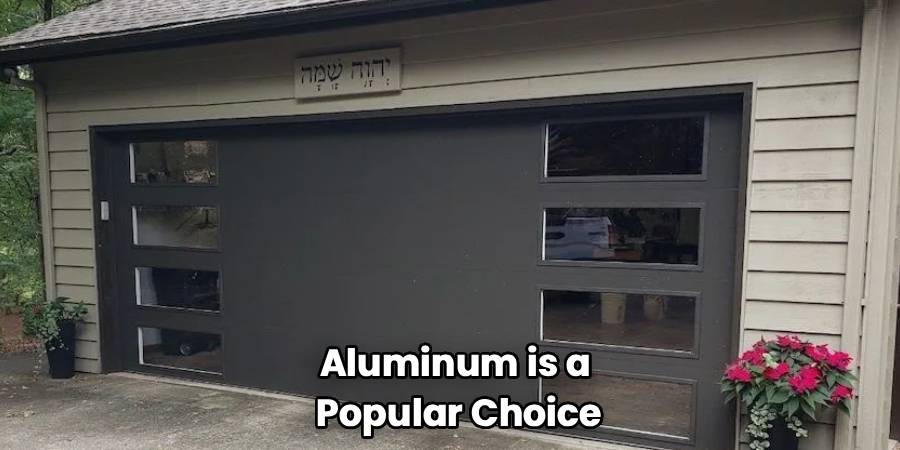
Aluminum is a popular choice because it’s lightweight and doesn’t rust like steel. However, that lightweight nature is a double-edged sword. Because the metal sheets are often thinner and softer than steel, they dent more easily. A stray baseball, a bicycle handle, or even a heavy hailstorm can leave a mark.
The good news? Because aluminum is softer, it’s also easier to manipulate back into place. Steel requires significant force to reshape, but aluminum often responds well to thermal shock (rapid heating and cooling) or gentle pressure.
However, success depends on a few factors:
- Location: Dents in the middle of a panel are easier to fix than dents on the edges or near the seams.
- Depth: Shallow, smooth dents pop out easier than deep, creased ones. If the metal is creased or folded, you might not get it 100% perfect, but you can certainly improve it.
- Paint: If the paint is chipped or cracked, you’ll need to address that separately to prevent oxidation later.
Tools You Will Need
You don’t need a professional auto body kit for this. Most of these items are likely in your kitchen or garage already.
For the Heat/Cold Method:
- Aluminum foil
- A heat source (a lighter, a heat gun, or even a strong hair dryer)
- A can of compressed air (the kind used for cleaning computer keyboards)
- Safety goggles and gloves
For the Mallet Method:
- A wood block (a piece of 2×4 works great)
- A rubber mallet
- Cleaning supplies (soap, water, sponge)
For the Suction Method:
- A suction cup dent puller (available at auto parts stores) OR a hot glue gun and wooden dowels (for smaller dents)
Step-by-Step Guide to Fixing Dents
Now, let’s get into the nitty-gritty. We will cover three main methods. We recommend starting with the Heat and Cold method first, as it is the least invasive. If that doesn’t work, you can move on to the physical pressure methods.
Step 1: Preparing the Surface Area
Before you try to fix anything, you need a clean slate. Garage doors accumulate a lot of grime, dust, and pollen. If you try to use tape or suction cups on a dirty surface, they won’t stick. If you hammer against dirt, you might scratch the paint.
Mix some mild dish soap with warm water in a bucket. Grab a soft sponge and gently scrub the dented area and the surrounding space. Rinse it thoroughly with a hose or clean water and let it dry completely. You want the surface to be free of any oils or debris.
Step 2: The Heat and Cold Technique (Thermal Shock)
This is essentially magic science. The idea is to expand the metal with heat and then rapidly contract it with cold. This sudden shift often causes the metal to snap back into its original shape.
First, cut a piece of aluminum foil large enough to cover the dent and tape it over the damaged area. This protects your door’s paint from direct heat.
Next, take your heat source. If you are using a lighter, hold the flame near the foil (moving it around constantly) for about one minute. If you are using a heat gun or hair dryer, set it to high and move it back and forth over the foil for about a minute or two. You want the metal underneath to get hot, but not so hot that it damages the internal insulation or paint.
Once the area is hot, remove the foil quickly. Immediately grab your can of compressed air. Turn the can upside down. This is crucial—when you spray it upside down, liquid carbon dioxide comes out, which is freezing cold. Spray the liquid directly onto the heated dent for about 30 seconds.
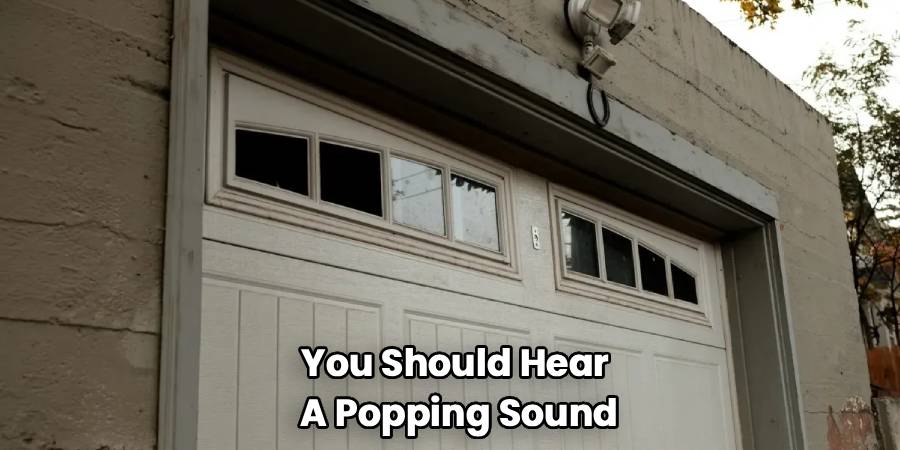
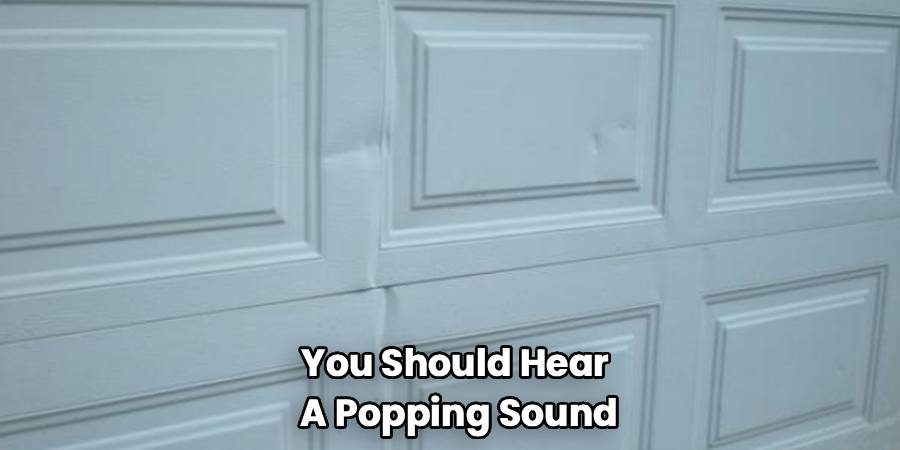
You should hear a popping sound as the metal contracts and jumps back into place. It’s a satisfying noise! If the dent pops out partially but not fully, wait for the panel to return to room temperature and try the process again.
Step 3: Using the Mallet and Wood Block Method
If the dent is stubborn or located in a tricky spot, you might need to use some brute force—but gentle brute force. This method requires access to the back of the garage door panel.
Go inside your garage. Locate the dent from the interior side. If your garage door is insulated, you might have to remove the insulation panel to get to the metal skin. Be careful doing this; you don’t want to tear the insulation.
Once you have access to the metal, have a helper stand outside to guide you. Place your block of wood against the convex side of the dent (the side sticking out inside the garage). Never hit the metal directly with a hammer, as this will leave dozens of tiny dings and stretch the aluminum.
Tap the wood block with your rubber mallet. Start with light taps and gradually increase pressure. The wood distributes the force evenly, pushing the whole dented area outward. Communicate with your helper outside. They can tell you if the dent is moving and when it is flush with the rest of the door.
Learning how to pop dents out of aluminum garage door panels often involves this specific “massaging” technique rather than hitting it hard once. Patience is key here.
Step 4: The Suction Cup Approach
This method is great for dents where you can’t access the back of the panel, or if you don’t want to remove insulation. It works best on shallow, smooth dents.
You can buy a small suction cup dent puller from an auto parts store for cheap. These are designed for car bodies but work well on aluminum doors too.
Moisten the suction cup slightly to create a better seal. Place the cup directly over the center of the dent. Press down firmly to engage the suction, then pull back with a sharp, quick motion. Do not pull slowly; a quick snap is more effective at popping the metal.
You may need to do this several times, moving the suction cup around the perimeter of the dent and working your way inward.
Step 5: Finishing Touches and Paint Repair
Hopefully, one of the methods above worked, and your door is looking flat again. However, you might still see small imperfections, or perhaps the paint cracked during the impact.
If the paint is damaged, you need to seal it to prevent corrosion. Aluminum doesn’t rust red like steel, but it oxidizes into a white powder that can spread under the paint.
Sand the chipped area lightly with fine-grit sandpaper (around 400 grit) to smooth out the edges of the paint chip. Wipe away the dust. Apply a high-quality metal primer to the bare aluminum. Once that dries, apply a matching exterior paint. If you don’t have the original paint code, take a chip of the paint to a hardware store for color matching.
If there are still tiny ripples you can’t get out, you can use a bit of automotive body filler (like Bondo). Apply it, sand it smooth until it’s flush with the door, and then paint over it. It makes the repair invisible.
Step 6: When to Call a Professional
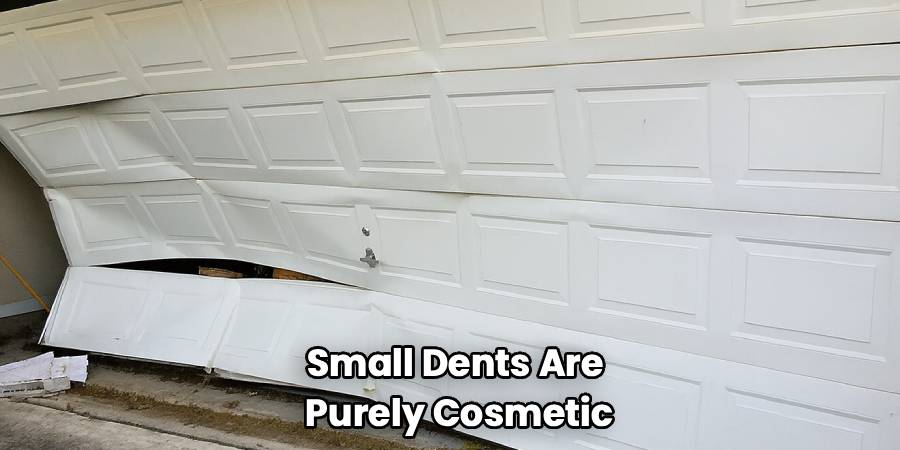
Sometimes, DIY garage door dent repair just isn’t enough. If the dent is massive, if the panel is torn or punctured, or if the dent is interfering with the actual operation of the door (making it stick or come off the tracks), you need a pro.
Garage doors are under immense tension, specifically the springs. Never try to repair the tracks, springs, or cables yourself. If the damage involves these structural components, call a technician immediately.
Also, if the door is severely creased, the metal has been stretched. Stretched metal cannot be shrunk back to its original size easily. In this case, the only true fix is replacing the panel. Many manufacturers sell individual panels, so you don’t have to buy a whole new door.
Common Mistakes to Avoid
While trying to repair aluminium garage door dents, it’s easy to make things worse if you aren’t careful. Here are a few pitfalls to steer clear of.
Overheating the Metal
When using the heat gun or lighter, do not stay in one spot for too long. Aluminum conducts heat very well. If you overheat it, you can bubble the paint or even melt the foam insulation glued to the back of the panel. Keep the heat source moving constantly.
Using Too Much Force
When using the mallet, don’t swing like you’re at a carnival game. Aluminum is soft. If you hit it too hard, you will create a reverse dent (a bump sticking out toward the driveway) or stretch the metal further. Light, repetitive taps are far better than one giant whack.
Drilling Holes
Some old-school methods involve drilling a hole in the dent, inserting a screw, and pulling it out. We do not recommend this for garage doors. You are left with a hole that you then have to patch, sand, and paint. It’s messy and creates a weak point for moisture to enter.
Frequently Asked Questions
Can I use a hair dryer instead of a heat gun?
Absolutely. A hair dryer is actually safer for beginners because it doesn’t get as hot as an industrial heat gun. It will take a little longer to get the aluminum up to temperature, but it works just fine. Just make sure you hold it close to the foil and keep it there long enough to thoroughly heat the panel. The key is the temperature difference between the hot metal and the cold compressed air, so get it as hot as you safely can.
Will these methods work on steel garage doors too?
Yes, generally speaking. Steel is harder and thicker than aluminum, so it requires more heat or more force to pop back. The thermal shock method (heat and cold) works on steel, but steel has less “memory” than aluminum, so it might not result in as perfect a finish. Steel is also more prone to stretching. If you have a steel door, be prepared to use a bit more muscle with the mallet method, but the principles are exactly the same.
How do I know if my garage door is aluminum or steel?
This is a great question because they look almost identical when painted. The easiest way to tell is with a magnet. Grab a fridge magnet and try to stick it to your garage door.
- If the magnet sticks: You have a steel door.
- If the magnet falls off: You likely have an aluminum door (or possibly wood/fiberglass, but those are visually distinct).
Also, look at the dent itself. Aluminum tends to tear or puncture if hit very hard, whereas steel usually just bends. And if you see any rust spots (red/brown corrosion), it is definitely steel. Aluminum oxidizes white.
Is it cheaper to repair or replace a panel?
If you can do the DIY repair yourself, it costs almost nothing—just the price of a can of compressed air or some aluminium foil. However, if the DIY methods fail, you have to weigh the costs.
A single replacement panel can cost anywhere from $150 to $400 depending on the brand and insulation, plus labor if you hire someone to install it. A whole new door can cost $1,000 or more. So, if the damage is cosmetic and on just one panel, replacing that single panel is much cheaper than a new door. But always try the repair methods first!
Can I use dry ice instead of compressed air?
Yes, dry ice works very well for the cooling part of the process. It is arguably colder than compressed air. However, it is harder to handle. You must wear heavy-duty work gloves because dry ice can burn your skin instantly. Rub the dry ice over the heated foil to rapidly cool the metal. It’s a very effective method for aluminium garage door maintenance, provided you can source the dry ice safely.
Does the dent affect the door’s function?
Usually, small dents are purely cosmetic. However, if the dent is deep enough to bend the edge of the panel where the rollers are, or if it has bent the hinge connecting two panels, it can affect function. Open and close the door while watching the dented area. If it crunches, binds, or makes noise as it passes the bend in the track, you have a functional problem that needs professional attention.
Prevention is Better Than Cure
Once you’ve put in the work to fix dents in aluminium garage door panels, you’ll want to make sure you don’t have to do it again. While you can’t prevent every stray ball or hailstorm, you can take precautions.
Consider applying a clear coat or car wax to your door. While this won’t stop a dent, it keeps the paint slippery and clean, which makes suction methods easier if you ever need them again.
If you have kids who play sports in the driveway, you might consider installing a temporary net or barrier in front of the door during playtime. It’s a small hassle that can save your aluminum siding from high-velocity impacts.
Also, regular maintenance helps. Tighten the bolts on your door regularly. A loose door rattles and shakes, which makes the metal panels more vulnerable to warping or bending if they are hit. Keeping the structure rigid helps the metal resist impact better.
Final Thoughts
Your garage door is the smile of your home. Keeping it dent-free not only keeps your property value up but just makes you feel better when you pull into the driveway after a long day.
Learning how to pop dents out of aluminum garage door panels is a fantastic skill to have in your homeowner arsenal. It saves money, it’s incredibly satisfying to watch the metal pop back into place, and it extends the life of your door. So, grab your hair dryer, find that can of compressed air, and go show that dent who’s boss. With a little patience and the right technique, your garage door will be looking smooth and sleek in no time.