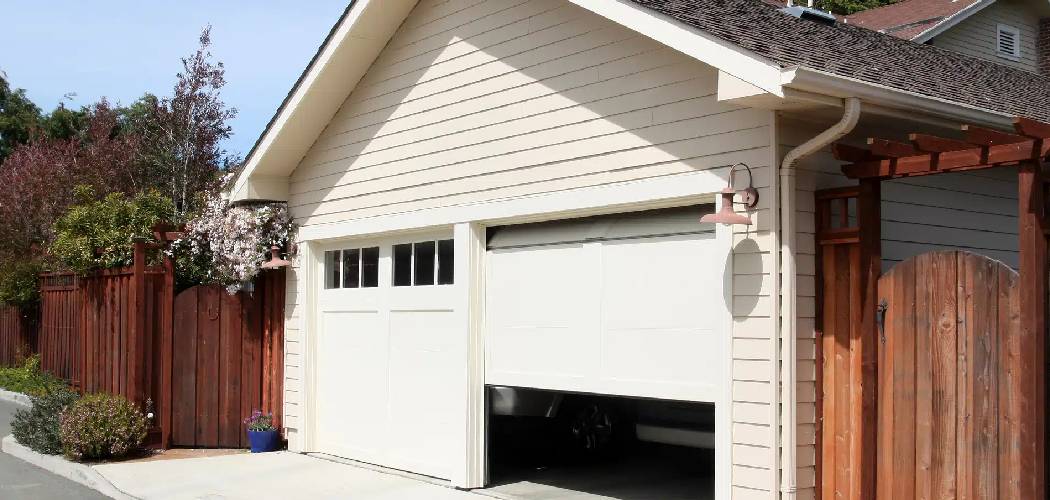
A power outage can strike at the most inconvenient times, often leaving you stuck inside or outside your garage. It’s a frustrating situation, especially when your car is trapped and you have places to be. While automatic garage door openers are incredibly convenient, they rely on electricity.
Thankfully, manufacturers have included a manual override system for exactly this scenario. Knowing how to open garage door with no power is a crucial skill for any homeowner. This guide will walk you through the process, ensuring you can access your garage and get on with your day, regardless of the electrical situation.
Step-by-Step Guide to Manually Opening Your Garage Door
Opening your garage door without power is a straightforward process. It involves disengaging the automatic opener and lifting the door by hand. Before you begin, take a moment to assess the situation. Is the power out in the whole neighborhood, or is it just your home? If it’s a wider outage, you can proceed with confidence.
If it seems isolated to your home, a tripped breaker could be the culprit. A quick check of your circuit breaker box might save you some effort. Once you’ve confirmed a power outage is the issue, you’re ready to get started.
Step 1: Ensure the Garage Door is Fully Closed
Safety is the top priority when dealing with a heavy garage door. Before you do anything else, you must ensure the door is in the fully closed, or “down,” position. Attempting to disengage the opener with the door partially or fully open is extremely dangerous. The door is under immense tension from its springs, and if it’s not properly secured, it could slam shut unexpectedly.
This could cause serious injury to anyone nearby or damage property, including your vehicle. If your door is stuck in an open position, do not attempt to disengage the opener. In this scenario, it is best to call a professional garage door technician for assistance. Once you have confirmed the door is securely on the ground, you can safely move to the next step.

Step 2: Locate and Unplug the Garage Door Opener
The next step is to disconnect the opener unit from its power source. Look for the power cord running from the motor unit (the box attached to the ceiling) to a nearby electrical outlet. Unplug it. This is a critical safety precaution.
It prevents the opener from unexpectedly re-engaging if the power suddenly comes back on while you are manually operating the door. Imagine lifting the door by hand, only for the motor to kick in; it could cause damage to the door, the opener mechanism, or even you. It only takes a second to unplug the unit, but it provides essential peace of mind.
Step 3: Find and Pull the Emergency Release Cord
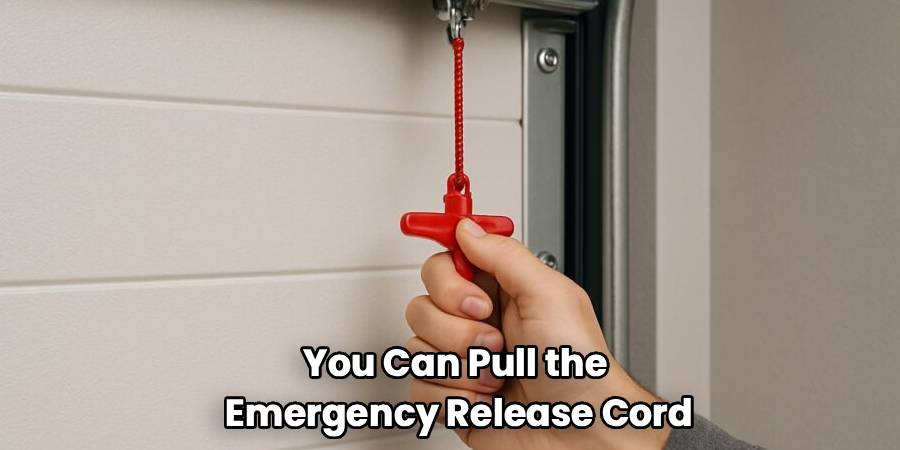
Now it’s time to find the garage door emergency release. Look for a red cord with a handle, usually plastic, dangling from the metal track that the garage door opener uses to move the door. This track is called the trolley. The red cord is your manual override. Its purpose is to disengage the trolley from the opener’s chain or belt drive, allowing the door to move freely.
Stand clear of the door’s path and give the cord a firm, downward pull. You should hear a distinct click or pop. This sound confirms that you have successfully disconnected the door from the automatic opener system. The trolley is now disengaged, and the door is free to be moved manually. Sometimes, you may need to pull the cord down and slightly back, toward the motor unit, to ensure it stays disengaged.
Step 4: Manually Lift the Garage Door
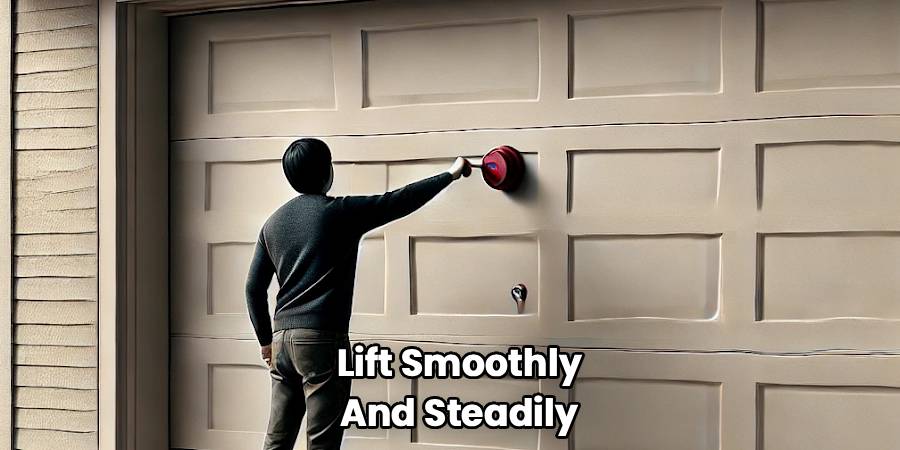
With the opener disengaged, you can now open the door by hand. Squat down and grab the bottom of the door with both hands, using a handle if one is available. Bend at your knees, not your back, and lift smoothly and steadily. If your garage door springs are properly balanced, the door should feel relatively lightweight and easy to lift. It shouldn’t require immense strength.
If the door feels excessively heavy or is difficult to move, stop immediately. This is a sign that one or more of the torsion springs may be broken or out of balance. Trying to force a door with a broken spring is dangerous and can lead to injury. In this case, your only safe option is to contact a garage door repair professional.
Once the door is fully open, make sure it stays in place. A well-balanced door should remain open on its own. If it starts to slide back down, you will need to prop it open securely with sturdy objects like locking pliers clamped onto the tracks on both sides.
Step 5: How To Open Garage Door With No Power From the Outside
What if your garage has no other entry points, and you find yourself locked out during a power failure? This is where an emergency release lock kit comes in handy. These kits are installed on the garage door itself, usually as a small, circular lock on one of the upper panels. To use it, you insert a key, turn it, and pull out the lock cylinder, which is attached to a cable.
Pulling this cable disengages the opener from the inside, just as the red cord does. You can then lift the door manually from the outside. If you don’t have one of these kits installed, it’s a wise and inexpensive investment for future peace of mind. Without an emergency release lock, your only option may be to call a locksmith or garage door company.
Step 6: Closing the Door and Re-engaging the Opener
After you’ve moved your car or done what you needed to do, you’ll need to close the door. Carefully lower it by hand until it is fully shut. Once the power is restored, you must re-engage the automatic opener. You can do this in a couple of ways.
First, you can pull the emergency release cord again, this time towards the garage door itself. This should re-engage the spring-loaded mechanism on the trolley. Alternatively, you can simply press the button on your remote or wall-mounted control. The opener will run its cycle, and the trolley will move along the track until it automatically reconnects with the door mechanism. You’ll hear another click as it locks back into place. To confirm it’s reconnected, run the opener through a full open-and-close cycle.
Frequently Asked Questions
Can I manually open a garage door with a broken spring?
You should never attempt to manually open a garage door if you suspect it has a broken spring. The springs are what do the heavy lifting; they are under extreme tension and counterbalance the door’s weight. Without their support, the full weight of the door—which can be several hundred pounds—will be on you. This is incredibly dangerous and can lead to the door crashing down, causing severe injury or property damage. Signs of a broken spring include a loud bang from the garage, a visible gap in the spring, or the door feeling extremely heavy. If you suspect a broken spring, leave the door alone and call a professional for repair.
What is the red cord in my garage for?
The red cord hanging from the garage door track is the emergency release cord. Its sole purpose is to disconnect the garage door from the automatic opener, allowing you to operate the door by hand. This is essential during a power outage or if the opener motor malfunctions. Pulling this cord detaches the door from the trolley shuttle, which is the part that moves along the track. This action makes it possible to manually open or close your garage door until power is restored or repairs can be made.
Is it safe to leave my garage door disengaged from the opener?
While you can technically leave the door disengaged, it is not recommended for security reasons. When the door is disconnected from the opener, the opener’s motor and mechanism no longer act as a lock. This can make the door more vulnerable to being forced open from the outside. The only thing keeping it shut is the door’s own weight. It’s always best practice to re-engage the opener as soon as the power comes back on. This ensures your garage is secure and that the automatic functions are ready to use when you need them.
Conclusion
Knowing how to open garage door with no power is a simple yet invaluable skill that can save you from a major inconvenience. By following these steps—ensuring the door is down, unplugging the opener, pulling the emergency cord, and lifting carefully—you can regain access to your garage safely and efficiently.
Remember to prioritize your safety by never attempting to lift a door that feels too heavy or has a broken spring. It’s also wise to test your emergency release mechanism every few months to ensure it functions correctly. This small bit of maintenance can provide immense peace of mind, preparing you for any unexpected power failure.