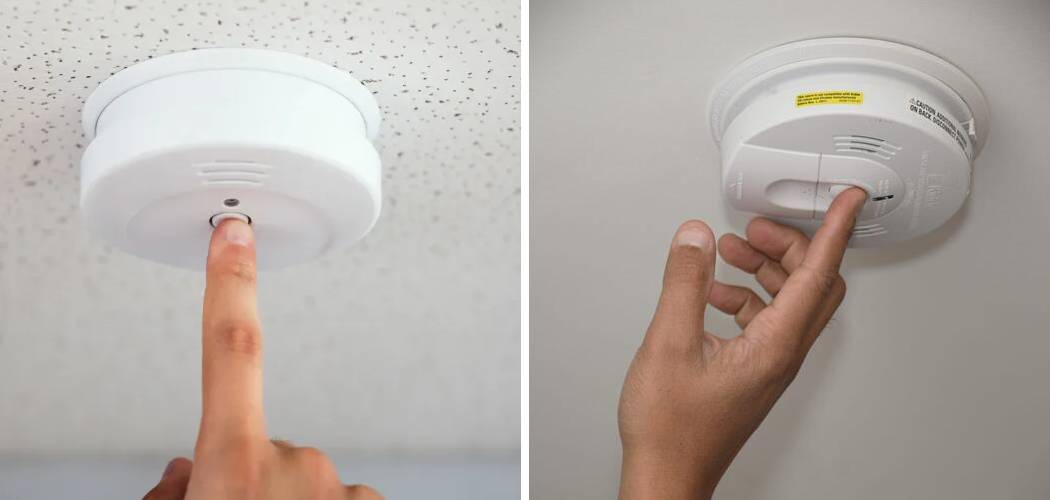
That faint, high-pitched chirp. It starts intermittently, just enough to make you question if you’re hearing things. Then, it becomes more persistent, a maddening beep that echoes through your home, often in the dead of night. You know it’s a smoke detector, but which one? The sound seems to come from everywhere and nowhere at the same time. Knowing how to tell which smoke detector is beeping is not just about restoring peace and quiet; it’s a critical part of home safety maintenance. A chirping alarm is a device asking for help, and figuring out its location is the first step to resolving the issue and keeping your home protected.
That disorienting chirp is a common frustration for homeowners. The sound can be difficult to pinpoint because it’s often short and high-frequency, bouncing off walls and creating an echo effect that fools your ears. This can turn a simple task like changing a battery into a frustrating game of hide-and-seek. But don’t worry, you’re not destined to wander your halls aimlessly. With a systematic approach, you can quickly locate the source of the sound and fix the problem, ensuring your life-saving devices are functioning correctly.
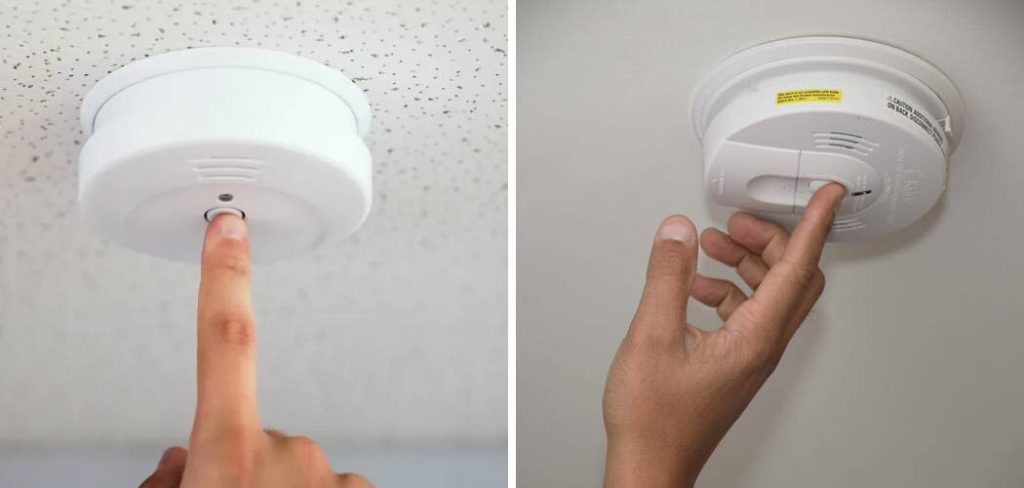
A Step-by-Step Guide to Finding the Chirping Smoke Detector
When you’re faced with that elusive beep, a little strategy goes a long way. Instead of just following the sound, which can be misleading, use this methodical process to pinpoint the culprit quickly and efficiently. This guide will walk you through the most effective techniques for locating the beeping alarm.
Step 1: Wait for the Chirp and Listen Carefully
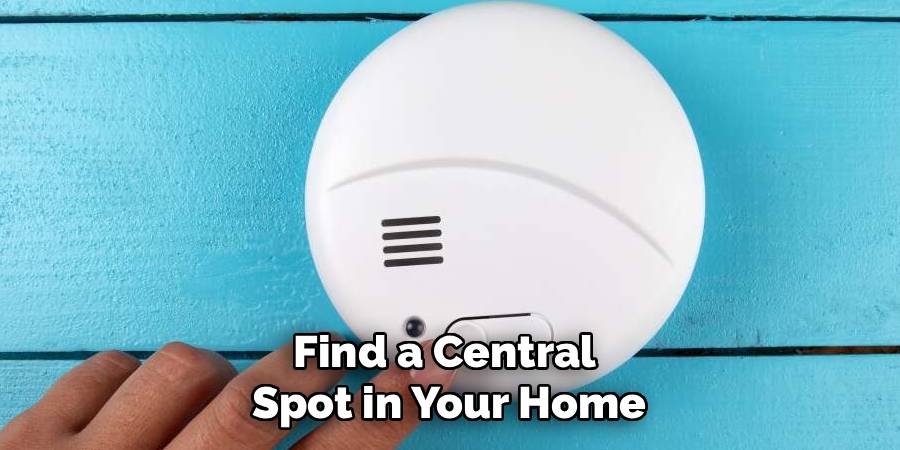
Patience is your best tool in this initial step. Smoke detectors with a low battery typically chirp once every 30 to 60 seconds. Rushing around the house between beeps will only lead to more confusion. Instead, find a central spot in your home, like a main hallway or living room. Stand still and quiet everything down. Turn off the TV, pause the music, and just listen. Waiting for the next beep without moving will give you a much better initial sense of the general direction the sound is coming from—upstairs, downstairs, or toward a specific end of the house. This initial assessment is crucial for narrowing down your search area.
Step 2: Use the “One-Ear” Method to Isolate the Sound
Once you have a general idea of the location, you can use a simple trick to further refine your search. Human hearing relies on both ears to determine the direction of a sound. By limiting your hearing to one ear, you can sometimes get a clearer sense of the source.
When you hear the chirp, cover one ear with your hand and listen. Then, cover the other ear. The sound will often seem noticeably louder in one ear, pointing you more accurately toward the source. You can also try turning your head slowly from side to side when the chirp occurs. The sound will be loudest when your ear is facing the alarm directly. This technique helps cut through the confusing echoes and gives you a more precise target.
Step 3: Conduct a Room-by-Room Search
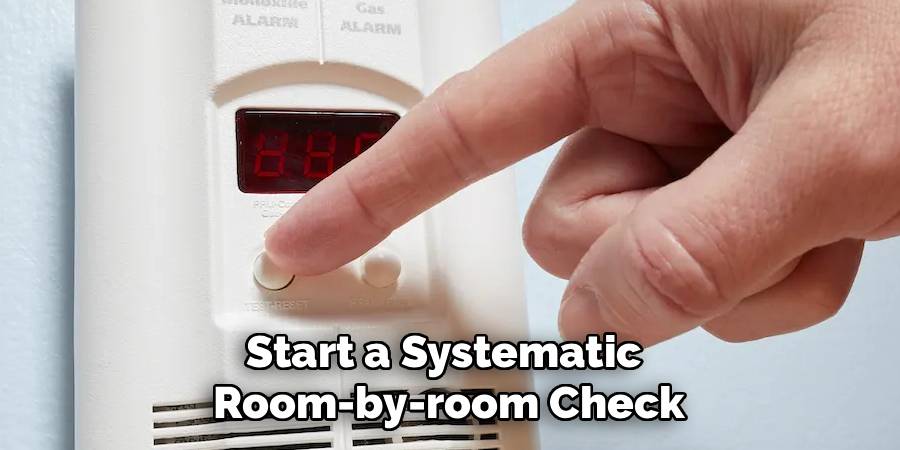
Now that you’ve narrowed down the area, it’s time to get moving. Go to the section of the house where the sound seems loudest and start a systematic room-by-room check. Enter a room, close the door to help isolate the sound, and wait for the chirp. If the beep is louder in that room, you’re getting close. If it’s fainter, you can rule that room out and move on to the next one.
Be thorough. Check all rooms, including closets, basements, and attics where smoke detectors might be installed. Standing in the center of each room and waiting for the beep is the most effective way to confirm or eliminate it as the source.
Step 4: Check All Alarms, Including Carbon Monoxide Detectors
Remember that it might not be a traditional smoke detector. Many homes have combination smoke and carbon monoxide (CO) alarms, and they often use a similar chirping sound to signal a low battery or fault. Furthermore, you may have standalone CO detectors plugged into wall outlets or hardwired into your system.
As you move through each room, visually inspect every alarm. Look for any indicator lights. A flashing red or green light might accompany the chirp. On many models, a flashing light is a dead giveaway that you’ve found the right unit. Don’t forget to check alarms in less-obvious places, like near your furnace, in the garage, or in hallways you don’t use often.
How To Tell Which Smoke Detector Is Beeping When They Are Interconnected
If your home has a system of interconnected, hardwired smoke alarms, troubleshooting can seem more complex, but it’s still manageable. In an interconnected system, when one detector senses smoke, all the alarms sound. However, for a low-battery chirp, only the specific unit with the weak battery will chirp. The challenge remains the same: finding that single, chirping unit. The methods above—listening from a central point, using one ear, and checking room by room—will still work. Additionally, on most modern interconnected systems, the initiating alarm will have a rapidly flashing red light, while the others will not. Finding the one with the frantic blinking light is your key.
Frequently Asked Questions
Even after you find the beeping alarm, you might have more questions. Here are answers to some of the most common queries about smoke detector behavior.
Why is my smoke detector beeping when it has a new battery?
This is one of the most frustrating scenarios. You’ve identified the detector, replaced the battery, but the chirping continues. There are a few common reasons for this. First, there might be some residual charge left in the detector that needs to be cleared. To do this, disconnect the alarm from any wiring, remove the battery, then press and hold the test button for about 15-20 seconds. This drains any remaining power. Then, install the new battery.
Another cause could be the battery drawer or cover not being closed completely. Most alarms have a small switch that is depressed when the cover is secure. If it’s not fully closed, the alarm will continue to chirp as a warning. Finally, dust or small insects can get inside the sensing chamber, causing a fault that the alarm interprets as an error, leading to a chirp. A can of compressed air can be used to gently clean it out.
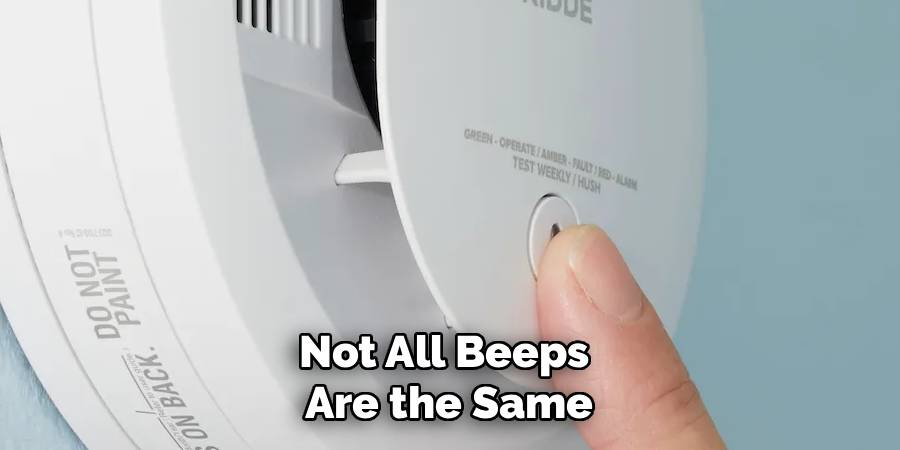
What do different smoke detector beeps mean?
Not all beeps are the same. Understanding the different patterns can help you diagnose the problem faster. A single, high-pitched chirp every 30-60 seconds almost always indicates a low battery. This is the most common sound you’ll hear.
In contrast, a loud, continuous, and ear-splitting series of three beeps—BEEP-BEEP-BEEP, pause, BEEP-BEEP-BEEP—is the actual smoke alarm. This means the device has detected smoke and you should follow your fire escape plan immediately. Carbon monoxide alarms have a different pattern, typically four quick beeps followed by a pause. Some alarms may also have a specific chirp pattern to indicate a malfunction or that the unit has reached its end-of-life, which is usually after about 10 years. Always consult your manufacturer’s manual to understand the specific signals for your model.
Can a power outage cause my smoke detector to beep?
Yes, a power outage can definitely cause beeping, especially with hardwired smoke detectors. These alarms are connected to your home’s electrical system but also have a backup battery. When the power goes out, the detectors switch to battery power. This sudden switch can sometimes cause the unit to chirp briefly. If the power outage is prolonged, it will start to drain the backup battery. If the battery is already weak, the detector will begin its low-battery chirp just as a battery-only model would. Once power is restored, some alarms might chirp for a bit as they reset and their batteries begin to recharge.
Conclusion
Successfully finding which smoke detector is beeping is a valuable skill for any homeowner. The next time you’re awakened by that persistent chirp, you’ll be prepared to tackle it with a calm, systematic approach rather than frantic searching. By listening carefully, isolating the sound, and performing a room-by-room check, you can quickly locate the problematic alarm.
Remember, a chirping smoke detector is not just an annoyance; it’s a vital safety device communicating a need. Whether it’s a low battery, a loose connection, or a sign that the unit needs to be replaced, addressing the issue promptly ensures your first line of defense against a fire is always ready. Regular maintenance, including monthly testing and timely battery replacement, will keep your home and family safe and give you peace of mind.