Whether it’s from a burnt dinner, a lingering cigarette, or a nearby wildfire, smoke has a way of overstaying its welcome. It’s heavy, it’s stubborn, and it seems to cling to every fabric and surface in your home. If you’ve ever walked into a room and felt like you were breathing in an ashtray, you know exactly how frustrating it can be.
You’re probably here because you’ve already tried opening a window or spraying a little air freshener, only to find the smell creeping back an hour later. That’s because smoke particles are microscopic and sticky. They embed themselves deep into carpets, curtains, and even the paint on your walls. But don’t worry—you don’t have to live with it. In this guide, we are going to walk through exactly how to get the smoke smell out of a room using methods that actually work, from simple DIY tricks to heavy-duty solutions.
We’ll cover everything from quick fixes for minor odors to deep-cleaning strategies for smells that just won’t budge. Let’s clear the air and make your home feel fresh again.
Step-by-Step Guide to Removing Smoke Odors
Removing smoke smell isn’t just about masking the odor; it’s about neutralizing the particles causing it. This process requires a bit of patience and a multi-pronged approach. We’ve broken this down into actionable steps so you can tackle the problem systematically.
Step 1: Ventilate and Circulate the Air
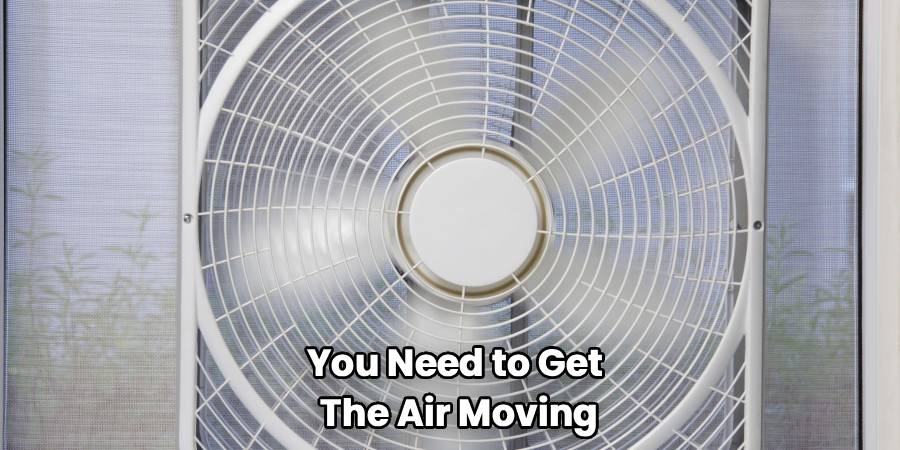
Before you start scrubbing, you need to get the air moving. Smoke lingers in stagnant air, so your first line of defense is fresh airflow. Open every window and door you can. If you have a cross-breeze, that’s even better.
Place portable fans in windows pointing outward to suck the smoky air out of the room, rather than just blowing it around. If you have ceiling fans, turn them on the highest setting. This helps dislodge smoke particles that have settled on surfaces and pushes them toward your exhaust points. Sunlight is also a natural disinfectant, so open those blinds and let the UV rays help neutralize the odors.
Step 2: Clean the Hard Surfaces
Smoke residue, often called thirdhand smoke, creates a yellowish film on hard surfaces. You might not see it immediately, but it’s there, releasing odor back into the room. You need to wipe down everything—walls, ceilings, windows, baseboards, and furniture.
A simple mixture of warm water and white vinegar is incredibly effective here. Vinegar for smoke odor acts as a natural acid that cuts through the tar and resin left behind by smoke. Don’t forget the less obvious spots like light bulbs (which release odors when they heat up), ceiling fan blades, and the tops of door frames. For walls, wash from the bottom up to prevent streaking.
Step 3: Tackle Soft Surfaces and Fabrics
This is often the toughest part. Fabrics are like sponges for smoke. If you skip this step, get the smoke smell out of a room becomes an impossible task because the scent remains trapped in your couch cushions and carpets.
- Curtains and Drapes: Take them down and wash them according to the label. If they are dry-clean only, take them to a professional.
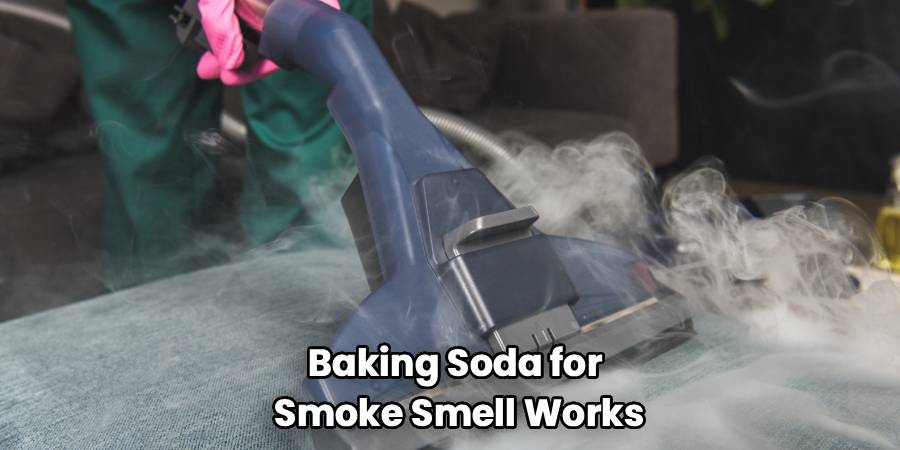
- Upholstery: Sprinkle baking soda generously over your sofas and chairs. Baking soda for smoke smell works by absorbing the acidic smoke compounds. Let it sit for at least a few hours—or overnight if you can—before vacuuming it up.
- Carpets and Rugs: Similar to upholstery, use baking soda or a specialized carpet deodorizer. For deep-set smells, you may need to rent a steam cleaner. The heat helps lift the tar from the fibers.
Step 4: Use Natural Odor Absorbers
Once you’ve done the heavy cleaning, you need to address the lingering airborne particles. You don’t always need harsh chemicals for this; nature provides some powerful tools.
- Activated Charcoal: This is a powerhouse for filtration. Activated charcoal for smoke is highly porous and traps odor-causing molecules effectively. Place small bags of activated charcoal around the room in discreet corners.
- Vinegar Bowls: It sounds strange, but leaving bowls of white vinegar out for 24 hours can help neutralize smoke smell in the air. The vinegar smell will dissipate quickly, taking the smoke odor with it.
- Coffee Grounds: Dried coffee grounds also work well to absorb bad smells. Place them in shallow bowls in the affected areas.
Step 5: Repaint Walls (For Severe Cases)
If the smoke damage is from years of heavy indoor smoking or a fire, cleaning might not be enough. The smoke may have penetrated the drywall itself. In this case, you need to seal the odor in.
Do not just paint over the smell; it will eventually bleed through. You must use a specialized odor-blocking primer (often shellac-based or oil-based) before applying your topcoat. This creates an impermeable barrier that prevents the smoke molecules from escaping back into the room.
Step 6: Using Technology to Clear the Air
Sometimes, elbow grease isn’t enough, and you need technology to lend a hand.
- Air Purifiers: High-quality air purifiers for smoke equipped with HEPA filters and activated carbon filters can scrub the air continuously. They are excellent for maintenance after you’ve done the deep cleaning.
- Ozone Generators: This is the “nuclear option.” An ozone generator for smoke creates ozone (O3), which chemically reacts with smoke molecules and destroys them. However, ozone is harmful to breathe. You must use this machine in an unoccupied room—no people, no pets, and remove your plants. Follow the safety instructions religiously, ventilating the room thoroughly for hours after the treatment before re-entering.
Step 7: Clean Your HVAC System
If you have central heating or air conditioning, smoke has likely been pulled into your ductwork. Every time you turn on the AC, you’re just blowing that dusty, smoky air back into your freshly cleaned room. Change your air filters immediately—high MERV rating filters (MERV 11 or higher) are best for trapping smoke. If the smell persists, you may need to hire a professional to clean the ducts.
Step 8: Wash Your Clothes
Don’t forget the clothes in your closet. Even if the closet door was closed, smoke is sneaky. You don’t necessarily have to wash everything, but sniffing check is required. If your clothes smell, wash them with a cup of vinegar in the rinse cycle to help break down the odor before using your regular detergent.
Step 9: Addressing Wooden Furniture
Wood is porous and can hold onto smoke smells for a long time. Avoid using harsh chemical cleaners that can strip the finish. Instead, use a wood soap or a mixture of olive oil and vinegar to gently wipe down the surfaces. For unvarnished wood (like the inside of drawers), sanding it down lightly can remove the top layer of wood that has absorbed the smoke.
Step 10: The Final Sniff Test
After completing all these steps, leave the room, go outside to get some fresh air in your nose (to reset your sense of smell), and walk back in. If you still detect a faint odor, you may need to repeat the baking soda treatment on soft surfaces or consider a second round of wall washing. Persistence is key when you want to remove smoke smell completely.
Frequently Asked Questions
When dealing with stubborn odors, questions always pop up about what works best and what is safe. Here are some answers to the most common queries about smoke removal.
Is vinegar really effective for smoke odors?
Absolutely. Using vinegar for smoke odor is one of the oldest and most reliable tricks in the book. The acetic acid in vinegar binds with the volatile organic compounds (VOCs) in smoke, effectively neutralizing them rather than just covering them up. While the room might smell like a salad dressing for a few hours, that scent vanishes as it dries, leaving the air neutral.
How long does it take for cigarette smoke to leave a room?
This depends entirely on the severity. If it was a one-time occurrence (like a burnt toast incident or one guest smoking), proper ventilation can clear it in a few hours. However, for a room where someone has smoked regularly for years, the smell can linger for months or even years without deep cleaning, as the tar has soaked into the walls and floors.
Can air purifiers completely remove smoke smell?
Air purifiers for smoke are excellent tools, but they work best as part of a system. They are great at capturing airborne particles, but they cannot pull smoke residue out of your carpet or sofa. You need to clean the sources of the smell (fabrics, walls) first, and then use the air purifier to polish the air and keep it fresh. Look for purifiers with activated carbon filters specifically, as HEPA filters handle dust but carbon handles gas and odor.
Is an ozone generator safe to use?
An ozone generator for smoke is highly effective but comes with significant risks. Ozone is a lung irritant. It can damage your respiratory system and can even harm rubber and plastic materials in your home if used too often. It should only be used as a last resort for severe odors, and strictly in unoccupied spaces. Always air out the room for at least 4 hours after the machine turns off before going back inside.
Will painting cover up the smoke smell?
Painting alone usually won’t work. Latex paint is porous, and smoke molecules can travel right through it eventually. To truly get rid of cigarette smell on walls, you must apply a high-quality stain-blocking and odor-blocking primer first. This seals the wall so the odor cannot pass through to the new layer of paint.
Can I use steam cleaning on all furniture?
Steam cleaning is great for many fabrics, but check the manufacturer’s cleaning codes on your furniture first. Some delicate fabrics (like silk or velvet) or certain types of microfiber can be damaged by water or heat. In those cases, rely on dry methods like baking soda or professional dry cleaning.
What is thirdhand smoke?
Thirdhand smoke is the residual contamination from tobacco smoke that settles on surfaces and dust. It re-emits gas and can react with other chemicals in the air to form carcinogens. This is why just “airing out” a heavy smoker’s room doesn’t work; you have to physically remove the residue from surfaces to stop the off-gassing.
Can I just use scented candles or sprays?
While they might make the room smell nicer temporarily, candles and sprays only mask the odor. They add a layer of perfume over the smoke, resulting in a confusing mix of lavender and burnt tobacco. To truly fix the issue, you must neutralize smoke smell by removing the particles, not just hiding them.
Does boiling lemon water help?
Yes, this is a great quick fix! Boiling a pot of water with sliced lemons creates steam that helps hydrate the air (smoke does better in dry air) and the citrus oils help cut through the odor. It’s a great way to freshen up the air after a minor cooking mishap.
How do I clean smoke smell from books?
Books are tricky because paper absorbs odor easily. A good trick is to place the smelly book in a sealed plastic bag or container with some baking soda or activated charcoal (don’t let the powder touch the book directly). Leave it for a few days to a week. The absorber will pull the odor out of the pages.
Conclusion
Reclaiming your home from the grip of smoke odors takes a little bit of work, but the result is a healthier, fresher living space. By following these steps—ventilating, deep cleaning fabrics, washing hard surfaces with vinegar, and utilizing tools like activated charcoal or air purifiers—you can breathe easier.
Remember that smoke is stubborn, and sometimes you have to be stubborn right back. Whether you are dealing with a minor kitchen mishap or trying to rehab a former smoker’s den, the key is to be thorough. Don’t skip the walls, don’t ignore the curtains, and give your cleaning solutions time to work.
If you have tried everything and the smell persists, you might be dealing with insulation or drywall damage that requires professional remediation. But for most situations, the methods outlined here on how to get the smoke smell out of a room will do the trick. So open those windows, grab that baking soda, and get ready to enjoy a home that smells like home again—clean, fresh, and smoke-free.