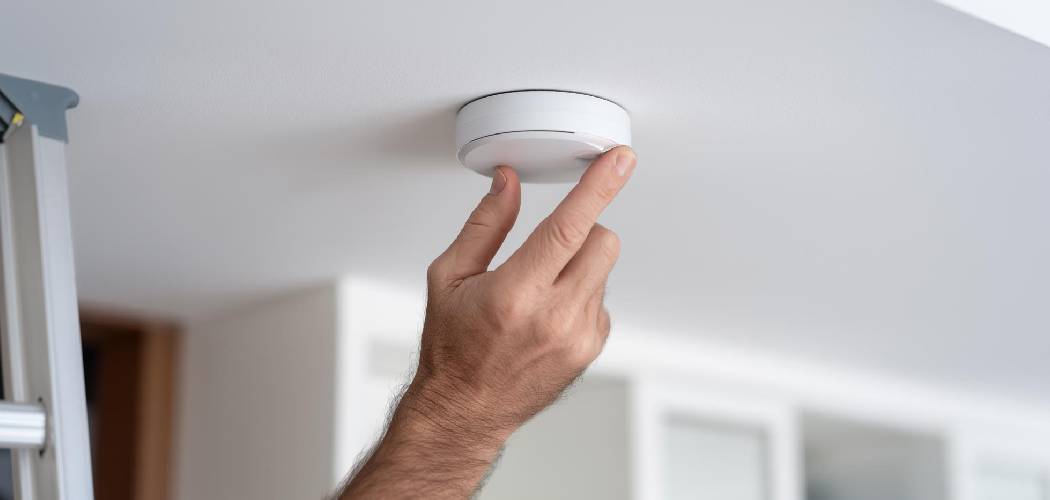
We have all been there. It’s 3:00 AM, and a piercing chirp echoes through the hallway. You grab the stepladder, fumble with the plastic casing, and finally silence the noise. But once you have that old, yellowed plastic disc in your hand, a new problem arises: what on earth do you do with it? You can’t just toss it in the kitchen bin, and you probably have a sneaking suspicion that there is something hazardous inside.
You aren’t wrong. Many older units contain small amounts of radioactive material, which makes disposal tricky. If you are staring at that old device and wondering how to recycle smoke detectors safely and legally, you have come to the right place. It is not as simple as dropping a soda can in a blue bin, but with a little guidance, you can dispose of these life-saving devices responsibly without harming the environment. In this guide, we will walk through exactly why these devices require special care and the specific steps you need to take to get them out of your home.
The Hidden Hazard: Why You Can’t Just Throw Them Away
Before we jump into the process, it helps to understand what we are dealing with. Most people don’t realize that smoke alarms generally fall into two categories: photoelectric and ionization.
Photoelectric alarms use light to detect smoke. These are essentially electronic waste, similar to an old calculator or computer mouse. They contain circuit boards and plastic, which can be recycled at most e-waste facilities.
Ionization alarms, however, are the troublemakers. They are excellent at detecting fast-flaming fires, but they do this using a tiny amount of a radioactive isotope called Americium-241. While the amount is microscopic and harmless to you while the unit is on your ceiling, it becomes a major environmental issue when millions of them pile up in landfills. If the casing breaks in a landfill, that radioactive material can leach into the soil and groundwater. That is why municipal trash services usually ban them from curbside pickup.
Knowing the difference is the foundation of responsible disposal. Now, let’s look at the process.
Step-by-Step Guide to Recycling Your Smoke Alarm
Disposing of these devices takes a bit of effort, but it is a manageable task. By following these steps, you ensure safety for yourself and sanitation workers.
Step 1: Identify What Type of Detector You Have
Your first task is detective work. Flip the smoke detector over and look at the label on the back. You are looking for specific wording or symbols. If you see a radiation symbol (the trefoil resembling a fan) or mentions of “Americium-241,” “Am-241,” or “Radioactive,” you have an ionization smoke detector. These are the ones that require strict adherence to hazardous waste protocols.
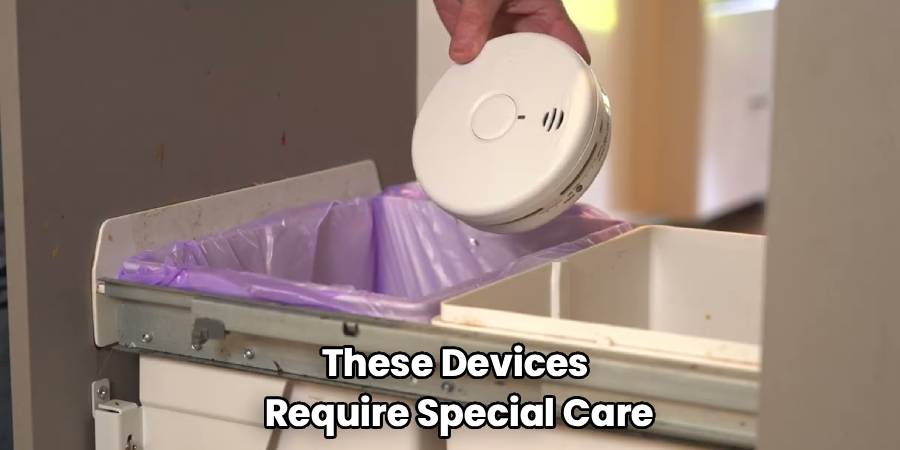
If you do not see any of these warnings, look for the word “Photoelectric.” If the label clearly states it is photoelectric, you are in luck. You can typically treat this unit as standard electronic waste. You can drop it off at a local electronics recycling event or a facility that takes old computers and TVs. However, if the label is worn off or you are unsure, it is always safer to assume it is an ionization unit and treat it as hazardous material.
Step 2: Check for Manufacturer Take-Back Programs
This is often the easiest route. Many major manufacturers recognize the difficulty of disposing of their products and offer mail-in recycling programs. Brands like First Alert, Kidde, and Curie Environmental have established protocols for taking back old units.
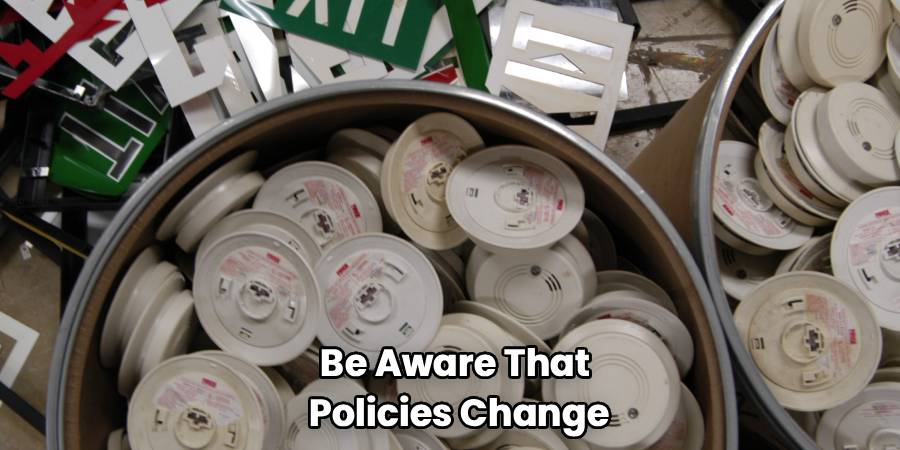
Look for the manufacturer’s name on the back of the alarm. Visit their website or call their customer support line to ask about a “take-back program.” Some companies will provide a shipping address where you can send the unit. Be aware that policies change; some might take them back for free, while others might charge a small environmental fee to process the radioactive material. If they do accept it, they will usually give you a specific reference number to write on the package, ensuring it gets routed correctly once it hits their loading dock.
Step 3: Remove the Batteries and Mounting Plate
Regardless of where the unit is going, you must remove the power source. Almost all smoke detectors, even hardwired ones, have a backup battery. Open the battery compartment and take out the 9-volt or AA batteries.
Batteries should be recycled separately. Most hardware stores and libraries have battery recycling bins. Do not leave the battery inside the smoke detector when you ship it or drop it off, as loose batteries can corrode or, in rare cases, cause short circuits during transport.
You should also unscrew or unclip the mounting plate (the piece that screws into the ceiling). This is usually just rigid plastic. You can typically throw the mounting plate in your regular household recycling bin if your local program accepts rigid plastics. This reduces the weight and bulk of what you need to ship or drop off.
Step 4: Locate a Local Hazardous Waste Facility
If the manufacturer doesn’t have a program, or if you prefer not to pay for shipping, your next stop is your local government. Most counties and municipalities operate Household Hazardous Waste (HHW) collection centers. These are the same places that take old paint, pesticides, and motor oil.
Do not just drive there, though. Call ahead or check their website. Some facilities have specific “hazmat days” only once a month. Others might accept e-waste but specifically reject radioactive smoke detectors. When you call, be specific. Tell them, “I have an ionization smoke detector containing Americium-241.”
If your local facility refuses them, they often maintain a list of private companies or regional events that will accept them. This step requires patience, as regulations vary wildly from one town to the next.
Step 5: Prepare the Device for Transport
Whether you are mailing the unit back to the manufacturer or driving it to a collection center, safety is paramount. You want to ensure the device remains intact.
Start by wrapping the smoke detector in bubble wrap or a few layers of newspaper. If you are mailing it, use a sturdy cardboard box—never a soft envelope. The unit needs to be protected from being crushed, which could expose the radioactive sensing chamber.
When figuring out how to recycle smoke detectors, the packaging step is often where people get lazy, but it is critical. If you are shipping it, standard postal regulations usually allow you to mail intact smoke detectors via surface mail, provided they are properly packaged and labeled. However, you should check with the carrier (USPS, UPS, FedEx) regarding their specific policies for “UN2911” or “instrument and articles” shipping guidelines. Generally, because the radiation level is so low, it is exempt from the strictest hazmat shipping rules, but the device must be intact.
Step 6: Avoid Dismantling the Unit
It might be tempting to take the alarm apart to separate the plastic from the metal, thinking you are helping. Do not do this. The ionization chamber inside is engineered to contain the radioactive isotope safely. If you crack that chamber open, you risk contaminating your hands, your tools, and your workspace. The recycling facility has specialized machinery and trained personnel to dismantle these units safely. Your job is simply to get the unit to them in one piece.

Common Mistakes to Avoid
Even with good intentions, many homeowners make errors that can complicate the recycling process. One of the most common mistakes is hoarding. People often shove the old detector in a garage drawer and forget about it. Ten years later, they have a box of five or six decaying units. While not immediately dangerous, old plastics become brittle. If you drop that box, the units can shatter, potentially exposing the internal components. It is far better to deal with each unit as you replace it.
Another frequent error is assuming fire stations will take them. Decades ago, some fire departments acted as collection points. Today, very few do because they don’t want to be responsible for storing hazardous waste. Always call your local non-emergency fire line before driving over with a box of old alarms; otherwise, you might be turned away.
Finally, avoid the “wish-cycling” trap. This is when you toss the unit in your curbside blue bin hoping the recycling center will “figure it out.” They won’t. It will likely contaminate a load of good recyclables or, worse, trigger radiation sensors at the waste management facility, causing a shutdown and a headache for everyone involved.
Frequently Asked Questions
Are smoke detectors actually dangerous to touch?
Generally, no. The radioactive material is shielded inside a metal chamber within the plastic casing. As long as the unit is intact, you can handle it safely. The radiation emitted is extremely weak—so weak that it cannot even penetrate a piece of paper or the layer of dead skin cells on your hand. The danger only arises if the unit is crushed, incinerated, or dismantled, allowing the material to be inhaled or ingested.
How often should I replace my smoke detectors?
The National Fire Protection Association recommends replacing smoke detectors every 10 years. Over time, the sensors degrade. Dust accumulates, electronic components wear out, and the radioactive source in ionization alarms decays slightly, making them less reliable. You can find the date of manufacture printed on the back of the unit. If there is no date, it is likely older than 10 years and should be replaced immediately.
Can I replace an ionization alarm with a photoelectric one?
Yes, and many fire safety experts recommend it. Photoelectric alarms are generally better at detecting smoldering fires (like a couch catching a spark from a fireplace), which are common in homes. They are also less prone to nuisance alarms from cooking. Furthermore, because they do not contain radioactive material, they are much easier to dispose of when they expire. Many modern alarms combine both technologies or use advanced sensors to eliminate the need for radioactive elements entirely.
Does it cost money to recycle smoke detectors?
It depends on the method you choose. Municipal hazardous waste drop-off days are often free for residents (paid for by your local taxes). However, mail-back programs usually require you to pay for postage, and some companies charge a small disposal fee per unit (often between $5 and $10). While it might be frustrating to pay to throw something away, consider it a small investment in keeping radioactive isotopes out of your local water supply.
What if I have a “dual-sensor” smoke detector?
Dual-sensor detectors utilize both ionization and photoelectric technologies. Because they contain the ionization component, you must treat the entire unit as a radioactive device. You cannot separate the two parts. Follow the same guidelines for ionization detectors: check for manufacturer take-back programs or take it to a hazardous waste facility.
Conclusion
Understanding how to recycle smoke detectors is a small but vital step toward a safer planet and a healthier home. While it requires more effort than simply taking out the trash, proper disposal ensures that radioactive materials are handled by professionals rather than leaking into our ecosystem.
By taking the time to identify your device, preparing it correctly, and finding the right facility, you are closing the loop on a product that has served its purpose in keeping your family safe. So, the next time that ten-year-old alarm starts chirping its final goodbye, you will know exactly what to do. Grab a ladder, check the label, and make the responsible choice.