Is there anything more jarring than the piercing shriek of a fire alarm when there is absolutely no fire? Maybe you just opened the oven door to check on a roast, or perhaps the humidity from a hot shower drifted into the hallway. Suddenly, your quiet evening is shattered by a noise designed to wake the dead. Panic sets in. You grab a towel, you fan the air, maybe you even open a window, but that relentless beeping won’t stop. If you are frantically searching for how to turn off smoke detector alerts while your dog barks and your ears ring, take a deep breath. We are going to fix this together.
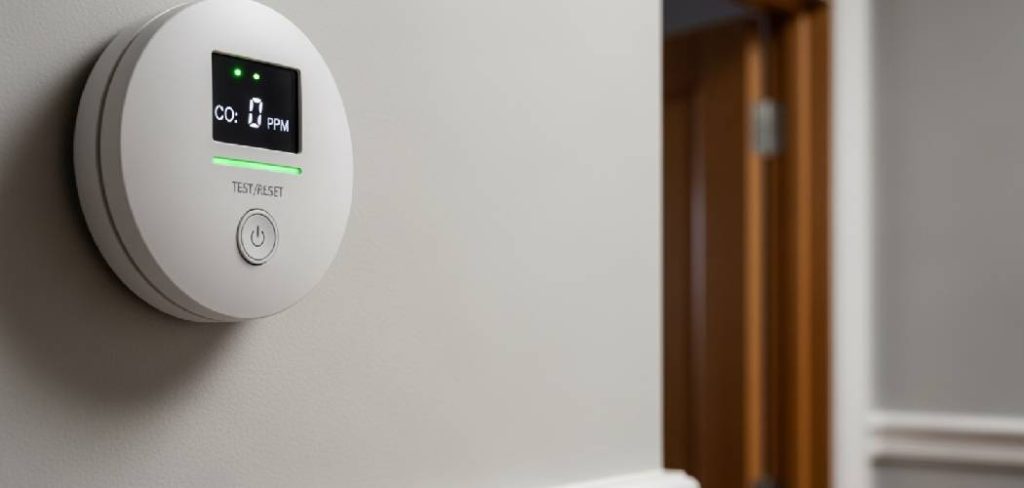
It is a situation almost every homeowner and renter has faced. While these devices are critical for safety, they can be incredibly temperamental. Whether it is a dying battery, a bit of dust, or just burnt toast, a false alarm is a nuisance that needs an immediate solution.
This guide covers everything you need to know to safely silence that noise. We will look at battery-operated units, hardwired systems, and the smart sensors that are becoming more common. By the end of this post, you’ll know exactly what to do to get some peace and quiet back into your home.
Step-by-Step Guide on How to Turn Off Smoke Detector
Before you do anything, ensure there is no actual fire. It sounds obvious, but in the heat of the moment (pun intended), frustration can sometimes override caution. Once you have confirmed that the only thing burning is your patience, follow these steps to restore silence.
Step 1: Identify Your Alarm Type
Not all detectors are built the same, and knowing what you are dealing with is half the battle. Generally, you will encounter two main types: battery-operated and hardwired.
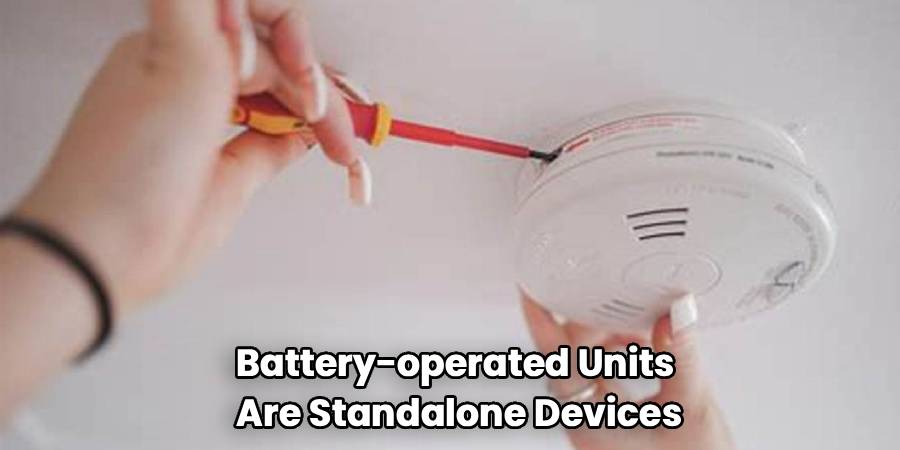
Battery-operated units are standalone devices. They usually run on a 9-volt battery, AA batteries, or a sealed 10-year lithium battery. You can identify them easily because they don’t have wires running into the ceiling when you twist them off the mount.
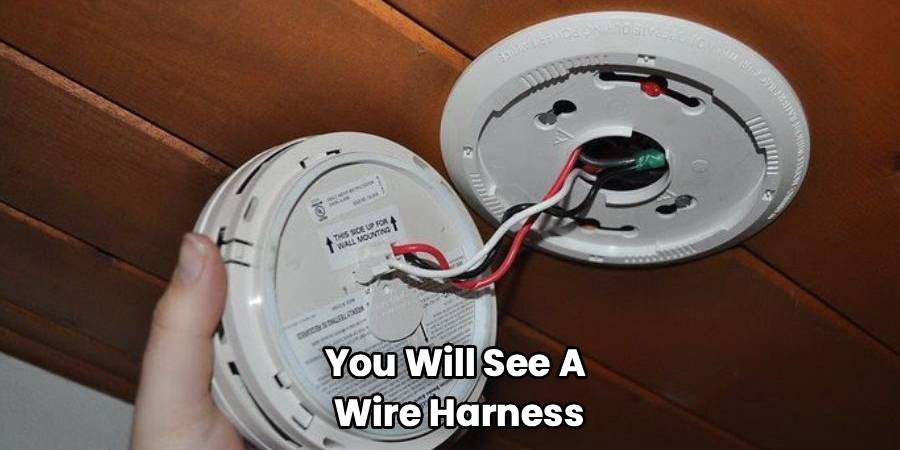
Hardwired units are connected to your home’s electrical system. These almost always have a battery backup so they work when the power goes out. If you twist the unit and see a bundle of wires connecting it to the ceiling, you have a hardwired system. This distinction is crucial because simply removing the battery won’t kill the power to a hardwired unit; the house current will keep it shrieking.
Step 2: Utilize the Silence Button
Most modern units have a feature specifically designed for false alarms, often labeled as “Hush,” “Silence,” or simply “Test.” If you have burnt dinner and the alarm is blaring, this is your first line of defense.
Press and hold this button for a few seconds. If the smoke density isn’t too high, this should temporarily silence smoke detector alarms for about 8 to 10 minutes. This gives you time to clear the air. If the smoke is too thick, the override might not work, and you will need to ventilate the room first.
Step 3: Fan the Sensor to Clear the Air
If the button doesn’t work, you need to physically move the smoke away from the sensor. Smoke detectors work by sensing particles in the air. Until those particles are gone, the alarm will continue to trigger.
Open windows and doors to create a cross-breeze. Grab a magazine, a towel, or a piece of cardboard and fan air vigorously near the unit. You are trying to push clean air into the sensor chamber to displace the smoky air. This is often the fastest way to stop smoke alarm beeping caused by cooking mishaps.
Step 4: How To Turn Off Smoke Detector Systems That Are Hardwired
This is the tricky part that stumps most people. If you have a hardwired unit that is malfunctioning or won’t stop beeping despite clear air, you have to disconnect it from both power sources.
First, you need to remove the unit from the ceiling bracket. usually, this involves twisting the device counter-clockwise. Once it hangs down, you will see a wire harness (usually three wires plugged into the back). Squeeze the plastic clips on the plug and pull it away from the unit.
Now the unit is disconnected from the house power, but it might still be making noise because of the backup battery. You must remove the backup battery to fully kill the power. Once the wire is unplugged and the battery is out, the unit should be completely dead.
Step 5: Dealing with Sealed Lithium Batteries
Newer models often come with a “sealed 10-year battery.” You cannot open the battery compartment on these. If one of these is malfunctioning or has reached the end of its life, you usually have to permanently deactivate it.
Look for a deactivation switch or a slot on the back of the unit. You might need a small screwdriver to turn a switch or break a plastic tab. Be warned: once you deactivate these units, they cannot be turned back on. You will need to buy a replacement immediately. This is effectively how to disable smoke alarm units of this type permanently.
Step 6: Discharge the Residual Charge
Sometimes, even after you remove the battery and disconnect the wires, the unit chirps one or two more times. This is due to residual charge in the capacitor.
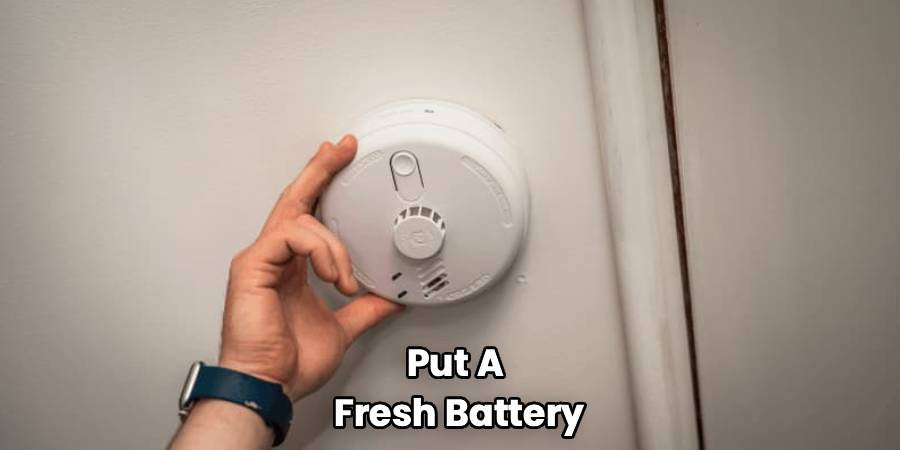
To fix this, take the battery out and unplug the unit. Then, press and hold the “Test/Silence” button for 15 to 20 seconds. This drains any remaining electricity left inside the device. It is a “hard reset” for your smoke detector. When you put a fresh battery in and reconnect it, it should be silent.
Step 7: Clean the Dust Out
If the alarm was going off for no apparent reason—no cooking, no steam—it might be dirty. Dust, cobwebs, and even tiny insects can interfere with the sensors, causing the unit to “think” there is smoke.
Use a vacuum cleaner with a soft brush attachment to clean around the openings of the alarm. Alternatively, you can use a can of compressed air (like you use for computer keyboards) to blow out the sensor chamber. Regular cleaning can prevent you from having to figure out the process of how to turn off smoke detector false alarms in the future.
Frequently Asked Questions
When your ears are ringing, you just want answers. Here are the most common questions people ask when dealing with a noisy alarm system.
Why is my smoke detector chirping periodically?
A continuous blast means smoke, but a periodic “chirp” (usually once every 30 to 60 seconds) signals a different problem. In 90% of cases, this sound means the battery is low. The device is letting you know it needs a fresh power source.
However, if you put in a new battery and it still chirps, check the “use by” date on the battery. Smoke alarms are picky and require fresh, high-quality alkaline or lithium batteries. If the battery is good, the unit itself might be expired. Smoke detectors have a lifespan of about 10 years. Check the manufacture date on the back; if it’s over a decade old, the chirping is a “end of life” warning, and the whole unit needs to be replaced.
How do I temporarily disable smoke detector while cooking?
If you are about to sear a steak and you know it’s going to get smoky, you might be tempted to take the battery out beforehand. While effective, this is dangerous because it’s easy to forget to put it back.
A better method is to use a shower cap or a plastic bag secured with a rubber band to cover the unit temporarily. This stops smoke from entering the chamber. However, you must—absolute must—place a visual reminder somewhere obvious, like hanging the shower cap bag on the doorknob or leaving a sticky note on the stove controls, so you remember to remove the cover immediately after cooking.
Why do all my alarms go off at once?
If you live in a modern home (built in the last 20-30 years), your smoke detectors are likely interconnected. This is a safety feature: if a fire starts in the basement, the alarm in your upstairs bedroom will sound so you can hear it while sleeping.
The downside is that a false alarm in one room triggers the whole house. To stop the noise, you have to find the “initiating unit.” This is the one actually sensing the smoke. It will usually be the only one flashing a red LED rapidly, while the others just sound the horn. You have to silence or clear the air around that specific unit to stop the rest of them.
Can humidity set off my alarm?
Yes, absolutely. Ionization smoke detectors, which are very common, can mistake dense steam for smoke particles. If your alarm is located right outside a bathroom, a long, hot shower can trigger it.
To fix this, ventilate the bathroom by running the exhaust fan or opening a window before opening the bathroom door. If this happens constantly, consider moving the detector slightly further away from the bathroom door or switching to a photoelectric sensor model, which is less sensitive to steam but still effective at detecting fires.
What is the difference between ionization and photoelectric alarms?
Understanding this can help you reduce false alarms. Ionization alarms are more responsive to flaming fires (like a grease fire) but are notorious for nuisance alarms caused by cooking smoke. Photoelectric alarms are better at detecting smoldering fires (like a cigarette on a couch) and are generally less prone to false alarms from burnt toast.
For the kitchen area, a photoelectric alarm is often a better choice to reduce nuisance tripping. Many safety experts recommend “dual-sensor” alarms that combine both technologies for maximum safety.
Is it safe to just unplug the alarm?
It is never safe to leave a smoke detector disabled. If you have to disconnect a hardwired unit or remove a battery to stop a malfunction, you are leaving your home and family vulnerable.
If a unit is broken, replace it immediately. Hardware stores carry them, and they are relatively inexpensive. If you cannot get to a store right away, move a working battery-operated unit from a less critical area (like a guest room) to the main hallway or sleeping area until you can buy a replacement.
Conclusion
How to turn off smoke detector false alarms is a skill that saves your sanity, but maintaining the device is what saves your life. We have all felt the urge to rip the device off the ceiling and throw it in a drawer, but a silenced alarm is a useless alarm.
By understanding whether you have a battery or hardwired system, utilizing the hush button, and keeping the sensors clean from dust, you can minimize those heart-stopping false alarms. Remember, if your unit is over 10 years old, no amount of battery changing will fix the chirping—it’s time for a new one. Treat your smoke detectors with care, check them monthly, and they will be there to protect you when it truly counts. Stay safe and enjoy the silence!