Losing your vehicle keys is one of the most frustrating experiences a driver can face, especially if you are stranded in a remote location or need to move a farm vehicle urgently. While it might seem like a scenario reserved for action movies, understanding the mechanics of your ignition system is a valuable skill for emergencies.
This guide is designed strictly for vehicle owners who find themselves in a bind with a lost key or a broken ignition cylinder. It is crucial to approach this process with patience and a strong focus on safety to prevent damage to the vehicle’s electrical system. Throughout this article, we will explain how to start a truck without a key using standard emergency methods applicable to many older truck models. Please remember that these techniques are intended solely for vehicles you legally own or have explicit permission to operate.
Why You Might Need to Bypass Your Ignition
There are several legitimate reasons why a truck owner might need to bypass the standard ignition cylinder. The most common scenario involves lost or misplaced keys, particularly during outdoor activities like camping, farming, or off-roading where a locksmith is not easily accessible. Another frequent issue arises in older work trucks where the ignition cylinder itself fails mechanically. Over time, the tumblers inside the lock can wear down, refusing to turn even when you have the correct key inserted.
Additionally, keys can sometimes snap off inside the lock, rendering the standard starting method impossible. Understanding the wiring behind the plastic covers allows you to start the engine and move the truck to a repair shop or back to safety. It transforms a desperate situation into a manageable mechanical task, provided you have a basic understanding of 12-volt electrical systems and the right tools on hand.
10 Step Methods Guide on How to Start a Truck Without a Key
Step 1: Secure the Vehicle and Ensure Safety
Before you attempt to touch any wiring or dismantle the steering column, you must completely secure the vehicle to prevent accidents. This is the most critical preparation phase because bypassing the ignition safety interlocks can sometimes cause the vehicle to lurch forward if it is in gear. You should start by engaging the parking brake as firmly as possible to ensure the wheels are locked.
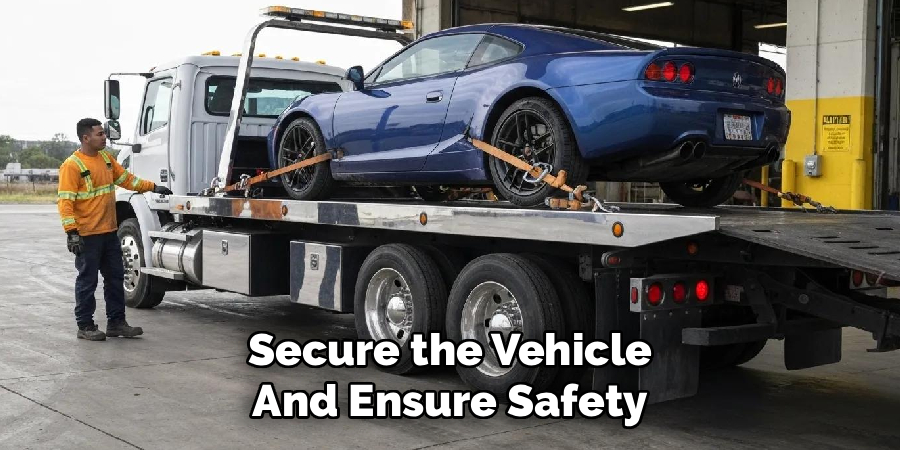
Next, find rocks, heavy logs, or specialized wheel chocks to place behind and in front of the rear tires. This physical barrier acts as a failsafe against rolling. Finally, verify that the transmission is in “Neutral” for manual trucks or “Park” for automatics. Taking these precautions ensures that when the engine eventually fires up, the truck remains stationary, protecting you and anyone standing nearby from sudden movement.
Step 2: Remove the Steering Column Covers
To access the necessary wiring harness, you must remove the plastic cowling that surrounds the steering column. This shell is typically held together by a few Phillips-head screws located on the underside of the column, though some models may use clips that require a flathead screwdriver to pry open. You will likely need to adjust the steering wheel height or position to reach all the screws comfortably.
Once the screws are removed, gently separate the top and bottom halves of the cover. You might need to wiggle them to clear the ignition cylinder and the turn signal stalk. Be gentle with the plastic tabs, as older plastic can be brittle and prone to cracking. Once the covers are off, you will see a bundle of multi-colored wires running along the steering shaft, which is the control center you need to access to figure out how to start a truck without a key successfully.
Step 3: Locate the Ignition Wiring Harness
With the protective plastic removed, your next task is to identify the correct bundle of wires. The steering column often houses wires for various systems, including the turn signals, windshield wipers, and the horn. You are looking specifically for the ignition harness, which is usually a thicker bundle coming directly from the rear of the ignition cylinder where the key usually goes.
These wires carry a higher electrical load than the accessory wires, so they are often of a heavier gauge. You may see a connector plug that joins this harness to the main dashboard wiring. It is essential to differentiate this bundle from the yellow or orange cabling that is typically associated with the airbag system. Never touch or tamper with airbag wiring, as accidental deployment can cause severe injury. Focus your attention solely on the electrical cluster emerging from the ignition switch mechanism.
Step 4: Identify the Battery and Ground Wires
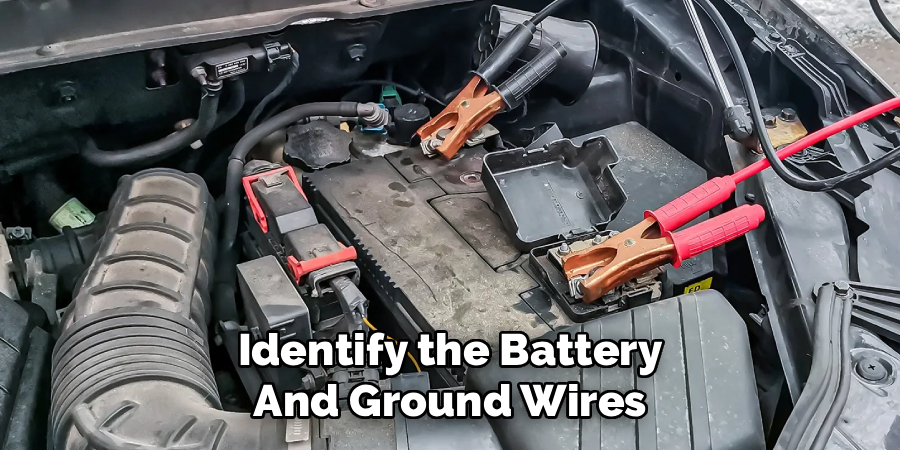
Once you have isolated the ignition harness, you need to determine which wire brings power from the battery. In most older trucks and domestic vehicles, the main power wire is almost always red and is often the thickest wire in the bundle because it carries constant voltage directly from the battery. If you have a multimeter or a test light, this is the perfect time to use it.
Ground the black probe of your meter to a metal part of the frame and touch the red probe to the exposed metal of the wire connector. The battery wire will show 12 volts even when the truck is completely turned off. Identifying this wire correctly is the foundation of the hotwiring process. If you mistake a ground wire for a power wire, you will create a short circuit that will blow fuses or melt wires, complicating your rescue efforts significantly.
Step 5: Identify the Ignition and Starter Wires
After finding the constant power source, you must locate two other specific wires: the ignition wire and the starter wire. The ignition wire (often yellow or brown) powers the dashboard lights, fuel pump, and engine management computer. The starter wire (often yellow or red) engages the starter motor to crank the engine.
Consulting a wiring diagram for your specific truck model on your phone is highly recommended if you have service. If you are working without a diagram, you can usually identify the ignition wire by process of elimination or by briefly connecting it to the power wire to see if the dash lights turn on. The starter wire is strictly for cranking the engine and should only be powered momentarily. Making the correct distinction here is a vital part of learning how to start a truck without a key without damaging the starter motor.
Step 6: Strip the Wire Insulation Carefully
Now that you have identified the power, ignition, and starter wires, you need to expose a small section of the copper conductor inside them. Using wire strippers is ideal, but in an emergency, a pocket knife will suffice. Carefully slice away about half an inch of insulation from the battery wire and the ignition wire. You do not need to cut the wires completely; just shaving off the insulation to expose the copper is often enough and makes it easier to repair later.
Be extremely careful not to let the exposed red battery wire touch any metal part of the steering column, as this will cause an immediate short circuit and sparks. Work slowly and methodically, ensuring you have enough exposed copper to twist the wires together securely. If the wires are too tight against the column, you may need to unplug the harness connector to give yourself more room to work safely.
Step 7: Connect the Battery and Ignition Wires
The next step brings the truck’s electrical systems to life. Take the exposed section of the red battery wire and twist it together with the exposed section of the ignition (on/acc) wire. As soon as these two make a solid connection, you should see the dashboard instrument cluster light up, just as it would if you had turned a key to the “On” position. You might also hear the fuel pump hum for a few seconds as it primes the engine. If you have a radio or fan turned on, they should start working now.
This connection must remain secure for the engine to run; if these wires separate while you are driving, the engine will die immediately, and you will lose power steering and power brakes. Ensure this twist is tight and, if possible, wrap it with electrical tape to prevent it from slipping or shorting out against the metal column.
Step 8: Crank the Engine with the Starter Wire
With the dashboard lights on and the system primed, you are ready to crank the engine. Locate the starter wire you identified earlier. You will strip a small section of this wire as well. To start the truck, you simply touch the exposed starter wire to the already connected battery/ignition wires. This sends power to the starter solenoid.
Expect a spark and the sound of the engine turning over. The moment the engine fires up and starts running, you must immediately pull the starter wire away. Do not leave the starter wire connected, or the starter motor will continue to grind against the spinning flywheel, which will quickly destroy the starter. This step mimics the action of turning the key to “Start” and then releasing it back to “Run.”
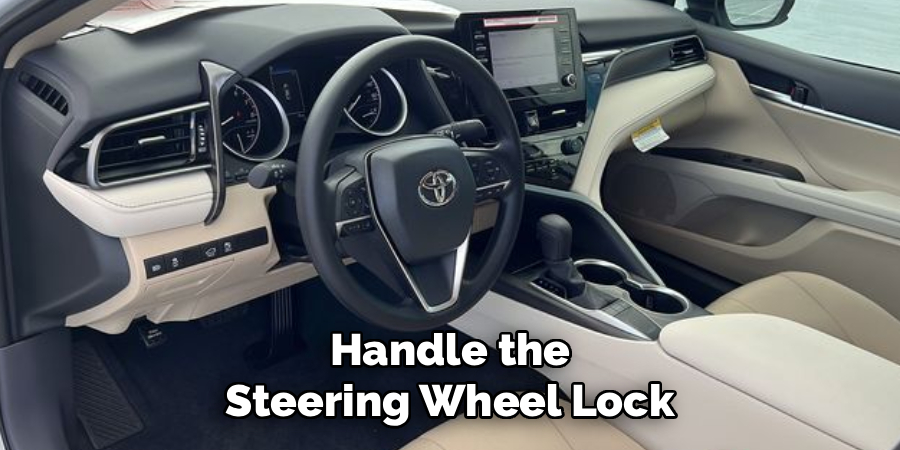
Step 9: Handle the Steering Wheel Lock
Getting the engine running is only half the battle; you also need to be able to steer. Most trucks have a mechanical locking pin that engages when the key is removed, preventing the steering wheel from turning. If you drive off without addressing this, you will only be able to drive in a straight line. In a true emergency where you have no key, you may have to physically break this lock pin.
This can often be done by inserting a large flathead screwdriver into the keyhole and hammering it deep into the mechanism, then forcing it to turn. Alternatively, some drivers use excessive force on the steering wheel itself to snap the locking pin, though this requires significant strength and will permanently damage the steering column mechanism. You must ensure the wheel turns freely before attempting to move the vehicle.
Step 10: Turn Off the Vehicle Safely
Once you have arrived at your destination or a repair shop, you need to know how to shut the engine down. Since you do not have a key to turn back, you must manually disconnect the electrical circuit you created. Locate the twisted connection between the red battery wire and the ignition wire. Carefully untwist them to break the connection.
The engine will die immediately, and the dashboard lights will turn off. Once the wires are separated, it is vital to wrap each exposed wire individually with electrical tape or isolate them so they do not touch each other or any metal parts of the truck. Leaving exposed live wires hanging under your dash is a massive fire hazard. Secure everything properly until you can get a professional mechanic to install a new ignition cylinder and provide new keys.
Frequently Asked Questions
Is It Illegal to Start a Truck Without a Key?
It is generally not illegal to start a truck without a key if you are the legal owner of the vehicle. However, performing this action on a vehicle you do not own constitutes theft and is a serious felony offense. Even if you own the truck, you should carry proof of ownership, such as your registration and insurance, in case law enforcement questions why your steering column is dismantled. Authorities may view a hotwired vehicle with suspicion, so being able to prove ownership immediately is essential to avoid legal trouble.
Will This Method Work on Modern Trucks?
This wiring method generally will not work on modern trucks manufactured after the late 1990s or early 2000s. Newer vehicles are equipped with transponder keys and sophisticated immobilizer systems. These systems require a specific microchip signal from the key to enable the fuel injectors or spark plugs. Even if you manually connect the wires to crank the engine, the computer will prevent it from starting or shut it down immediately. For modern trucks, you typically need a locksmith or dealer to program a new key.
Can I Get Shocked While Doing This?
Automotive electrical systems run on 12-volt direct current (DC), which is generally safe to touch with bare hands and is unlikely to cause a harmful electric shock to a human. However, creating a short circuit by touching the positive wire to the metal frame can cause sparks, heat, and burns. The metal tools you use can become extremely hot if they bridge a connection between the battery power and the ground. While the shock risk is low, the burn and fire risk is real, so wear gloves if possible.
What Tools Do I Need for this Process?
To successfully bypass the ignition, you ideally need a few basic hand tools. A Phillips-head screwdriver is necessary for removing the steering column covers. A flathead screwdriver can help pry apart plastic clips. Wire strippers are the best tool for exposing the copper wiring without cutting through it, though a sharp pocket knife can work in a pinch. A multimeter or a 12-volt test light is incredibly helpful for safely identifying which wire is the live battery feed before you start stripping insulation.
How Much Damage Will This Cause to My Truck?
Bypassing the ignition involves stripping insulation from your factory wiring harness, which is considered damage. While the wires can be taped up or resoldered later, the integrity of the factory harness is compromised. Furthermore, if you have to break the steering wheel lock, you are causing significant mechanical damage to the steering column that will require expensive replacement parts. This method should truly be considered a last resort for emergencies only, as the repair bill for fixing the ignition and steering column can be substantial.
Conclusion
Being stranded without a key is a stressful situation, but having the knowledge to bypass a mechanical ignition switch can turn a crisis into a solvable problem. We have covered the essential steps, from safely securing your vehicle to identifying the correct power and ignition wires.
Remember that this process carries risks, including potential damage to your vehicle’s wiring harness and steering column, so it should only be attempted when absolutely necessary. Always prioritize safety by ensuring the vehicle is in neutral and the parking brake is set before you begin. By understanding how to start a truck without a key, you equip yourself with a powerful survival skill that ensures you can get yourself and your vehicle home safely, even when the unexpected happens.