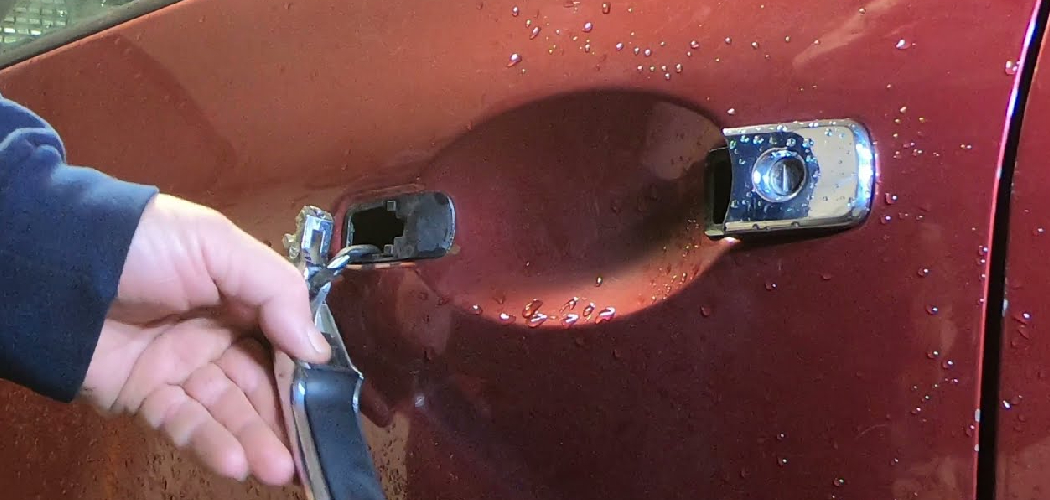
Getting locked out of your vehicle is frustrating enough, but it becomes a genuine headache when the reason is mechanical failure. You pull the handle, hear a snap, and suddenly realize the mechanism has disconnected or broken completely. Before you panic or call an expensive locksmith, you should know that you might be able to solve this problem yourself.
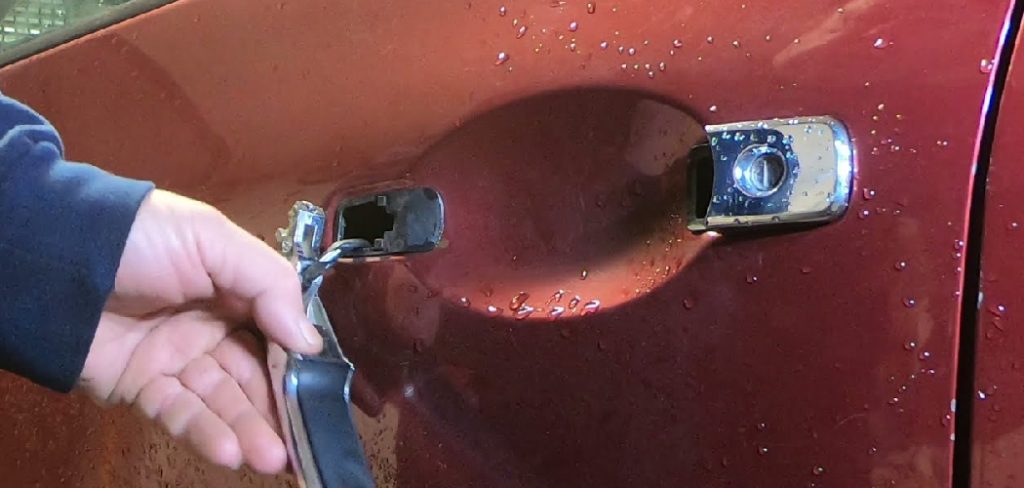
Learning how to open car door with broken handle from outside is a valuable skill that can save you time and money. This guide is designed for beginners and focuses on safety, ensuring you can regain access to your vehicle without causing further damage to the paint or locking mechanism. We will walk you through the process carefully so you can get back on the road.
Why Fixing Access Is Crucial Before Repairs
When a door handle snaps off, it does more than just ruin your morning commute; it creates a significant safety hazard. While you might be tempted to just crawl through the passenger side indefinitely, ignoring the issue is not a sustainable solution. In an emergency situation where you need to exit or enter the vehicle quickly, a functioning door is non-negotiable. Furthermore, leaving a broken handle unattended can lead to moisture getting inside the door panel, potentially damaging the electronic locking mechanisms or causing rust.
Addressing the immediate problem of opening the door allows you to assess the internal damage properly. You need to get the door open to remove the interior panel and replace the handle assembly. This article isn’t just about getting in; it is about taking the first necessary step toward a permanent repair. By understanding the mechanics of your door latch, you empower yourself to handle minor automotive crises with confidence rather than helplessness.
8 Step-by-Step Guide on How To Open Car Door With Broken Handle From Outside
Step 1: Inspect The Broken Handle Mechanism
Before you attempt any manipulation of the lock, you must understand exactly what has broken. Take a close look at the exterior handle area. sometimes the plastic handle itself has snapped, but the metal rod connecting to the latch is still visible or accessible. Use a flashlight to peer into the gap where the handle used to be.
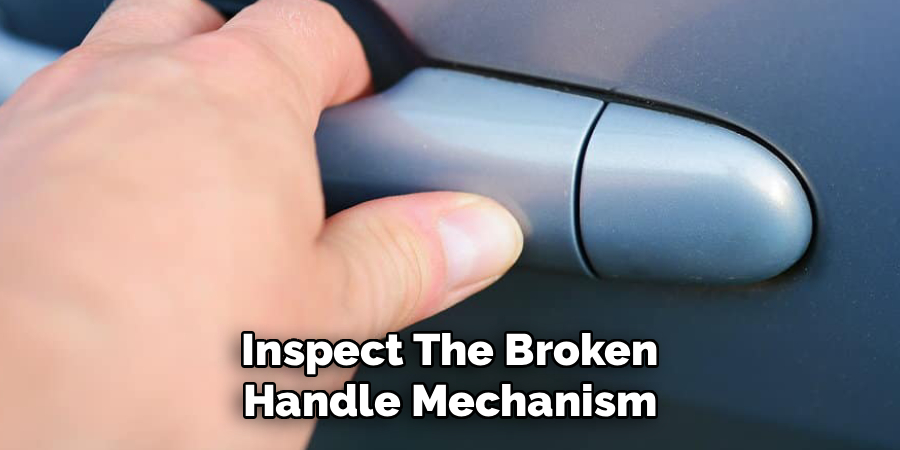
If you can see a metal rod or a small lever, your job will be much easier. This visual inspection prevents you from blindly poking tools into the door cavity, which could damage the window glass or the electrical wiring for the power locks. Take your time to identify the specific linkage that needs to be engaged to release the latch.
Step 2: Gather The Necessary Tools
You cannot perform this task with your bare hands, so gathering the right equipment is essential for success. You will likely need a few specific items to manipulate the internal mechanism without the plastic handle. A strong, thin piece of wire, such as a coat hanger or a stiff specialized automotive entry tool, is often required.
You might also need a flathead screwdriver to gently pry back any plastic trim pieces that are obstructing your view. Masking tape is another crucial item; you should apply it around the work area to protect your car’s paint from scratches while you work. Having these tools ready before you start ensures a smoother process and reduces the frustration of scrambling for items while your car is stuck locked.
Step 3: Protect The Surrounding Paint
It is easy to get focused on the lock and forget about the delicate finish of your vehicle. Before inserting any tools, use the masking tape you gathered in the previous step to cover the painted metal around the door handle cavity. Apply several layers of tape to ensure that if your screwdriver or wire tool slips, it hits the tape rather than the paint.
Scratches on the door can lead to rust later on, turning a simple mechanical fix into a bodywork problem. This simple precautionary measure takes only a minute but adds a layer of safety for your vehicle’s aesthetic condition. It also allows you to work with more confidence, knowing that a small slip of the hand won’t result in costly cosmetic damage.
Step 4: Locate The Latch Rod
Now comes the technical part of the operation. You need to find the metal rod that connects the exterior handle to the locking mechanism. If the handle has completely broken off, you might see this rod hanging loosely inside the door cavity. If the handle is still attached but floppy, the rod may have disconnected.
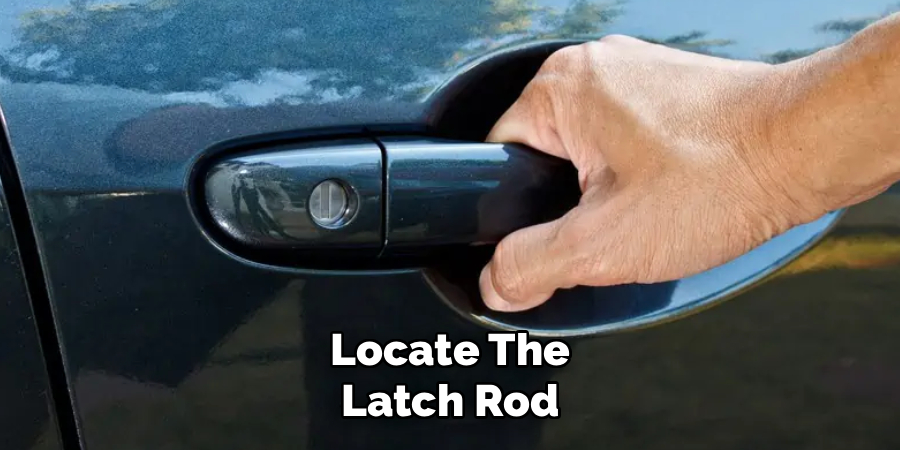
Use your flashlight to locate a vertical or horizontal metal rod inside the hole. This rod is what actually unlatches the door when you pull the handle. Understanding the orientation of this component is critical. You are essentially acting as the handle manually. Once you spot this rod, you are halfway to solving the problem of how to open car door with broken handle from outside successfully.
Step 5: Create A Hook Tool
If you are using a coat hanger or a generic wire, you will need to shape it correctly to grab the latch rod. Straighten out the wire, leaving a small hook at one end. This hook needs to be small enough to fit into the gap but strong enough to pull or push the mechanism without bending. Pliers are very helpful for creating a tight, precise bend in the metal wire.
The shape of the hook depends on whether you need to pull the rod up, push it down, or pull it sideways. Based on your inspection in Step 4, fashion the tool to mimic the motion the door handle would usually make. A well-crafted tool is the difference between success and hours of fruitless fishing.
Step 6: Insert The Tool And Engage The Rod
Carefully insert your fashioned hook tool into the gap where the handle mechanism resides. Move slowly and deliberately to avoid hitting the window glass, which is often sitting right behind the mechanism if the window is up. Your goal is to snag the latch rod or the lever it attaches to. This requires patience and a steady hand.
You may need to wiggle the tool around to get a good grip on the rod. Listen for the sound of metal on metal, which indicates you are in the right area. Do not use excessive force; if you meet resistance that feels like a solid obstruction, stop and reposition your tool. You are trying to finesse the lock open, not force it.
Step 7: Manipulate The Locking Mechanism
Once you feel your hook has securely grabbed the rod or lever, apply pressure in the direction that opens the latch. For many vehicles, this means pulling the rod upward or pushing it downward. You are manually replicating the action of the door handle. Apply firm, steady pressure.
If the door is locked, you might first need to snag the lock rod to unlock it before targeting the latch rod. This can be tricky as there are often two distinct rods inside the door panel. Trial and error is common here. If the first direction doesn’t work, try the opposite. You should feel a spring-like resistance, which is the mechanism fighting back slightly. This is a good sign that you are engaged with the correct part.
Step 8: Open The Door
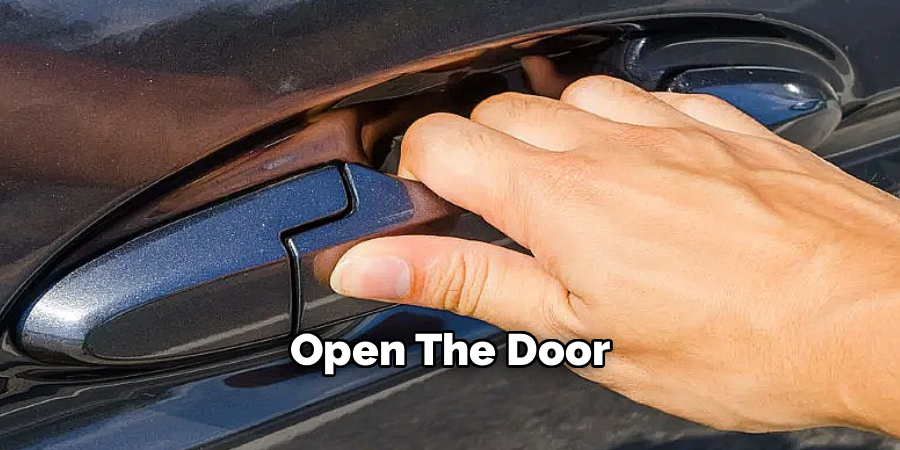
As you apply pressure to the rod, try to pull the door open simultaneously. You should hear a distinct click sound, which is the sweetest sound you will hear all day—the latch releasing. Once you hear that click, the door should pop open slightly. Carefully withdraw your tool before swinging the door fully open to ensure it doesn’t get caught or scratch the frame.
If the door does not open, reset your tool and try again, perhaps adjusting your grip on the rod. Once the door is open, verify that the latch mechanism is not stuck in the closed position before you close the door again. You have now successfully bypassed the broken handle and gained entry.
Frequently Asked Questions
Can I Use A Slim Jim To Open My Door?
A Slim Jim can be effective for older vehicles with mechanical linkages, but it poses risks for modern cars. Newer vehicles often contain complex wiring, side-impact airbags, and shielded locking mechanisms inside the door panel.
Inserting a Slim Jim without proper training can damage these critical components, leading to expensive repairs. For a beginner dealing with a broken handle specifically, manipulating the handle mechanism directly through the exterior gap is often safer and more targeted than trying to slide a tool between the window and the weather stripping.
Will This Method Work On Electronic Door Locks?
The method described focuses on mechanically manipulating the physical latch rods, which exist even in cars with electronic locks. However, electronic locks can complicate things if the car’s security system has deadlocked the latch.
In some modern luxury vehicles, the physical linkage is harder to access or shielded to prevent theft. If your car has a purely electronic release button on the handle (common in some EVs and high-end cars) rather than a mechanical linkage, you may need to consult a professional, as there may be no physical rod to manipulate manually.
Is It Safe To Drive With A Broken Door Handle?
While you technically can drive, it is not recommended as a long-term solution. A broken handle can compromise the safety of the vehicle’s occupants. In the event of an accident, rescue workers need to be able to open your door quickly to assist you. If the exterior handle is non-functional, it can delay extraction.
Additionally, if the internal mechanism is damaged, the door might not latch securely, posing a risk of opening while driving. You should prioritize fixing the handle immediately after getting the door open.
How Much Does It Cost To Replace A Door Handle?
The cost varies significantly depending on the make and model of your vehicle and whether you do it yourself. A replacement handle part can cost anywhere from twenty to one hundred dollars. If you take it to a mechanic or dealership, labor costs can add another one hundred to three hundred dollars.
Since you have already managed to open the door, you have completed the hardest part of the DIY repair. Replacing the handle yourself is often a straightforward process that can save you a significant amount of money.
What If I Cannot Find The Metal Rod?
If you cannot see or reach the metal rod, it may have fallen to the bottom of the door panel. In this scenario, you cannot open the door using the external manipulation method. Your alternative is to enter the vehicle from the other side and attempt to remove the interior door panel while the door is closed.
This is difficult and may require removing the seat to get enough clearance. If this seems too complex, calling a professional automotive locksmith is the wisest choice to avoid damaging the interior trim.
Conclusion
Dealing with a broken car door handle is a stressful experience, but it is not an impossible one to overcome. By staying calm and following a logical process, you can bypass the broken plastic and trigger the mechanism manually. We have covered the essential safety precautions, the tools you need, and the specific movements required to release the latch.
Remember that this is a temporary access solution; your next priority should be ordering a replacement part and installing a new handle. Now that you know how to open car door with broken handle from outside, you have the knowledge to turn a lockout emergency into a manageable DIY project. Take a deep breath, grab your flashlight, and get that door open.