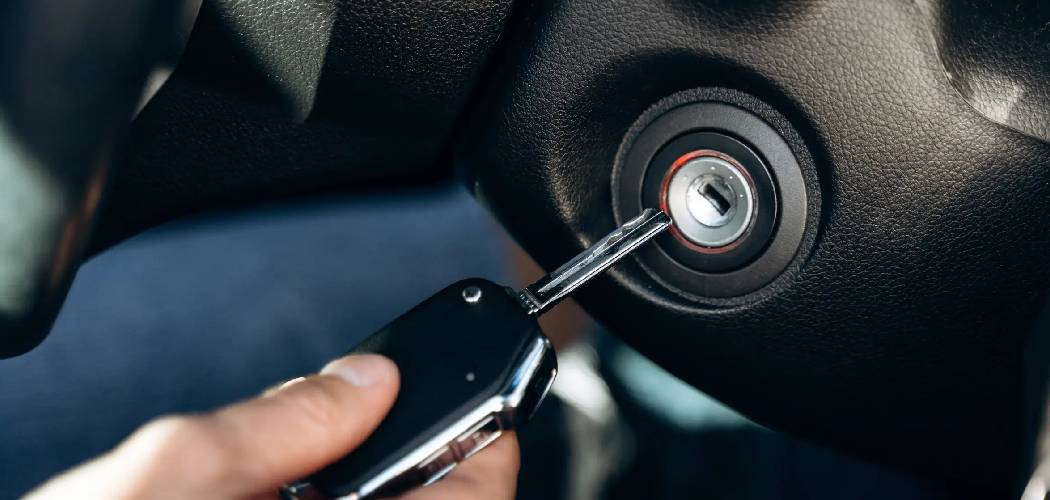
Losing your car keys can be frustrating, especially when it prevents you from starting your vehicle. When you don’t have a key, accessing the ignition lock cylinder for a replacement might seem impossible. However, with the right tools and a bit of patience, it’s a manageable task. This guide will walk you through the process, providing clear, step-by-step instructions. Learning how to replace ignition lock cylinder without key can save you a significant amount of money on locksmith or dealership fees. By following these directions carefully, you can get your car back on the road safely and efficiently.
Why Replacing the Ignition Cylinder is Important
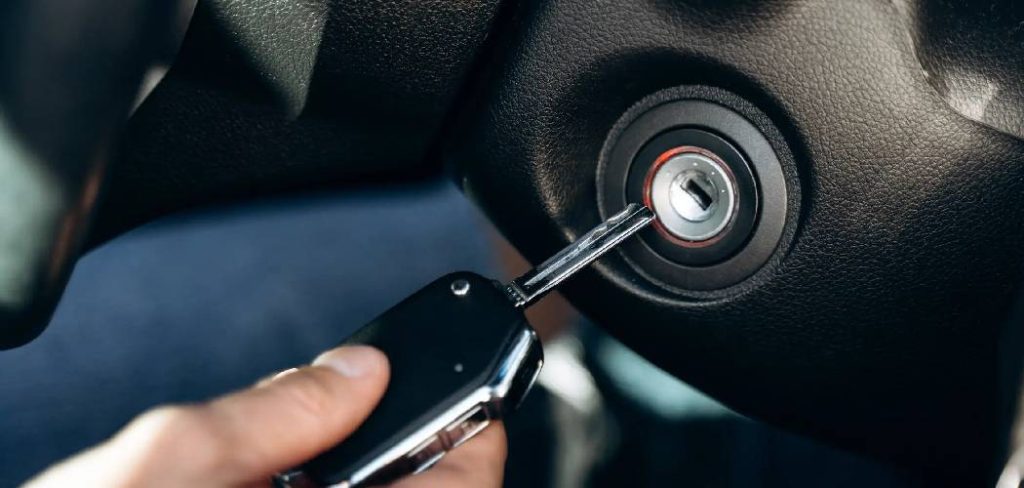
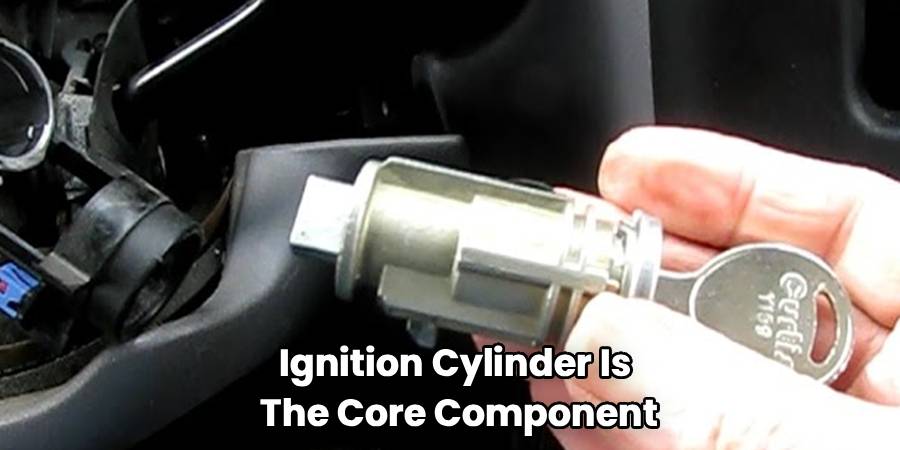
A faulty or inaccessible ignition lock cylinder is more than just an inconvenience; it’s a security and operational issue. The ignition cylinder is the core component that allows you to start your car’s engine. When it fails, or when the key is lost, your vehicle is essentially immobilized. Attempting to force the wrong key or a makeshift tool can cause further damage to the steering column and ignition system, leading to more expensive repairs. Replacing the cylinder promptly ensures you regain control of your vehicle, restores its security, and prevents potential damage from improper starting methods. It’s a fundamental repair that keeps your car reliable and secure.
6 Step-by-Step Guide on How to Replace Ignition Lock Cylinder Without Key
Step 1: Disconnect the Battery
Before beginning any work on your car’s electrical systems, your first priority is safety. Start by disconnecting the negative terminal of your car battery. You can do this using a wrench to loosen the nut on the terminal clamp. Once it’s loose, gently twist and pull the cable off the battery post. Tuck the cable away to ensure it doesn’t accidentally come back into contact with the terminal. This simple step prevents any electrical shorts that could damage your car’s computer, blow a fuse, or cause personal injury while you work on the ignition system.
Step 2: Access the Steering Column Covers
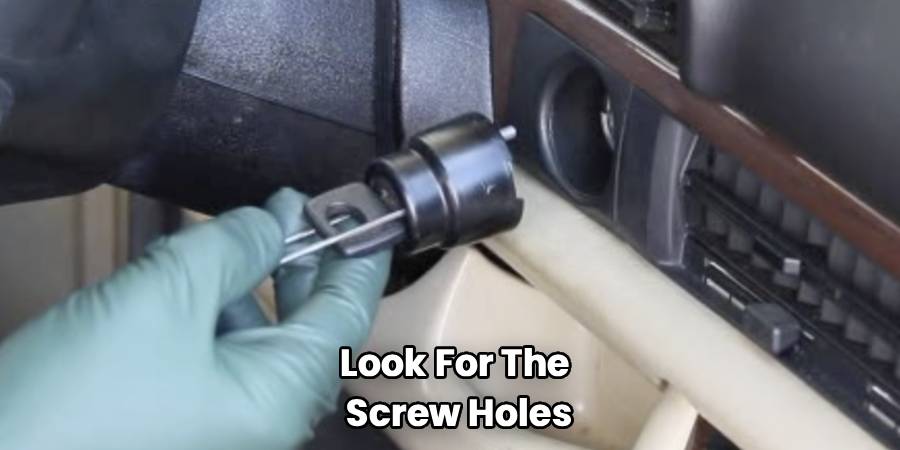
The ignition lock cylinder is housed within the steering column, protected by plastic covers. You will need to remove these to get to it. Typically, these covers are held together by a few Phillips head or Torx screws. Look for the screw holes on the underside of the steering column. Once you have removed the screws, you may need to gently pry the top and bottom halves of the cover apart. They often clip together, so use a flathead screwdriver or a trim removal tool to carefully separate them without breaking the plastic tabs.
Step 3: Remove the Lower Dash Panel
In many vehicle models, a lower dash panel sits below the steering column, blocking access to the ignition components. This panel must be removed to give you enough room to work. It is usually secured with a combination of screws and clips. Carefully locate and remove all the screws first. Then, gently pull on the panel to release the clips. Be mindful of any wires connected to components on the panel, such as a courtesy light or a diagnostic port. If there are, disconnect them carefully before setting the panel aside.
Step 4: Locate the Ignition Lock Cylinder Release Pin
With the covers removed, you can now see the ignition lock cylinder assembly. To remove the cylinder without a key, you must find the release pin or tab. This is a small, often spring-loaded button or hole located on the cylinder housing. Its exact location varies by vehicle manufacturer, so you may need to consult your car’s service manual if it’s not immediately visible. It’s typically on the top or bottom of the housing. This release pin is the mechanism that allows the cylinder to be removed from its housing.
Step 5: How to Replace Ignition Lock Cylinder Without Key by Drilling
Since you don’t have a key to turn the cylinder to the “accessory” or “on” position, you will need to drill out the lock pins. This is the most critical step in learning how to replace ignition lock cylinder without key. Take a small drill bit and carefully drill into the center of the key slot. Your goal is to destroy the internal tumblers that hold the cylinder in place. You will feel changes in resistance as you drill through each pin. Use a steady hand and go slowly to avoid damaging the surrounding housing.
Step 6: Depress the Release Pin and Remove the Cylinder
Once you have drilled out the internal lock pins, the cylinder should be loose enough to turn slightly. Use a flathead screwdriver to rotate it to the “accessory” or “on” position. While holding it in this position, use a small pick, an Allen wrench, or a similar pointed tool to depress the release pin you located earlier. As you press the pin, the entire ignition lock cylinder should slide out of the housing. You may need to wiggle it a bit, but it should come out without excessive force.
Install the New Ignition Lock Cylinder
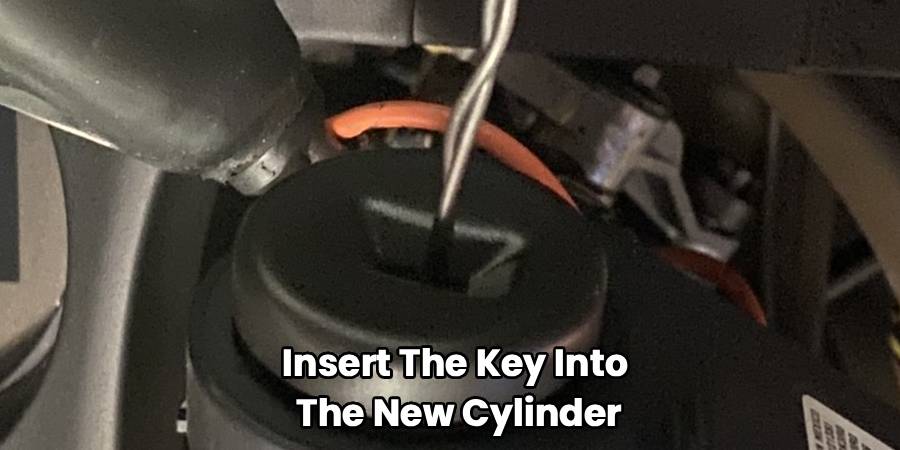
Take your new ignition lock cylinder and the new key that came with it. Insert the key into the new cylinder and turn it to the “accessory” or “on” position. This will retract the locking pin on the new unit, allowing it to be inserted into the housing. Align the new cylinder with the slot in the steering column housing and slide it into place. You should hear or feel a “click” as the release pin pops out and locks the new cylinder securely. Turn the key back and forth to ensure it operates smoothly.
Reassemble and Test
Now you can begin reassembling the components in the reverse order of how you took them apart. Start by reattaching the lower dash panel, making sure to reconnect any electrical connectors you unplugged. Next, snap the upper and lower steering column covers back into place and secure them with the screws. Finally, reconnect the negative battery terminal and tighten the clamp. With everything back together, insert your new key and start the car to confirm that the replacement was successful.
Frequently Asked Questions
Can I Use the Old Keys With the New Ignition Lock Cylinder?
No, you cannot use your old keys with a new ignition lock cylinder. Each cylinder is uniquely pinned to match the specific keys it comes with. When you purchase a new lock cylinder, it will be supplied with a new set of keys. This ensures the security of the ignition system. If you want to use a single key for your doors and ignition, you would need to have the new cylinder re-keyed by a locksmith to match your original door key, which can be a complex process.
How Much Does It Cost to Replace an Ignition Lock Cylinder?
The cost can vary significantly based on your vehicle’s make and model and whether you do it yourself or hire a professional. The part itself can range from $50 to over $200. If you perform the replacement yourself, your only cost is the part and any tools you may need to buy. If you take it to a mechanic or dealership, labor costs can add another $100 to $400 or more, bringing the total to anywhere between $150 and $600+.
Is It Hard to Replace an Ignition Lock Cylinder?
For someone with basic mechanical skills and the right tools, replacing an ignition lock cylinder is a moderately difficult task. The process involves removing parts of the dashboard and steering column, and if you don’t have a key, it requires drilling. The most challenging part is carefully drilling out the lock without damaging other components. Patience and attention to detail are crucial. If you are not comfortable working with your vehicle’s electrical system or steering components, it is best to hire a professional.
What Are the Signs of a Bad Ignition Lock Cylinder?
Several signs can indicate a failing ignition lock cylinder. The most common is difficulty inserting or turning the key. You might feel the key sticking, or it may not turn at all. Another symptom is the car failing to start even though the battery is fully charged and the starter is working. The dashboard lights may also not turn on when you turn the key to the “on” position. In some cases, the key may get stuck in the ignition and you cannot remove it.
Do I Need to Reprogram My Car After Replacing the Ignition Cylinder?
This depends on your vehicle. Many modern cars use transponder keys, which have a chip that communicates with the car’s computer to prevent theft. If your vehicle has this system, you will need to have the new keys programmed to your car’s engine control unit (ECU). This usually requires specialized equipment that only a dealership or a qualified automotive locksmith will have. For older cars without a transponder system, no reprogramming is necessary.
Conclusion
Replacing an ignition lock cylinder when you’ve lost the key is an entirely achievable task that can save you a trip to the mechanic and a hefty bill. The process requires careful work, especially when drilling the old cylinder, but the steps are straightforward. By disconnecting the battery, accessing the steering column, drilling the lock, and installing the new unit, you can restore your vehicle’s function and security. With this guide, you now have the knowledge and confidence for how to replace ignition lock cylinder without key, empowering you to take control of your auto repairs.