Dealing with restricted water access is stressful for any homeowner. Whether you’ve recently moved into a property where the utility company left a lock in place or you are resolving a billing dispute, understanding the mechanics of your water supply is crucial. While professional help is often the best route, knowing what to do in an emergency situation empowers you to take control of your home’s utilities.
This guide aims to provide clear, safe, and actionable information on restoring your water flow legally and efficiently. We will walk you through the process of understanding the mechanism and the proper steps to take. By the end of this article, you will understand how to remove water meter lock safely while adhering to local regulations and safety standards.
Understanding Why Water Meter Locks Are Installed
Before attempting any removal, it is vital to understand why these devices are placed on meters in the first place. Utility companies typically install locks for specific reasons, most commonly due to unpaid bills, vacancies, or during property transfers. These locks act as a security measure to prevent unauthorized water usage. However, mistakes happen. Sometimes a previous tenant’s issue lingers, or a clerical error results in a lock remaining on a meter long after a bill has been paid.
Attempting to bypass these locks without authorization can sometimes lead to fines or legal trouble, so this guide focuses on the mechanical process for educational and emergency purposes, assuming you have the legal right to access your water. Understanding the context helps you approach the situation with the right mindset—prioritizing safety and legality over haste. It ensures that when you do proceed, you are doing so to legitimately restore essential services to your home.
8 Step-by-Step Guide on How to Remove Water Meter Lock
Step 1: Assess the Situation and Verify Legality
Before you touch any tools, you need to firmly establish your legal standing and the type of lock you are dealing with. Contact your local water utility provider immediately to confirm that your account is in good standing and that there are no outstanding orders to keep the water shut off. If the lock was left in error, they might send a technician to remove it for free, saving you the effort.
If they cannot come out immediately but grant you permission to remove it yourself, document this conversation. Make a note of the time, date, and the representative’s name. This step protects you from potential fines associated with tampering. Once you have clearance, inspect the lock mechanism closely to determine if it is a simple padlock, a barrel lock, or a magnetic pin lock, as each requires a different approach.
Step 2: Gather the Necessary Safety Gear and Tools
Preparation is key to a safe removal process. You will need to gather a specific set of tools depending on the lock type identified in the previous step. Common tools include a heavy-duty pair of bolt cutters, a screwdriver set, a hammer, and possibly a specialized barrel lock key if you can acquire one legally. Safety gear is non-negotiable.
Wear heavy work gloves to protect your hands from rusted metal or sharp edges, and safety goggles to shield your eyes from metal shards if you need to cut the lock. Ensure the area around the water meter is dry and well-lit. If the meter is located in a dark basement or deep in an underground box, set up a portable work light. Having everything within arm’s reach prevents accidents and ensures you can focus entirely on the task without scrambling for equipment.
Step 3: Clean and Prepare the Locking Mechanism
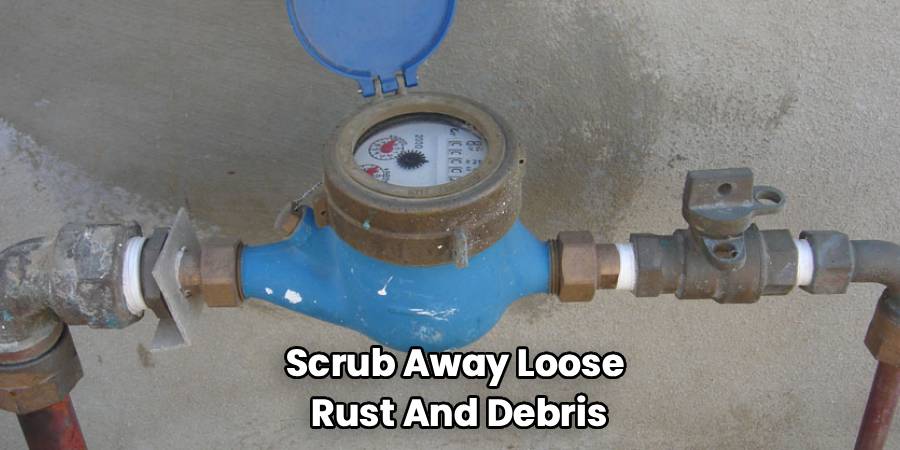
Water meters are often located in damp, dirty environments like underground pits or utility closets, meaning the lock is likely covered in dirt, rust, or grime. Before attempting to unlock or cut it, you must clean the mechanism thoroughly. Use a wire brush to scrub away loose rust and debris from the keyhole or the shackle. Apply a generous amount of penetrating oil or a rust-dissolving lubricant to the lock mechanism.
Allow the oil to sit for at least fifteen minutes. This simple action can loosen seized internal components, making the removal process significantly easier. If the lock is a standard padlock, this lubrication might even allow you to pick it or open it with a generic key if one is available. A clean workspace ensures that your tools get a good grip and reduces the risk of slipping and damaging the water pipe itself.
Step 4: Identify the Specific Lock Type
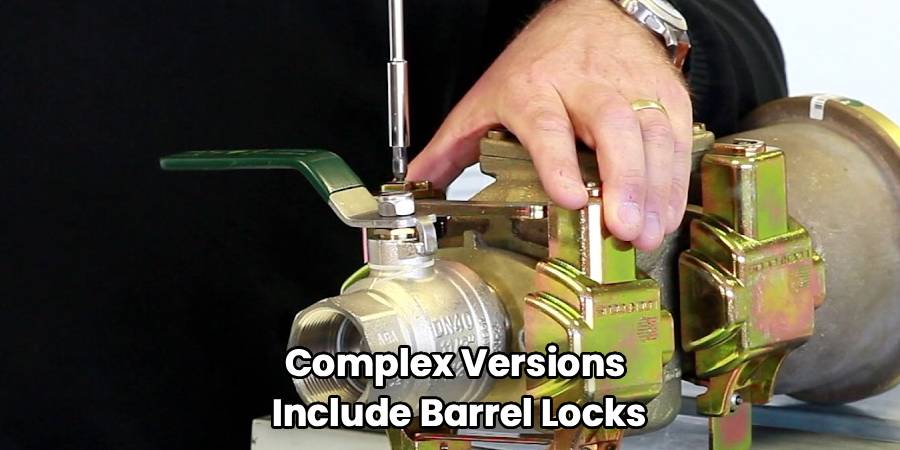
Different water utility companies use different locking devices, and identifying the specific variant is crucial for success. The most common type is a simple padlock looped through the valve handle, preventing it from turning. More complex versions include barrel locks, which look like a small cylinder inserted directly into the valve or a clamp, and magnetic locks that require a specific magnetic key. Examine the device closely.
Does it have a visible shackle like a standard lock? Is it a smooth cylinder with no obvious keyhole? Or is it a clamshell device covering the entire valve handle? Knowing exactly what you are up against dictates your next move. For standard padlocks, cutting is an option. For barrel locks, you might need a specific removal tool or a different mechanical approach. Misidentifying the lock can lead to wasted effort and potential damage to the meter assembly.
Step 5: Removing a Standard Padlock or Clamshell
If you have identified the device as a standard padlock or a clamshell cover secured by a padlock, the removal process is straightforward but requires physical effort. Position your bolt cutters on the shackle of the padlock—the U-shaped metal bar. Ensure you have a firm grip and leverage. Apply steady pressure to cut through the shackle. If the lock is hardened steel, this may take significant force.
Be extremely careful not to apply pressure to the water pipe or the valve handle itself, as these are often made of brass or plastic and can break easily. If you are learning how to remove water meter lock devices that are clamshell-style, cutting the padlock usually releases the two halves of the shell, allowing them to fall away and revealing the valve handle underneath. Always cut away from your body and face to ensure safety.
Step 6: Addressing Barrel Locks and Pin Locks
Barrel locks are more sophisticated and are designed to be difficult to remove without a specialized key. These locks usually plug a hole that prevents the valve from turning. If you have authorization but no key, you may need a barrel lock removal tool, which is sometimes available at specialized hardware stores. Insert the tool into the center of the barrel, engage the gripping mechanism, and pull the barrel straight out.
If you do not have the tool and must proceed, some homeowners carefully drill out the center of the lock mechanism using a high-quality metal drill bit. This is a high-risk method because slipping could damage the valve. Drill slowly and steadily directly into the keyway until the locking pins are destroyed, allowing you to pull the cylinder out. This should only be done as a last resort when professional help is unavailable.
Step 7: Removing Magnetic or Electronic Locks
Some modern water meters utilize magnetic locking mechanisms or electronic tags that alert the utility company if tampered with. If you encounter a lock that appears to have no keyhole and is not a barrel lock, it is likely magnetic. These usually require a strong magnet to disengage the internal pins. While it is technically possible to use a high-powered rare earth magnet to manipulate the pins, this is inconsistent and difficult for beginners.
If you suspect the lock is electronic or strictly magnetic, the risk of triggering an alarm or damaging the meter’s internal electronics is high. In this specific scenario, the best step is often to double-check with the utility provider. If manual removal is the only option, you may need to physically cut the retaining band holding the device, similar to the padlock method, but use extreme caution to avoid the meter body.
Step 8: Restore the Water Flow
Once the locking mechanism has been successfully removed, you are ready to restore water to your home. Locate the main valve handle, which the lock was previously obstructing. Turn the handle slowly. Do not wrench it open quickly, as the sudden change in pressure can damage your plumbing fixtures or cause a “water hammer” effect that might burst older pipes. Turn the valve counter-clockwise until it is fully open.
You should hear the water rushing into the system. Go inside your house and open a faucet on the highest floor to let trapped air escape from the lines. Once the water flows steadily without sputtering, you can close the faucet. Inspect the meter area one last time for any leaks that might have occurred during the process. If everything is dry, you have successfully restored your service.
Post-Removal Cleanup and Notification
After the water is running, clean up your workspace. Dispose of the broken lock pieces responsibly or keep them in case the utility company wants to inspect them later. It is a gesture of good faith to call the utility company and inform them that the lock has been removed as per your previous discussion or due to the emergency nature of the situation.
This transparency helps maintain a good relationship with the provider and ensures your account notes are updated accurately. If you used any lubricants or chemicals, wipe down the meter and surrounding pipes to prevent corrosion or environmental damage. Store your tools and safety gear away. Taking these final cleanup steps ensures that the job is finished professionally and that you are prepared for any future maintenance needs that might arise.
Preventive Measures for Future Access
Now that you have regained access to your water supply, take steps to ensure you do not face this issue again. Monitor your water bills closely to prevent service interruptions due to non-payment. If the lock was a result of a misunderstanding or a previous tenant’s debt, ensure your account details are fully updated with the provider. Consider installing a customer-side shutoff valve if one does not already exist.
This allows you to turn off your water for maintenance without needing to touch the utility company’s valve or meter. Having your own valve gives you autonomy over your plumbing system for repairs and emergencies. Keeping the area around the meter accessible and clean also helps utility workers do their jobs efficiently, reducing the likelihood of errors or disputes in the future.
Frequently Asked Questions
Is It Illegal to Cut a Lock off a Water Meter?
Tampering with utility equipment is generally illegal and can result in significant fines or even criminal charges in many jurisdictions. The water meter and the lock are typically the property of the utility company. However, exceptions exist for emergencies or if you have received explicit permission from the provider to remove it yourself. Always contact your water company first to resolve the issue through official channels. Proceeding without authorization carries legal risks that you should weigh carefully against your immediate need for water.
What Tools Do I Need to Remove a Water Meter Lock?
The tools required depend heavily on the type of lock installed. For a standard padlock, a pair of heavy-duty bolt cutters is usually sufficient. If you are dealing with a barrel lock, you may need a specialized barrel lock key or a drill with a high-quality metal bit. A wire brush and penetrating oil are essential for cleaning rusted mechanisms. Always wear safety gloves and eye protection to prevent injury from metal shards or slipping tools during the removal process.
Can I Use a Magnet to Open a Water Meter Lock?
Some water meter locks, specifically certain types of barrel or pin locks, are designed to be opened with a magnetic key. In these cases, a strong rare earth magnet might be able to disengage the internal pins if placed correctly. However, this method is unreliable for beginners and does not work on all lock types. Relying on a magnet is often less effective than mechanical removal methods and requires specific knowledge of the lock’s internal structure to work successfully.
What Should I Do If I Break the Water Meter Valve?
If you accidentally damage the water meter valve or the pipe while trying to remove the lock, stop immediately. Do not attempt to fix the plumbing yourself, as this is under high pressure and can cause significant flooding. Call your water utility company’s emergency line immediately to report the damage. You may be liable for the cost of repairs, but professional intervention is necessary to prevent extensive water loss and damage to your property or the surrounding infrastructure.
How Do I Know If My Water Meter Lock Is a Barrel Lock?
A barrel lock is distinct from a padlock because it lacks a U-shaped shackle. It typically looks like a smooth metal cylinder or plug inserted directly into a clamp or the valve mechanism itself. It will not have a standard keyhole with jagged edges; instead, it usually has a small, circular opening at the tip. If the device holding your valve shut looks like a solid pin or bolt rather than a hanging lock, you are likely dealing with a barrel lock.
Conclusion
Regaining control over your home’s water supply is a fundamental necessity. While the presence of a lock can be frustrating, approaching the situation with patience and the right knowledge ensures a positive outcome. We have covered the critical safety steps, the legal considerations, and the mechanical processes required to handle different types of locking mechanisms.
Remember that communication with your utility provider is your first line of defense and can often save you the manual labor. However, possessing the knowledge of how to remove water meter lock devices gives you a backup plan for emergencies. By following these guidelines, you can ensure that your home remains functional and safe, restoring your water access with confidence and responsibility.