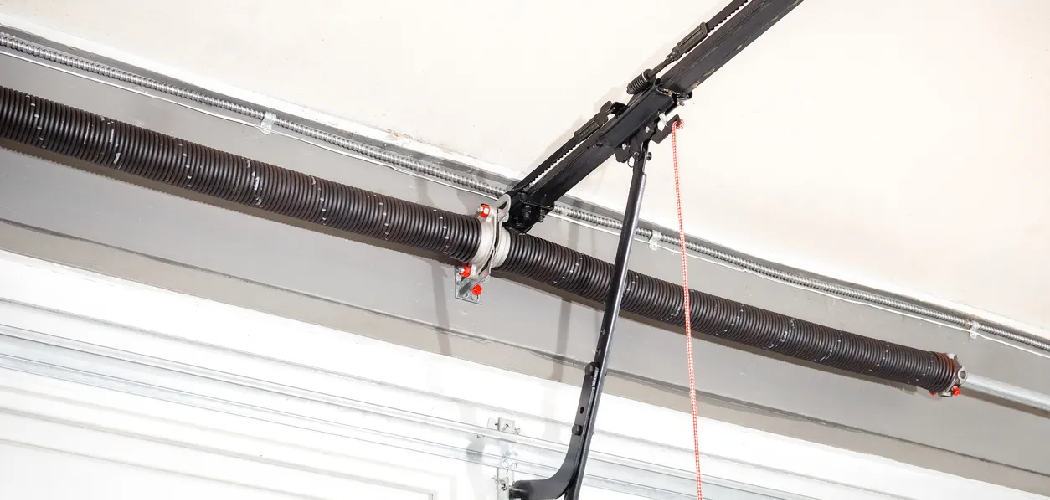
Hearing a loud bang from your garage can be startling, but discovering your car is trapped inside because the door won’t lift is downright frustrating. A broken torsion or extension spring makes the heavy door feel like dead weight, rendering your automatic opener useless. If you need to get your vehicle out immediately, knowing how to open garage door with broken spring safely is essential.
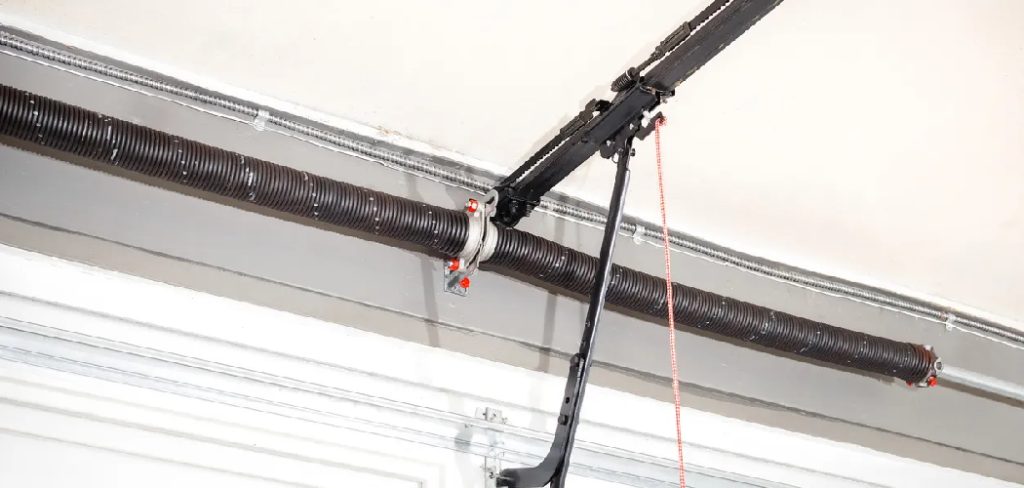
This situation requires extreme caution because the springs counterbalance the door’s massive weight. Without them, you are lifting hundreds of pounds manually. This guide is designed to help homeowners navigate this emergency safely, providing clear instructions on lifting the door manually so you can retrieve your vehicle and secure the garage until a professional technician arrives to perform the necessary repairs.
Why Attempting to Open a Door with a Broken Spring Matters
Understanding the mechanics behind your garage door system is crucial before you attempt any manual operation. The springs are the muscles of the door; the opener is merely the arm that guides it. When a spring snaps, the full weight of the door crashes down or becomes impossible for the motor to lift. Attempting to force the automatic opener to lift a door with a broken spring can burn out the motor, leading to a much more expensive repair bill than just a spring replacement. Furthermore, in an emergency where you need to leave the house quickly, being stuck is not an option. Learning to manage this situation manually allows you to regain mobility without waiting hours or days for a repair service. It empowers you to handle household emergencies with confidence, prioritizing safety over brute force to protect yourself and your property from further damage.
7 Step-by-Step Guide on How to Open Garage Door with Broken Spring
Step 1: Confirm the Spring is Actually Broken
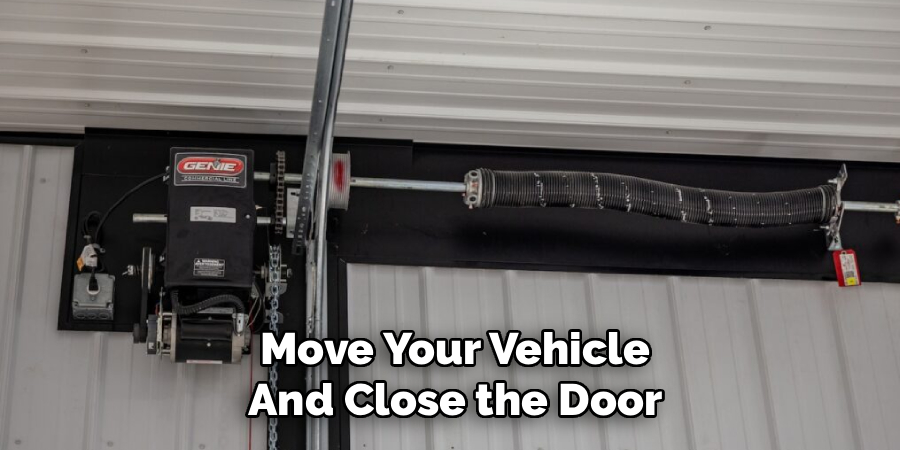
Before you attempt any heavy lifting, you must visually inspect the garage door system to confirm the diagnosis. Look above the door opening for the torsion spring, which runs horizontally along a metal bar.
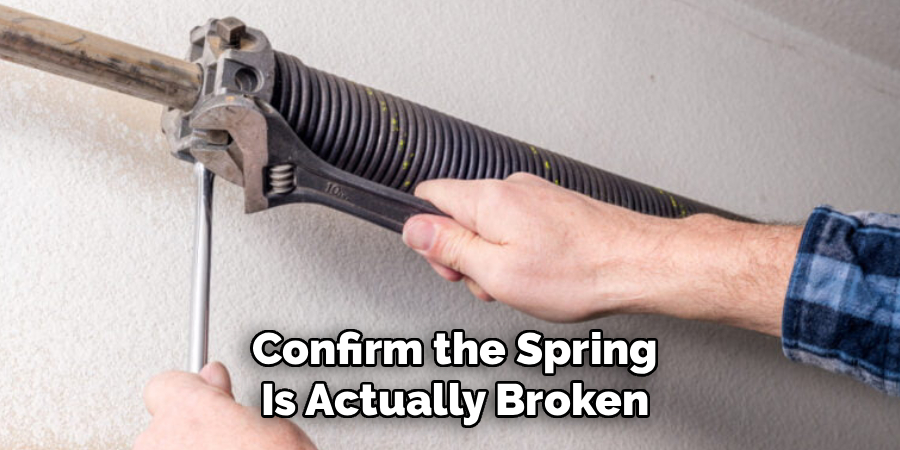
If you see a distinct gap in the coils, the spring has snapped. For extension springs located on the sides of the track, check for hanging cables or snapped metal coils. Identifying the specific issue ensures you aren’t dealing with a locked track or a motor failure. Verifying the break allows you to proceed with the correct safety measures, as a broken spring creates a dangerous dead-weight situation that requires specific handling techniques to avoid injury.
Step 2: Disconnect the Automatic Door Opener
To move the door manually, you must first disengage it from the electric opener carriage. Locate the emergency release cord, which is almost always a red handle hanging from a rope near the center rail of the garage door mechanism. Pulling this cord down releases the trolley from the drive chain or belt, putting the door into manual mode. You might hear a clicking sound as the mechanism disengages. This step is critical because fighting against the motor’s gear resistance while trying to lift a heavy door is nearly impossible and could damage the opener’s internal components. ensure the door is fully closed before pulling the release cord to prevent it from crashing down.
Step 3: Recruit a Helper for Safety
Lifting a garage door without the assistance of its counterbalance springs is incredibly difficult and potentially dangerous for one person. The door can weigh between two hundred and four hundred pounds, which feels even heavier when it is dead weight. You strongly need a second person to assist you with the lifting process. While one person lifts from the center or one side, the other should lift simultaneously from the other side to keep the door level. If the door twists or jams in the tracks while you are lifting it, it can become stuck or fall rapidly. Having a partner ensures that the weight is distributed evenly and provides a safety net if one person loses their grip or footing.
Step 4: Clear the Area of Obstructions
Safety preparation is just as important as the lifting itself. Ensure the area directly under the path of the garage door is completely clear of bicycles, tools, boxes, or debris. You need solid footing to lift heavy weight safely without tripping. Additionally, move your vehicle out of the immediate danger zone if possible, or prepare the path so you can drive it out quickly once the door is raised.
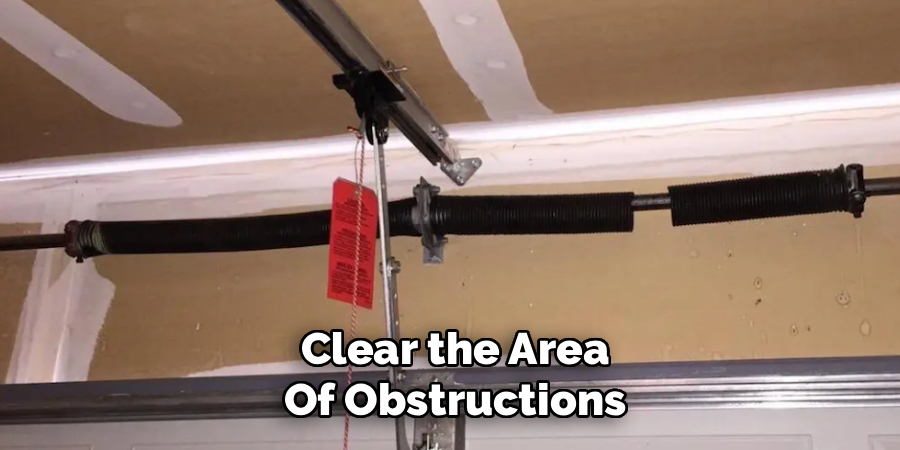
Clearing the floor prevents accidents and ensures you have ample room to maneuver while holding the heavy door. If you slip while holding the door up, the consequences could be severe, so take a moment to sweep the floor and ensure your workspace is safe and unobstructed before you begin lifting.
Step 5: Lift the Door with Extreme Caution
Position yourself and your helper at the bottom of the garage door. Bend at your knees, keeping your back straight to lift with your legs rather than your spine. Place your hands on the designated lift handles or under the bottom panel, keeping fingers clear of the section joints to avoid pinching. On the count of three, lift steadily and evenly. You will immediately feel the full weight of the door, as the broken spring is no longer doing the work. This is the core of how to open garage door with broken spring successfully. Move slowly and communicate with your helper constantly. If the weight is too much, do not force it; slowly lower it back down and call a professional immediately rather than risking back injury.
Step 6: Secure the Door in the Open Position
Once you have managed to lift the door to the fully open position, do not trust it to stay there on its own. The tension that normally holds the door up is gone. You must prop the door open securely using sturdy clamps specifically designed for garage door tracks. Place a C-clamp or locking pliers onto the metal track directly underneath the bottom roller on both sides of the door. This physical barrier prevents the rollers from sliding back down the track. Never rely on a person to hold the door up while you move a car, and do not use makeshift props like broomsticks or 2x4s, which can slip or break under the immense pressure of the door’s weight.
Step 7: Move Your Vehicle and Close the Door
With the clamps securely in place and the door stabilized, quickly move your vehicle out of the garage. Do not linger under the open door. Once the car is clear, you must close the door immediately to secure your home. Reverse the previous steps carefully. Remove the clamps while you and your helper maintain a firm grip on the door. Lower the door slowly and evenly, using your legs to control the descent.
Do not let the door drop, as it will crash with tremendous force, potentially damaging the concrete or the door panels. Once closed, re-engage the automatic lock or use a manual slide lock to keep the garage secure until a technician can replace the broken spring.
Frequently Asked Questions (FAQ)
Can I Replace A Garage Door Spring Myself?
It is highly recommended that you do not attempt to replace a garage door spring yourself unless you have specific training. The springs are under extreme tension and can cause severe injury or death if handled incorrectly.
- Safety Risk: High tension can cause tools or springs to fly uncontrollably.
- Special Tools: Winding bars and specific knowledge are required.
- Recommendation: Always hire a professional technician for spring replacement to ensure safety and proper calibration.
How Much Does It Cost To Fix A Broken Spring?
The cost varies depending on your location, the type of spring, and the service company. generally, you can expect to pay between $150 and $350 for a professional spring replacement.
- Parts: Torsion springs are generally more expensive than extension springs.
- Labor: Professional labor ensures the job is done safely and the door is balanced.
- Double Replacement: It is often cost-effective to replace both springs at once if one breaks, as the other is likely near the end of its life cycle.
How Long Do Garage Door Springs Last?
Garage door springs are rated by “cycles,” with one cycle being a full open and close action. Most standard builder-grade springs last about 10,000 cycles.
- Average Lifespan: 7 to 10 years for average usage.
- High Usage: If you use the door as a front door, they may last only 3-5 years.
- Maintenance: Regular lubrication can extend their life slightly, but metal fatigue is inevitable over time.
Why Did My Garage Door Spring Break?
Springs break primarily due to wear and tear from regular use. Every time the door opens and closes, the metal twists and extends, eventually leading to metal fatigue.
- Rust and Corrosion: Moisture can weaken the metal coils, causing them to snap sooner.
- Poor Maintenance: Lack of lubrication increases friction.
- Temperature Fluctuations: Extreme cold can make the metal brittle, leading to sudden breakage during winter months.
Is It Safe To Leave The Garage Door Open With A Broken Spring?
It is not safe to leave the door open without proper support. The spring provides the counterbalance; without it, the door is effectively a heavy falling object waiting to happen.
- Risk of Falling: Gravity will pull the door down if it is not clamped securely.
- Opener Strain: Do not rely on the opener arm to hold the weight; it can bend or break.
- Security: An open door invites theft and pests. It is best to close it manually and lock it until repairs are made.
Conclusion
Dealing with a garage door emergency is stressful, but having the knowledge to handle it safely makes all the difference. By following these steps, you can retrieve your vehicle without causing injury to yourself or further damage to your home. Remember that this manual method is a temporary solution for an emergency situation, not a permanent fix. The immense weight of the door requires respect and caution at every stage of the process. Once your car is safely out, your priority should be contacting a professional to replace the springs and rebalance the system. Understanding how to open garage door with broken spring empowers you to take control of the situation, ensuring you aren’t stranded while you wait for expert help to arrive. Stay safe, lift with your legs, and always prioritize caution over speed.

About
Robert D is a distinguished figure in the world of Safety Systems and Risk Management, with a decade of expertise creating innovative and sustainable workplace solutions. His professional focus lies in merging traditional safety protocols with modern digital monitoring techniques, fostering environments that are both practical and hazard-conscious. As the lead author of SafetyRift, Robert delves into the art and science of risk mitigation, inspiring safety officers and industry professionals alike to bridge the gap between compliance and culture.
Education
RMIT University (Melbourne, Australia)
Associate Degree in Design (Industrial Safety)
-
Focus on sustainable safety infrastructure, industry-driven risk assessments, and practical implementation.
-
Gained hands-on experience with traditional hazard identification and digital monitoring tools, such as IoT safety sensors and predictive analytics software.
Nottingham Trent University (United Kingdom)
Bachelor’s in Occupational Health and Safety (Honors)
-
Specialized in systemic design with a focus on blending human behavior psychology with modern safety production techniques.
-
Participated in industry-wide projects, working with global logistics and manufacturing firms to gain real-world insights into large-scale safety deployments.
Publications and Impact
In SafetyRift, Robert shares his insights on safety design processes, protective materials, and strategies for efficient, accident-free production. His writing bridges the gap between foundational safety knowledge and modern industrial needs, making it a must-read for both budding safety coordinators and seasoned risk management professionals.