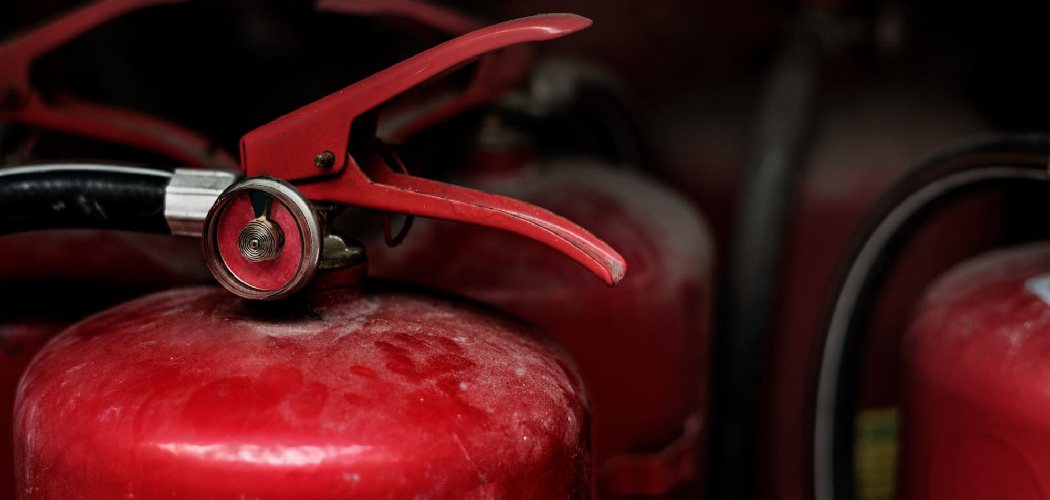
A fire extinguisher is a crucial safety device in any home, but what do you do when it expires or has been used? Many people are unsure how to handle an old unit, often letting it collect dust in a garage or closet.
The process might seem complicated, but it’s more straightforward than you think. This guide provides clear, simple instructions on how to dispose of fire extinguishers safely and responsibly. Following the correct procedures ensures you protect both the environment and your community, making way for a new, fully functional unit to keep your home safe.
Proper Disposal Is Important
You can’t just toss an old fire extinguisher in your regular trash bin. These devices are pressurized canisters that can contain hazardous chemicals. If sent to a landfill, a pressurized extinguisher could explode, posing a serious risk to sanitation workers and equipment. The chemical agents inside, such as dry chemical powder or CO2, can also be harmful to the environment if not handled correctly. Proper disposal ensures these pressurized containers are safely depressurized and that the materials are recycled or disposed of according to local and federal regulations, preventing potential harm and environmental contamination.
8 Step-by-Step Guide on How to Dispose of Fire Extinguishers
Step 1: Check If the Extinguisher Is Empty or Full
First, determine the status of your fire extinguisher. Most extinguishers have a pressure gauge. If the needle is in the green zone, the canister is still pressurized. If it’s in the red, it may be empty or has lost pressure.
Some older models lack a gauge, making it difficult to tell. A simple way to check is by weight; a full extinguisher will feel noticeably heavy, while an empty one will be much lighter. Knowing whether it’s full or empty is the most important first step, as it dictates the specific disposal path you will need to follow for safety.
Step 2: For Empty Extinguishers, Squeeze the Lever
If you have confirmed your extinguisher is completely empty, you should take an extra step to ensure no residual pressure remains. Take the extinguisher outdoors to a well-ventilated area, away from children, pets, and sensitive plants. Point the nozzle away from yourself and squeeze the lever firmly. Even if you believe it’s empty, a tiny amount of propellant or chemical agent might be left inside. This action releases any remaining pressure, making the canister safe for handling and subsequent steps in the disposal process. This is a critical safety measure before preparing it for recycling.
Step 3: For Partially or Fully Charged Extinguishers, Contact Your Fire Department
Never try to empty a partially or fully charged fire extinguisher on your own unless it’s a true emergency. The chemicals can create a mess and may irritate your eyes and respiratory system. Instead, your local fire department is your best resource. Many fire departments accept old or unwanted fire extinguishers from residents. They have the proper training and equipment to safely discharge the units. A quick phone call to their non-emergency line is all it takes to inquire about their drop-off policies, hours, and any specific instructions they might have for residents.
Step 4: Locate a Household Hazardous Waste (HHW) Facility
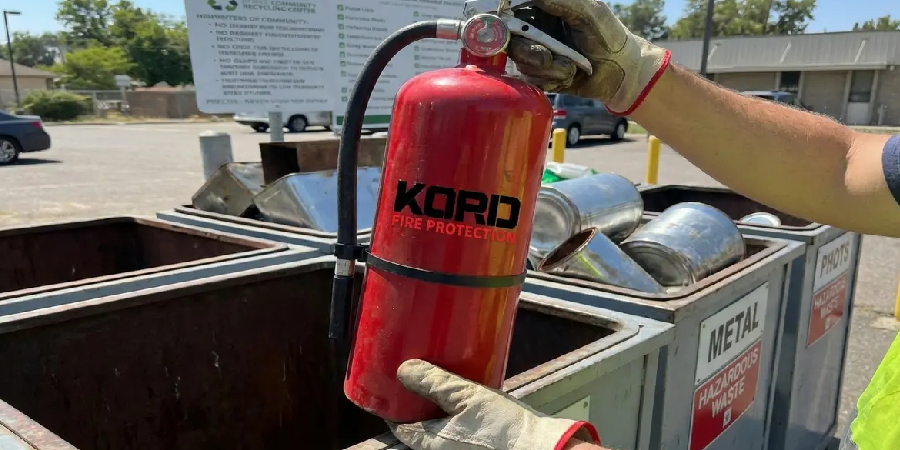
If your fire department doesn’t accept old extinguishers, your next stop is a household hazardous waste (HHW) collection facility. Nearly every county or municipality operates a center designed to handle items that are too dangerous for regular trash, including pressurized canisters. You can find your nearest facility by searching online for “[Your City/County] household hazardous waste.” These centers are equipped to manage the chemicals and pressurized components safely. Check their website or call ahead to confirm they accept fire extinguishers and to learn about their operating hours and drop-off procedures.
Step 5: Ask About Disposal Options at Your Retailer
When you purchase a new fire extinguisher, ask the retailer if they have a take-back or recycling program. Some safety equipment suppliers or home improvement stores that sell extinguishers offer this service to customers. They may partner with a disposal company to handle the old units responsibly. This can be a convenient one-stop-shop solution, allowing you to buy a replacement and get rid of the old one at the same time. It’s an environmentally friendly option that encourages proper recycling and ensures your old unit is managed by professionals who understand the correct protocols.
Step 6: How to Dispose of Fire Extinguishers by Contacting a Disposal Company
For businesses or individuals with multiple extinguishers, a professional fire equipment or waste disposal company is the most efficient option. These companies specialize in handling and recycling fire safety equipment. A quick search for “fire extinguisher disposal services near me” will yield several local options. They will handle everything from pickup to depressurization and recycling, providing a certificate of disposal if needed. While this service typically involves a fee, it offers peace of mind and guarantees compliance with all environmental regulations, making it a reliable method for proper disposal.
Step 7: Prepare the Empty Canister for Recycling
Once you have a confirmed empty and depressurized extinguisher, you can prepare it for metal recycling. After squeezing the lever to release any remaining pressure, the next step is to remove the plastic nozzle and head from the steel canister. This can usually be done with a wrench.
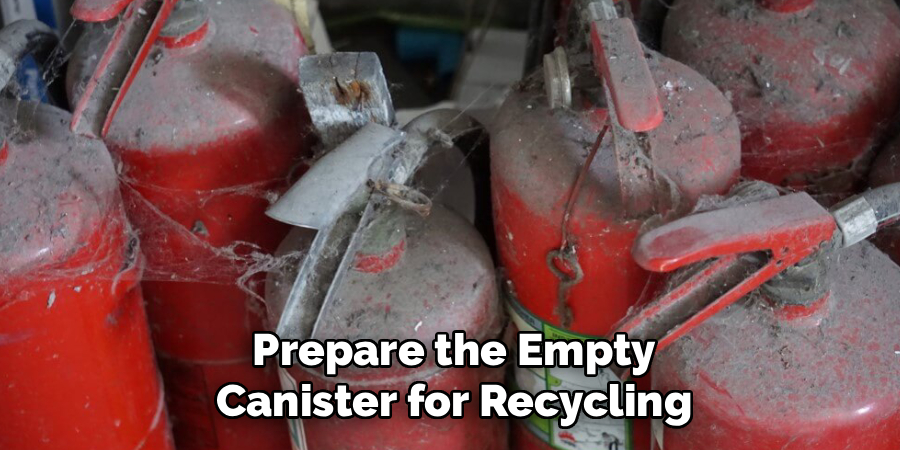
Separating the plastic and metal parts is important because recycling centers process these materials differently. Most scrap metal recyclers will accept the empty steel tank. However, you must call your local recycling facility first to confirm they accept fire extinguisher canisters and ask about their specific requirements.
Step 8: Dispose of Plastic and Other Non-Metal Components
After separating the plastic nozzle and head, check your local recycling guidelines to determine the appropriate disposal method for these components. Many communities have designated drop-off points or curbside recycling programs that accept plastic parts, while some may require you to take them to a specific facility. If the plastic cannot be recycled, dispose of it as non-recyclable waste according to local regulations. Proper disposal ensures environmental safety and reduces waste.
Reuse or Repurpose Remaining Materials
Before discarding any leftover components, consider whether they can be reused or repurposed. Items such as bottles, jars, or even small plastic parts can often be creatively transformed into storage containers, craft materials, or household tools. By finding new uses for these materials, you can reduce waste and contribute to a more sustainable lifestyle. Reusing or repurposing is an easy way to minimize your environmental impact while giving common items a second life.
Frequently Asked Questions (FAQ)
Can I Throw an Expired Fire Extinguisher in the Trash?
No, you should never throw a fire extinguisher, expired or not, into your regular household trash. Even if it seems empty, the canister is pressurized and can explode when compacted in a garbage truck or at a landfill, posing a serious danger to sanitation workers. It must be taken to a proper facility, like a fire station or a hazardous waste collection site, for safe handling and disposal.
How Often Do Fire Extinguishers Need to Be Replaced?
Disposable fire extinguishers typically have a lifespan of 10 to 12 years from the date of manufacture, which is printed on the label. Rechargeable models should be professionally inspected annually and undergo hydrostatic testing every 5 to 12 years, depending on the type. It is crucial to replace any extinguisher that is expired, damaged, or has lost pressure to ensure it will work when you need it most.
What Is Inside a Fire Extinguisher?
The contents of a fire extinguisher vary by type. The most common type for home use is the “ABC” dry chemical extinguisher, which contains monoammonium phosphate, a fire-retardant powder. Other types include:
- Water extinguishers: Contain ordinary water.
- CO2 extinguishers: Contain pressurized carbon dioxide gas.
- Wet chemical extinguishers: Contain a potassium-based solution for kitchen fires.
Can Old Fire Extinguishers Be Recharged?
It depends on the type. Disposable fire extinguishers, which are common in many homes, are designed for single use and cannot be recharged. Rechargeable models, which are typically more expensive and feature a metal valve, can be refilled and serviced by a certified professional. Check the label on your extinguisher; it will clearly state whether it is “rechargeable” or “disposable.” Recharging is often a cost-effective and environmentally friendly option.
Is It Safe to Discharge an Old Fire Extinguisher Myself?
It is only safe to discharge a fire extinguisher yourself if it is a simple water-based unit. For dry chemical extinguishers, which are the most common, discharging them can create a large, messy cloud of powder that can irritate your lungs and eyes. It is much safer to let professionals at a fire department or a hazardous waste facility handle the discharge process in a controlled and safe environment.
Conclusion
Knowing how to dispose of fire extinguishers is a key part of responsible home safety. You can’t simply toss it in the trash due to the risks posed by pressurized canisters and chemical agents. Instead, your best options are to contact your local fire department, find a household hazardous waste facility, or check with a fire equipment company. By taking these simple steps, you ensure the device is handled safely, protecting sanitation workers and the environment. Now that you understand the process, you can confidently manage your old unit and keep your home protected with a new, reliable fire extinguisher.

About
Robert D is a distinguished figure in the world of Safety Systems and Risk Management, with a decade of expertise creating innovative and sustainable workplace solutions. His professional focus lies in merging traditional safety protocols with modern digital monitoring techniques, fostering environments that are both practical and hazard-conscious. As the lead author of SafetyRift, Robert delves into the art and science of risk mitigation, inspiring safety officers and industry professionals alike to bridge the gap between compliance and culture.
Education
RMIT University (Melbourne, Australia)
Associate Degree in Design (Industrial Safety)
-
Focus on sustainable safety infrastructure, industry-driven risk assessments, and practical implementation.
-
Gained hands-on experience with traditional hazard identification and digital monitoring tools, such as IoT safety sensors and predictive analytics software.
Nottingham Trent University (United Kingdom)
Bachelor’s in Occupational Health and Safety (Honors)
-
Specialized in systemic design with a focus on blending human behavior psychology with modern safety production techniques.
-
Participated in industry-wide projects, working with global logistics and manufacturing firms to gain real-world insights into large-scale safety deployments.
Publications and Impact
In SafetyRift, Robert shares his insights on safety design processes, protective materials, and strategies for efficient, accident-free production. His writing bridges the gap between foundational safety knowledge and modern industrial needs, making it a must-read for both budding safety coordinators and seasoned risk management professionals.