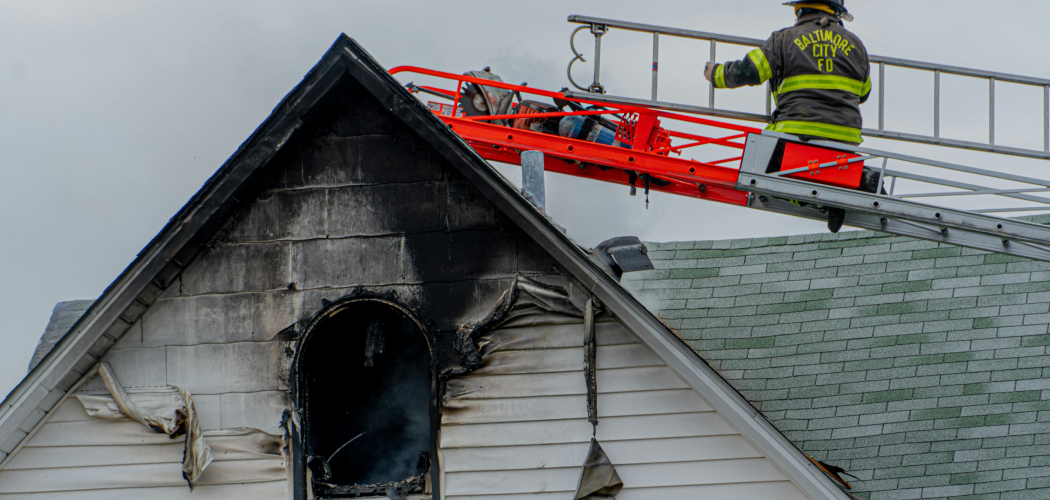
Nothing disrupts a cozy evening by the fireplace quite like the sudden, terrifying roar of a combustion event in your flue. Panic is a natural reaction, but knowing exactly what to do can save your home and protect your family. A chimney fire is a dangerous occurrence caused by the buildup of creosote, a highly flammable byproduct of burning wood. When this residue ignites, it burns with intense heat and can spread rapidly to the rest of the house.
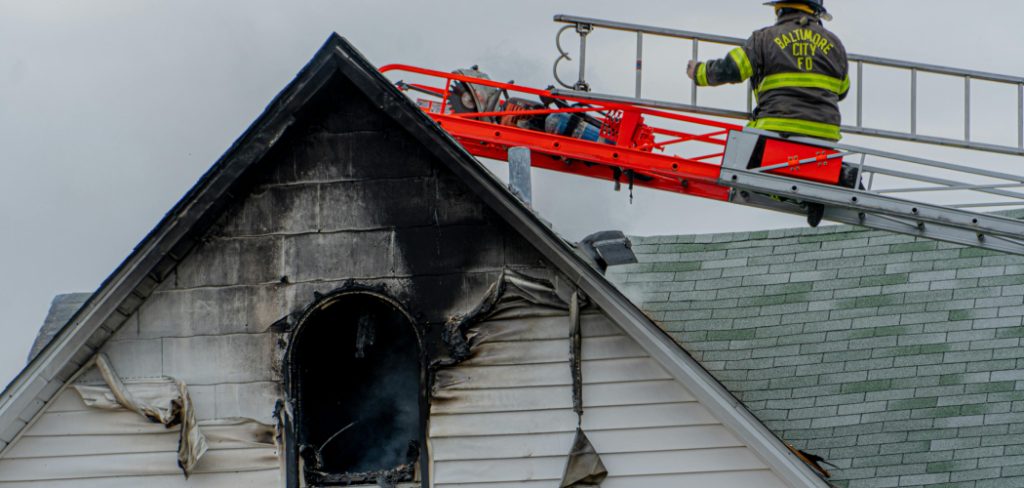
Understanding how to extinguish a chimney fire is a critical skill for any homeowner with a wood-burning stove or fireplace. While prevention is always the best medicine, accidents happen, and preparedness is your best defense. This guide provides a calm, clear pathway to managing this emergency. We will walk you through identifying the signs, taking immediate action to starve the fire, and ensuring the safety of your household until professional help arrives.
Why Knowing Chimney Fire Safety Is Crucial
Understanding the mechanics of a chimney fire is vital because these events often occur silently or deceptively. Many homeowners assume that a fireplace is safe as long as the fire stays in the grate, but the real danger often lurks above in the flue lining. The intense heat generated during a chimney fire can crack tiles, melt metal liners, and ignite nearby structural wood in your attic or walls.
Without proper knowledge, a small incident can escalate into a total loss of property in a matter of minutes. Being educated on emergency procedures empowers you to act decisively rather than freezing in fear. It allows you to mitigate damage before the fire department arrives. Furthermore, understanding the severity of these fires encourages better maintenance habits, such as regular sweeping and inspections, which ultimately keeps your home safer in the long run.
7 Step-by-Step Guide on How to Extinguish a Chimney Fire
Step 1: Identify the Signs of a Chimney Fire
The first moment of realization is often the most confusing, but recognizing the symptoms immediately is vital for safety. You might hear a loud, low rumbling sound that resembles a freight train or a low-flying airplane passing directly over your house. This sound is caused by the intense rush of air being sucked up the flue to feed the flames.
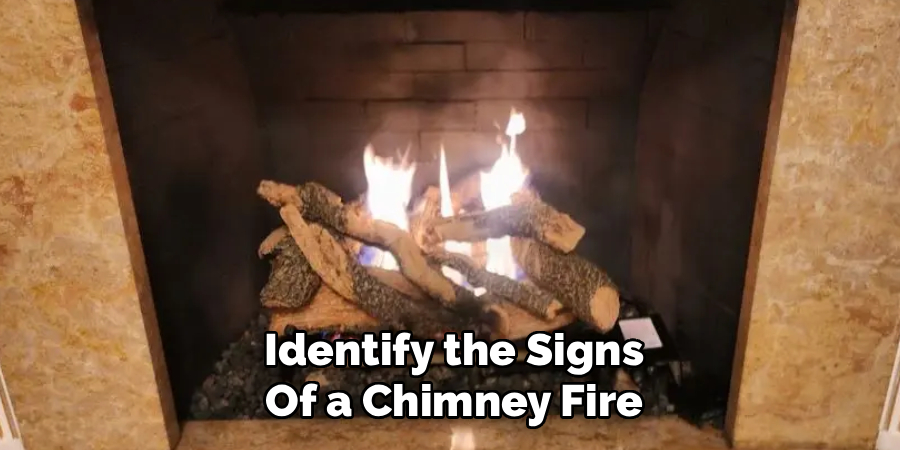
Additionally, you may see dense, dark smoke billowing out of the chimney top or even flames shooting out like a rocket. Inside the home, you might smell a hot, acrid odor that is distinct from normal wood smoke, or hear popping and cracking noises from the chimney structure itself. If you notice any of these alarming signs, do not hesitate to act immediately.
Step 2: Evacuate Family and Call for Help
Before you attempt any suppression techniques, the safety of human life must be your absolute priority. Immediately alert everyone in the house that there is a danger and have them exit the building to a pre-designated safe meeting spot. Once everyone is accounted for, call emergency services or 911 without delay.
Even if you think you can handle the situation or if the fire seems to subside, professional firefighters have thermal imaging cameras to check for hidden hotspots in your walls. Never assume the danger has passed just because the noise stops. While waiting for help, ensure the address is visible and accessible for the fire engine.
Step 3: Cut Off the Oxygen Supply
Fire requires three elements to burn: heat, fuel, and oxygen. The most effective immediate action you can take regarding how to extinguish a chimney fire is to starve it of air. If you have a wood stove or a fireplace with glass doors, close them tightly immediately. Next, close the air intake vents on your wood stove or the damper on your fireplace.
This restricts the airflow moving up the chimney, which can significantly slow down the combustion of the creosote. However, be careful not to close the damper completely if smoke starts pouring back into the room, as this can cause smoke inhalation issues. The goal is to limit the draft that is feeding the intense flames in the flue.
Step 4: Use a Chimney-Specific Extinguisher
If you have a specialized chimney fire extinguisher, such as a Chimfex stick, now is the time to use it. These flares are designed to be ignited and placed into the firebox or wood stove. Once activated, they emit fumes that replace the oxygen in the flue, effectively suffocating the fire from the bottom up.
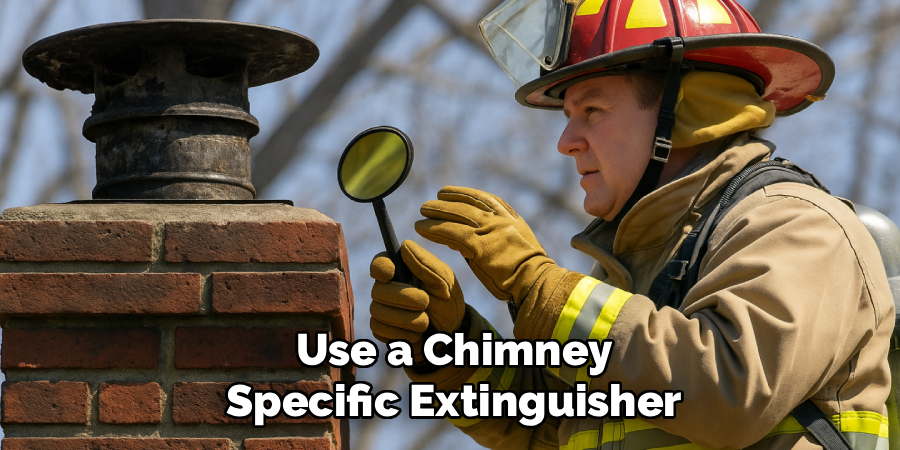
This is often the safest and most reliable method for homeowners to employ while waiting for the fire department. If you do not have a Chimfex stick, do not attempt to throw water directly up the chimney, as the steam expansion can crack the masonry and destroy the flue liner instantly. Relying on specialized tools is a key part of learning how to extinguish a chimney fire safely.
Step 5: Discharge a Dry Chemical Extinguisher
If you do not have a dedicated chimney flare, you can use a standard multi-purpose ABC dry chemical fire extinguisher. To do this effectively, point the nozzle into the fireplace or wood stove and discharge short bursts of the chemical powder into the firebox. The draft from the fire will pull this powder up into the chimney flue, where it can help suppress the flames clinging to the liner.
Be aware that this will create a significant mess inside the firebox and potentially the room, but the mess is preferable to a house fire. After discharging, close the door or opening again to keep the chemical agent inside the flue and to prevent oxygen from rushing back in to reignite the creosote.
Step 6: Wet Down the Roof and Surroundings
While the fire is being managed inside, and if it is safe to do so without endangering yourself, go outside to monitor the exterior. If sparks or embers are shooting out of the chimney top, they can easily ignite dry leaves, shingles, or nearby trees. Use a garden hose to wet down the roof around the chimney and any surrounding combustible materials.
Do not spray water down the chimney itself, as this can cause the liner to shatter due to thermal shock. Instead, focus on preventing the fire from spreading to the exterior of the home. Keep a safe distance from the house in case of structural failure or falling debris while you perform this protective measure.
Step 7: Monitor Interior Walls for Heat
While waiting for the fire department, or after you believe the fire has subsided, check the interior walls that the chimney passes through. Place the back of your hand against the walls in the rooms upstairs and in the attic if accessible. If the walls feel hot to the touch, it indicates that the fire has breached the chimney liner and is heating the wood framing of your house.
This is an extremely dangerous situation that requires immediate professional intervention. If you detect heat on the walls, evacuate the house immediately if you haven’t already. This heat transfer is a silent killer and is why professional inspection is mandatory after any event.
Do Not Use the Fireplace Again
Once the fire is out, the ordeal is not over. The structural integrity of your chimney has likely been compromised. The intense heat of a chimney fire—which can reach 2,000 degrees Fahrenheit—can crack clay tiles, warp metal, and melt mortar.
Using the fireplace again before a professional inspection could allow heat or toxic gases like carbon monoxide to leak into your home. You must hire a CSIA-certified chimney sweep to inspect the flue thoroughly. They will use cameras to look for cracks and damage that are invisible to the naked eye. Consider this step the final and most important rule of safety: the fireplace is out of commission until a pro says otherwise.
Frequently Asked Questions (FAQ)
What Causes A Chimney Fire To Start?
The primary cause of almost all chimney fires is the accumulation of creosote. Creosote is a dark, tar-like residue that builds up on the inner walls of the flue when wood is burned incompletely or at low temperatures.
- Wet Wood: Burning unseasoned wood creates more smoke and creosote.
- Restricted Air: Smoldering fires produce cooler smoke that condenses quickly.
Over time, this highly flammable substance thickens and can ignite from a wayward spark or high heat.
How Often Should I Clean My Chimney?
Safety experts and the National Fire Protection Association recommend that chimneys, fireplaces, and vents be inspected at least once a year.
- Usage matters: If you use your fireplace heavily (3+ cords of wood a winter), you may need a mid-season sweep.
- Even gas logs: Gas fireplaces also need inspections to ensure there are no blockages like bird nests.
Regular cleaning removes the fuel source (creosote) that makes chimney fires possible.
Can I Use Water To Put Out The Fire?
You should generally avoid using water to extinguish a chimney fire unless it is a last resort and you are spraying the roof to prevent spread.
- Thermal Shock: Pouring cold water into a superheated flue can cause masonry and clay liners to crack or explode.
- Steam Damage: Rapidly expanding steam can blow out mortar joints.
It is much safer to use a dry chemical extinguisher or a specialized chimney flare.
What Does A Chimney Fire Sound Like?
A chimney fire is often described as sounding like a freight train or a jet engine taking off inside your living room.
- Loud Roaring: This is caused by the massive intake of air creating a vacuum effect.
- Popping and Cracking: You may hear loud snaps as the creosote expands and burns.
However, keep in mind that “slow burning” chimney fires can be silent and only detected by hot walls or warped caps later.
Are Chimney Sweeping Logs Effective?
Chimney sweeping logs, or creosote sweeping logs, can be a helpful maintenance tool, but they are not a replacement for mechanical cleaning.
- Chemical Action: They release chemicals that dry out creosote, making it flake off.
- Not a Cure-All: They do not remove all debris and can sometimes cause loose creosote to fall and block the flue.
They should be used as a supplement to, not a substitute for, a professional sweep.
Conclusion
Facing a chimney fire is a frightening experience, but panic is your worst enemy. By keeping a cool head and following these steps, you can significantly reduce the risk of extensive damage to your home. Remember that the most important action is to ensure your family’s safety by evacuating and calling emergency services immediately. The steps outlined here are designed to mitigate the fire’s intensity while help is on the way.
Ultimately, the best way to handle this danger is to prevent it entirely. Regular cleaning, burning only seasoned dry wood, and annual inspections are the pillars of fireplace safety. Now that you know how to extinguish a chimney fire, we hope you never have to use this knowledge. Stay proactive with your chimney maintenance, and you can enjoy the warmth of your hearth with total peace of mind.

About
Robert D is a distinguished figure in the world of Safety Systems and Risk Management, with a decade of expertise creating innovative and sustainable workplace solutions. His professional focus lies in merging traditional safety protocols with modern digital monitoring techniques, fostering environments that are both practical and hazard-conscious. As the lead author of SafetyRift, Robert delves into the art and science of risk mitigation, inspiring safety officers and industry professionals alike to bridge the gap between compliance and culture.
Education
RMIT University (Melbourne, Australia)
Associate Degree in Design (Industrial Safety)
-
Focus on sustainable safety infrastructure, industry-driven risk assessments, and practical implementation.
-
Gained hands-on experience with traditional hazard identification and digital monitoring tools, such as IoT safety sensors and predictive analytics software.
Nottingham Trent University (United Kingdom)
Bachelor’s in Occupational Health and Safety (Honors)
-
Specialized in systemic design with a focus on blending human behavior psychology with modern safety production techniques.
-
Participated in industry-wide projects, working with global logistics and manufacturing firms to gain real-world insights into large-scale safety deployments.
Publications and Impact
In SafetyRift, Robert shares his insights on safety design processes, protective materials, and strategies for efficient, accident-free production. His writing bridges the gap between foundational safety knowledge and modern industrial needs, making it a must-read for both budding safety coordinators and seasoned risk management professionals.