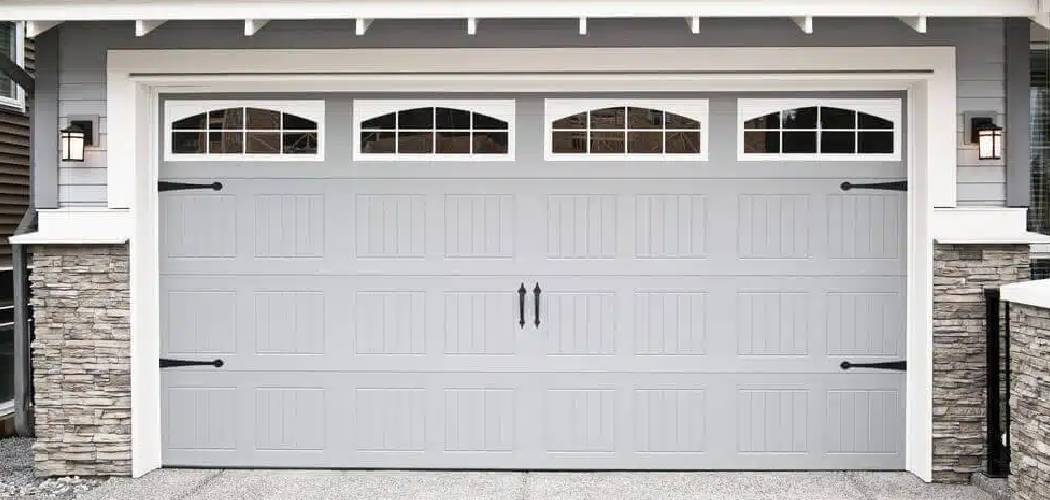
Finding yourself locked out of your garage can be a frustrating experience, especially when you need to access your car or stored belongings. Whether it’s due to a power outage, a lost remote, or a malfunctioning opener, a locked garage door can disrupt your day. Fortunately, in most situations, you can regain access without needing to call a professional. This guide will provide clear, step-by-step instructions on how to open locked garage door safely and efficiently. We will cover the manual override process, which is a built-in safety feature on most modern garage doors, ensuring you can get back inside with minimal hassle.
Understanding Manual Override is Crucial
Knowing how to manually open your garage door is an essential skill for any homeowner. The primary reason is power failure. Since automatic garage door openers rely on electricity, they become inoperable during a blackout, trapping your vehicle inside. Additionally, the electronic components of the opener, such as the remote control or the wall-mounted keypad, can fail due to dead batteries or signal interference. Having the knowledge to bypass the automated system provides peace of mind and ensures you are never truly stuck. It’s a simple, yet vital, piece of home maintenance know-how that empowers you to handle unexpected situations calmly and effectively, saving you time and potential emergency service fees.
7 Step Methods Guide on How to Open Locked Garage Door
Step 1: Ensure the Door is Closed
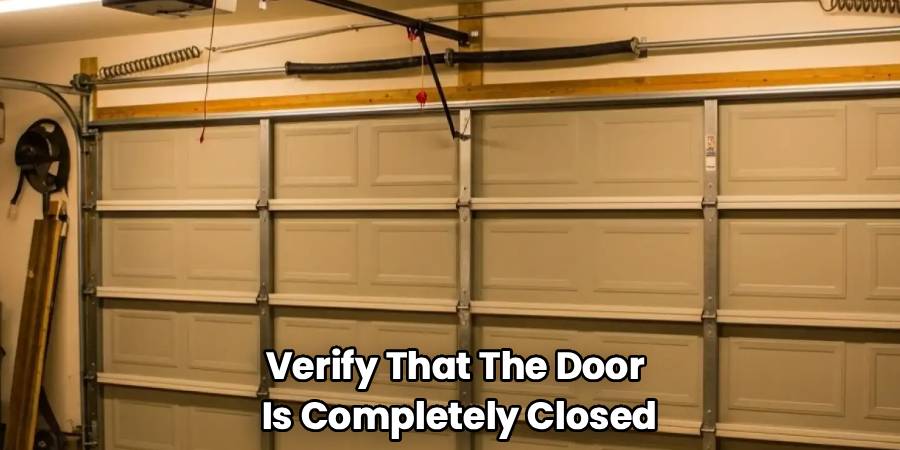
Before you begin, your primary safety check is to ensure the garage door is fully in the down position. Attempting to disengage the opener while the door is open or partially open is extremely dangerous. The door is under immense tension from its springs, and if it’s not secured, it could slam down unexpectedly, causing serious injury or damage to property. Take a moment to verify that the door is completely closed and resting on the ground. This initial step is non-negotiable and sets the stage for a safe and successful manual opening process.
Step 2: Unplug the Garage Door Opener
For your safety, the next critical action is to cut all power to the garage door opener unit. Locate the power cord running from the motor unit on your ceiling to the electrical outlet. Unplug it completely. This step prevents any possibility of the motor accidentally engaging while you are working with the manual release mechanism. If the opener were to suddenly receive power or a signal, it could create a hazardous situation. Disconnecting the power source ensures the entire system is inert, allowing you to proceed with confidence and focus on the manual override without any electrical risks.
Step 3: Locate the Emergency Release Cord
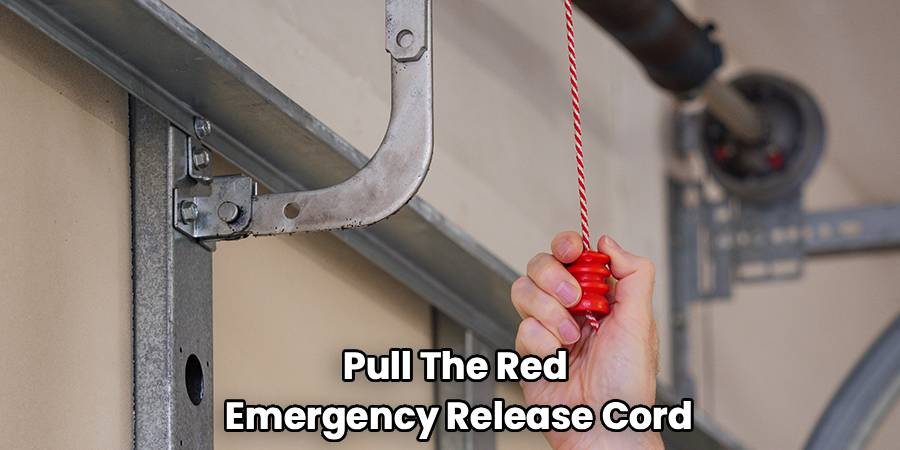
Look up at the garage door opener’s motor unit mounted on the ceiling. You should see a red cord with a handle hanging down from the track (also known as the carriage or trolley). This is the emergency release cord. It is specifically designed for situations like this, allowing you to disconnect the door from the opener’s chain or belt drive. The red color is intentional to make it highly visible and easy to find in an emergency. This simple but brilliant mechanism is your key to manually controlling the door, bypassing the entire automated system.
Step 4: Pull the Emergency Release Cord
Firmly grasp the handle of the red emergency release cord and pull it down and toward the back of the garage. You should hear a distinct clicking sound as the trolley release arm disconnects from the opener’s drive mechanism. This action effectively disengages the door from the motor, putting it into manual mode. You may need to give it a solid tug, but don’t yank it excessively hard. The goal is to disengage the attachment lever. Once you hear the click, the door is free from the opener’s control and can be moved by hand.
Step 5: Carefully Lift the Garage Door
Now that the door is disconnected from the opener, you can lift it manually. Stand in the center of the door, bend your knees, and use your legs to lift, keeping your back straight to avoid injury. Grip the bottom of the door or a handle if one is available. Lift slowly and smoothly. If the door feels extremely heavy or is difficult to lift, stop immediately. This could indicate a problem with the springs, which are under high tension and can be very dangerous. A properly balanced door should feel relatively light and easy to move by hand.
Step 6: Secure the Door in the Open Position
Once you have lifted the garage door all the way up, it needs to be secured to prevent it from falling. A well-balanced door may stay open on its own, but it is not safe to rely on this. For absolute security, use sturdy C-clamps or locking pliers and attach them to the vertical tracks on both sides, just below the bottom rollers of the door. This creates a physical barrier that will stop the door from accidentally sliding down while you are accessing the garage or working underneath it. Never prop the door open with an object that could slip.
Step 7: Lowering and Re-Engaging the Door
When you are ready to close the garage, carefully remove the clamps from the tracks. Grasp the door handle or bottom edge and slowly guide it down until it is fully closed. To re-engage the automatic opener, you will need to reconnect the trolley. You can often do this by pulling the emergency release cord again, this time towards the garage door, to set the spring-loaded lever. Then, plug the opener back in and press your remote button. The opener’s chain or belt will move and automatically click back into the trolley, re-establishing the connection. This final step in understanding how to open locked garage door is complete.
Step 8: Test the Garage Door Opener
After re-engaging the automatic opener, it’s important to test the system to ensure everything is functioning correctly. Start by pressing your remote or wall-mounted button to operate the door. Observe the door as it moves, checking for smooth and consistent motion. Listen for any unusual noises that might indicate a mechanical issue. If the door doesn’t open or close properly, inspect the trolley connection and ensure the emergency release lever is fully reset. Regular testing ensures that your garage door opener remains reliable and prevents potential malfunctions.
Lubricate Moving Parts
To keep your garage door operating smoothly, it’s essential to regularly lubricate its moving parts. Apply a high-quality garage door lubricant to the rollers, tracks, hinges, and springs. Ensure the lubricant is evenly spread but avoid over-application, as too much lubricant can attract dust and debris, leading to buildup. Proper lubrication reduces friction, minimizes wear and tear, and helps prevent unwanted squeaks or grinding noises during operation. Regular maintenance with lubrication extends the lifespan of your garage door system and ensures quiet, efficient performance.
Test the Garage Door’s Balance
Testing the balance of your garage door is essential to ensure smooth operation and reduce strain on the opener. First, disconnect the automatic opener by pulling the release handle, allowing the door to operate manually. Lift the door halfway and observe whether it stays in place. If the door falls or rises, it may be out of balance, indicating a need for adjustment by a professional technician. A properly balanced garage door will enhance safety, increase efficiency, and prevent potential damage to the system.
Frequently Asked Questions (FAQ)
What if My Garage Has No Other Entry Door?
If your garage has no side access door, you’ll need an emergency release kit, also known as a key release lock. This device is installed on the face of the garage door itself. It connects a cable to the same emergency release trolley inside. You use a key to unlock the mechanism from the outside, which allows you to pull the cable and disengage the opener, enabling you to lift the door manually from the exterior.
Is It Safe to Leave My Garage Door Disengaged?
No, you should not leave the door disengaged from the opener for extended periods. When the door is in manual mode, it is not securely locked. Someone could potentially lift it from the outside. The automatic opener acts as a robust lock. Always re-engage the trolley with the opener as soon as you have restored power or resolved the issue to ensure your home remains secure.
Why Is My Garage Door So Heavy to Lift Manually?
If your garage door is very difficult to lift, it is a strong indicator that the springs are broken, worn out, or improperly balanced. The springs are responsible for counterbalancing the door’s weight, making it feel light.
Do not attempt to adjust or replace garage door springs yourself. They are under extreme tension and can cause severe injury. In this situation, it is best to contact a qualified garage door professional for service.
Can I Break My Garage Door by Opening It Manually?
Following the correct procedure is unlikely to cause any damage. The emergency release mechanism is a standard feature designed for this exact purpose. The key is to be careful and deliberate in your actions. Lift and lower the door slowly and smoothly, avoid yanking on components, and never force it if you feel resistance. The risk of damage is highest when a door with broken springs is operated, which is why checking the weight is important.
How Do I Reconnect the Garage Door Opener?
To reconnect it, first ensure the door is fully closed. Pull the emergency release cord down and back to set the release lever in the “connect” position. Plug the opener motor back into the outlet. Finally, press the button on your wall control or remote. The opener will run, and the drive mechanism (chain or belt) will travel along the track and automatically click back into the trolley, re-engaging the door.
Conclusion
Being locked out of your garage is an inconvenience, but it doesn’t have to be a crisis. By following the steps outlined above, you can confidently and safely regain access to your space. The key takeaways are to always prioritize safety by disconnecting power and ensuring the door is closed before you begin. Understanding how to use the emergency release cord is a valuable skill that puts you in control during a power outage or opener malfunction. Now that you know how to open locked garage door, you are better prepared to handle this common household issue without stress or unnecessary expense.

About
Robert D is a distinguished figure in the world of Safety Systems and Risk Management, with a decade of expertise creating innovative and sustainable workplace solutions. His professional focus lies in merging traditional safety protocols with modern digital monitoring techniques, fostering environments that are both practical and hazard-conscious. As the lead author of SafetyRift, Robert delves into the art and science of risk mitigation, inspiring safety officers and industry professionals alike to bridge the gap between compliance and culture.
Education
RMIT University (Melbourne, Australia)
Associate Degree in Design (Industrial Safety)
-
Focus on sustainable safety infrastructure, industry-driven risk assessments, and practical implementation.
-
Gained hands-on experience with traditional hazard identification and digital monitoring tools, such as IoT safety sensors and predictive analytics software.
Nottingham Trent University (United Kingdom)
Bachelor’s in Occupational Health and Safety (Honors)
-
Specialized in systemic design with a focus on blending human behavior psychology with modern safety production techniques.
-
Participated in industry-wide projects, working with global logistics and manufacturing firms to gain real-world insights into large-scale safety deployments.
Publications and Impact
In SafetyRift, Robert shares his insights on safety design processes, protective materials, and strategies for efficient, accident-free production. His writing bridges the gap between foundational safety knowledge and modern industrial needs, making it a must-read for both budding safety coordinators and seasoned risk management professionals.