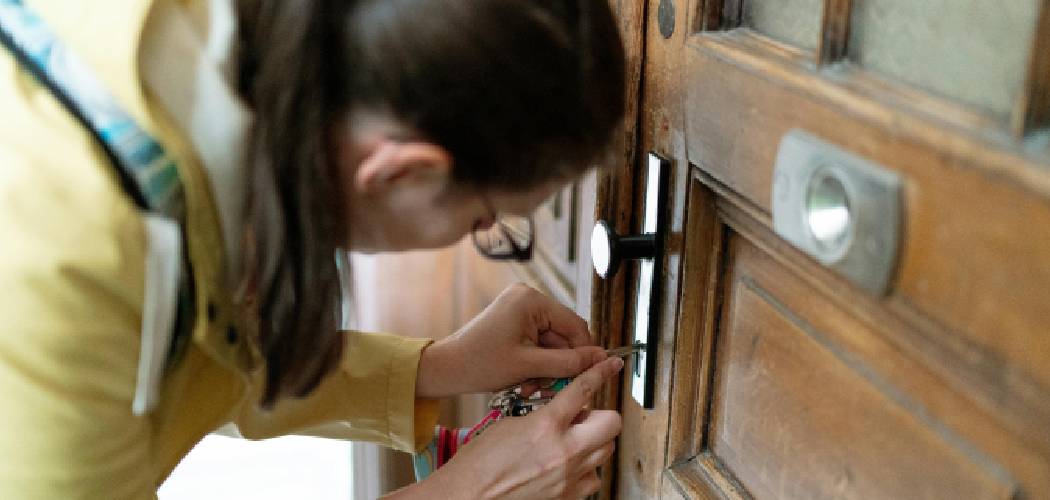
We have all been there. You are rushing to get inside with an armful of groceries, or maybe you are running late for a crucial meeting. You slide your key into the cylinder, turn it, and suddenly, it refuses to budge or come back out.
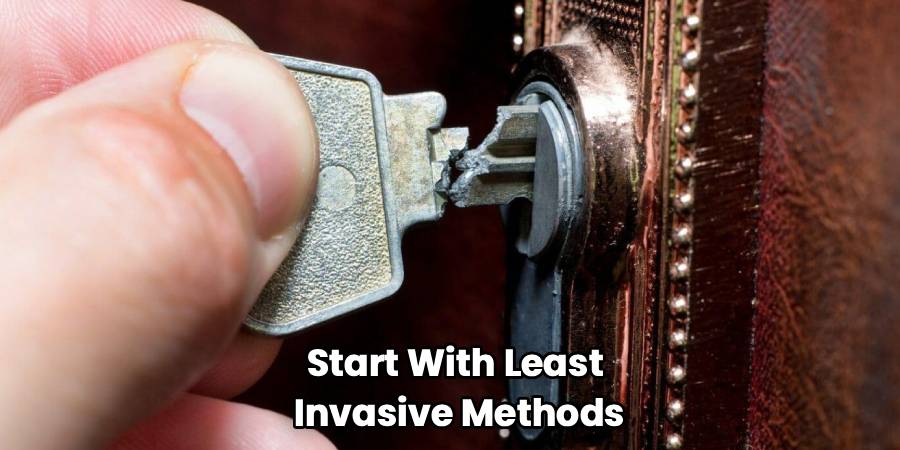
Panic starts to set in immediately. Your first instinct might be to yank it out with all your strength, but please stop right there. Aggressive force is the enemy here and usually leads to a broken metal fragment stuck inside the mechanism.

Dealing with a jammed entry point is incredibly frustrating, but it is rarely permanent. Learning how to remove key stuck in door lock doesn’t have to be a nightmare scenario involving expensive emergency calls.
With a few deep breaths and the right techniques, you can often solve this puzzle on your own. Most of the time, the issue is mechanical friction or a loose component, not a complete disaster. Let’s walk through the solutions together so you can get on with your day.
Understanding Why It Happened
Before we dive into the removal process, it helps to understand the mechanics at play. Understanding the “why” can stop you from making the problem worse inadvertently.
Most residential hardware uses a pin tumbler system. Inside the cylinder, there are tiny pins that must align perfectly with the ridges on your key. If those pins get stuck or the key is worn down, the alignment fails.
Sometimes, the culprit is a tiny burr or rough spot on a newly cut key. These microscopic imperfections can catch on the inner pins like a fishhook.
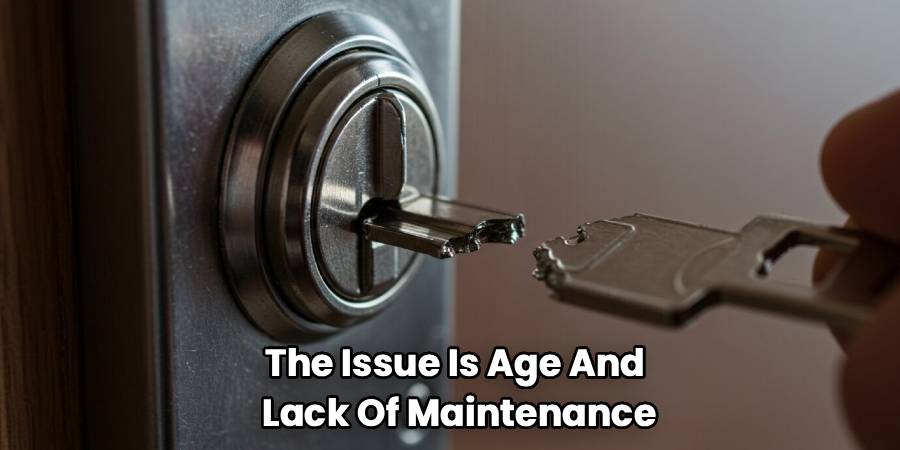
Other times, the issue is simply age and lack of maintenance. Dust, grime, and old metal filings can gum up the works over time. This creates friction that traps the metal blade inside the plug.
Temperature fluctuations are another common enemy. Cold weather can cause the metal inside the mechanism to contract, clamping down tight on the blade. Conversely, extreme heat can cause expansion that misaligns the internal components.
Initial Assessment and Safety
Take a moment to look closely at the situation before you grab any tools. Is the key completely vertical, or is it turned slightly to the left or right?
If the key is not in the neutral, vertical position, the pins cannot reset. This is the most common reason for a jam. You cannot pull a key out if the cylinder is rotated even a fraction of an inch.
Check if the door itself is putting pressure on the latch. Sometimes the deadbolt is binding against the strike plate on the door frame. This tension transfers to the cylinder, locking everything in place.
If you suspect the door alignment is the issue, try pushing the door firmly inward or pulling it outward while gently wiggling the key. This relieves the pressure on the bolt and might free the mechanism instantly.
Step-by-Step Removal Guide
We will start with the least invasive methods and work our way up. Patience is critical here.
When figuring out how to remove key stuck in door lock, patience is your best tool. Rush this, and you might be shopping for a whole new handle set.
Method 1: The Push and Pull Technique
This is the simplest fix and works surprisingly often. It addresses loose pin tumblers that might be catching on the key ridges. Start by pushing the key inward toward the door. Do this firmly but without excessive force.
While pushing in, turn the key to the neutral position where it was inserted. This is usually perfectly vertical. Once you are sure it is vertical, apply pressure to the face of the lock next to the key with your thumb. This holds the cylinder in place.
Now, pull the key back swiftly but gently. You are trying to use momentum to overcome the friction of a single stuck pin.
Method 2: Lubrication Is Key
Dry locks are stuck locks. Metal-on-metal friction is often the main antagonist in this story. You need a lubricant that penetrates deep into the cylinder. However, reach for the right product. Standard oil-based lubricants can actually gum up the works later by attracting dust. A graphite spray or a dry Teflon-based lubricant is superior for this specific task.
Spray the lubricant directly into the keyhole, aiming the straw above the key blade if possible. You want the fluid to reach the pins sitting on top of the key. Let it sit for a few minutes. Allow gravity and capillary action to work the lubricant into the tight spaces between the pins and the blade.
After waiting, gently wiggle the key up and down. Do not twist it yet; just move it vertically to distribute the lubricant. Try to slide it out gently. Often, the reduction in friction is all that was needed.
Method 3: The Ice Method
If you suspect the weather is to blame, temperature manipulation can save the day. This is especially true on hot days where expanded metal is binding the key. Grab an ice cube from your freezer. Wrap it in a plastic bag to prevent water from dripping into the lock mechanism.
Hold the ice against the head of the key and the face of the lock. Keep it there for about 30 to 60 seconds. The cold will cause the metal of the key to contract slightly. Even a fraction of a millimeter of shrinkage can break the bond with the cylinder pins. Once the metal feels cold to the touch, give the key a gentle jiggle and try to pull it free.
Method 4: Stabilizing the Cylinder
Sometimes the entire lock cylinder is loose within the housing. When you pull the key, the cylinder moves with it, preventing the pins from disengaging. You need to immobilize the lock face. Use your non-dominant hand for this. Press your thumb or finger firmly against the metal circle surrounding the keyhole. You want to push the lock face back into the door.
While maintaining this pressure, use your other hand to gently pull the key. This separation allows the pins to drop while the key slides out. This is a very common fix for older hardware that has seen years of use.
Method 5: Using Needle-Nose Pliers
If the key has broken off or the head is slippery, you might need better grip. This requires a steady hand. Use a pair of needle-nose pliers. The thinner the nose, the better.
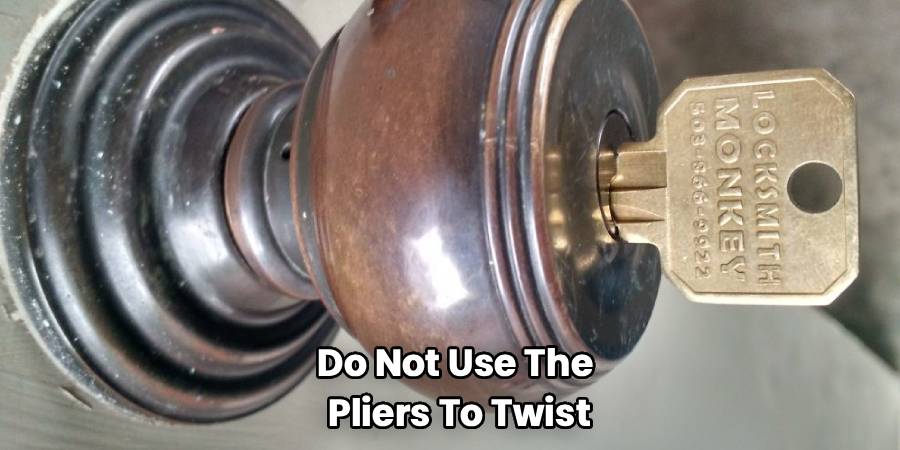
Grip the exposed part of the key firmly. Ensure you are not clamping down on the lock cylinder itself. Do not use the pliers to twist. The torque from pliers is much higher than your fingers and can easily snap the metal. Use the pliers only to pull straight back. Combine this with the lubrication method for the best results.
Troubleshooting Common Scenarios
Every lock is different, and specific situations require tailored approaches.
Stiff New Keys
Did you just get this key cut? Freshly cut keys often have sharp edges or “burrs” left over from the cutting machine. These sharp edges snag on the soft brass pins inside the lock. If you get it out, take it back to the hardware store. Ask them to run it over the wire brush again. A smooth key is a functional key.
Old and Rusty Locks
If the lock is old, rust is likely the culprit. Rust expands and seizes moving parts. In this case, a penetrating oil is necessary. You might need to be more generous with the spray.
Spray it and let it sit for at least 15 to 20 minutes. Rust takes time to break down. Gently tap the key with the handle of a screwdriver while pulling. The vibration can help shatter the rust bonds.
The Key Turns But Won’t Come Out
If the key rotates freely but refuses to exit, the cylinder is likely misaligned. The timing of the mechanism is off. The pins only align for removal at one specific degree of rotation. usually 12 o’clock.
Try turning the key slightly past the 12 o’clock position, then bringing it back. You are feeling for that tiny “click” where the gates open. Do not pull while turning. Turn to the spot, stop, and then pull.
Preventative Maintenance
Once you have successfully retrieved your key, you want to ensure this never happens again. A little care goes a long way.
Regular Lubrication
Make it a habit to lubricate your locks twice a year. Mark it on your calendar for spring and fall. Use a graphite powder or a dedicated lock spray. Never use cooking oil or heavy grease. This keeps the pins moving freely and prevents moisture buildup. It is the cheapest insurance for your hardware.
Check Your Keys
Look at your keys closely. Are they bent? A bent key will inevitably get stuck or break. It creates uneven pressure inside the cylinder. Place your key on a flat surface. If it doesn’t lay flat, it is time to get a replacement. Do not try to bend it back and keep using it. The metal is already fatigued and weak.
Clean the Mechanism
If a lock feels “gritty,” it is full of dirt. You can clean it without taking it apart. Spray a cleaner/degreaser into the keyhole. Let the runoff drip out onto a rag. Follow up immediately with a proper lubricant. This flushes out the abrasive particles that cause jams.
Inspect the Door Alignment
Check the strike plate on the door frame. Look for scratch marks on the metal. If you see deep scratches, your latch is dragging. This puts stress on the lock every time you use it. You may need to tighten the hinge screws on the door. Sagging doors are the number one cause of lock misalignment.
When To Call A Professional
There comes a point where DIY efforts become risky. Knowing when to stop is a skill in itself. If you have tried lubrication, ice, and gentle pulling for 20 minutes with no success, take a break. frustration leads to broken keys.
If the key breaks off inside the lock, stop immediately. Do not try to fish it out with a paperclip unless you are very confident. Pushing a broken fragment deeper makes the locksmith’s job much harder and more expensive.
If the lock cylinder spins in a complete circle, the tailpiece is broken. No amount of pulling will fix this. In these cases, a certified locksmith is your best bet. They have specialized extractors and decoders that prevent damage to the door.
It is cheaper to pay for a service call than to replace an entire entry door because of drill damage.
Frequently Asked Questions
Can I use cooking oil to lubricate my lock?
You should avoid using vegetable or olive oil in a door lock. While it might work temporarily, it eventually turns into a sticky, gummy mess. This sticky residue traps dust and dirt. Over time, this creates a sludge that will permanently jam the pins. Stick to graphite or Teflon-based sprays.
What if the key broke off in the lock?
If a piece of the key is sticking out, you can try to grab it with needle-nose pliers or tweezers. Be extremely gentle. If the piece is deep inside, you can try a “broken key extractor” tool if you have one. Alternatively, a small jigsaw blade can sometimes hook the brass fragment. If you cannot grip it easily, call a professional. Digging blindly often pushes the fragment deeper into the mechanism.
Why does my key get stuck only when it’s cold?
Metal contracts when it gets cold. This shrinkage tightens the tolerances inside the lock cylinder. If your key is slightly worn or the duplicate wasn’t perfect, the cold exacerbates the issue. The pins clamp down harder on the imperfections. Warming the key with your hands or using a lock de-icer usually solves this immediate problem.
Should I force the key to turn with pliers?
Never use pliers to force a key to turn. Keys are made of soft brass or nickel-silver, which are relatively weak metals. The torque generated by pliers will almost certainly shear the head of the key off. Then you are left with a locked door and a broken key inside. Pliers should only be used to pull a key straight out, never to twist it.
Can I use a magnet to get the key out?
Unfortunately, a magnet will rarely work. Most house keys are made of brass or nickel-silver mixtures. These metals are non-magnetic. Even if you have a steel key, the friction of the pins is usually stronger than the magnetic pull. You need mechanical grip, not magnetic attraction, to solve this problem.
Conclusion
Now that you know how to remove key stuck in door lock, you can breathe a sigh of relief. It is a stressful situation, but one that is almost always solvable with patience and the right technique. Remember to take it slow. Avoid the temptation to use brute force. Treat your locks with a little preventative care, and they will serve you reliably for years to come.