It always seems to happen at the most inconvenient times. You might be searing a steak for a nice dinner, enjoying a steamy shower, or, worst of all, fast asleep at 3:00 AM. Suddenly, that piercing, ear-splitting shriek cuts through the air. Your heart races, the dog starts barking, and chaos ensues.
Once you realize there is no actual fire—thank goodness—the relief is quickly replaced by frustration and a desperate need to make the noise stop. If you are currently standing on a dining chair with a towel in your hand, frantically searching for how to stop smoke detector from going off, you have come to the right place.
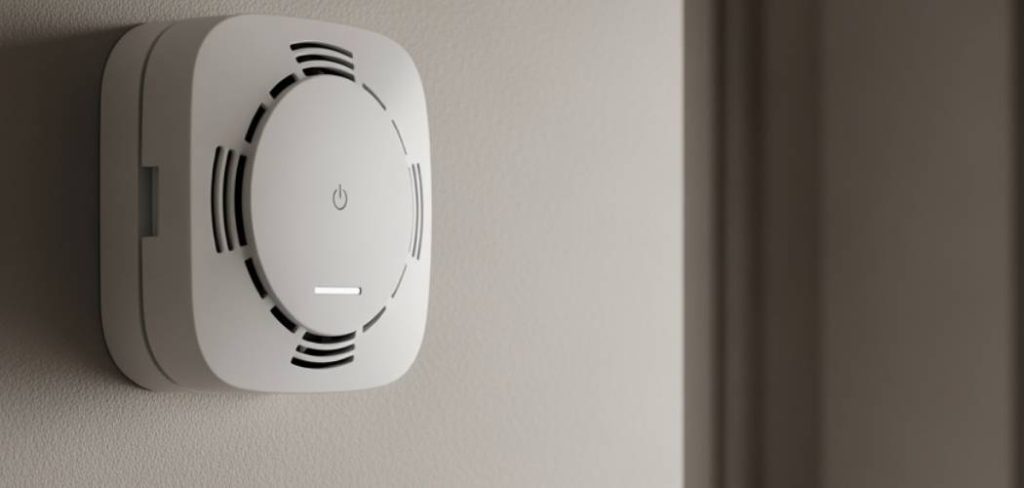
Dealing with false alarms is a rite of passage for homeowners and renters alike, but it doesn’t have to be a recurring nightmare. Understanding why your alarm is sounding is just as important as silencing it. In this guide, we will walk you through exactly how to handle nuisance alarms, troubleshoot underlying issues, and maintain your units so you never have to wake up to that terrible sound again.
Step-by-Step Guide to Silencing and Fixing Your Alarm
Before you do anything else, you must treat every alarm as if it is real. Smoke detectors are designed to be sensitive for a reason: to save your life. Never assume it is a false alarm until you have thoroughly checked your home for smoke, fire, or the smell of burning. Once you have confirmed that your home is safe and this is merely a “nuisance alarm,” you can proceed with the following steps to restore peace and quiet.
Step 1: Locate the Triggering Unit
In modern homes, smoke detectors are often interconnected hardwired units. This means that when one detects smoke, they all scream in unison. This safety feature is fantastic for alerting you to a fire in the basement while you are in the attic, but it makes finding the culprit difficult during a false alarm.
Walk through your home and look at each unit. You are looking for a flashing red light. While all units might be sounding the alarm, only the initiating unit—the one that actually “smelled” the smoke or dust—will have a rapidly flashing red LED light. The others will usually just be sounding the horn. Identifying this specific unit is crucial because silencing the others won’t solve the problem; you have to address the source.
Step 2: Ventilate the Area Quickly
If the alarm was triggered by something obvious, like burnt toast, steam from a bathroom, or smoke from a fireplace, your first move should be to clear the air. Open windows and doors to create a cross-breeze. Turn on ceiling fans or box fans to circulate the air.
Fanning the smoke detector with a newspaper, towel, or magazine can also help move the clean air into the sensor chamber. This is often the fastest way to stop the noise without having to climb up and touch the device. As soon as the sensor detects that the particles in the air have cleared, the alarm should silence itself automatically.
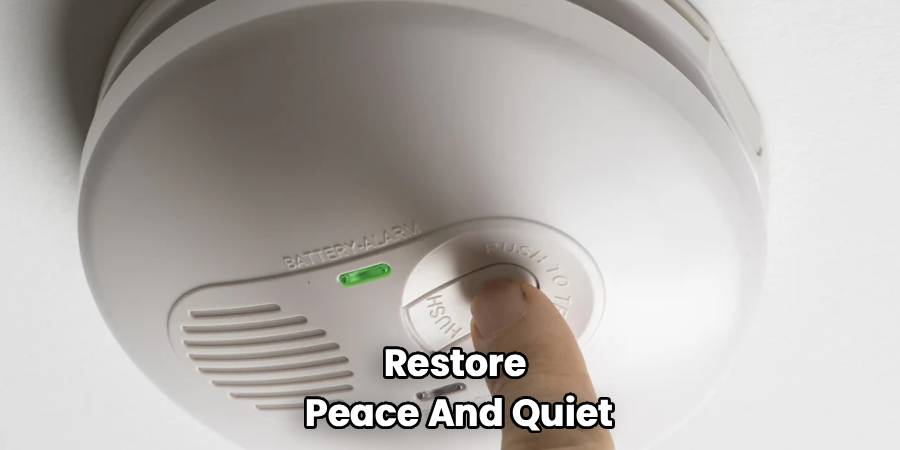
Step 3: How To Stop Smoke Detector From Going Off With the Reset Button
Most modern smoke alarms come equipped with a “Hush” or “Silence” button. It is usually the same button used for testing the unit. If ventilation isn’t working fast enough, or if the cause isn’t immediately clear, this button is your best friend.
Press and hold the button for a few seconds. If the unit is within reach, this should temporarily desensitize the alarm for about 8 to 10 minutes. This gives you a window of time to clear the smoke or steam without the deafening noise distracting you. If the smoke clears during this silence period, the unit will reset to normal operation. If the smoke is still heavy after the hush period ends, the alarm will sound again.
Step 4: Replace the Batteries (Even in Hardwired Units)
One of the most common reasons for a smoke detector to malfunction or chirp is a weak battery. Even if your system is hardwired into your home’s electrical grid, it almost certainly has a backup battery to keep it running during power outages.
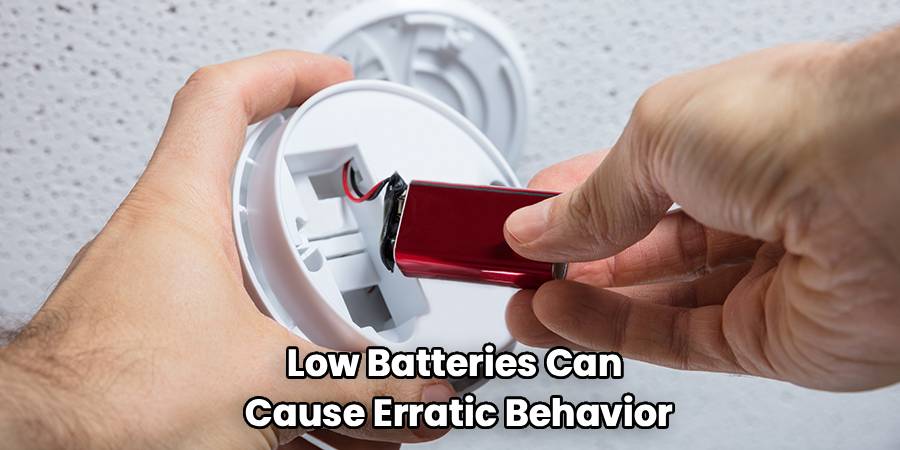
When this battery starts to die, the voltage drops, and the detector creates a high-pitched chirp. However, sometimes low batteries can cause erratic behavior that leads to full-blown false alarms. If you haven’t changed the batteries in the last six months, do it now.
Open the battery compartment—usually found on the side or back of the unit—and swap out the old 9-volt or AA batteries for fresh, high-quality alkaline or lithium ones. Be sure to check the manufacturer’s instructions, as some detectors are picky about battery brands. This simple maintenance step is often the answer when you are figuring out how to stop smoke detector from going off unexpectedly.
Step 5: Clean the Sensors to Remove Dust and Bugs
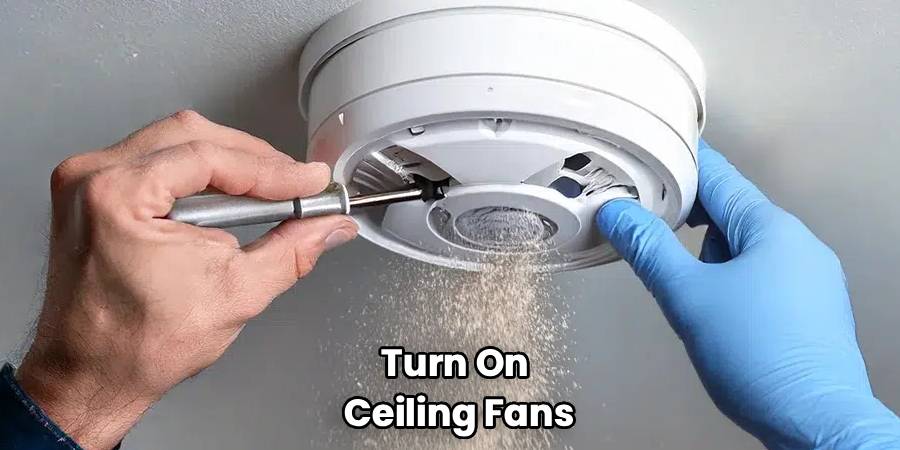
It sounds strange, but dust bunnies and small insects are frequent offenders when it comes to nuisance smoke alarms. Smoke detectors work by sensing particles in the air. To a sensor, a spec of dust or a tiny spider crawling inside the chamber looks a lot like smoke.
If your house is dusty, or if you are in the middle of renovations, particles can accumulate inside the unit. To fix this, remove the detector from the ceiling or wall. Use a vacuum cleaner with a soft brush attachment to gently clean around the openings of the device. Alternatively, you can use a can of compressed air (like you would use for a computer keyboard) to blow out the sensor chamber. This clears away any debris that might be reflecting light inside the sensor and triggering the alarm.
Step 6: Check for Environmental Triggers
Sometimes, the location of the smoke detector is the problem. If a unit is placed too close to a bathroom door, steam from a hot shower can trigger it. If it is too close to the kitchen stove, normal cooking fumes will set it off. Even placing a detector near an air vent or drafty window can cause issues, as the airflow can blow dust into the sensor or disrupt its operation.
Consider the temperature and humidity as well. Most smoke alarms are designed to operate within a specific temperature range, usually between 40°F and 100°F. If you have a detector in an uninsulated garage or attic, extreme cold or heat can cause it to sound. High humidity is another culprit; moisture particles can scatter the light beam in photoelectric sensors just like smoke does. If you identify a problematic location, you may need to move the detector a few feet away from the source of the draft, steam, or heat.
Step 7: Perform a Hard Reset
If you have changed the battery, cleaned the unit, and aired out the room, but the alarm is still sounding or chirping, the processor inside the unit might be confused. You can perform a hard reset to clear the error codes.
To do this:
- Disconnect the smoke detector from the power source (unplug the wiring harness if it is hardwired).
- Remove the battery.
- Press and hold the “Test/Silence” button for 15 to 20 seconds. This drains any residual charge left inside the capacitor.
- Reinstall the battery (make sure it’s a fresh one).
- Reconnect the wiring harness and reattach the unit to the ceiling.
- The unit should chirp once to indicate it has power, and then remain silent.
Step 8: Check the Expiration Date
Smoke detectors do not last forever. The sensors inside them degrade over time, making them less effective or more prone to false alarms. The general rule of thumb is that smoke detectors should be replaced every 10 years.
Take the unit down and look at the back. There should be a manufacture date stamped or printed on the label. If the device is more than 10 years old, no amount of battery changing or cleaning will fix the problem permanently. It is time to head to the hardware store and buy a new one. Replacing expired units is a critical part of smoke alarm maintenance.
Frequently Asked Questions
Why does my smoke alarm chirp intermittently?
An intermittent chirp—usually once every 30 to 60 seconds—is different from a full alarm. This is almost always a “low battery” signal. It is the detector’s way of telling you it needs a fresh power source.
However, if you put in a new battery and it still chirps, check the “silence” button. On some models, if the button was accidentally pressed, the unit will chirp to remind you it is in “hush mode.” Another possibility is the “end of life” warning. If the chirp pattern is different or persists after a battery change and a reset, check the date on the back of the unit. It might be expired.
What is the difference between ionization and photoelectric alarms?
There are two main types of smoke detection technologies, and knowing the difference can help you prevent false alarms.
Ionization alarms are more responsive to flaming fires (like a grease fire). They are generally cheaper but are also notorious for being triggered by cooking fumes. If your alarm goes off every time you use the toaster, you likely have an ionization alarm near the kitchen.
Photoelectric alarms are better at detecting smoldering fires (like a cigarette on a couch). They are less likely to be triggered by normal cooking smoke or steam.
For the best protection and fewer false alarms, experts recommend using “dual-sensor” alarms that combine both technologies, or placing photoelectric units near kitchens and bathrooms while keeping ionization units in bedrooms.
Can humidity cause a false alarm?
Yes, absolutely. High humidity is a common cause of false alarms. When the air is thick with moisture, the water vapor can enter the sensing chamber. In photoelectric alarms, the water droplets reflect light onto the sensor, mimicking the behavior of smoke particles. In ionization alarms, heavy moisture can alter the electrical conductivity of the air inside the chamber.
If your alarm sits right outside a bathroom, try moving it further down the hall. If you live in a naturally humid climate, running a dehumidifier or air conditioner can help keep the air stable enough to prevent these nuisance smoke alarms.
How do I stop a hardwired smoke detector from beeping?
Hardwired smoke detectors are connected to your home’s power, but they still rely on batteries for backup. If a hardwired unit is beeping, don’t assume it’s a wiring fault—it is 99% likely to be the backup battery.
Follow the same steps as a battery-operated unit: replace the backup battery and reset the unit. If the beeping continues, you may have a loose wire in the connector, or the unit may be defective. Remember, never simply disconnect a hardwired alarm and leave it disconnected. That leaves your home unprotected. If you can’t fix it, replace the unit immediately.
Why do my alarms go off in the middle of the night?
It is a cruel joke of physics that smoke detectors often start chirping at 3:00 AM. This happens because home temperatures drop during the night. Batteries rely on a chemical reaction to produce power, and this reaction slows down in cooler temperatures.
If your battery is on the borderline of being “low,” the temperature drop at night can push the voltage just below the threshold, triggering the low-battery chirp. As the house warms up in the morning, the battery might recover just enough to stop the chirping, leading you to think the problem is solved—until the next night. The solution is simple: replace the battery immediately, even if it seems fine during the day.
Conclusion
Knowing how to stop smoke detector from going off is an essential skill for any homeowner, preventing panic and keeping your household peaceful. While the noise is incredibly aggravating, try to remember that your smoke detector is just doing its job—albeit a little too enthusiastically at times.
By following the steps above—checking for triggers, using the hush button, keeping the unit clean, and managing your batteries—you can virtually eliminate nuisance alarms. Regular smoke alarm maintenance isn’t just about preserving your sanity; it ensures that when the alarm does sound, you can trust it instantly. Keep your sensors clean, watch those expiration dates, and enjoy a quiet, safe home.