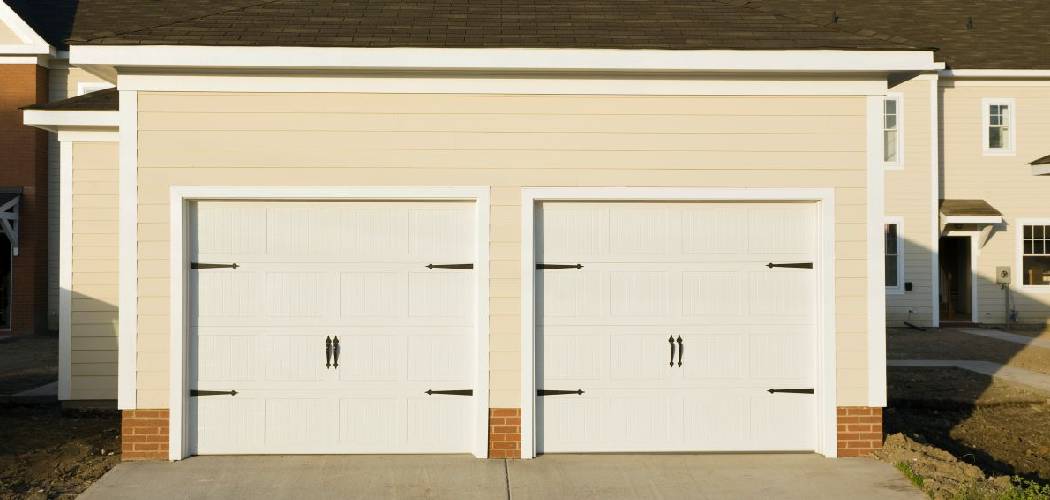
Getting ready to replace your old garage door or install a new one is an exciting home improvement project. It can boost your home’s curb appeal and even improve its value. But before you start browsing styles and colors, there’s a crucial first step: taking accurate measurements. Understanding how to measure a garage door properly ensures you order the correct size, which is essential for a smooth installation and proper function. Getting these garage door opening measurements right from the start will save you from potential headaches, delays, and costly mistakes down the line.
This guide will walk you through the entire process, making it simple and straightforward. We’ll cover every measurement you need, from the basic opening to the more technical details like headroom and backroom. With a tape measure and a few minutes of your time, you’ll have all the numbers you need to confidently choose the perfect door for your home.
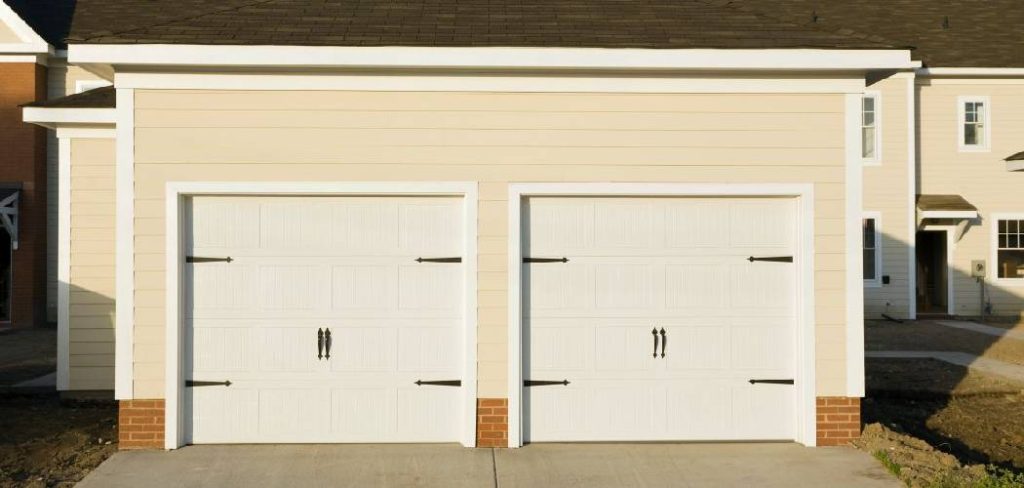
Step-by-Step Guide to Measuring Your Garage Door
Before you begin, gather your tools. All you really need is a reliable tape measure, a notepad, and a pen or pencil to jot down your findings. It can also be helpful to have a step ladder for measuring the height and headroom safely. Let’s get started.
Step 1: Measure Garage Door Width and Height
This is the most fundamental measurement. The width and height of the finished opening will determine the size of the door you need to order.
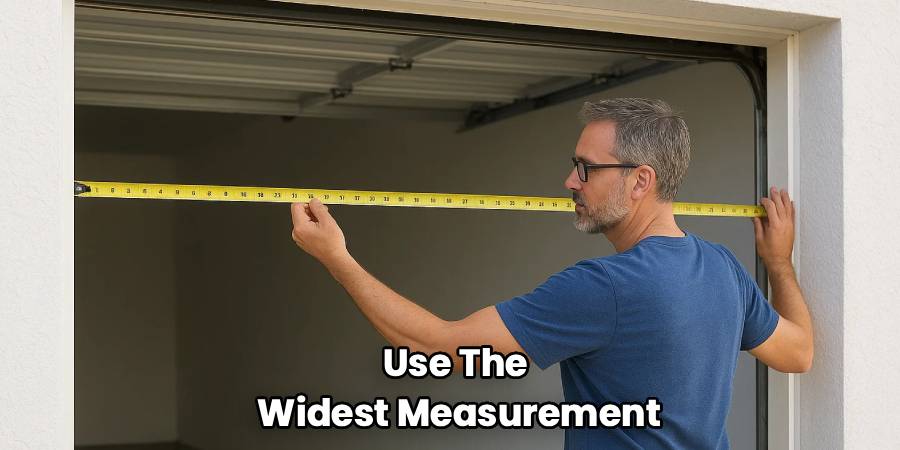
First, measure the width of the garage door opening from the left side of the door jamb to the right side. It’s a good idea to take this measurement at three points—bottom, middle, and top—and use the widest measurement. This accounts for any slight variations in the opening.
Next, measure the height of the opening from the floor to the top of the finished opening, also known as the header. Just like with the width, measure the height at three points—left, center, and right—and use the tallest measurement. These two core numbers, your width and height, represent the actual size of the garage door you’ll need. For example, if your opening is 16 feet wide and 7 feet tall, you will need a 16×7 garage door.
Step 2: Measure the Sideroom
The sideroom is the space on either side of the garage door opening. This area is critical because it’s where the vertical tracks for the garage door will be mounted. Without adequate sideroom, the tracks cannot be installed properly, which could prevent the door from operating.
To get your sideroom measurements for garage doors, measure the distance from the side of the garage door opening to the nearest obstruction on the left side. This could be a wall, a shelf, or a water pipe. Record this number. Then, do the same for the right side, measuring from the edge of the opening to the nearest obstruction.
For a standard torsion spring system, you generally need at least 3-3/4 inches of sideroom on each side. If you have a special track system or an extension spring system, the requirements might differ, sometimes needing up to 5-1/2 inches or more. Always check the specifications for the door you are considering.
Step 3: How to Measure A Garage Door’s Headroom
Headroom is the space between the top of the garage door opening and the ceiling or the lowest obstruction above the opening. This obstruction could be a beam, a pipe, or the bottom of the floor joists. This measurement is one of the most important for ensuring a successful installation, as it determines what kind of track and spring system can be used.
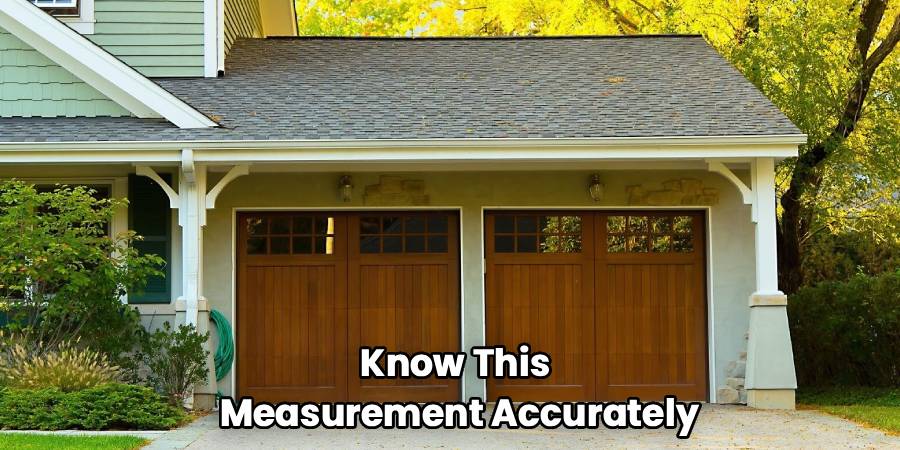
To measure garage door headroom, take your tape measure and run it from the top of the door opening straight up to the ceiling or the first obstruction you hit. For a standard installation with a garage door opener, you typically need about 15 inches of headroom. This allows space for the torsion spring system, the top section of the door as it curves back, and the opener rail. If you have less space, don’t worry. Low-headroom track kits are available, but they require different measurements, often as little as 4-1/2 inches. It’s vital to know this measurement accurately before you purchase a door.
Step 4: Measure the Backroom
The backroom measurement ensures you have enough clear space inside the garage for the door to fully open. It is the distance from the garage door opening (or the inside wall) straight back into the garage to the first obstruction in the ceiling area. This could be a support beam, a storage rack, or the back wall of the garage.
To measure garage door backroom, place your tape measure at the garage door opening and extend it toward the back of the garage. The minimum space required is the height of the garage door plus an additional 18 inches. For example, if you have a 7-foot-tall door, you will need at least 8 feet 6 inches (102 inches) of clear backroom.
If you plan to install a garage door opener, you will need even more space to accommodate the motor and its connecting rail. In this case, the general rule is the door height plus about 4 feet 2 inches (50 inches). Always confirm the specific backroom requirements for the opener model you intend to purchase.
Step 5: Check for Obstructions
The final step is to do a thorough visual inspection of the area where the garage door will be installed. Look for any potential obstructions that could interfere with the door’s operation. This includes pipes, ductwork, support beams, electrical outlets, or lighting fixtures in the sideroom, headroom, and backroom areas.
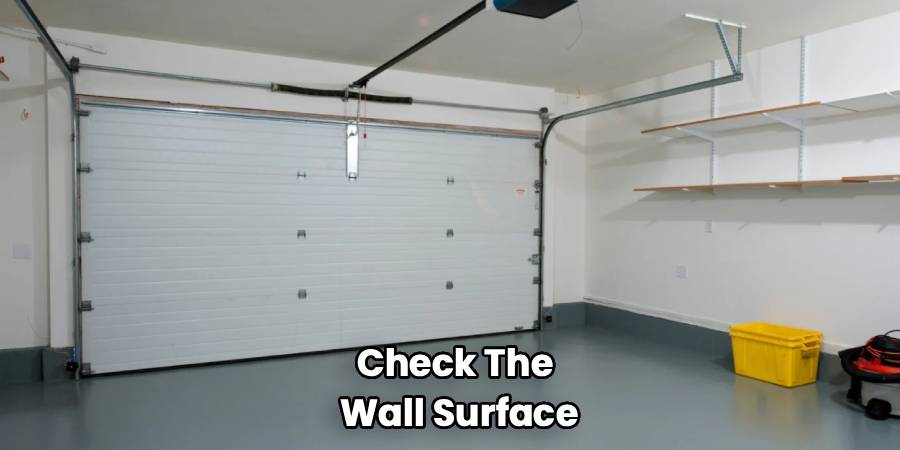
Pay close attention to the path where the horizontal tracks will run along the ceiling. Make sure this area is completely clear. Also, check the wall surface where the vertical tracks and spring system will be mounted. It needs to be flush and structurally sound. Identifying these issues early can save you from major installation problems. If you find an obstruction, you may need to relocate it or consult with a professional installer to find a solution.
Frequently Asked Questions
Here are answers to some common questions that come up when taking garage door installation measurements.
What are standard garage door sizes?
While garage doors can be custom-made to nearly any size, there are common standard sizes for residential homes. For single-car garages, the most frequent sizes are 8 feet wide by 7 feet tall, 9 feet wide by 7 feet tall, and 10 feet wide by 7 feet tall. For double-car garages, the standards are typically 16 feet wide by 7 feet tall, with 18-foot widths also being common. Door heights can also vary, with 8-foot-tall doors becoming more popular to accommodate larger vehicles like trucks and SUVs.
What if my measurements don’t match standard sizes?
If your garage door opening measurements don’t align with standard sizes, you will likely need to order a custom-sized door. Most garage door manufacturers offer custom sizing in increments as small as one inch. While a custom door may have a slightly higher cost and longer lead time, it is the only way to ensure a perfect fit for a non-standard opening. Attempting to fit a standard door into a non-standard opening can lead to poor sealing, operational problems, and safety hazards.
Does the thickness of the garage door matter for measurements?
The thickness of the garage door itself does not directly affect the initial measurements of the opening, sideroom, or headroom. However, the door’s weight, which is related to its thickness, material, and insulation, does impact the type of spring system required. A heavier door will need a more robust torsion or extension spring to counterbalance it properly. This is something your garage door supplier or installer will calculate based on the specific door you choose. Your job is to provide the accurate spatial measurements of the garage itself.
Can I measure for a new door by myself?
Absolutely. Measuring for a new garage door is a task that most homeowners can handle with basic tools and careful attention to detail. This garage door size guide provides all the necessary steps. The key is to be precise and to double-check your numbers. Write everything down clearly and label each measurement (e.g., “Width,” “Headroom”). If you feel uncertain at any point, or if your garage has an unusual configuration, it’s always a wise choice to get a second opinion from a professional garage door installer. Many companies offer free on-site measurements and consultations.
Conclusion
Following this guide on how to measure a garage door will give you the confidence that you’re starting your project on the right foot. With accurate measurements for width, height, sideroom, headroom, and backroom, you can provide a manufacturer or installer with the exact information they need. This preparation ensures that the door you purchase will fit perfectly and operate safely for years to come. Taking the time to measure correctly is a small investment that pays off by preventing installation delays and ensuring the final result looks and works exactly as it should.