It’s 3:00 AM. You are deep in a peaceful sleep, dreaming of something wonderful. Suddenly, a sharp, piercing chirp cuts through the silence. You freeze. You wait. A minute passes, and your eyes start to drift close again. Chirp.
There it is again. It’s the dreaded low battery signal. But as you stand in your hallway, groggy and frustrated, the sound seems to be coming from everywhere and nowhere at the same time. We have all been there. It is a unique kind of torture designed to keep you awake but confused.
The safety of your home depends on these devices, so ignoring them isn’t an option. Yet, figuring out how to tell which smoke detector has low battery can feel like a high-stakes detective game played in the dark. In this guide, we are going to walk you through exactly how to identify the culprit quickly so you can swap that battery, ensure your family is safe, and get back to sleep.
Step-by-Step Guide To Finding The Chirping Alarm
Finding the specific unit that is complaining can be trickier than you might think. High-pitched frequencies are notoriously hard for the human ear to localize. The sound waves bounce off walls and ceilings, creating an echo effect that makes the noise sound like it’s coming from the bedroom, the hallway, and the kitchen all at once.
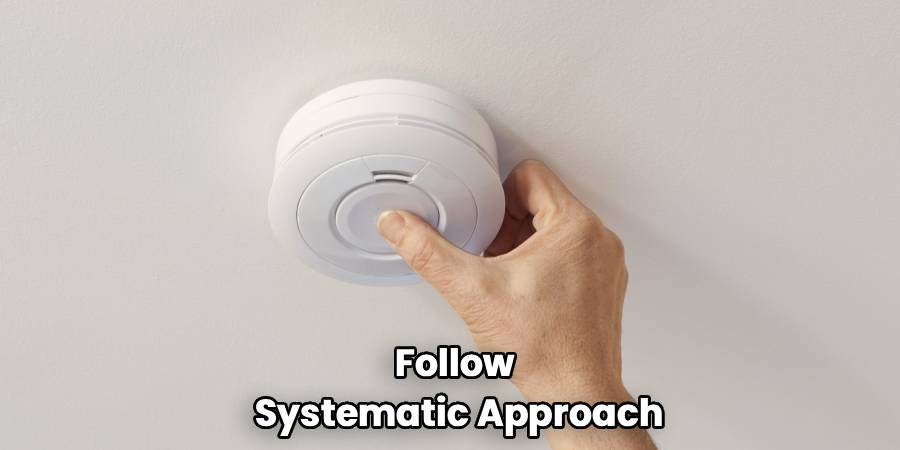
Don’t start ripping every device off the ceiling just yet. Follow this systematic approach to identify the specific unit that needs attention.
Step 1: Don’t Panic and Listen for the Pattern
Before you grab a ladder, just stand still. This requires a bit of patience, which is in short supply at 3 AM, but it saves time in the long run. Most smoke detectors chirp once every 30 to 60 seconds when the battery is low. This is different from the continuous, loud blaring of an actual fire alarm.
If you hear a continuous, loud pattern (usually three loud beeps, a pause, and three more beeps), that is an emergency—get out of the house. But if it is the isolated, intermittent chirp, you are dealing with a power issue or a fault. Stand in a central location and wait for the next sound. Try to determine if it is upstairs or downstairs first.
Step 2: Check for the Flashing Red Light
Most modern smoke detectors have a visual indicator to help you out. This is often a small LED light on the face of the unit. Under normal operation, this light might flash once every few minutes, or it might stay a steady green (for hardwired units).
However, when a unit is in “low battery” mode, that little LED usually changes its behavior. Look for a smoke detector chirping where the red light flashes in sync with the sound. Sometimes, the light will flash rapidly or flash a specific code (like two flashes, then a pause) right after the chirp. This visual cue is the fastest way to confirm you have the right one without climbing a ladder for every single unit.
Step 3: How To Tell Which Smoke Detector Has Low Battery Using Visual Cues
If the red light isn’t making it obvious, you will need to get closer. Understanding how to tell which smoke detector has low battery often involves inspecting the unit for other visual signs of age or wear.
Grab a step ladder and get up close to the device you suspect is the troublemaker. Look for a yellow or amber light. Some brands, especially hardwired smoke detectors, use a yellow LED to indicate a “trouble” condition, which includes a low battery. If you see a solid or flashing yellow light while the others are green or unlit, you have found your target.
Step 4: Use the “Test” Button
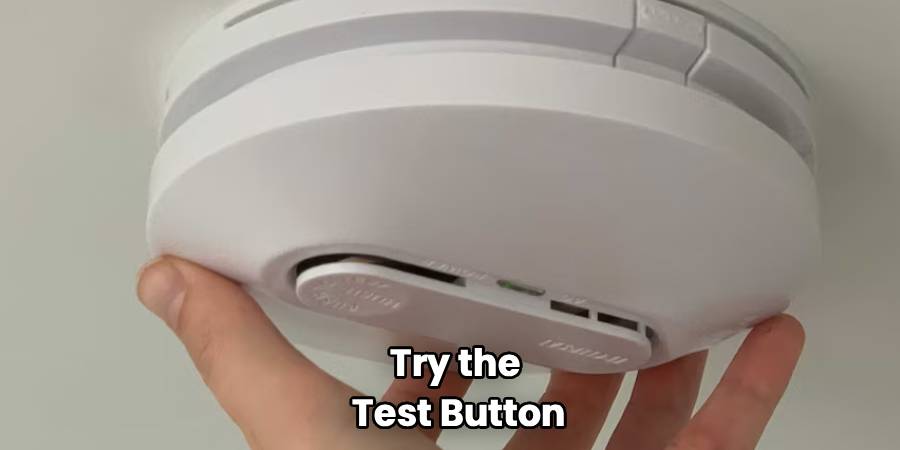
If visual inspections aren’t working and the sound is too sporadic to track, you can try the test button. Pressing and holding the test button on a functioning unit should produce a loud, strong alarm pattern immediately.
If you press the button and the alarm sounds weak, takes a long time to start, or emits a different sound than usual, that battery is likely on its last legs. While this method isn’t foolproof (sometimes a low battery still has enough juice to pass a quick test), it can help you weed out the units that are definitely full of power.
Step 5: Check the “Hush” or “Silence” Feature
If you think you have identified the unit but aren’t 100% sure, and you have a newer model, check to see if the “Hush” button was accidentally pressed previously. Sometimes, a unit coming out of “Hush” mode might chirp. Conversely, if you suspect a unit, you can press the Hush button (if the battery is low, this often silences the low-battery chirp for up to 12 hours on some models). If the chirping stops after you press the button on a specific unit, you have confirmed that unit was the source.
Step 6: Inspect Hardwired Units for Battery Backups
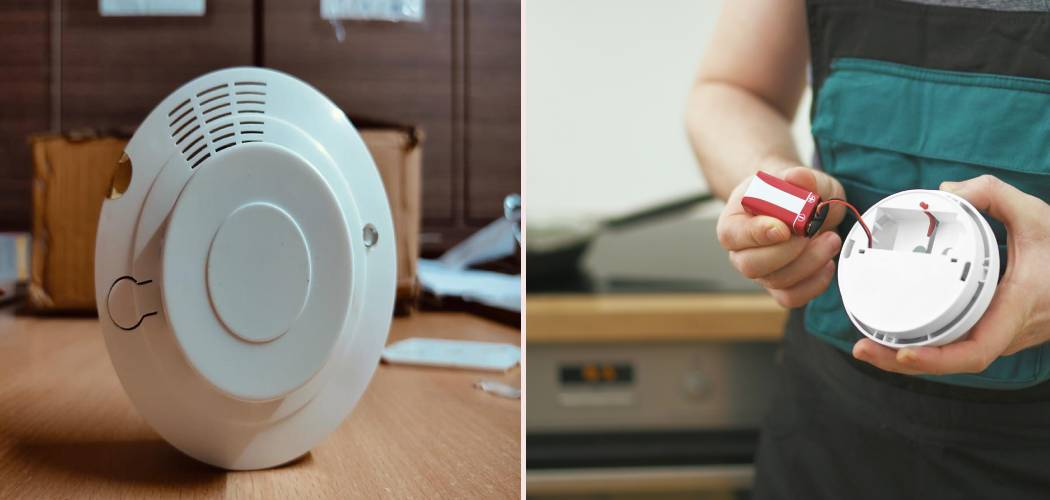
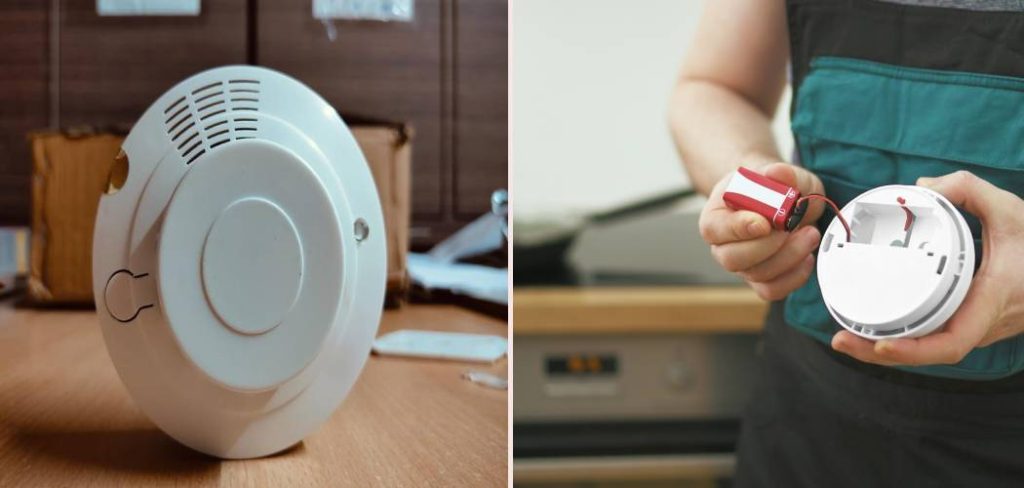
A common misconception is that hardwired smoke detectors don’t have batteries. They almost always do. These are backup batteries designed to keep the alarm working during a power outage. Even if your home’s power is fine, a hardwired unit will chirp relentlessly if that 9-volt or AA backup battery drains.
Locating the issue in a hardwired system can be confusing because sometimes the units are interconnected. When one goes off (alarm mode), they all go off. However, the low-battery chirp is usually localized to the single unit with the bad battery. If you have a hardwired system, don’t assume the problem is your breaker box—check the backup battery compartment on the ceiling unit.
Step 7: Rule Out Environmental Triggers
Sometimes, what you think is a low battery signal is actually an interference or sensor error. A smoke detector beeping every 30 seconds can sometimes be caused by:
- Drafts: Strong air movement from a vent or fan blowing dust into the sensor.
- Temperature: Extreme cold or humidity (like from a nearby bathroom shower).
- Bugs: Small insects crawling inside the sensing chamber.
If you change the battery and the chirping continues, take the unit down and check for these environmental factors. A quick blast of canned air can clear out dust or bugs that might be triggering a false trouble signal.
Frequently Asked Questions
Smoke alarms are simple devices, but they can be surprisingly confusing when they start acting up. Here are answers to the most common questions homeowners have when the beeping starts.
Why does my smoke detector only chirp at night?
This is the most common complaint, and there is a scientific reason for it. It isn’t just bad luck. Batteries operate via a chemical reaction. This reaction is less efficient at lower temperatures.
During the day, your home is warmer, and the battery voltage might be sitting just above the “low” threshold. At night, usually between 2:00 AM and 4:00 AM, the temperature in your home drops. This drop in temperature causes the battery’s voltage output to dip slightly—just enough to cross the threshold and trigger the low battery warning. When the sun comes up and the house warms, the chirping often stops, tricking you into thinking the problem is fixed.
How do I stop the chirping immediately?
To stop the noise so you can think (or sleep), you usually need to replace the battery. If you don’t have a spare battery on hand, you can disconnect the unit.
- For battery-only units: Twist the alarm off its mounting plate and remove the battery. The noise will stop.
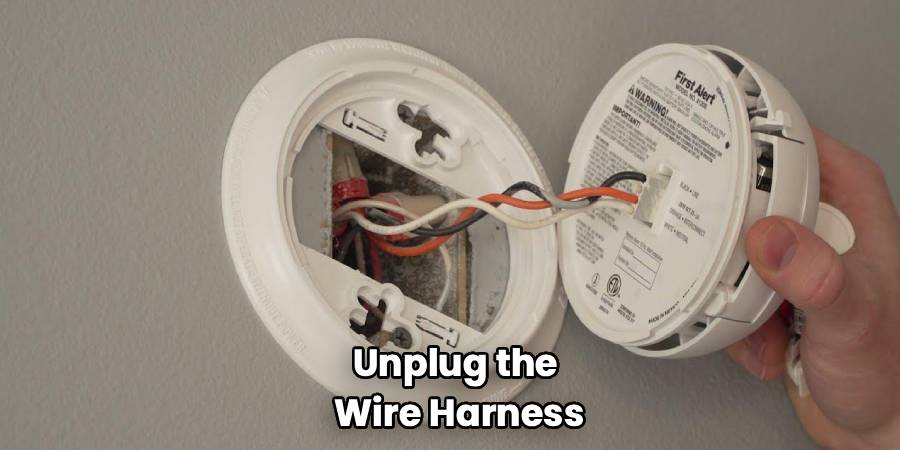
- For hardwired units: Twist the unit off the mount, unplug the wire harness (the little plug connecting it to the ceiling wires), and then remove the backup battery.
Warning: Never leave a smoke detector disconnected. If you take it down to sleep, set a reminder on your phone to buy a new battery first thing in the morning. A disconnected alarm cannot save your life.
What is the difference between a chirp and an alarm?
It is vital to know the difference instantly.
- Alarm: This is a continuous, loud, ear-piercing pattern (usually Beep-Beep-Beep… Pause… Beep-Beep-Beep). This means smoke or fire has been detected. Evacuate immediately.
- Chirp: This is a short, sharp, high-pitched “beep” that happens once every 30 to 60 seconds. This is a trouble signal indicating a low battery, a malfunction, or the end of the unit’s life.
How often should I change the batteries?
The general rule of thumb used to be “change your batteries when you change your clocks” (twice a year). However, with modern long-life alkaline and lithium batteries, once a year is usually sufficient for standard 9-volt or AA models.
If you have a smoke detector with a sealed 10-year lithium battery, you do not change the battery at all. If a sealed unit starts chirping indicating a low battery, it usually means the entire unit has reached the end of its life and needs to be replaced.
Why is it beeping even after I changed the battery?
This is incredibly frustrating. If you put in a fresh battery and it is still chirping, try these fixes:
- Reset the unit: Remove the battery (and disconnect wiring if hardwired). Hold the test button down for 15–20 seconds to drain any residual charge in the capacitor. Reinstall the new battery.
- Check the date: Batteries have expiration dates. Ensure your “new” battery isn’t actually stale from sitting in a drawer for five years.
- Check the terminal connections: Make sure the battery is snapped in tightly and the metal contacts aren’t corroded.
- Check the unit’s age: Flip the detector over and look for the manufacture date. Smoke detectors only last 10 years. If your unit is older than that, the chirping is likely an “end of life” warning, not a battery warning.
Can I use rechargeable batteries in my smoke alarm?
Generally, no. Most manufacturers recommend against using rechargeable batteries in smoke detectors. Rechargeable batteries (like NiMH) lose their charge much faster than standard alkaline or lithium batteries. They also have a voltage curve that drops off very quickly, meaning you might get very little warning time between the “low battery” chirp and the unit dying completely. Stick to high-quality alkaline or lithium batteries recommended by the manufacturer.
What does it mean if the alarm chirps three times every minute?
Patterns matter. A single chirp is usually a battery issue. If you hear a pattern of three chirps followed by a pause, this is often a malfunction code or an indication that the unit has failed a self-diagnostic test. Consult the user manual for your specific brand (First Alert, Kiddie, etc.) to decode the specific chirp patterns.
How do I maintain my smoke detector to prevent false alarms?
Maintenance is simple but easy to forget.
- Vacuum it: Once a year, use the soft brush attachment on your vacuum cleaner to gently clear dust from the vents of the alarm.
- Test it: Push the test button monthly to ensure the siren works and the battery is strong.
- Replace on time: Replace the entire unit every 10 years.
Conclusion
Now that you know how to tell which smoke detector has low battery, you can handle that late-night wake-up call with confidence rather than confusion. Dealing with home maintenance isn’t always fun, but maintaining your fire safety system is one of the most important things you can do for your household.
Remember, that annoying chirp is actually a lifesaver in disguise. It is your home’s way of telling you that your protection is weakening. By listening for the pattern, checking the LED lights, and knowing the difference between a hardwired and battery-operated unit, you can silence the noise and restore your peace of mind. So, grab that step ladder, swap out that battery, and get back to enjoying your sleep, knowing you are safe and sound.