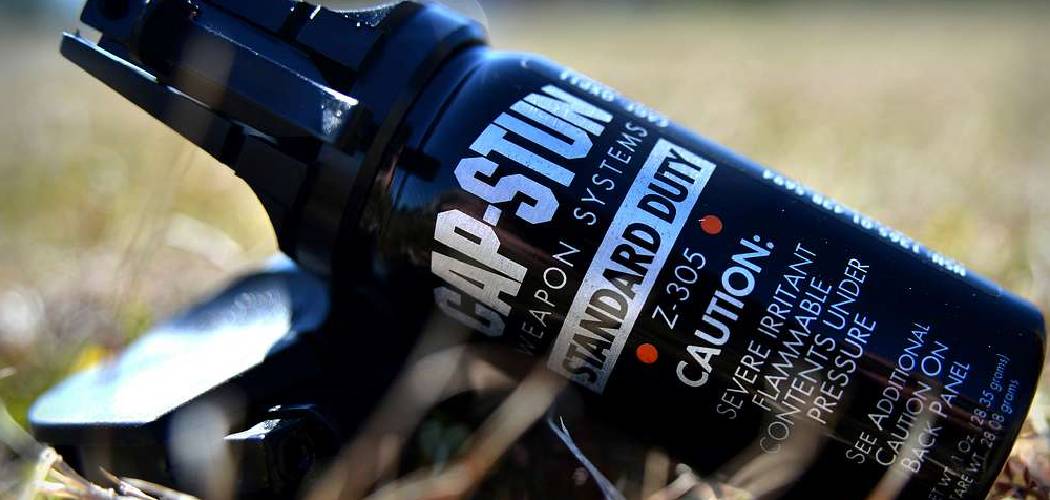
Pepper spray is a powerful tool for self-defense, giving many people peace of mind when walking alone at night or navigating unfamiliar areas. However, like any pressurized product containing chemical agents, these canisters eventually expire or become damaged. When that happens, knowing how to dispose of pepper spray properly is crucial for your safety and the environment’s well-being.
You cannot simply toss a full or partially full canister into your kitchen trash can, as the pressurized contents pose a risk to sanitation workers and waste management facilities. This guide is designed to take the guesswork out of the disposal process. We will walk you through everything you need to know, ensuring you can retire your old safety device without causing harm to yourself or others. By following these clear instructions, you can handle this task with confidence.
Proper Disposal of Pepper Spray Matters
Getting rid of self-defense canisters requires more attention than throwing away a milk jug or a cereal box. These devices are pressurized vessels containing oleoresin capsicum, a potent irritant derived from chili peppers. If a canister is crushed in a garbage truck compactor, it can explode, releasing the chemical agent. This not only endangers the sanitation workers who might inhale the irritant but can also contaminate local soil and water sources if the contents leak in a landfill.
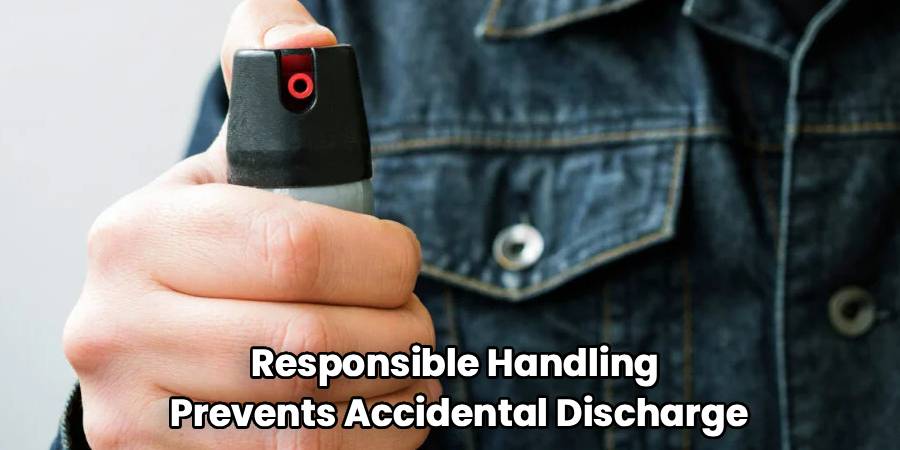
Furthermore, responsible handling prevents accidental discharge in your own home. Old canisters often have weakened seals or rusty nozzles, making them unpredictable. Leaving them in a drawer or tossing them in a general recycling bin increases the risk of accidental exposure to children, pets, or unsuspecting family members. Taking the time to manage this waste correctly demonstrates a commitment to community safety and environmental stewardship. It ensures that a tool meant for protection doesn’t become a hazard itself.
7 Step-by-Step Guide on How to Dispose of Pepper Spray
Step 1: Check the Canister for Expiration Dates
Before you begin the disposal process, you must verify the status of your self-defense spray. Locate the expiration date stamped on the bottom or side of the canister. Most manufacturers recommend replacing these units every two to four years because the propellant can lose pressure over time. Even if the canister feels full, an expired unit might not spray effectively when you need it most. Inspecting the date confirms that retirement is necessary. If the date has passed or the printing is illegible due to wear, it is safer to assume the unit is no longer reliable. This initial check prevents you from discarding a perfectly good tool while ensuring you don’t rely on a faulty one for protection.
Step 2: Determine if the Canister is Empty or Full
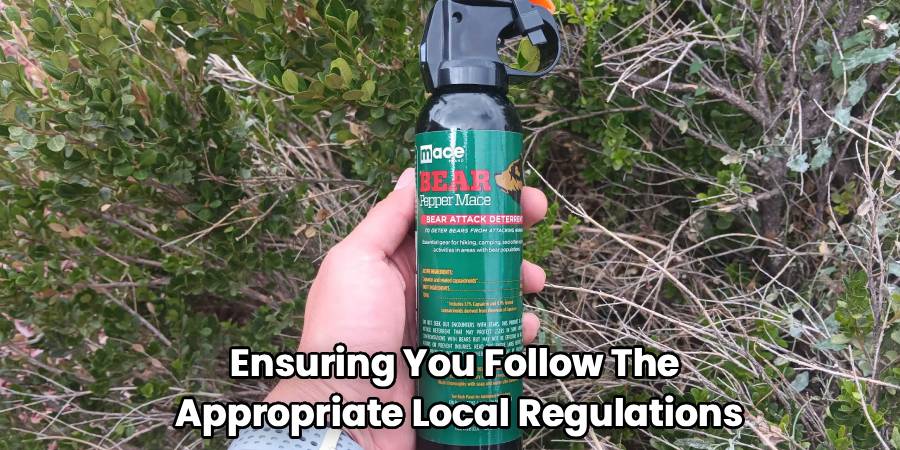
The method you choose for getting rid of your canister largely depends on whether it still contains pressurized liquid. Shake the container gently near your ear. If you hear liquid sloshing around or feel significant weight, the unit is likely full or partially full. An empty canister feels very light and makes no sound when shaken. This distinction is vital because a completely empty canister is essentially just a piece of metal and plastic, whereas a full one is considered hazardous household waste. Understanding the content level helps you categorize the waste correctly, ensuring you follow the appropriate local regulations for hazardous materials versus standard recycling protocols.
Step 3: Contact Your Local Hazardous Waste Facility
If you have determined that your canister still contains the chemical irritant, you cannot treat it like regular trash. Your next move should be to search for a local hazardous waste disposal facility or a community collection event. Most municipalities have specific days for collecting items like paint, batteries, and pressurized aerosols. Call them or check their website to see if they accept self-defense sprays. Learning how to dispose of pepper spray often involves this critical step of professional coordination. These facilities have the equipment to depressurize and process the chemicals safely, neutralizing the risk of explosion or contamination that would occur in a standard landfill environment.
Step 4: Depressurize the Canister Safely Outdoors
If you cannot find a hazardous waste facility and local laws permit you to empty the canister yourself, you must do so with extreme caution. Choose a location outdoors, well away from people, pets, and open windows. A windy day is not suitable for this task, as the wind could blow the irritant back into your face. Stand upwind and aim the nozzle at the ground or into a deep bucket lined with absorbent material. Press the nozzle until the hissing sound stops completely and no more liquid emerges. This manual depressurization renders the canister safe for standard recycling streams, but it requires patience and a steady hand to avoid accidental self-exposure.
Step 5: Protect Yourself with Safety Gear
Even when you are extremely careful, accidents can happen during the emptying process. Therefore, wearing appropriate personal protective equipment is non-negotiable. Put on safety goggles to shield your eyes from potential splashback or drifting mist. Wear rubber gloves to protect your skin from direct contact with the oily resin. A face mask or respirator is also highly recommended to prevent inhaling any airborne particles. The goal is to create a barrier between you and the strong irritant. Treat the canister with the same respect you would a loaded weapon. Taking these precautions ensures that a simple cleanup task doesn’t turn into a painful medical emergency involving burning eyes or irritated skin.
Step 6: Seal the Canister in a Plastic Bag
Once you have verified the canister is empty, or if you are transporting a full canister to a disposal site, you need to secure it properly. Place the unit inside a sturdy, sealable plastic bag, such as a Ziploc bag. For added security, you might want to double-bag it. This containment strategy prevents any residual leakage from contaminating your car, your trash bin, or your hands. If the nozzle is damaged or leaking, wrapping the canister in paper towels before bagging it adds an extra layer of absorption. This simple action contains the mess and odor, making the handling process much safer and cleaner for everyone involved in the waste management chain.
Step 7: Label the Bag Clearly
After securing the canister in plastic, take a permanent marker and clearly write on the outside of the bag. You should indicate that the package contains “Pepper Spray” or “Irritant.” If you are handing this over to a waste management professional, this label provides them with immediate information about the potential hazard they are handling. Even if you are placing an empty, depressurized canister into a recycling bin, a label helps sorting workers identify the item quickly. Clarity reduces the chance of mishandling. It acts as a final warning sign that ensures the person processing your waste knows exactly what they are dealing with, promoting safety down the line.
Recycle the Empty Canister Components
With the canister completely empty and depressurized, you can now focus on the final step of the process. Most self-defense spray canisters are made of aluminum or steel, materials that are highly recyclable. Remove any plastic caps or holsters if they detach easily, as these might need to be sorted into a different plastic recycling stream. Place the metal body into your curbside recycling bin or take it to a scrap metal drop-off point. By recycling the metal, you are completing the lifecycle of the product responsibly. You have successfully navigated how to dispose of pepper spray by turning a potential hazard into a reusable resource, contributing to a cleaner environment.
Frequently Asked Questions
Can I Throw Pepper Spray in the Trash?
Generally, you should never throw a full or partially full pepper spray canister into your regular household trash.
- Explosion Risk: Trash compactors in garbage trucks apply immense pressure that can cause the canister to burst.
- Worker Safety: If a canister explodes, it releases the chemical irritant, which can severely injure sanitation workers.
- Environmental Harm: Leaking chemicals can contaminate groundwater in landfills.
If the canister is completely empty and depressurized, some municipalities allow it in the trash, but recycling is the superior option. Always check local regulations first.

Does Pepper Spray Expire?
Yes, pepper spray definitely expires. Most manufacturers stamp an expiration date on the canister, typically ranging from two to four years from the date of manufacture.
- Loss of Pressure: Over time, the aerosol propellant inside can leak or lose pressure, meaning the spray might not fire when you trigger it.
- Chemical Degradation: While the pepper extract itself remains potent, the formulation can separate or thicken, clogging the nozzle.
Using an expired canister is risky for self-defense. It is best to replace them regularly to ensure reliability.
How Do I Clean Up Pepper Spray Residue?
If you accidentally spill pepper spray during disposal or discharge, you need to clean it up carefully to avoid irritation.
- Ventilation: Open all windows and doors immediately to air out the space.
- Degreasing Soap: The active ingredient is an oil, so use a strong dish soap (like Dawn) to break it down.
- Cold Water: Wash skin or surfaces with cold water; hot water opens pores and can make the burning sensation worse.
- Protective Gear: Wear gloves and eye protection while scrubbing surfaces to prevent contact.
Can I Pour Pepper Spray Down the Drain?
No, you should strictly avoid pouring the liquid contents of a pepper spray canister down a sink, toilet, or storm drain.
- Water Contamination: The chemicals can be harmful to aquatic life if they reach local waterways through storm drains.
- Plumbing Issues: The strong oils can linger in your pipes, releasing fumes back into your home later.
- Treatment Facilities: High concentrations of chemical irritants can disrupt the biological processes used at water treatment plants.
The safest way to empty a canister is by spraying it onto an absorbent material outdoors or taking it to a hazardous waste facility.
Is It Legal to Bury Pepper Spray?
Burying pepper spray is not a recommended or responsible disposal method.
- Soil Contamination: The metal canister will eventually rust and degrade, leaking the chemical contents into the surrounding soil.
- Groundwater Risk: Once in the soil, the chemicals can seep into the groundwater table, potentially affecting local well water or plant life.
- Animal Safety: Burrowing animals could puncture the canister, leading to injury or death for the wildlife.
Always opt for professional hazardous waste disposal or recycling of empty units rather than burying them.
Conclusion
Taking the time to responsibly retire your old self-defense tools is a small but significant act of safety. We hope this guide has clarified exactly how to dispose of pepper spray so you can manage your expired canisters without stress or confusion. Remember, simply checking the expiration date, wearing protective gear, and utilizing local hazardous waste facilities can prevent accidents and protect the hardworking people in waste management. By following these steps, you ensure that your commitment to safety extends beyond just personal protection to include the well-being of your community and the environment. Stay safe, check your gear regularly, and always dispose of hazardous items with care.