Learning what to do when your car key is lost, stolen, or broken can be a lifesaver. While it might sound like something out of a movie, understanding the mechanics of your vehicle’s ignition system can empower you in an emergency. This guide is designed to provide a theoretical overview and detailed steps on how to start a car with a screwdriver.
It’s important to note that this information is for educational purposes and should only be applied to a vehicle you legally own in a genuine emergency. Proceeding with caution and a clear understanding of the process is essential to avoid damaging your vehicle or causing personal injury.
Why This Skill Matters in Emergencies
Knowing how to bypass a standard ignition system is more than just a party trick; it’s a practical skill for specific, urgent situations. Imagine being stranded in a remote area after losing your keys, or if your ignition key suddenly breaks off inside the lock cylinder. In these scenarios, waiting for a locksmith or a tow truck might not be feasible due to time constraints, lack of cell service, or safety concerns. Having this knowledge provides a last-resort option to get your vehicle running and move to a safer location. It’s about self-reliance and being prepared for unexpected events that can leave you vulnerable.
7 Step-by-Step Guide on How to Start a Car with a Screwdriver
Step 1: Gather Your Tools and Ensure Safety
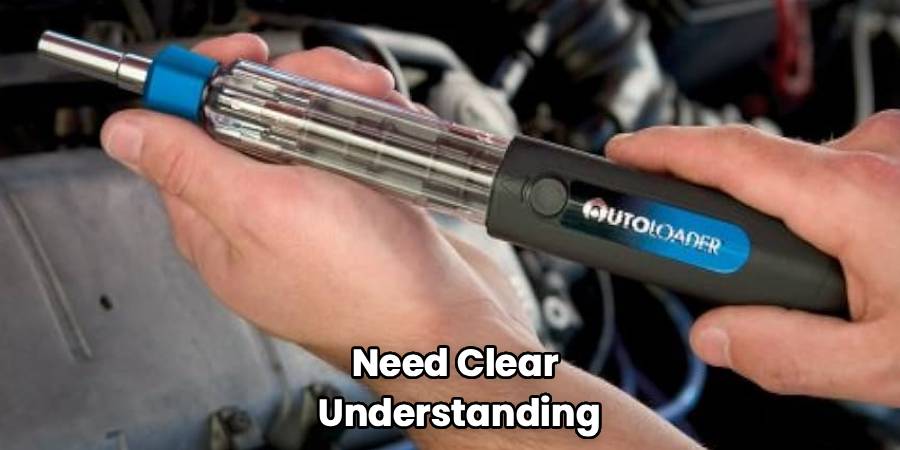
Before you begin, your safety is the top priority. Make sure your vehicle is in park or neutral with the emergency brake fully engaged. This prevents any accidental movement once the engine starts. You will need a few basic tools: a flat-head screwdriver and a Phillips-head screwdriver are essential. Having a pair of insulated pliers is also highly recommended to handle wires safely and prevent electrical shocks. Work in a well-lit area, and if possible, wear protective gloves and eyewear. Taking a few moments to prepare your workspace properly can prevent accidents and make the entire process smoother.
Step 2: Remove the Steering Column Cover
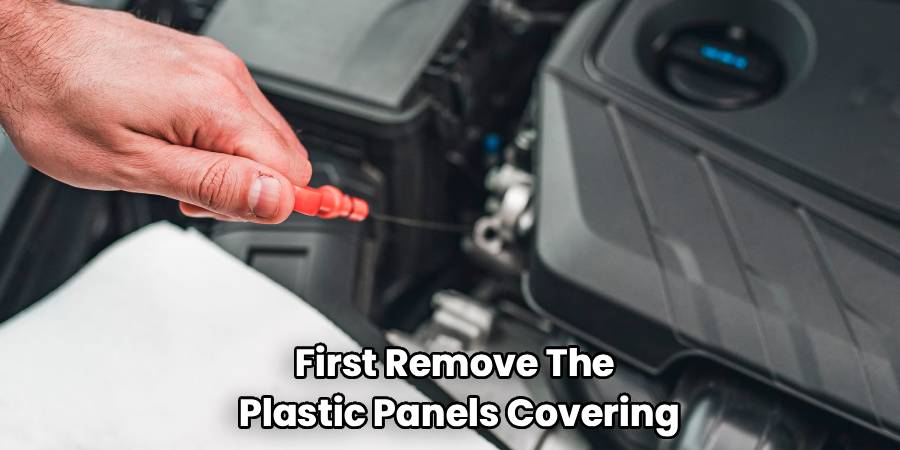
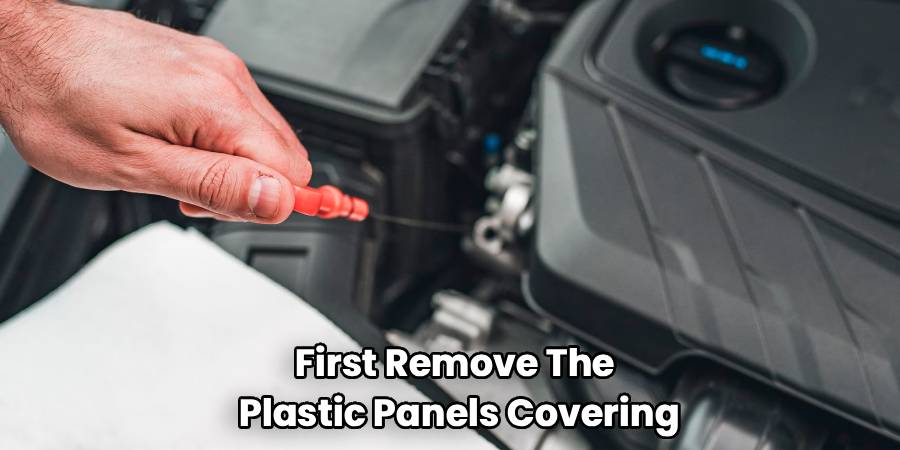
To access the ignition system, you must first remove the plastic panels covering the steering column. These are typically held in place by several Phillips-head screws, often located on the underside of the column. Carefully locate and unscrew them. The cover is usually composed of two pieces, an upper and a lower half, that clip together. Once the screws are out, you may need to gently pry the two halves apart. Be patient and apply steady pressure to avoid cracking the plastic. This step exposes the ignition switch and the associated wiring harness you will need to access.
Step 3: Identify the Ignition Switch and Wiring
With the steering column cover removed, you will see the ignition switch assembly. This is the electronic component connected to the back of the key cylinder. It’s a bundle of wires leading from a single connector. Your goal is to identify the main power wire, the ignition wire, and the starter wire. These are often color-coded, but the colors can vary significantly between car manufacturers and models. Typically, the main power wire is a thick red cable. The ignition and accessory wires are usually brown or pink, while the starter wire might be yellow or purple.
Step 4: Expose the Ignition Lock Cylinder
Now, you need to deal with the lock cylinder itself. This is the part where you would normally insert your key. Using your flat-head screwdriver, you will need to break the internal pins of the lock. Insert the screwdriver into the key slot as far as it will go. With some force, wiggle and turn the screwdriver back and forth. The objective is to break the small metal pins inside that hold the cylinder in place. You may hear snapping or clicking sounds, which indicates you are successfully breaking the pins. This step requires a bit of force but be careful.
Step 5: How to Start a Car with a Screwdriver by Turning the Cylinder
Once the pins inside the lock cylinder are broken, the cylinder should be free to turn. Insert the flat-head screwdriver back into the key slot. You should now be able to turn it just like you would with a key. Turn the screwdriver clockwise to the “On” position. You will know you’ve reached it when the dashboard lights and radio turn on. This completes the circuit for the car’s main electrical systems, but it does not start the engine yet. This is a crucial part of the process of how to start a car with a screwdriver.
Step 6: Engage the Starter Solenoid
This is the final step to start the engine. With the screwdriver still in the “On” position, you need to momentarily send power to the starter. To do this, turn the screwdriver further clockwise to the “Start” position, mimicking the final turn of a key. You should feel some spring resistance. Hold it there for a moment until the engine turns over and starts. As soon as the engine is running, release the pressure on the screwdriver, allowing it to spring back to the “On” position. The car is now running.
Step 7: An Alternative Method: Hot-Wiring
If you cannot break the lock cylinder or prefer not to, there is an alternative method known as hot-wiring. This involves bypassing the ignition switch entirely. First, locate the main power wire (usually red) and the ignition wire (often brown or pink). Carefully strip a small section of insulation from both wires. Twist the exposed copper ends of these two wires together securely. This will power up the car’s dashboard and electrical systems, just like turning the key to the “On” position. Be extremely careful to avoid touching the exposed wires to any metal parts of the car frame.
Finalizing the Hot-Wire Start
After connecting the power and ignition wires, you need to engage the starter. Locate the starter wire (often yellow or purple) and strip a small piece of its insulation. Now, touch the exposed end of this starter wire to the already-connected power and ignition wires. You only need to make contact for a moment—just long enough for the engine to crank and start. Once the engine is running, you can remove the starter wire. The car will remain on as long as the power and ignition wires are connected. This completes the second method for how to start a car with a screwdriver.
Frequently Asked Questions
Does This Method Work on All Cars?
No, this method is generally only effective on older vehicles, typically those manufactured before the mid-1990s. Modern cars are equipped with advanced anti-theft systems, such as transponder keys and engine immobilizers. These systems require a specific electronic code from the key to allow the engine to start. Attempting to bypass the ignition on a newer car this way will likely trigger the alarm and will not start the engine.
Is It Legal to Start a Car This Way?
It is only legal to use this method on a vehicle that you own, and only in a genuine emergency. Using this technique to start a car that does not belong to you is illegal and constitutes auto theft, which carries severe legal consequences. This guide is intended for educational purposes and for vehicle owners who find themselves in a legitimate bind, such as being stranded with a lost or broken key.
Can This Process Damage My Car?
Yes, there is a significant risk of damaging your vehicle. Forcibly breaking the ignition lock cylinder will require you to replace the entire ignition assembly. When working with the wiring, there is a risk of creating an electrical short, which could blow fuses, damage the car’s computer (ECU), or even cause a fire. It is crucial to proceed with extreme caution and understand that you are taking a risk that could lead to costly repairs.
What Tools Are Absolutely Necessary?
At a minimum, you will need a flat-head screwdriver and a Phillips-head screwdriver. The Phillips-head is for removing the steering column cover, and the flat-head is for breaking and turning the ignition cylinder. If you plan to use the hot-wiring method, you will also need a tool to strip wires, such as a wire stripper or a sharp knife. Insulated pliers are also highly recommended for handling live wires safely.
What Should I Do After Starting the Car?
Once the car is running, your immediate goal should be to get to a safe location or directly to a mechanic or dealership. Remember that to turn the car off, you will either need to turn the screwdriver back to the “Off” position or, if you hot-wired it, disconnect the power and ignition wires. This method is a temporary solution. You will need to have your ignition system professionally repaired and a new key made.
Conclusion
Understanding the principles behind your car’s ignition can be incredibly valuable in an emergency. The steps outlined provide a clear, theoretical framework for bypassing a conventional ignition system when you have no other choice. While it requires care and the right tools, it is a skill that can turn a desperate situation into a manageable one. This knowledge should be used responsibly and only on your own property. By familiarizing yourself with these techniques, you are better prepared for the unexpected. We hope this guide on how to start a car with a screwdriver has been informative and empowering.