
Finding yourself locked out of your own trunk can be a frustrating experience. Whether you’ve misplaced your keys or are dealing with a faulty lock mechanism, being unable to access your belongings is a major inconvenience. Fortunately, with the right tools and a bit of patience, learning how to pick a trunk lock is an accessible skill.

This guide is designed for beginners, providing a clear, step-by-step process to help you regain access without causing damage. We will walk you through everything from gathering the necessary tools to understanding the inner workings of the lock, empowering you to handle this common problem with confidence.
Why Understanding Lock Picking Is a Useful Skill
Knowing how to handle a locked trunk is more than just a party trick; it’s a practical life skill that can save you time, money, and stress. Instead of waiting for an expensive locksmith or attempting a forceful entry that could damage your vehicle, understanding basic lock picking provides a non-destructive solution. This knowledge is particularly valuable for owners of older cars, classic vehicles, or even antique chests and storage trunks where keys are easily lost. Learning this skill empowers you to be more self-reliant, giving you the ability to solve a common problem with finesse and understanding. It transforms a moment of panic into a manageable challenge.
7 Step-by-Step Guide on How to Pick a Trunk Lock
Step 1: Gather Your Essential Tools
Before you begin, you will need to acquire a basic lock pick set. These sets typically include a tension wrench and several different types of picks. For a standard vehicle trunk lock, a simple hook pick and a tension wrench are often sufficient.
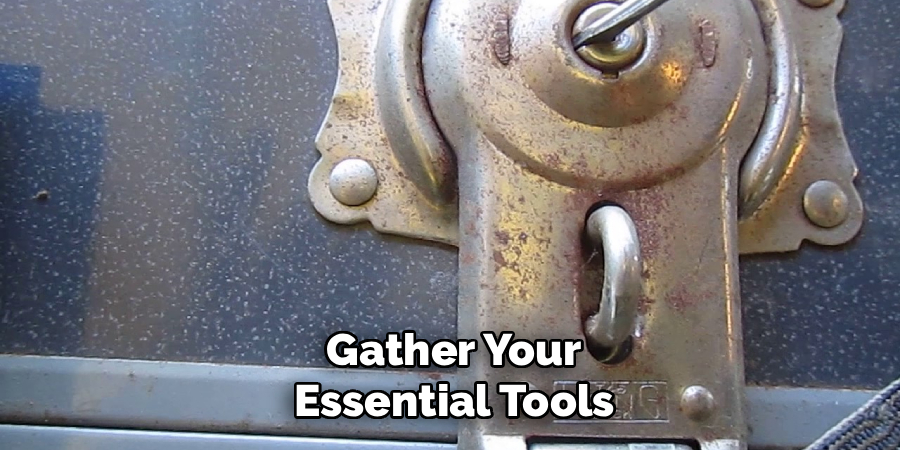
The tension wrench is a crucial L-shaped tool used to apply slight rotational pressure to the lock’s cylinder, mimicking the action of a key. The pick is the tool you will use to manipulate the internal pins. You can find beginner-friendly lock pick sets online. Ensure you also have a small flashlight, as it will help you see inside the keyway and observe the pins more clearly.
Step 2: Understand the Basic Lock Mechanism
Most car trunk locks are pin-tumbler locks. Inside the lock cylinder, there is a series of small pins, each divided into two parts: a key pin and a driver pin. A tiny spring sits on top of each driver pin, pushing it down. When no key is inserted, these pins block the cylinder from turning. The purpose of a key is to lift all the pin pairs to the correct height, creating a straight line called the “shear line.” When all the pins are aligned at the shear line, the cylinder is free to rotate, and the lock opens. Your goal is to use your pick to lift each pin to this shear line manually.
Step 3: Insert the Tension Wrench Correctly
Take your tension wrench and insert the short end into the bottom of the keyway. The goal is to apply a light but constant rotational pressure in the direction you would normally turn the key to open the trunk. This pressure is the most critical part of the process. If you apply too much pressure, the pins will bind too tightly, making them impossible to move with your pick. If you apply too little, the pins will simply fall back into place after you lift them. Finding the right amount of tension requires practice, so start gently and adjust as you go.
Step 4: Begin Probing with Your Pick
With the tension wrench in place, insert your chosen lock pick into the top of the keyway, above the wrench. Slide it all the way to the back of the lock. Your objective is to feel for the individual pins with the tip of your pick. Move the pick slowly back and forth, gently “raking” or “scrubbing” the pins. You should be able to feel them as small, springy bumps. Focus on the sensory feedback you get through the pick. This step is about developing a feel for the lock’s internal landscape before you start trying to set the pins individually.
Step 5: How to Pick a Trunk Lock by Setting the Pins
Now, you will begin setting the pins one by one. While maintaining light tension, use your hook pick to locate the first pin from the back of the lock. Gently press upward on it. You are looking for a pin that feels more resistant than the others; this is the “binding pin.” As you lift this pin, continue applying tension. You will feel a very slight click, and the cylinder may rotate a tiny amount. This is the pin setting at the shear line. Once the first pin is set, it will stay in place as long as you maintain tension.
Step 6: Locate and Set the Remaining Pins
After setting the first pin, you must find the next binding pin. Move your pick through the lock again, feeling for the next pin that offers resistance. It may not be the one directly next to the one you just set. Lift it gently until you feel another click and see another slight turn in the cylinder. Repeat this process for all the pins inside the lock. If you accidentally push a pin too far, you may need to release the tension slightly to let it drop back down and then try again. Patience is key here.
Step 7: Final Turn and Opening the Lock
Once you have successfully set the final pin, you will notice a more significant rotation in the cylinder as you maintain pressure with the tension wrench. At this point, the lock is picked. Continue to apply rotational pressure with the tension wrench, turning it fully as you would with a key.

This action will retract the latch mechanism, and the trunk will pop open. Congratulations, you have successfully learned the fundamentals of how to pick a trunk lock. Take a moment to appreciate the feel of the lock turning, as it will help you build muscle memory for the future.
Practice and Refine Your Technique
Now that you understand the fundamentals of picking a trunk lock, it’s crucial to practice and refine your technique. Start by working with practice locks or older, non-essential locks to build your confidence and hone your skills. Focus on developing a steady hand and gaining a more intuitive feel for the pins and tension required. Over time, you’ll become more efficient and adept at recognizing subtle feedback from the lock. Consistent practice is key to mastering the art of lock picking while adhering to legal and ethical guidelines.
Frequently Asked Questions
Is It Legal to Own Lock Picking Tools?
In most places, it is legal to own lock picking tools. However, laws vary by state and country. Generally, possession becomes a legal issue if the tools are paired with intent to commit a crime. For personal use on your own property, like your car, it is typically permissible. Always check your local regulations to be certain.
Can Picking a Lock Damage It?
When done correctly with the proper tools and a light touch, lock picking is a non-destructive method of entry. However, using excessive force, improper tools, or aggressive techniques can damage the internal pins or the lock cylinder. Beginners should always practice patience and use gentle pressure to avoid causing any harm to the lock.
What Is the Hardest Type of Lock to Pick?
High-security locks, such as those with security pins (spool, serrated, or mushroom pins), complex keyways, or magnetic components, are significantly harder to pick than standard pin-tumbler locks. These features are specifically designed to make manipulation difficult, often requiring specialized tools and advanced techniques to bypass.
How Long Does It Take to Learn to Pick a Lock?
The learning curve varies for everyone. Some people can pick their first simple lock within an hour of practice, while others may take several days. Mastering the skill and moving on to more complex locks can take weeks or months of consistent practice. The key is developing a feel for the tension and the pin movements.
What Should I Do if I Can’t Pick the Lock?
If you have tried for a significant amount of time and are unable to open the lock, it is best to stop to avoid frustration or potential damage. At that point, your best option is to call a professional automotive locksmith. They have the experience and specialized tools to open your trunk quickly and without causing any damage to your vehicle.
Conclusion
Successfully opening a locked trunk using this skill is a rewarding experience that builds confidence and self-sufficiency. By following the steps outlined—from gathering your tools and understanding the mechanism to carefully setting each pin—you have learned the core principles of lock picking. This guide has provided you with a foundational understanding, but remember that practice is what truly builds expertise. Don’t be discouraged if you don’t succeed on your first attempt. With patience and persistence, mastering how to pick a trunk lock is an achievable and valuable skill for any vehicle owner.

About
Robert D is a distinguished figure in the world of Safety Systems and Risk Management, with a decade of expertise creating innovative and sustainable workplace solutions. His professional focus lies in merging traditional safety protocols with modern digital monitoring techniques, fostering environments that are both practical and hazard-conscious. As the lead author of SafetyRift, Robert delves into the art and science of risk mitigation, inspiring safety officers and industry professionals alike to bridge the gap between compliance and culture.
Education
RMIT University (Melbourne, Australia)
Associate Degree in Design (Industrial Safety)
-
Focus on sustainable safety infrastructure, industry-driven risk assessments, and practical implementation.
-
Gained hands-on experience with traditional hazard identification and digital monitoring tools, such as IoT safety sensors and predictive analytics software.
Nottingham Trent University (United Kingdom)
Bachelor’s in Occupational Health and Safety (Honors)
-
Specialized in systemic design with a focus on blending human behavior psychology with modern safety production techniques.
-
Participated in industry-wide projects, working with global logistics and manufacturing firms to gain real-world insights into large-scale safety deployments.
Publications and Impact
In SafetyRift, Robert shares his insights on safety design processes, protective materials, and strategies for efficient, accident-free production. His writing bridges the gap between foundational safety knowledge and modern industrial needs, making it a must-read for both budding safety coordinators and seasoned risk management professionals.