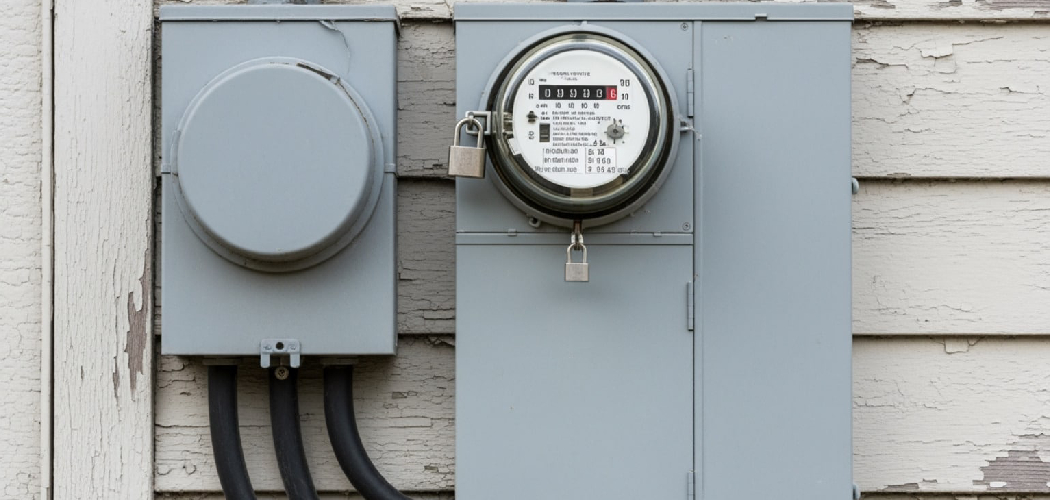
Dealing with utility hardware can often feel intimidating for homeowners and DIY enthusiasts alike. You might find yourself needing access to your electrical panel for maintenance, upgrades, or emergency repairs, only to be stopped by a small but sturdy security device. Learning how to remove electric meter lock mechanisms is a specific skill that requires caution, the right tools, and a clear understanding of safety protocols.
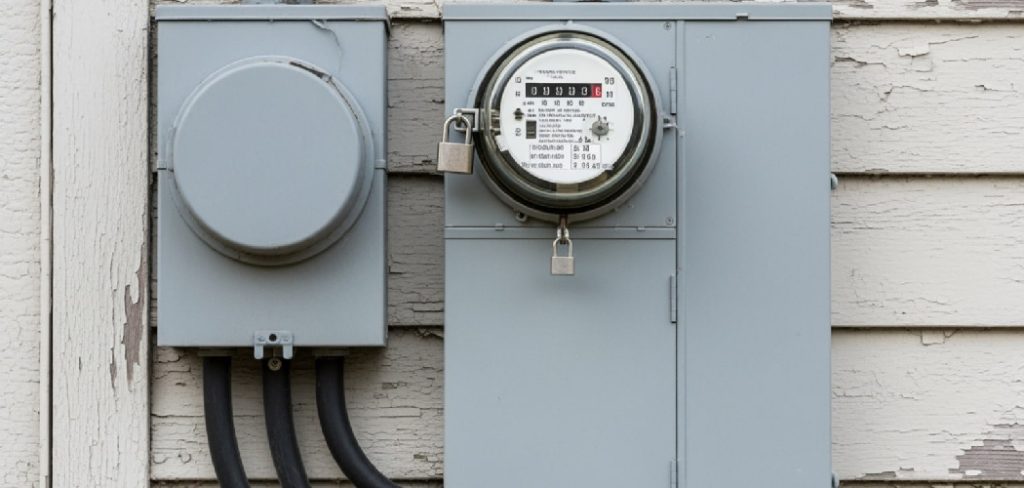
This guide is designed to walk you through the process in a beginner-friendly manner, ensuring you feel confident and informed every step of the way. While the task might seem technical at first glance, breaking it down into manageable parts makes it much more approachable. We will cover everything from safety gear to the specific techniques required for different types of locks, ensuring you can handle the job effectively without causing damage or putting yourself at risk.
Understanding the Importance of Meter Access
Having legitimate access to your electric meter is crucial for various reasons, ranging from routine maintenance to critical electrical work. While utility companies place these locks to prevent tampering and ensure safety, there are valid scenarios where a homeowner or a licensed electrician needs to remove them. Perhaps you are upgrading your main service panel, replacing an old meter box, or simply needing to cut power completely to perform safe internal wiring work. Understanding the “why” behind these locks helps you approach the removal process with the necessary respect for the equipment.
It is vital to recognize that these devices serve a significant safety function. They prevent unauthorized individuals from exposing live electrical parts that carry lethal voltage. Therefore, gaining access isn’t just about cutting a lock; it’s about taking responsibility for the exposed system underneath. When you understand the function of the meter and the lock, you can better appreciate the safety steps involved in removal. This section emphasizes that while access is sometimes necessary, it must always be balanced with strict adherence to safety standards and legal requirements regarding utility property.
9 Step-by-Step Guide on How to Remove Electric Meter Lock
Step 1: Verify Legal Authorization and Safety Protocols
Before you even touch a tool, the absolute most critical step is ensuring you have the legal right to proceed. In many jurisdictions, the electric meter and the locking mechanism are the property of the utility company, not the homeowner. Tampering with them without permission can lead to fines or service disconnection.
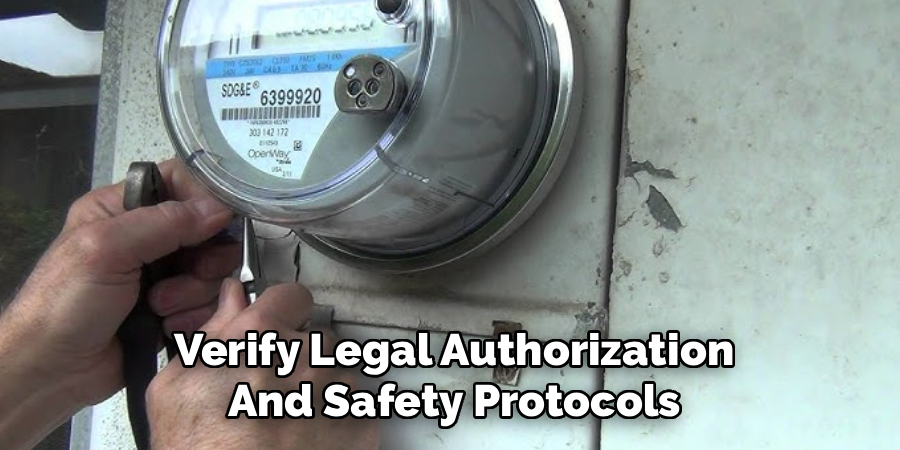
You should contact your local utility provider to request permission or schedule a temporary disconnect. Once you have clearance, prioritize your personal safety by gathering the necessary protective gear. You will need insulated rubber gloves rated for electrical work, safety glasses to protect your eyes from debris, and sturdy footwear. Never attempt this work in wet conditions or if you are unsure about the electrical status of the equipment.
Step 2: Identify the Type of Locking Mechanism
Electric meters are secured with various types of locks, and identifying the specific one you are dealing with is essential for a successful removal. Some meters use a simple padlock-style seal, while others utilize a barrel lock or a specialized plastic tab. Take a close look at the lock to determine its material and construction.
A plastic padlock seal is generally used to indicate tampering and is much easier to remove than a hardened steel barrel lock designed for high security. Understanding the construction allows you to select the correct method and tools for the job. If you mistakenly treat a steel lock like a plastic seal, you will likely damage your tools or the meter box itself. Take a clear photo of the lock if you need to reference it or ask for advice from a hardware professional.
Step 3: Gather the Necessary Tools for Removal
Once you have identified the lock type, you must assemble the appropriate toolkit to handle the specific mechanism efficiently. For plastic seals, a sturdy pair of diagonal cutting pliers or heavy-duty wire cutters is usually sufficient. If you are dealing with a more robust metal padlock, you might need bolt cutters. However, specialized barrel locks often require a specific key or a specialized removal tool that grips the inner mechanism.
Trying to force these locks with standard tools like screwdrivers or hammers is dangerous and ineffective. It is important to have all your tools within reach before you start the physical removal process. This prevents you from having to step away from the work area, keeping your focus entirely on the task at hand. Ensure all metal tools have insulated handles to add an extra layer of protection against accidental shocks.
Step 4: Inspect the Meter Box for Damage
Before attempting to manipulate the lock, conduct a thorough visual inspection of the entire meter box and the surrounding conduit. You are looking for signs of rust, corrosion, loose connections, or exposed wiring that could pose a hazard during the removal process. If the box looks compromised or unstable, the act of applying force to remove the lock could cause the entire unit to shift or break, potentially causing an electrical arc.
If you notice any significant damage, stop immediately and contact a professional electrician or your utility provider. Proceeding with a damaged box is extremely risky. This inspection ensures that the equipment is structurally sound enough to withstand the minor forces involved in removing the lock. It is a proactive safety measure that protects you from unforeseen equipment failure.
Step 5: Position Yourself Safely and Correctly
Proper positioning is often overlooked but is a key component of electrical safety. Stand on a dry, stable surface, avoiding any puddles or damp ground. If the ground is wet, place a dry wooden board or rubber mat under your feet to insulate yourself from the earth. When you are ready to work on the lock, position your body so that you are not leaning directly against the meter box or the wall it is mounted on.
Keep your face away from the immediate area of the lock to protect against any potential metal shards that might fly off if a lock snaps. Hold your tools firmly but without excessive tension. Your stance should be balanced and comfortable, allowing you to control your movements precisely. This careful positioning minimizes the risk of slipping or making accidental contact with energized components.
Step 6: Cutting a Plastic Padlock Seal
If you have identified the lock as a plastic security seal, the removal process is relatively straightforward but still requires care. Position the blades of your diagonal cutting pliers around the shackle of the plastic lock. Apply steady, firm pressure to cut through the plastic. Do not twist or yank the tool, as this can cause the plastic to shatter unexpectedly or damage the latch on the meter box.
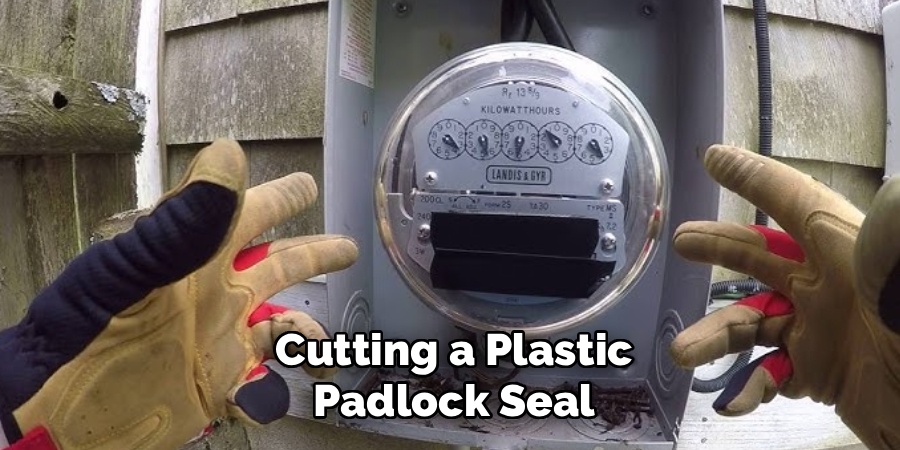
The goal is a clean cut that releases the lock without jarring the meter. Once the cut is made, carefully remove the broken pieces of the seal and set them aside. Even though this is just plastic, maintaining control is important. This is often the first step in learning how to remove electric meter lock devices for simple maintenance tasks. Always treat the plastic seal with respect, as it is a visual indicator of the meter’s integrity.
Step 7: Handling a Metal Padlock or Barrier
Removing a metal padlock requires more force and stronger tools than a plastic seal. If you have confirmed you are authorized to remove a metal padlock, use a pair of bolt cutters. Open the jaws of the bolt cutters and place them around the shackle of the lock, getting as close to the lock body as possible for better leverage. Ensure you have a solid grip on the handles. Apply force steadily to snap the shackle.
Be prepared for a sudden release of tension when the metal cuts; do not let your hands smash into the meter box. If the lock is a barrel type (a cylinder without a shackle), bolt cutters will not work. You would need the specific key or a specialized puller tool. Never attempt to drill out a lock on a live meter box, as metal shavings can cause catastrophic electrical shorts inside the unit.
Step 8: Open the Meter Ring or Box Carefully
With the locking mechanism successfully removed, the next step involves opening the securing ring or the box lid itself. Many meters are held in place by a metal ring that clamps the glass meter to the box base. There is usually a screw or a latch that tightens this ring. Loosen the screw or unlatch the clamp gently.
Once the ring is loose, support the meter glass with one hand—do not let it fall, as it is heavy and fragile. If you are opening a hinged door panel, pull it open slowly. Watch for any resistance or sounds of arcing. The removal of the lock was just the gateway; opening the box exposes you to the internal environment. Move slowly and deliberately to ensure that no internal wires are pulled or pinched as you open the access point.
Step 9: Secure the Area and Perform the Task
Once the lock is off and you have gained access, perform your intended task efficiently. Whether you are flipping a main breaker that was inaccessible or inspecting the lugs for corrosion, keep your intrusion brief. Do not leave the meter box open and unattended. If you need to step away, close the lid or replace the ring temporarily to prevent unauthorized access or accidental contact by others, such as children or pets.
While the box is open, be hyper-aware of where your hands and tools are in relation to the live bus bars. Even if you have shut off the main breaker inside the house, the incoming lines from the street are still live and lethal. Treat every component inside that box as if it is energized.
Re-secure and Notify the Utility Provider
After completing your work, it is essential to close the meter box securely. If you removed a ring, place it back around the meter and tighten the screw or latch to ensure a weather-tight seal. Since you likely destroyed the original lock or seal to gain entry, the box is now technically unsecured. You cannot simply put the broken lock back on. You must contact your utility provider to inform them that the work is finished.
They will typically send a technician to inspect the meter and install a new seal or lock. Leaving a meter unsecured can lead to fines or accusations of tampering later on. Reporting your action closes the loop on the process, ensuring you remain in good standing with the service provider and that the equipment remains safe and secure for the future.
Frequently Asked Questions
Is it illegal to remove an electric meter lock myself?
In most cases, yes, it is illegal to remove a meter lock without explicit permission from your utility company. The meter and the lock are legally the property of the utility provider, not the homeowner. Unauthorized removal is often classified as tampering, which can result in significant fines, disconnection of electrical service, and even potential criminal charges. However, there are exceptions for licensed electricians who have obtained a temporary permit or “disconnect order” to perform emergency work. Always call your utility provider to ask for authorization or a technician’s assistance before attempting to touch the lock.
What should I do if the lock is rusted or stuck?
If you encounter a lock that is severely rusted or seized, do not attempt to force it open with excessive brute strength. Banging on the lock or prying it aggressively can damage the meter box housing or even crack the glass meter itself, creating a dangerous electrical hazard. Instead, try applying a penetrating oil or rust dissolver to the mechanism and letting it sit for several minutes. If it still refuses to budge, or if using bolt cutters feels unsafe due to the force required, it is best to stop and contact the utility company. They have specialized heavy-duty tools designed to safely remove seized equipment.
Can I buy a key for a barrel lock online?
While you may find keys that claim to open utility barrel locks for sale on various internet marketplaces, purchasing and using them is generally ill-advised and potentially illegal. These keys are restricted tools meant for utility employees and sometimes licensed contractors. Possessing such a key as a regular homeowner can be viewed as “possession of burglary tools” or evidence of intent to steal power in some jurisdictions. Furthermore, there are many different patterns and styles of barrel locks; buying a generic key online is unlikely to work and may simply jam the lock, making the situation worse.
What is the difference between a seal and a lock?
A seal and a lock serve two different primary functions on an electric meter. A seal is typically a plastic or thin metal tag that does not provide physical security; rather, it acts as a tamper-evident indicator. Its purpose is to show the utility company if anyone has opened the box unauthorized. A lock, on the other hand, is a sturdy metal device (like a padlock or barrel lock) designed to physically prevent access to the meter. While you can cut a seal with simple wire cutters, a lock requires bolt cutters or a key. Both are utility property, and removing either without permission is prohibited.
Is the power still on when I remove the meter lock?
Yes, removing the lock or seal does not turn off the power. The electricity flowing through the meter is live and extremely dangerous. The lock is merely a security device on the outside of the box. Even after you open the box, the incoming service lines from the street are energized with lethal voltage. You must never touch the internal terminals or lugs inside the meter base. Removing the meter itself (pulling it out of the socket) is the only way to break the connection at that point, but doing so under load (while power is being used inside) can cause an arc flash explosion.
Conclusion
Successfully navigating the process of removing a meter lock requires a balance of technical knowledge, safety awareness, and legal compliance. By following the steps outlined in this guide, you can ensure that you approach the task with the necessary caution and respect for the high-voltage equipment involved. Remember that preparation is key; identifying the lock type, gathering the right insulated tools, and securing the proper permissions will save you from potential fines and dangerous accidents.
We hope this guide has demystified the process and empowered you to handle your electrical maintenance needs responsibly. If you ever feel unsure or unsafe, never hesitate to call a professional. Safety should always be your top priority. Now that you understand the procedure, you are better equipped to handle the situation if you ever need to apply what you’ve learned about how to remove electric meter lock mechanisms in a real-world scenario.

About
Robert D is a distinguished figure in the world of Safety Systems and Risk Management, with a decade of expertise creating innovative and sustainable workplace solutions. His professional focus lies in merging traditional safety protocols with modern digital monitoring techniques, fostering environments that are both practical and hazard-conscious. As the lead author of SafetyRift, Robert delves into the art and science of risk mitigation, inspiring safety officers and industry professionals alike to bridge the gap between compliance and culture.
Education
RMIT University (Melbourne, Australia)
Associate Degree in Design (Industrial Safety)
-
Focus on sustainable safety infrastructure, industry-driven risk assessments, and practical implementation.
-
Gained hands-on experience with traditional hazard identification and digital monitoring tools, such as IoT safety sensors and predictive analytics software.
Nottingham Trent University (United Kingdom)
Bachelor’s in Occupational Health and Safety (Honors)
-
Specialized in systemic design with a focus on blending human behavior psychology with modern safety production techniques.
-
Participated in industry-wide projects, working with global logistics and manufacturing firms to gain real-world insights into large-scale safety deployments.
Publications and Impact
In SafetyRift, Robert shares his insights on safety design processes, protective materials, and strategies for efficient, accident-free production. His writing bridges the gap between foundational safety knowledge and modern industrial needs, making it a must-read for both budding safety coordinators and seasoned risk management professionals.