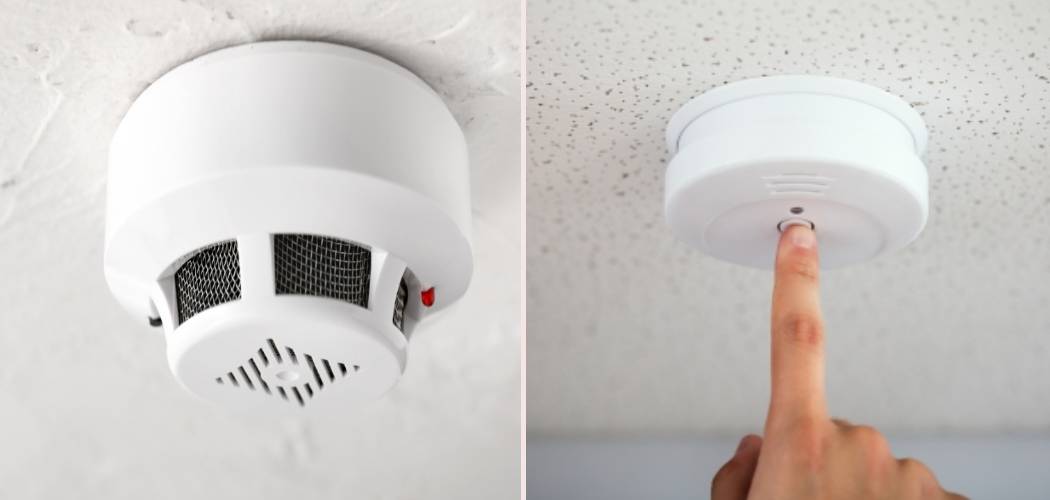
There are few sounds more irritating than a smoke alarm that won’t stop chirping. It often seems to start in the middle of the night, a single, high-pitched “chirp” every minute or so, just frequent enough to disrupt your sleep and fray your nerves. While it’s tempting to just remove the battery and deal with it later, that constant beeping is your alarm’s way of telling you something needs attention. Understanding how to silence a chirping smoke alarm is not just about restoring peace and quiet; it’s a critical part of home safety maintenance.
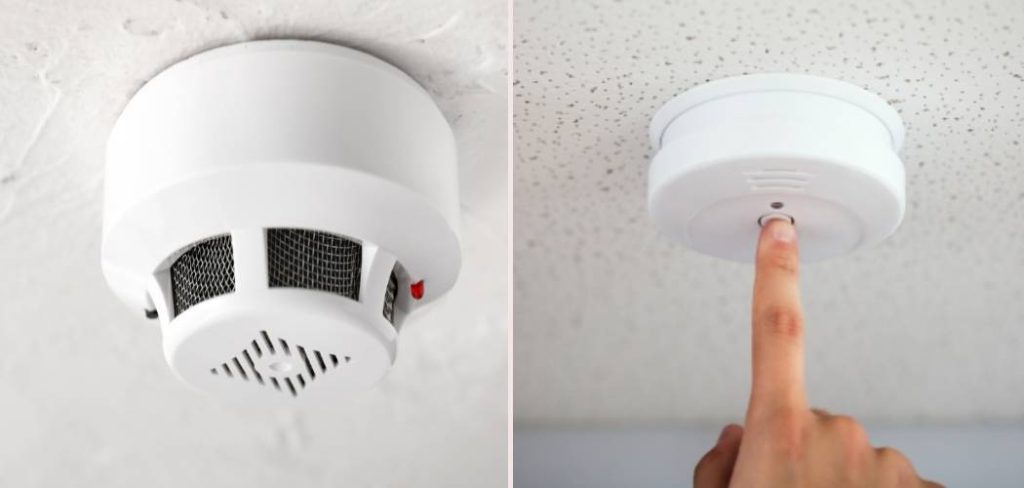
That persistent chirp is a signal. It’s rarely indicating an actual fire. Instead, it’s a maintenance alert, usually pointing to a low battery, but sometimes it can signal other issues. Ignoring it or improperly disabling the device puts you and your family at risk. This guide will walk you through the entire process of smoke alarm troubleshooting, helping you identify the cause of the noise and fix it correctly. You’ll learn the proper steps to restore your alarm to working order, ensuring it remains ready to protect you when it matters most.
Step-by-Step Guide to Silencing Your Smoke Alarm
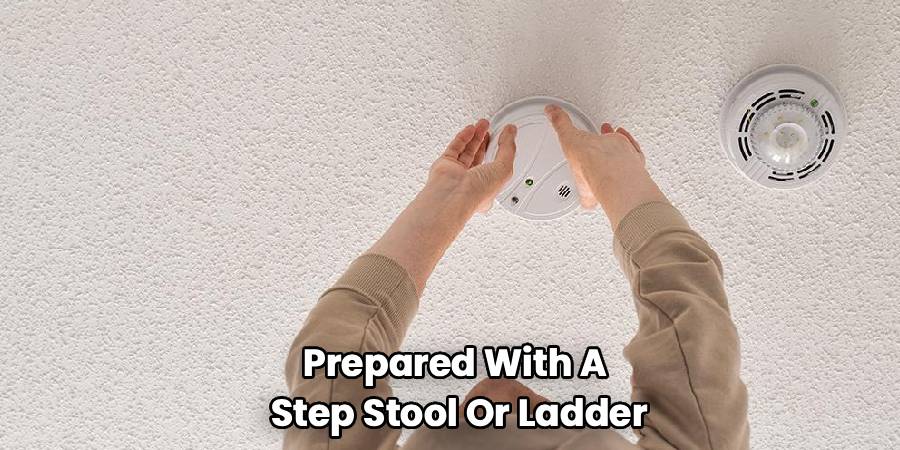
Follow these detailed steps to safely and effectively stop the beeping. Most of the time, this process will resolve the issue quickly. Be prepared with a step stool or ladder and a new battery before you begin.
Step 1: Identify the Beeping Unit
If you have multiple smoke detectors in your home, your first task is to find which one is the culprit. The chirping sound can echo, making it tricky to pinpoint the source. Walk from room to room and stand under each alarm for a minute or two. The beeping unit will have a small red or green light that flashes in sync with the chirp. Once you’ve found the noisy detector, you can move on to the next step. Don’t be surprised if more than one starts chirping around the same time, as they were likely installed together.
Step 2: Replace the Battery
The most common reason for a chirping smoke alarm is a weak battery. Most models will chirp every 30 to 60 seconds for up to a month before the battery dies completely. This is a built-in safety feature.
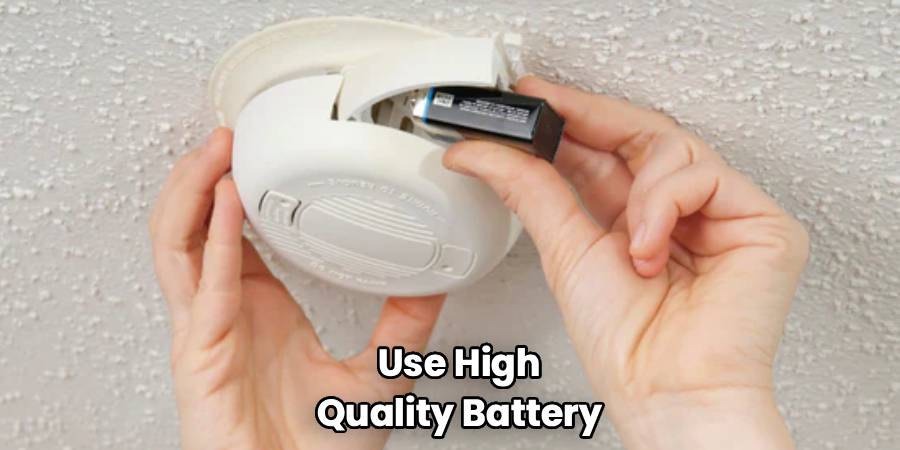
To replace the battery, carefully remove the detector from its mounting bracket on the ceiling or wall. Most units twist off, while others might have a tab you need to press. Once it’s down, locate the battery compartment. Open the cover and remove the old battery. It’s important to replace it with a brand-new, high-quality battery as specified by the manufacturer—usually a 9-volt or a pair of AAs. Using an old battery from another device is not a reliable fix. After inserting the new battery, close the compartment securely.
Step 3: Press the Test/Silence Button and Clean the Alarm
With the new battery installed, press and hold the “Test” or “Silence” button on the alarm for about 15-20 seconds. This should reset the device and silence the low-battery chirp. You might hear a loud, continuous alarm sound while holding the button—this is normal and indicates the alarm is working.
While you have the detector down, it’s the perfect time to clean it. Dust, cobwebs, and even small insects can get inside the sensing chamber and interfere with its operation, causing false alarms or chirping. Use a can of compressed air to blow out any debris from the vents. You can also use a soft brush attachment on your vacuum cleaner to gently clean the exterior. Avoid using water or cleaning solvents, as they can damage the internal components.
Step 4: Reset Hardwired Alarms
If you have hardwired smoke alarms (alarms connected directly to your home’s electrical system), the process is slightly different. These units have a backup battery, and that battery is often the cause of the chirping.
First, shut off the power to the smoke alarm circuit at your home’s circuit breaker. Then, remove the detector from its bracket and disconnect the power cable. Replace the backup battery just as you would with a battery-only model. After replacing the battery and cleaning the unit, reconnect the power cable, reattach the alarm to its mounting bracket, and then restore power at the circuit breaker. Press the test button to ensure it’s working correctly. This process of resetting the power is crucial for clearing any fault codes. This is the complete process for how to silence a chirping smoke alarm that is hardwired.
Step 5: Check for Other Environmental Factors
Sometimes, the chirping isn’t due to the alarm itself but its environment. Drastic temperature swings, high humidity from a nearby bathroom shower, or steam from cooking can sometimes trigger a chirp or false alarm. If your alarm is located too close to a kitchen, bathroom door, or an uninsulated attic, you might consider relocating it. Ensure it’s not placed near drafts from windows, doors, or air conditioning vents, as this can also affect its performance.
Step 6: Determine the Alarm’s Age
Smoke detectors don’t last forever. Most manufacturers recommend replacing the entire unit every 8 to 10 years. The manufacturing date is usually printed on the back or side of the alarm. If your detector is approaching or past its expiration date, it may start chirping intermittently to signal that it’s time for a replacement. No amount of battery changes or cleaning will fix an expired alarm. Replacing it is the only safe and effective solution. Newer models often have a built-in 10-year battery, and the entire unit must be replaced when it starts chirping.
Frequently Asked Questions
Here are answers to some common questions people have when dealing with a noisy smoke alarm.
Why is my smoke alarm chirping with a new battery?
There are a few reasons this might happen. First, the replacement battery might not be fresh, even if it’s new from the package. Always use a brand-new, high-quality alkaline or lithium battery. Second, the battery contacts inside the detector might be dirty or obstructed, preventing a solid connection. Try cleaning them with a dry cloth or pencil eraser. Finally, the alarm may need to be reset. After inserting the new battery, press and hold the test button for 15 seconds to clear the low-battery memory. If it’s a hardwired unit, you may need to reset it at the circuit breaker.
How do I know if the chirp is a low battery or a malfunction?
The pattern of the chirp can tell you a lot. A single, consistent chirp every 30-60 seconds is almost always a sign of a low battery. If your alarm is chirping irregularly or making a different pattern of beeps (like three chirps in a row), it could indicate a malfunction, a sensor error, or that the unit has reached its end of life. Consult your alarm’s user manual or the manufacturer’s website to decipher what different chirp patterns mean for your specific model.
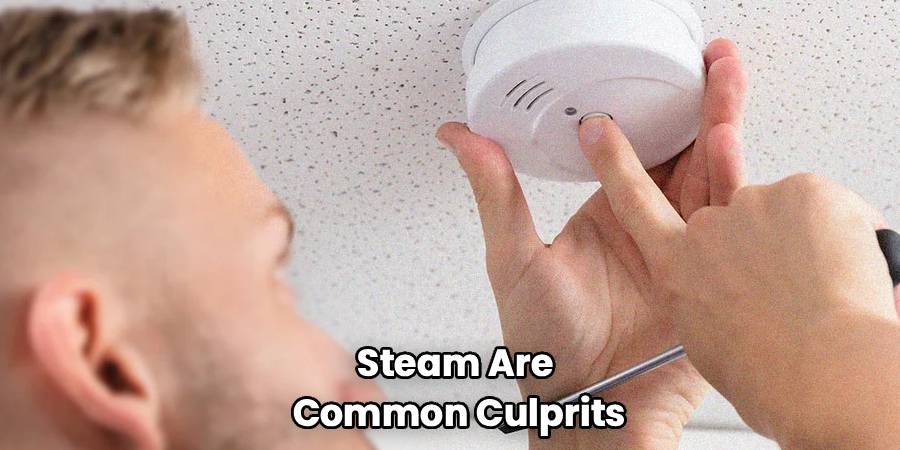
Can humidity or steam cause my smoke alarm to chirp?
Yes, high humidity and steam are common culprits for causing nuisance chirps or false alarms. Ionization-type smoke alarms are particularly susceptible to this. When steam or dense, moist air enters the sensing chamber, the alarm can interpret it as smoke. If your alarm is near a bathroom or kitchen and frequently chirps after a hot shower or while cooking, this is likely the cause. The solution is to move the alarm further away from the source of the humidity.
Is it safe to just remove the battery to stop the chirping?
No, you should never remove the battery from a smoke alarm unless you are immediately replacing it. A smoke alarm without a functioning battery is just a piece of plastic on your ceiling; it offers zero protection. The chirp is an inconvenience, but it’s a critical safety alert. Taking out the battery and forgetting to replace it leaves your home vulnerable. Always follow the proper steps to silence the alarm and restore it to full working condition.
Conclusion
Successfully silencing a chirping smoke alarm brings immediate relief, but more importantly, it’s an essential part of responsible homeownership. By following the steps outlined above—from identifying the unit and replacing the battery to cleaning the device and checking its expiration date—you can confidently address the issue. Remember that this regular maintenance ensures your smoke detector is always ready to function when you need it most. Never ignore the chirp. Treat it as a reminder to perform a quick safety check that protects you, your home, and your family.