We have all been there. It’s 3:00 AM, the house is pitch black, and you are suddenly jolted awake by a piercing, intermittent chirp echoing from the hallway ceiling. Your heart races for a second until you realize the house isn’t on fire—it’s just that little plastic disc demanding a fresh 9-volt. While it is undeniably annoying, that little chirp is essentially a heartbeat monitor for your home’s safety system. Keeping that heartbeat strong is one of the most important things you can do for your family.
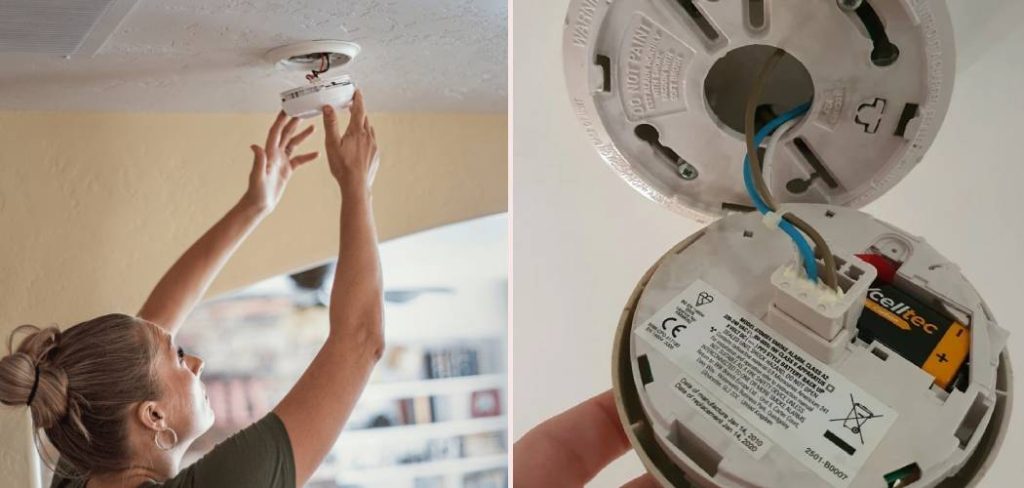
But relying solely on the middle-of-the-night chirp isn’t the best strategy. Ideally, you want to stay ahead of the low-battery warning so you never have to drag a ladder out in your pajamas. The trick is understanding the subtle (and not-so-subtle) signs your device gives you. In this guide, we are going to walk through exactly how to know when to change battery in smoke detector units, covering everything from audio cues to seasonal habits, so you can sleep soundly knowing your home is protected.
Step-by-Step Guide To Smoke Alarm Maintenance
Maintenance might sound like a boring chore, but when it comes to fire safety, it’s surprisingly simple. Unlike fixing a leaky faucet or patching drywall, managing your smoke alarms requires more observation than manual labor.
If you aren’t sure if your alarms are up to the task, follow these steps to determine if it’s time to swap out those power cells.
Step 1: Listen for the “Low Battery” Chirp
This is the most universal sign, and usually the one that prompts people to take action. Smoke alarms are designed with a fail-safe mechanism that alerts you when the power reserve drops below a functional level. This isn’t the same sound as the full-blown emergency siren, which is a continuous, deafening blast.
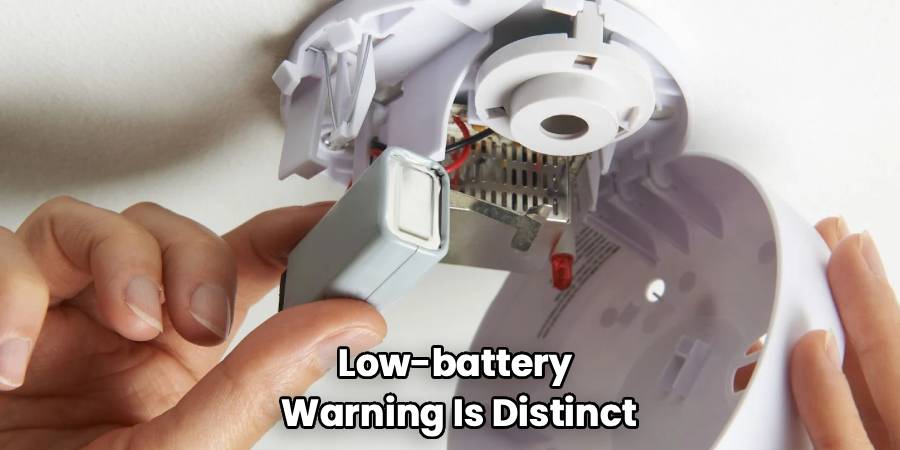
The low-battery warning is distinct—it’s a short, high-pitched “chirp” or “beep” that repeats every 30 to 60 seconds. It is relentless by design. If you hear this sound, there is no guesswork involved; the battery is effectively dead and needs immediate replacement. Do not try to silence it by taking the battery out and “dealing with it later.” Replace it immediately.
Step 2: Check the Calendar (The Six-Month Rule)
You shouldn’t actually wait for the chirp. By the time the alarm is chirping, it has arguably been running on fumes for a little while. The gold standard for fire safety has always been preemptive replacement.
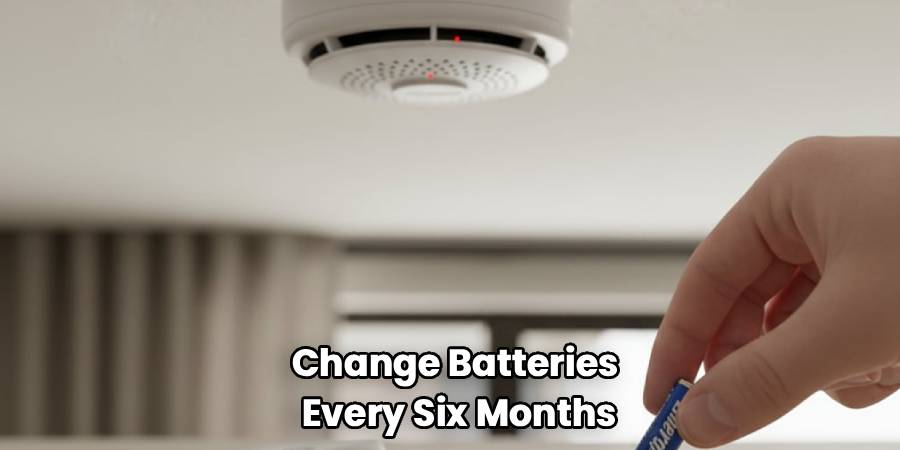
A great habit to get into is changing your smoke detector batteries every six months. An easy way to remember this is to sync it with Daylight Saving Time. When you change your clocks forward in the spring or backward in the fall, take a tour of your house with a pack of fresh batteries. If you follow this schedule, you will likely never hear that annoying low-battery chirp again, and you will have peace of mind knowing the units are always at full power.
Step 3: Analyze False Alarms and Sensitivity
Have you noticed your alarm going off every time you make toast, even when you haven’t actually burned anything? While this can sometimes be due to the placement of the alarm (too close to the kitchen), it can also be a sign of an aging power source or a dirty sensor.
As batteries weaken, the internal resistance changes, which can sometimes make the sensors act erratically. If your alarm has become hypersensitive lately, triggering over minor cooking steam or humidity from a shower, don’t just wave a towel at it in frustration. Try putting in a fresh battery. If the false alarms stop, you know the old battery was the culprit.
Step 4: Testing Your Unit: How To Know When To Change Battery In Smoke Detector
Every smoke alarm comes equipped with a “Test” button, usually located prominently on the face of the unit. This isn’t just for show. You should be pressing this button once a month to ensure the circuitry and the battery are working in harmony.
When you press and hold the button, the alarm should sound loudly and immediately. If the sound is weak, muffled, or takes several seconds to engage, the battery is struggling to deliver the necessary voltage. This manual check is the most direct method regarding how to know when to change battery in smoke detector hardware without waiting for a failure. If the alarm sounds weak during a test, replace the battery instantly and test again.
Step 5: Distinguish Between Hardwired and Battery-Only Units
It is a common misconception that hardwired smoke detectors (the ones connected to your home’s electrical system) don’t need batteries. They almost always do. These units use batteries as a backup in case of a power outage—which is often when fires happen, such as during electrical storms.
If you have hardwired alarms, you might think you are off the hook, but these backup batteries drain over time just like the ones in standalone units. If you have never changed the backup battery in your hardwired unit, do it now. The device draws a tiny amount of power from the battery simply to monitor its charge level. If it’s been more than a year, swap it out.
Step 6: Inspect for Corrosion or Leakage
Sometimes the issue isn’t that the battery is empty, but that it is physically compromised. If you live in a humid environment or an area with fluctuating temperatures (like a garage or attic), batteries can swell or leak acid.
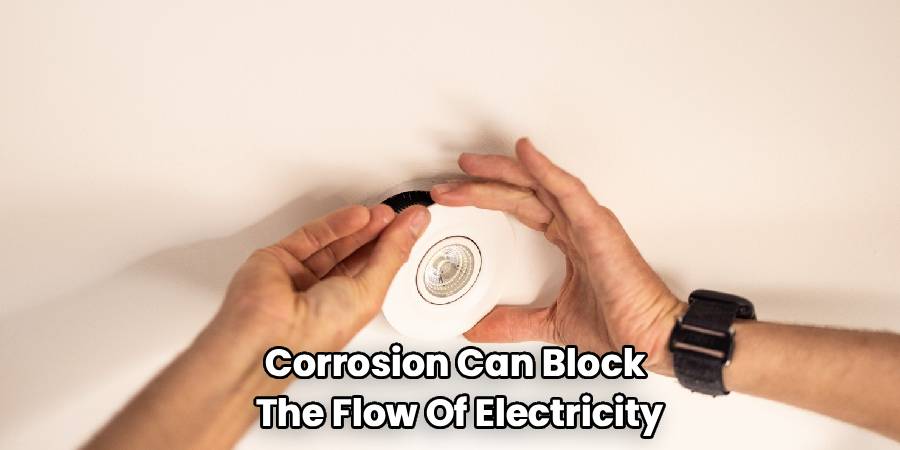
Pop the cover of your smoke detector open once a year and look at the battery compartment. If you see any white, crusty powder (corrosion) on the terminals or if the battery looks swollen, it needs to be changed immediately regardless of its charge level. Corrosion can block the flow of electricity, meaning the alarm might not sound even if the battery technically has power. Clean the terminals carefully with a cotton swab and a little vinegar before inserting the new battery.
Step 7: Check the Expiration Date of the Detector
Finally, sometimes a battery change won’t fix the problem because the issue is the detector itself. Smoke alarms have a lifespan of about 10 years. After a decade, the sensors degrade and become unreliable.
Remove the alarm from the ceiling and look at the back. There should be a “Manufacture Date” stamped on it. If the unit is over 10 years old, putting a fresh battery in is like putting premium gas in a car with no engine—it won’t help. In this case, stop buying batteries and buy a whole new smoke alarm.
Frequently Asked Questions
Smoke detectors are devices we tend to ignore until they make noise, so it is natural to have questions when you finally have to deal with them. Here are some of the most common queries homeowners have about keeping their alarms running.
What is the best type of battery to use?
Always check your user manual, but generally speaking, you want long-lasting power. For standard standalone detectors, 9-volt alkaline batteries are the most common standard. However, Lithium batteries are often a better choice if your device supports them. Lithium batteries typically last much longer than alkaline ones, sometimes up to the entire 10-year life of the alarm. Avoid using heavy-duty or rechargeable batteries unless the manual specifically says they are okay. Rechargeable batteries can lose their charge too quickly and unpredictably for a safety device.
Why is my alarm still chirping after I changed the battery?
This is the most frustrating scenario for any homeowner. If you put a fresh battery in and it is still chirping, a few things could be wrong. First, check that the battery is clicked in all the way—sometimes the fit is tight. Second, there might be a “residual charge” error in the memory. To fix this, take the battery out, hold the test button for 15 seconds to drain any remaining power from the capacitors, and then put the battery back in. If it still chirps, check the date on the back; the unit itself might be expired.
Do I really need to test them every month?
Yes, absolutely. It takes five seconds and could save your life. Electronic components can fail without warning, and batteries can be duds right out of the package. Monthly testing is the only way to verify that the system is actually active. Make it a part of your cleaning routine; when you dust the ceiling or vacuum the hallway, reach up and push the button.
How do I dispose of the old 9-volt batteries?
You should not just throw 9-volt batteries in the regular trash bin if you can avoid it, though alkaline batteries are technically safe for landfills in many places. The safer option is to take them to a local recycling center or a hardware store that offers battery recycling. If you do throw them out, put a piece of electrical tape over the terminals (the positive and negative posts). 9-volt batteries can still hold a small spark, and if those two posts touch a piece of foil or a paperclip in your trash can, they can actually start a fire—ironic for a battery that just came out of a fire alarm!
Can I just vacuum the smoke detector instead of changing the battery?
You should do both! Dust, spider webs, and pet dander can clog the sensors in your smoke alarm, blocking smoke from entering the chamber or causing false alarms. You should gently vacuum the outside of the unit with a soft brush attachment once or twice a year. However, cleaning is not a substitute for power. A clean smoke detector with a dead battery is just a clean piece of plastic on your ceiling.
Conclusion
Understanding how to know when to change battery in smoke detector units is a fundamental part of home ownership that directly impacts the safety of your loved ones. By listening for audio cues, sticking to a 6-month replacement schedule, and performing regular manual tests, you ensure that your first line of defense against fire is always ready. Don’t wait for the chirp to wake you up at 3:00 AM; be proactive, grab a ladder this weekend, and give your home the fresh power it deserves. It’s a small task that makes a massive difference.