Modern gardening has changed dramatically with the rise of high-performance cordless tools. From hedge trimmers to leaf blowers, lithium-ion batteries power almost everything in the shed today. While these power sources are generally safe and efficient, they do carry a small risk of malfunction that every homeowner needs to respect.
Accidents happen, and being prepared is the best way to protect your home and garden. Whether you are a seasoned landscaper or just bought your first electric lawnmower, understanding the basics of safety is vital. In this guide, we will walk you through exactly how to extinguish a lithium battery fire so you can react calmly and effectively if an emergency ever arises.
Why Understanding Lithium Battery Fires Matters
Lithium-ion batteries are chemically different from the standard alkaline batteries you put in a TV remote. They store a tremendous amount of energy in a very compact space, which makes them perfect for heavy-duty gardening equipment. However, this high energy density also means that if they fail, they can fail spectacularly through a process called thermal runaway. This is a chain reaction where heat generates more heat, causing the battery to burn intensely and rapidly.
For home gardeners, this knowledge is not just technical trivia; it is a critical safety skill. A battery fire behaves differently than burning wood or paper. It creates its own oxygen, burns at incredibly high temperatures, and can re-ignite even after you think it is out. Knowing why these fires are unique helps you understand why tossing a blanket over them might not work and why specific actions are required to keep your family and property safe.
8 Step Methods Guide on How to Extinguish a Lithium Battery Fire
Step 1: Identify the Early Warning Signs
The first moment you suspect trouble is often the most critical time to act. You need to be able to recognize when a battery is entering a dangerous state before it fully ignites. Usually, a failing battery will give you sensory clues. You might hear a distinct hissing or popping sound coming from your tool or charger.
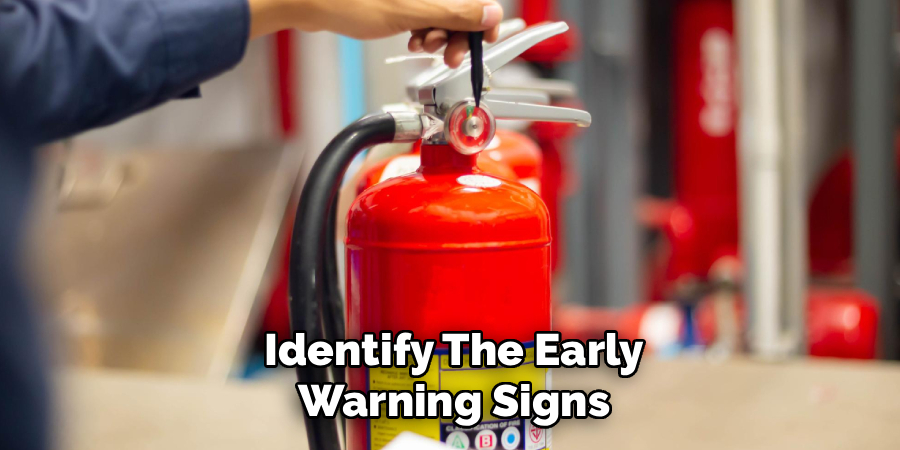
There might be a chemical smell that resembles burning plastic or a sweet, metallic odor. You may also see the battery casing bulging, changing shape, or emitting wisps of dark smoke. If you notice any of these signs while your tool is charging or in use, do not ignore them. Immediate recognition allows you to move to the next safety steps safely.
Step 2: Disconnect the Charger or Device Immediately
Once you have identified that a battery is compromising safety, your next priority is to cut the flow of electricity if it is safe to do so. If the battery is currently on a charger plugged into a wall outlet, and you can reach the plug without getting too close to the heat or smoke, unplug it immediately. Stopping the electrical current can sometimes halt the thermal runaway process if it is in the very early stages. However, you must prioritize your personal safety above all else. If the device is already flaming or the heat is intense, do not attempt to touch the cord or the device. The goal is to remove the energy source, but never at the risk of burning yourself.
Step 3: Evacuate the Area to a Safe Location
Lithium battery fires can escalate from a small hiss to a large flare very quickly. If the device is indoors, such as in your garage or garden shed, you must get everyone out of the area immediately. These fires release toxic fumes that are dangerous to inhale, even for a few seconds. If you can safely move the device outside without touching it directly—perhaps by using a long-handled shovel—move it to a concrete surface away from flammable materials like dry leaves, wooden decks, or gas cans. If you cannot move it safely, leave it where it is. Evacuate the building, close the door behind you to contain the smoke, and get yourself and your family to a safe distance.
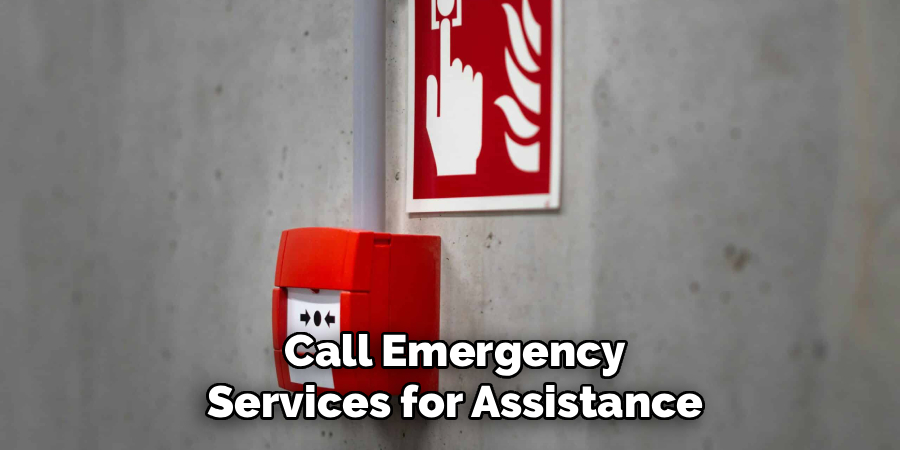
Step 4: Call Emergency Services for Assistance
It is important to understand that fighting a chemical fire is difficult and dangerous for untrained individuals. Even if you have read about how to extinguish a lithium battery fire, you should always call 911 or your local emergency number immediately. Firefighters have specialized breathing apparatus and protective gear that allows them to get close to the toxic smoke safely.
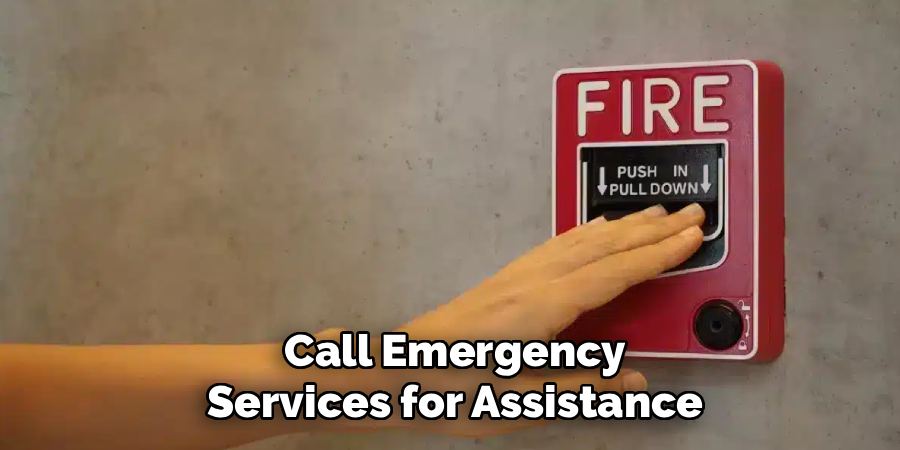
While you are waiting for them to arrive, you can assess if there are any small actions you can take, but professional help is non-negotiable. Do not try to be a hero if the fire is large or spreading. Your primary job is to alert the professionals who deal with hazardous materials daily.
Step 5: Apply Water to Cool the Battery
There is often confusion about using water on battery fires, but for lithium-ion batteries, water is actually a primary extinguishing method recommended by many safety agencies. The goal here is cooling. You need to bring down the temperature of the battery cells to stop the thermal runaway chain reaction. If you have a hose nearby and can stand at a safe distance, spray a copious amount of water continuously on the battery. You are not just trying to smother the flames; you are trying to soak the battery to absorb the intense heat. A mist or spray is often better than a high-pressure jet, which might break the battery casing further. Keep applying water for a long duration.
Step 6: Use a Standard ABC Fire Extinguisher
If you do not have water available or if the fire has spread to surrounding materials, a standard dry chemical extinguisher is your next best tool. Look for an extinguisher labeled Class ABC, which is common in most households and garden sheds. This type of extinguisher is excellent for knocking down the flames of the burning plastic casing and surrounding debris. While the dry chemical suppresses the flames, remember that it does not cool the battery effectively. The battery pack may still be hot internally. Therefore, learning how to extinguish a lithium battery fire involves understanding that an extinguisher puts out the visible fire, but the internal chemical reaction might still be generating heat.
Step 7: Monitor for Potential Re-ignition
One of the most tricky aspects of lithium battery fires is their tendency to reignite. Even after the flames are gone and the smoke has cleared, the chemical reaction inside the damaged cells can restart. This is known as a stranded energy risk.
Do not assume the danger is over just because the fire is out. Keep a close watch on the device for several hours. Do not attempt to pick up the debris or move it into your car or trash can immediately. Ideally, leave it in a safe, non-flammable outdoor area. If the battery feels hot to the touch or starts smoking again, you may need to apply more water or call the fire department back if they have left.
Step 8: Proper Disposal of Damaged Batteries
Once the situation is fully stabilized and the battery is completely cool—potentially after waiting 24 hours—you must dispose of the hazardous waste correctly. Never throw a burnt or damaged lithium-ion battery into your regular household trash or recycling bin. This can cause fires in garbage trucks or recycling centers. You need to contact your local waste management facility or a specialized battery recycling center to ask for instructions. They may ask you to place the debris in a bucket of sand or kitty litter for transport. Handling post-fire cleanup responsibly is the final step in the safety process, ensuring that the damaged cells do not cause harm elsewhere.
Frequently Asked Questions (FAQ)
Can I Use A Regular Fire Extinguisher On A Battery Fire?
Yes, you can use a standard Class ABC fire extinguisher on a lithium-ion battery fire. These extinguishers are very effective at putting out the flames caused by the burning plastic casing and surrounding materials. However, keep in mind that they do not cool the battery cells down. The battery may remain hot inside and could reignite, so water is often needed afterward to cool it completely.
Is Water Dangerous To Put On A Lithium Battery Fire?
Generally, no. For the lithium-ion batteries found in garden tools and electronics, water is the recommended extinguishing agent by the NFPA. While lithium metal reacts with water, lithium-ion batteries contain a liquid electrolyte, not lithium metal. A large amount of water is beneficial because it cools the thermal runaway process. Do not use water if the battery is plugged into a high-voltage outlet to avoid shock hazards.
What Is Thermal Runaway In A Battery?
Thermal runaway is a dangerous chemical chain reaction inside a battery cell. When a cell gets too hot due to damage or overcharging, it releases heat and flammable gas. This heat causes the next cell to get hot and fail, creating a domino effect. This process generates intense temperatures and is self-sustaining, making it difficult to stop without significant cooling agents like water.
Why Do Garden Tool Batteries Catch Fire?
Garden tool batteries usually catch fire due to physical damage, overheating, or improper charging. Dropping a battery on concrete can damage the internal separators. Leaving a battery in a hot shed or direct sunlight can overheat it. Using a charger that was not made for that specific battery can also cause overcharging. Old or worn-out batteries are also more susceptible to failure during charging cycles.
How Should I Store My Lithium Batteries Safely?
Store your lithium-ion batteries in a cool, dry place away from direct sunlight and flammable materials. Ideally, keep them in a temperature-controlled area like a garage that does not freeze or get too hot. Do not stack heavy objects on top of them. If you are storing them for the winter, charge them to about 50% rather than leaving them fully charged or completely empty.
Conclusion
As we embrace the convenience of electric gardening tools, we must also embrace the responsibility that comes with them. Lithium-ion batteries are powerful and generally safe, but they demand respect and proper handling. By staying alert to the warning signs like overheating or odd smells, you can prevent a small issue from becoming a major emergency. Remember that safety always comes first—never prioritize a tool over your own well-being.
If you ever face an emergency, recall the steps outlined here: evacuate, call for help, and use water to cool the heat source. We hope this guide has given you the confidence to handle your equipment safely. Now that you understand how to extinguish a lithium battery fire, share this knowledge with your fellow gardeners and neighbors to help keep your entire community safe.

About
Robert D is a distinguished figure in the world of Safety Systems and Risk Management, with a decade of expertise creating innovative and sustainable workplace solutions. His professional focus lies in merging traditional safety protocols with modern digital monitoring techniques, fostering environments that are both practical and hazard-conscious. As the lead author of SafetyRift, Robert delves into the art and science of risk mitigation, inspiring safety officers and industry professionals alike to bridge the gap between compliance and culture.
Education
RMIT University (Melbourne, Australia)
Associate Degree in Design (Industrial Safety)
-
Focus on sustainable safety infrastructure, industry-driven risk assessments, and practical implementation.
-
Gained hands-on experience with traditional hazard identification and digital monitoring tools, such as IoT safety sensors and predictive analytics software.
Nottingham Trent University (United Kingdom)
Bachelor’s in Occupational Health and Safety (Honors)
-
Specialized in systemic design with a focus on blending human behavior psychology with modern safety production techniques.
-
Participated in industry-wide projects, working with global logistics and manufacturing firms to gain real-world insights into large-scale safety deployments.
Publications and Impact
In SafetyRift, Robert shares his insights on safety design processes, protective materials, and strategies for efficient, accident-free production. His writing bridges the gap between foundational safety knowledge and modern industrial needs, making it a must-read for both budding safety coordinators and seasoned risk management professionals.