Finding yourself locked out by a stubborn screen door can be a frustrating experience, especially on a beautiful day when you just want to let the fresh air in. Whether the handle is stuck, the latch won’t budge, or the key is nowhere to be found, a locked screen door can feel like a major obstacle.
Fortunately, you don’t always need to call a professional for help. With a few simple tools and a bit of patience, you can often solve the problem yourself. This guide will walk you through the process of how to open locked screen door, providing clear, step-by-step instructions to get it working again.
Why Screen Door Locks Fail
Screen door locks are generally simpler than the locks on your main entry doors, but they are also more exposed to the elements. This exposure can lead to several common issues. Rust and corrosion are frequent culprits, causing moving parts to seize up. Dirt, dust, and pollen can also accumulate within the lock mechanism, creating a blockage that prevents the latch from retracting. Over time, the wear and tear of daily use can cause internal components to misalign or break. Understanding these potential causes can help you diagnose the problem more effectively and choose the right approach to fix it.
8 Step Methods Guide on How to Open Locked Screen Door
Step 1: Examine the Lock and Handle
Your first action should be a thorough visual inspection of the entire locking mechanism. Look closely at the handle, the latch on the edge of the door, and the strike plate on the door frame. Do you see any obvious signs of damage, like bent metal or cracked plastic? Check for rust or debris buildup that could be causing a jam.
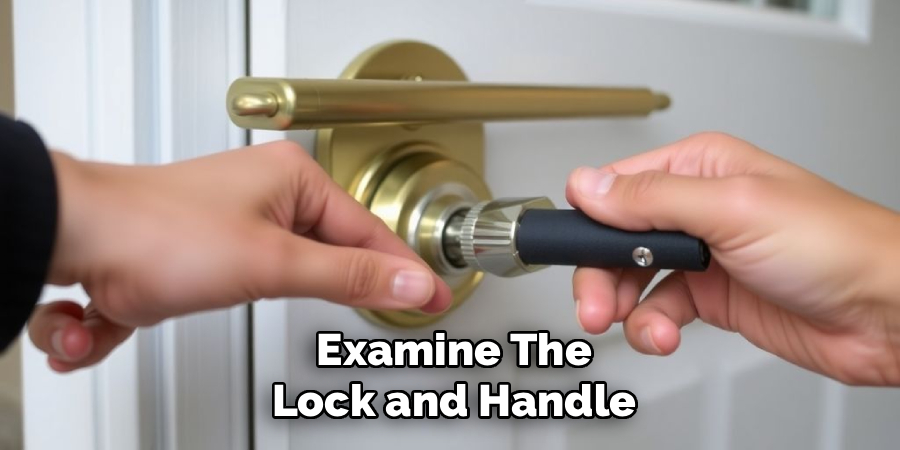
Gently wiggle the handle to see if it feels unusually loose or completely seized. This initial assessment will give you crucial clues about the root cause of the problem and help you decide the best course of action.
Step 2: Try Lubricating the Mechanism
Often, the simplest solution is the most effective. A lack of lubrication is a very common reason for a screen door lock to get stuck. Grab a can of spray lubricant, such as WD-40 or a silicone-based spray, and apply it generously to the keyhole, the latch mechanism, and any other moving parts you can access. Insert the nozzle straw for precise application into tight spaces. After applying the lubricant, try working the handle and key (if applicable) back and forth to help the liquid penetrate deeper into the lock’s internal components and break up any rust or grime.
Step 3: Use a Plastic Card for a Spring Latch
If the lock is a simple spring-latch type (without a deadbolt), you can often bypass it with a thin, flexible piece of plastic. A credit card, gift card, or even a sturdy piece of packaging will work. Slide the edge of the card into the gap between the screen door and the frame, just above the handle. Wiggle the card downward while pushing it against the angled side of the latch. The goal is to press the latch back into the door, releasing it from the strike plate. You may need to jiggle the door and apply gentle pressure as you work the card.
Step 4: Tighten or Loosen the Screws
Over time, the screws holding the handle and lock assembly in place can become loose or overly tight, causing misalignment. Use a Phillips head screwdriver to check these screws. If they are loose, tighten them until they are snug, but be careful not to overtighten, as this can also cause the mechanism to bind.
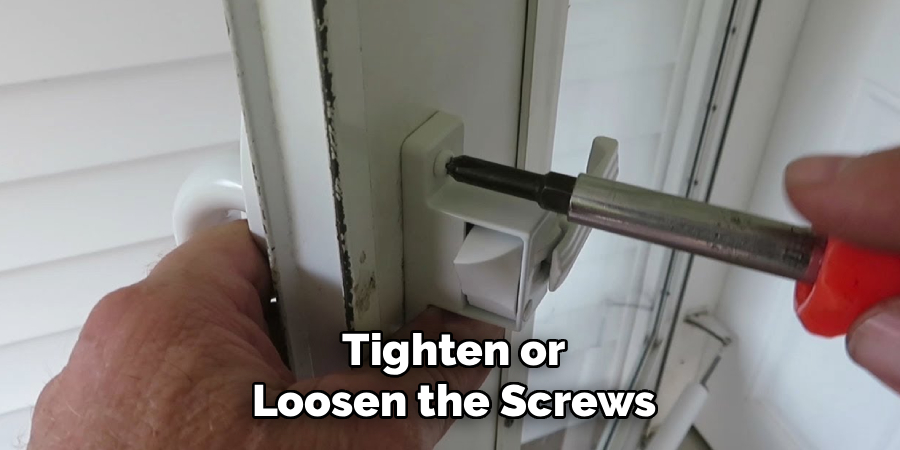
Conversely, if they seem excessively tight, try loosening them a quarter-turn. Sometimes, this slight adjustment is all that is needed to relieve pressure on the internal parts and allow the latch to move freely again, providing a simple answer for how to open locked screen door.
Step 5: Check the Door’s Alignment
A misaligned door is another frequent cause of a stuck latch. Houses settle over time, and door frames can shift slightly, preventing the latch from properly clearing the strike plate. To check the alignment, look at the gap between the door and the frame. Is it even from top to bottom? Examine the hinges; they may have loose screws that are causing the door to sag. Tightening the hinge screws can sometimes be enough to lift the door back into its proper position. If the door is visibly sagging, you may need to make more significant adjustments to the hinges to fix it.
Step 6: How to Open a Locked Screen Door by Removing the Handle
If lubrication and minor adjustments don’t work, you may need to remove the handle assembly. Look for the mounting screws on the interior side of the door handle. Carefully unscrew them and set them aside in a safe place. Once the screws are out, you should be able to gently pull the interior and exterior handle pieces away from the door. This will expose the internal lock mechanism. With the handles removed, try to manually manipulate the latch mechanism with a screwdriver or a pair of pliers to retract it and open the door.
Step 7: Address a Stuck Sliding Screen Door Lock
Sliding screen doors have different lock mechanisms, often a hook-style latch that engages with a keeper on the door jamb. If this type of door is stuck, the problem is often related to the rollers or the track. First, clean the track thoroughly, removing any dirt, pebbles, or debris that could be obstructing the door’s movement. Then, lubricate the track and the rollers at the top and bottom of the door. Sometimes, you may need to lift the door slightly to disengage a stuck latch or a jammed roller before it will slide freely again.
Step 8: When to Call a Professional
There comes a point where a DIY approach may not be enough. If you have tried all the previous steps and the door still won’t open, or if you’ve discovered a broken internal component, it is time to call a locksmith or a handyman.
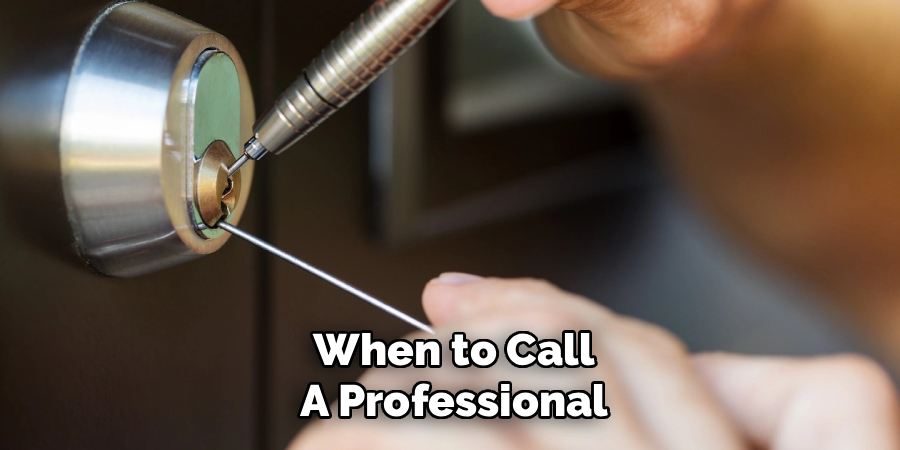
Forcing the issue can lead to more significant damage to the door or frame, resulting in a more expensive repair. A professional will have the specialized tools and expertise to diagnose complex problems, replace broken parts, and get your door working correctly without causing additional harm.
Frequently Asked Questions (FAQ)
How Do I Open a Locked Screen Door Without a Key?
If your screen door has a simple spring latch, you can often open it without a key by using a thin plastic card. Slide the card into the gap between the door and the frame, aiming for the latch. Pushing and wiggling the card can depress the latch and release the door. For more complex locks, applying a spray lubricant and attempting to jiggle the handle may work. If these methods fail, you might need to disassemble the handle.
Can I Replace a Screen Door Lock Myself?
Yes, replacing a screen door lock is a manageable DIY project for most homeowners. Replacement lock sets are widely available at hardware stores. The process typically involves unscrewing and removing the old handle and lock mechanism, then installing the new one in its place. Just make sure to purchase a replacement set that matches the specifications and screw hole placements of your existing lock to ensure a proper fit and easy installation.
What Is the Best Lubricant for a Screen Door Lock?
For screen door locks, a silicone-based spray lubricant is often the best choice. Unlike oil-based lubricants like WD-40, silicone spray does not attract as much dust and dirt, which is a major advantage for a lock exposed to the outdoors. It provides excellent lubrication for moving parts and also helps protect against moisture and rust. Graphite lubricant is another good option, especially for the keyway itself, but it can be messy to apply.
Why Is My Sliding Screen Door Hard to Open?
A sliding screen door that is hard to open is usually suffering from dirty or damaged rollers or a cluttered track. Start by thoroughly cleaning the bottom and top tracks to remove any debris. Next, lubricate the rollers and the track with a silicone spray. If it’s still difficult to move, the rollers may be worn out or broken and will need to be adjusted or replaced. You can typically access them by lifting the door off its track.
How Much Does It Cost to Fix a Locked Screen Door?
The cost can vary significantly. If you can fix it yourself with a can of lubricant (around $5-$10), the cost is minimal. A replacement lock set might cost between $20 and $50. If you need to hire a locksmith or handyman, you can expect to pay for a service call fee plus labor. This could range from $75 to $200 or more, depending on your location, the complexity of the problem, and the time required for the repair.
Conclusion
A locked screen door is a common household annoyance, but it doesn’t have to ruin your day. By following a systematic approach—inspecting the lock, applying lubricant, checking alignment, and using simple tools—you can resolve the issue in most cases. The key is to work patiently and avoid using excessive force that could cause more damage. With this guide, you now have the knowledge and confidence to tackle the problem on your own. Learning how to open locked screen door not only saves you money but also empowers you with valuable home repair skills.

About
Robert D is a distinguished figure in the world of Safety Systems and Risk Management, with a decade of expertise creating innovative and sustainable workplace solutions. His professional focus lies in merging traditional safety protocols with modern digital monitoring techniques, fostering environments that are both practical and hazard-conscious. As the lead author of SafetyRift, Robert delves into the art and science of risk mitigation, inspiring safety officers and industry professionals alike to bridge the gap between compliance and culture.
Education
RMIT University (Melbourne, Australia)
Associate Degree in Design (Industrial Safety)
-
Focus on sustainable safety infrastructure, industry-driven risk assessments, and practical implementation.
-
Gained hands-on experience with traditional hazard identification and digital monitoring tools, such as IoT safety sensors and predictive analytics software.
Nottingham Trent University (United Kingdom)
Bachelor’s in Occupational Health and Safety (Honors)
-
Specialized in systemic design with a focus on blending human behavior psychology with modern safety production techniques.
-
Participated in industry-wide projects, working with global logistics and manufacturing firms to gain real-world insights into large-scale safety deployments.
Publications and Impact
In SafetyRift, Robert shares his insights on safety design processes, protective materials, and strategies for efficient, accident-free production. His writing bridges the gap between foundational safety knowledge and modern industrial needs, making it a must-read for both budding safety coordinators and seasoned risk management professionals.