We have all been there. It’s 3:00 AM, the house is silent, and you are deep in a peaceful sleep. Suddenly, a sharp, piercing chirp echoes through the hallway. You wait, hoping it was a dream or a one-time glitch. But exactly sixty seconds later, it happens again. That relentless electronic chirp is one of the most frustrating sounds a homeowner can face, especially in the middle of the night.
Panic often sets in—not because of a fire, but because you just want the noise to end so you can go back to sleep. You might find yourself standing on a chair, groggy and annoyed, trying to figure out which device is the culprit. If you are frantically searching for how to get smoke detector to stop beeping, you have come to the right place. Ignoring the problem isn’t an option, and simply ripping the unit off the ceiling isn’t safe (though it is certainly tempting).
In this guide, we are going to walk through everything you need to know about silencing that noise safely and effectively. We will look at why these devices chirp, how to fix the immediate issue, and how to maintain them so you never have to wake up to that sound again. Let’s get that peace and quiet back into your home.
Step-by-Step Guide to Silencing Your Alarm
Dealing with a noisy smoke alarm is usually a process of elimination. These devices are designed to be annoying for a reason—they need to get your attention to save your life. However, when they malfunction or signal a low battery, that safety feature becomes a nuisance. Follow these steps to systematically diagnose and fix the issue.
Step 1: Initial Checks on How To Get Smoke Detector To Stop Beeping
Before you start pulling out ladders or buying batteries, take a moment to assess the situation. Is the sound a continuous, loud siren, or is it an intermittent chirp?
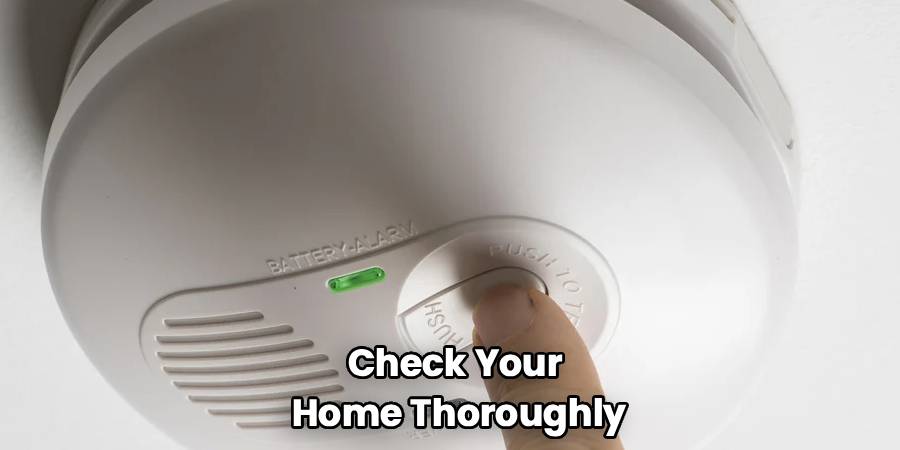
If it is a full-blown alarm (a continuous loud pattern), you must assume there is a fire or smoke presence until proven otherwise. Check your home thoroughly. Only when you are absolutely certain there is no fire should you proceed with silencing the unit.
If it is a “chirp” (a short beep every 30 to 60 seconds), this indicates a maintenance issue. This is the device telling you something is wrong with its power supply or sensors. Determining the difference is the first major step in figuring out how to get smoke detector to stop beeping without compromising your safety.
Step 2: Locate the Offending Unit
In a house with multiple hardwired smoke detectors, this step can be trickier than it sounds. Hardwired systems are interconnected, meaning if one goes off, they all might sound the alarm. However, for the low-battery chirp, usually only the specific unit with the dying battery will make noise.
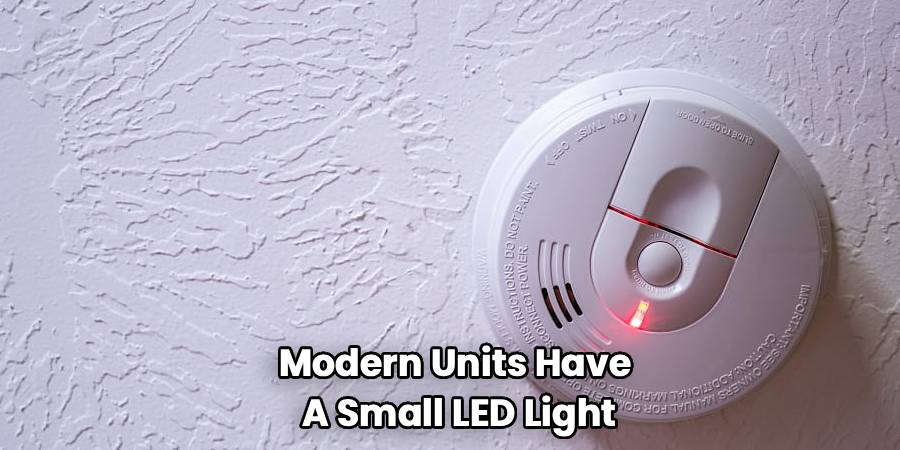
Walk underneath each detector in your home and wait. It requires patience. You have to stand still and listen for the chirp. Most modern units also have a small LED light. While the unit is chirping, look for a light that is flashing a different color (often red or amber) or flashing more frequently than the others. This visual cue confirms you have found the right one.
Step 3: Use the Silence or Test Button
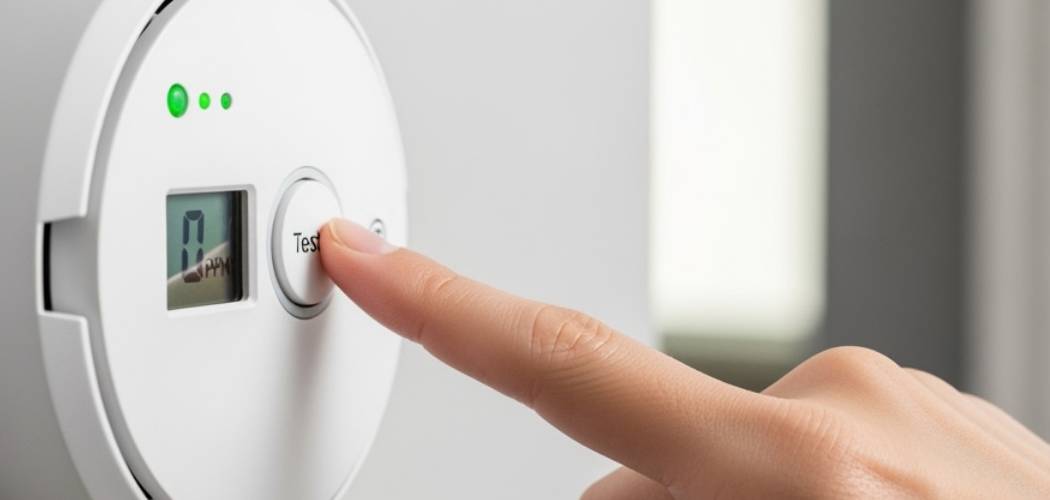
For an immediate, temporary fix, most modern smoke alarms come equipped with a “Hush,” “Silence,” or “Test” button. If the alarm is sounding due to a non-emergency trigger—like burnt toast or shower steam—pressing this button can give you a reprieve.
Hold the button down for a few seconds. If the cause was minor smoke or vapor, the alarm should silence for about 8 to 10 minutes. This gives the air time to clear. Note that this doesn’t fix a low battery issue; it only temporarily desensitizes the unit to smoke. If the chirping persists after the silence period ends, you need to move to the next steps.
Step 4: Replace the Batteries
This is the most common culprit. Even hardwired smoke detectors usually have a backup battery to ensure they work during a power outage. When this battery weakens, the detector will chirp to let you know it’s time for a change.
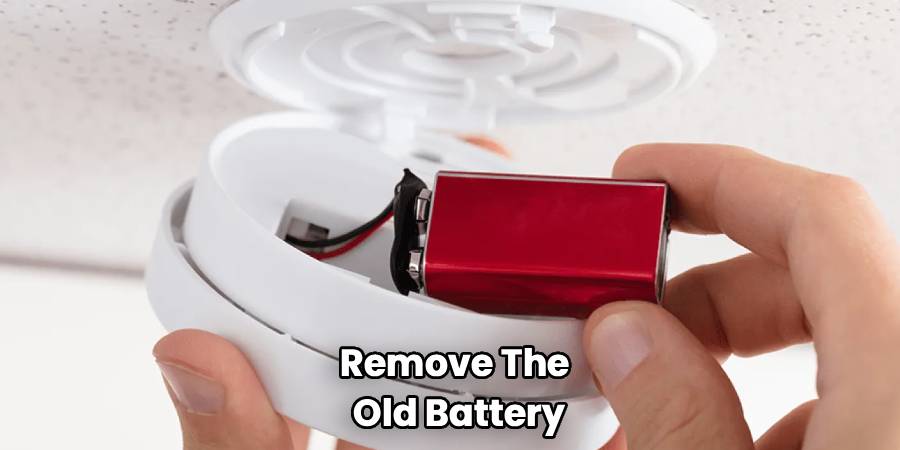
Open the battery compartment—some slide out, while others require you to twist the detector off its mounting bracket. Remove the old battery and replace it with a fresh, high-quality alkaline or lithium battery. Avoid rechargeable batteries, as their voltage drop-off characteristics don’t always work well with smoke detectors.
Pro Tip: If you have a “sealed battery” smoke alarm (often with a 10-year lithium battery), you cannot replace the battery. If this unit is chirping and it’s not an alarm event, the entire unit has reached its end of life and must be replaced.
Step 5: Reset the Smoke Detector
Sometimes, a smoke detector gets “confused” and holds onto an error code even after you have fixed the problem (like changing the battery). You need to perform a hard reset to clear its memory.
Here is how to reset smoke detector logic:
- Disconnect the Power: If it’s hardwired, turn off the breaker or unplug the harness from the back of the unit. If it’s battery-only, just remove the battery.
- Drain the Power: With the battery out and power disconnected, press and hold the “Test/Silence” button for 15 to 20 seconds. You might hear a weak beep as the residual charge drains from the capacitors.
- Reassemble: Put the fresh battery back in and reconnect the wiring harness.
- Test: The unit should chirp once when power is restored. Press the test button again to ensure it’s working properly.
Step 6: Clean the Sensors
Dust is the silent killer of smoke detector functionality. Over time, dust, cobwebs, and even tiny insects can make their way into the sensing chamber.
In a photoelectric smoke alarm, dust particles can reflect light onto the sensor, tricking it into thinking there is smoke. In ionization alarms, dust can interrupt the electrical current, causing false positives.
Take your vacuum cleaner with a soft brush attachment and gently run it around the openings of the smoke detector. Alternatively, you can use a can of compressed air to blow out the vents. This simple maintenance step is often overlooked but solves a surprisingly high percentage of false alarms.
Step 7: Check for Environmental Interferences
Sometimes the location of the detector is the problem. If your smoke alarm is installed too close to a bathroom, steam from a hot shower can trigger it. Similarly, if it is too close to the kitchen, cooking fumes are a constant trigger.
Drafts from windows, ceiling fans, or air conditioning vents can also cause issues. They can blow dust into the sensor or disrupt the airflow, causing erratic behavior. If you have cleaned the unit and changed the battery but it keeps chirping, assess its location. You might need to move it a few feet away from the air vent or bathroom door.
Step 8: Check the Expiration Date
Smoke detectors do not last forever. The sensors inside them degrade over time. The industry standard lifespan for a smoke detector is 10 years.
Remove the detector from the ceiling and look at the back label. You should see a “Manufacture Date.” If that date was more than 10 years ago, no amount of battery changing or cleaning will stop the beeping for long. The unit is signaling that it has reached the end of its operational life. It is time to head to the hardware store and buy a new one.
Frequently Asked Questions
Smoke alarms seem simple, but they can be surprisingly complex little devices. When they start acting up, it brings up a lot of questions. Here are the most common inquiries we see regarding smoke alarm maintenance and troubleshooting.
Why does my smoke detector only beep at night?
This is a classic phenomenon that drives homeowners crazy. Why does it always seem to happen at 3:00 AM? The answer lies in basic chemistry and physics.
Batteries operate via a chemical reaction. As a battery gets older and loses power, its internal resistance increases and its voltage output drops. However, temperature also plays a huge role. Lower temperatures slow down the chemical reaction inside the battery, causing a dip in voltage.
Most homes are coolest in the middle of the night, between 2:00 AM and 4:00 AM. A battery that was borderline “low” during the warm afternoon might dip just below the critical voltage threshold when the house cools down at night. This triggers the low-battery chirp. Once the house warms up in the morning, the battery voltage might recover slightly, and the chirping stops, only to return the next night.
Why is my alarm chirping even with a new battery?
There are a few reasons why you might still hear chirping after a battery swap:
- The Reset Wasn’t Performed: As mentioned in the step-by-step guide, some units hold an error code in their memory. You must drain the residual power by holding the test button while the battery is out.
- Battery Drawer Issues: On some models, the battery drawer must be fully closed and latched for the unit to engage. If it’s slightly ajar, the terminal contacts won’t touch, and the unit thinks there is no battery.
- Wrong Battery Type: Some detectors are picky. Using heavy-duty (zinc-carbon) batteries instead of alkaline or lithium can cause issues. Always check the user manual for the specific recommended battery type.
- Terminal Corrosion: Check the metal contacts inside the battery compartment. If there is old battery acid or corrosion, the fresh battery won’t make a good connection.
How do I stop a hardwired smoke alarm from chirping?
Troubleshooting smoke alarm issues in hardwired systems is slightly different because they have two power sources: the house electricity (120v) and the backup battery.
If a hardwired unit is chirping, it is almost always the backup battery that needs replacing. The house power keeps the alarm running, but the unit constantly checks the health of the backup battery. Even if your power is on, a dead backup battery will cause a chirp.
If you change the battery and it still chirps, check the breaker. If the breaker to the smoke detector circuit has tripped, the unit is running solely on battery power, which drains it quickly. Ensure the green light (AC power indicator) on the unit is lit.
Can humidity cause smoke alarms to go off?
Absolutely. High humidity and steam are dense, much like smoke particles. When dense, humid air enters the sensing chamber, it scatters the light in photoelectric sensors or increases the density of the air in ionization sensors, triggering the alarm.
This is common in summers with high humidity or if a detector is placed right outside a bathroom door. If you live in a very humid climate, consider using a photoelectric alarm near bathrooms, as they are generally slightly less prone to steam triggers than ionization models, though both can be affected.
What is the difference between an ionization and a photoelectric smoke detector?
Understanding this can help you buy the right replacement.
- Ionization Alarms: These are generally more responsive to flaming fires (like a grease fire or burning paper). They contain a tiny amount of radioactive material that ionizes the air. Smoke disrupts this current. They are notorious for false alarms caused by cooking.
- Photoelectric Alarms: These are more responsive to smoldering fires (like a cigarette on a couch). They use a light beam and a sensor. When smoke enters, it reflects light onto the sensor. They are generally less prone to false alarms from cooking but are sensitive to dust.
For the best protection, safety experts recommend having both types in your home, or “dual-sensor” alarms that combine both technologies.
Is it safe to just unplug the detector to stop the noise?
It is understandable that you want the noise to stop, but simply unplugging the unit or removing the battery and leaving it disabled is dangerous. A disconnected smoke detector cannot protect you.
If you must disable it to maintain your sanity (for example, if you don’t have a replacement battery at 3:00 AM), make it a priority to fix it immediately the next morning. Set a reminder on your phone or leave the unit on the kitchen counter so you don’t forget. Never leave a smoke detector spot on the ceiling empty for more than a few hours.
Conclusion
Now that you know how to get smoke detector to stop beeping, you can sleep soundly again without the fear of that rhythmic chirp interrupting your dreams. A beeping alarm is annoying, but it is also a vital communicator—a sign that your home’s safety system needs a little attention.
Whether it is a simple battery swap, a good cleaning to remove dust, or replacing an old unit that has done its duty for a decade, maintaining your smoke alarms is one of the easiest ways to protect your family. Don’t let the frustration of the noise lead you to disable the device permanently. A quiet smoke detector is good, but a working one is essential. Take a few minutes today to check your alarms, and enjoy the peace of mind that comes with a safe, silent home.