Installing a new security door is an excellent way to enhance your home’s safety and curb appeal. However, before you can enjoy the peace of mind that comes with a high-quality security door, you need to ensure it fits perfectly. An ill-fitting door can create gaps that compromise security, cause frustrating operational issues like sticking or jamming, and ultimately undermine the entire investment.
This is why knowing how to measure for a security door is a crucial first step. Taking precise measurements ensures a seamless installation and optimal performance for years to come. This guide will walk you through the entire process, providing clear, expert advice to help you get it right the first time.
Step-by-Step Guide to Perfect Security Door Measurements
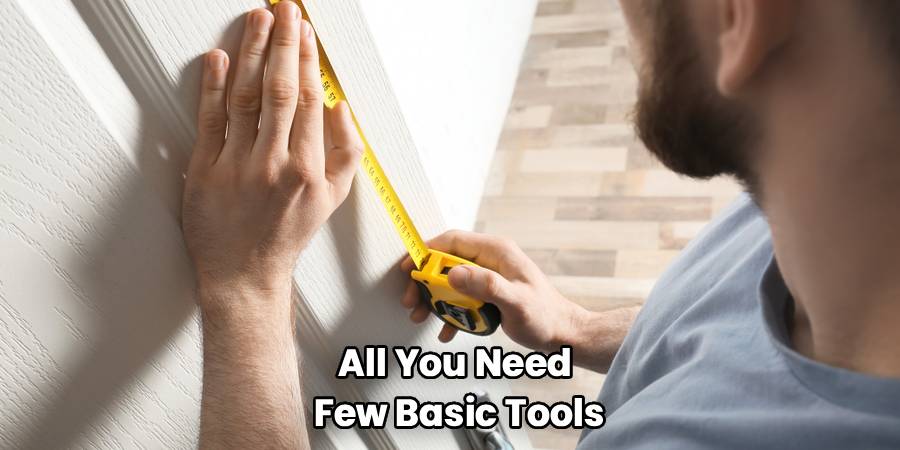
Measuring for a new security door might seem intimidating, but it’s a straightforward process when you break it down into simple steps. All you need are a few basic tools and a bit of patience. Before you begin, gather a quality tape measure, a pencil, and a notepad to jot down your numbers. For best results, it’s also wise to have a spirit level on hand to check the alignment of your door frame. Taking accurate security door measurements is the foundation of a successful installation.
Step 1: Measure the Width of the Door Frame
The first and most critical measurement is the width of your door opening. It’s a common mistake to measure only one spot, but door frames are not always perfectly uniform. To get a complete picture, you need to measure the width at three different points.
Start by placing your tape measure at the top of the door frame, stretching it from the inside of one side jamb to the inside of the other. Record this number on your notepad. Next, repeat this process in the middle of the frame. Finally, take a third width measurement at the bottom of the opening, just above the threshold or sill.
Once you have three width measurements (top, middle, and bottom), compare them. You should use the narrowest of these three measurements as your final width. This is a crucial detail. Using the narrowest dimension ensures that your new security door will fit into the opening without binding or needing forced adjustments, even if the frame has slight imperfections.
Step 2: Measure the Height of the Door Frame
Similar to measuring the width, you’ll need to measure the height in multiple locations to account for any variations. The floor or threshold beneath a door isn’t always perfectly level, so taking measurements on both sides is essential.
Begin on the left side of the door frame. Extend your tape measure from the bottom of the head jamb (the top part of the frame) down to the top of the sill or threshold where the door will rest. Write this measurement down. Now, move to the right side of the frame and repeat the process, measuring from the underside of the head jamb down to the threshold.
You now have two height measurements. As with the width, you should use the shortest of the two measurements as your definitive height. This prevents the door from dragging on the floor or getting stuck at the top, ensuring a smooth swing from day one. Taking the time to measure both sides guards against installation headaches caused by an uneven floor.
Step 3: Check the Door Frame for Square and Plumb
This step is often overlooked, but it is vital for the long-term functionality of your security door. A door frame that isn’t “square” (perfect 90-degree corners) or “plumb” (perfectly vertical) can cause the door to hang incorrectly, leading to gaps or difficulty closing and locking.
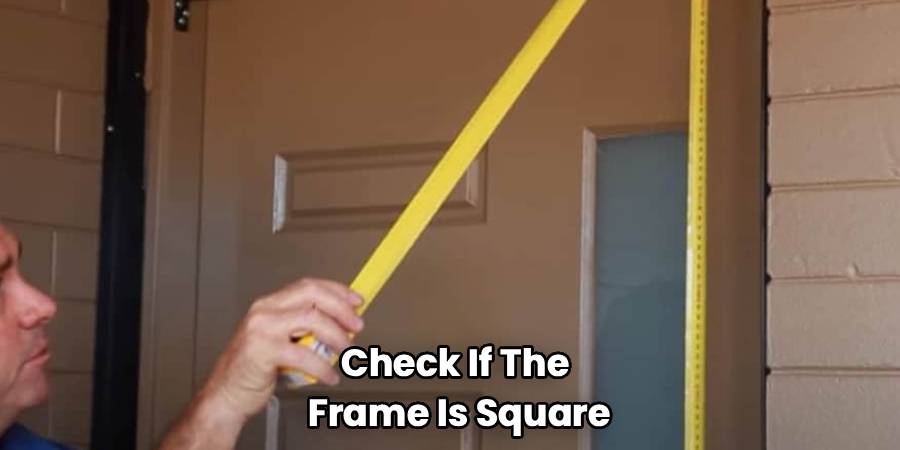
First, let’s check if the frame is square. You can do this with your tape measure. Measure diagonally from the top left corner of the door frame to the bottom right corner. Record this number. Then, measure from the top right corner to the bottom left corner. In a perfectly square frame, these two diagonal measurements will be identical. If they are slightly different, make a note of it. A small variance might be acceptable, but a significant difference indicates the frame is out of square.
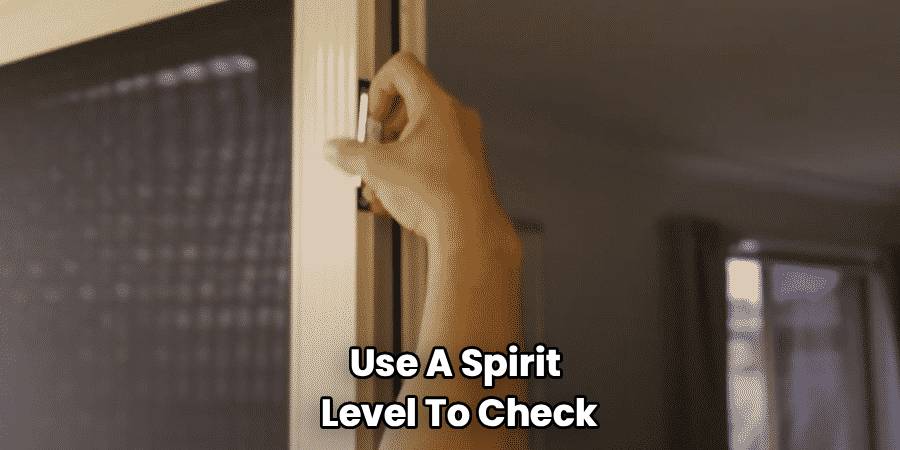
Next, use a spirit level to check if the side jambs are plumb. Place the level vertically against the inside face of the left jamb. The bubble should be centered. Do the same for the right jamb. Then, place the level horizontally against the underside of the head jamb to ensure it is level. Minor imperfections in door frame alignment can often be corrected with shims during installation, but it’s important to know about them beforehand.
How To Measure For A Security Door: Optional Depth Measurement
For some installations, especially if you are fitting a security door within an existing door frame alongside your primary door, you may need to measure the depth of the jamb. This measurement ensures there is enough clearance for both doors to operate without interference.
To measure the jamb depth, place your tape measure on the exterior edge of the jamb and measure to the interior edge. This isn’t always a required measurement, but it is good information to have, particularly for more complex setups or custom orders. It helps the manufacturer or installer understand the complete dimensions of your entryway.
Step 5: Double-Check and Review Your Measurements
This final step is your last line of defense against costly mistakes. Go back and review all the numbers you’ve written down. Are they clear and legible? Did you label each one (e.g., “top width,” “left height”)?
Now, take all the measurements again. It might feel repetitive, but confirming your numbers can save you from the major inconvenience of ordering a door that doesn’t fit. Compare your second set of measurements to the first. If they match, you can be confident in their accuracy. When you’re ready to order your door, provide these precise figures. Remember to always provide the narrowest width and the shortest height. This detailed approach is the professional secret to learning how to measure for a security door correctly and avoiding installation delays.
Frequently Asked Questions
Here are answers to some common questions that arise when measuring for a new security door.
What are the most common mistakes when measuring for a security door?
The most frequent error is taking only one measurement for width and height. Door frames are rarely perfectly symmetrical, so measuring at the top, middle, and bottom for width, and on the left and right for height, is non-negotiable. Another common mistake is forgetting to use the smallest measurement for both width and height, which can lead to a door that is too large for the opening. Finally, some people forget to check if the frame is square and plumb, which can cause significant operational issues later on.
Do I need special measuring tools for doors?
For a standard DIY measurement, you don’t need highly specialized equipment. A sturdy, retractable tape measure (at least 25 feet long) is the most important tool. A spirit level is also highly recommended to check the frame’s alignment. A simple notepad and pencil are sufficient for recording your findings. While professionals may use laser measuring devices for ultimate precision, a careful measurement with a standard tape measure is perfectly adequate for most homeowners.
Should I measure the old door or the door frame?
Always measure the door frame opening, not the old door itself. The existing door may have been trimmed or adjusted to fit an imperfect frame, so its dimensions might not reflect the true size of the opening. Measuring the frame from jamb to jamb (for width) and from head jamb to threshold (for height) provides the accurate dimensions needed to order a new door that will be properly fitted to the space.
What if my door frame is not perfectly square?
It’s very common for door frames, especially in older homes, to be slightly out of square. If your diagonal measurements are off by a small amount (e.g., less than a quarter of an inch), it’s usually not a major issue. The installer can often use shims—thin wedges of wood or composite material—to adjust the door during installation, ensuring it hangs straight and operates smoothly. If the frame is severely out of square, you may need to consult a professional carpenter to correct the frame before a security door can be installed properly.
Conclusion
Knowing how to measure for a security door is the most important step in ensuring your investment enhances your home’s safety and value. By following these detailed steps—measuring the width and height in multiple places, checking the frame for squareness, and double-checking all your numbers—you can provide accurate dimensions for a perfect fit.
Taking precise security door measurements yourself empowers you to understand your home’s needs and communicate them clearly, whether you’re ordering a standard door or commissioning a custom one. With these careful measurements in hand, you are well on your way to a seamless installation and the lasting security you deserve.