
Have you ever found yourself in a situation where you need to access a vending machine but the key is nowhere to be found? Whether you’re a machine owner who has misplaced a key, a maintenance professional, or someone authorized to access the machine for restocking, being unable to open it can be a significant obstacle.
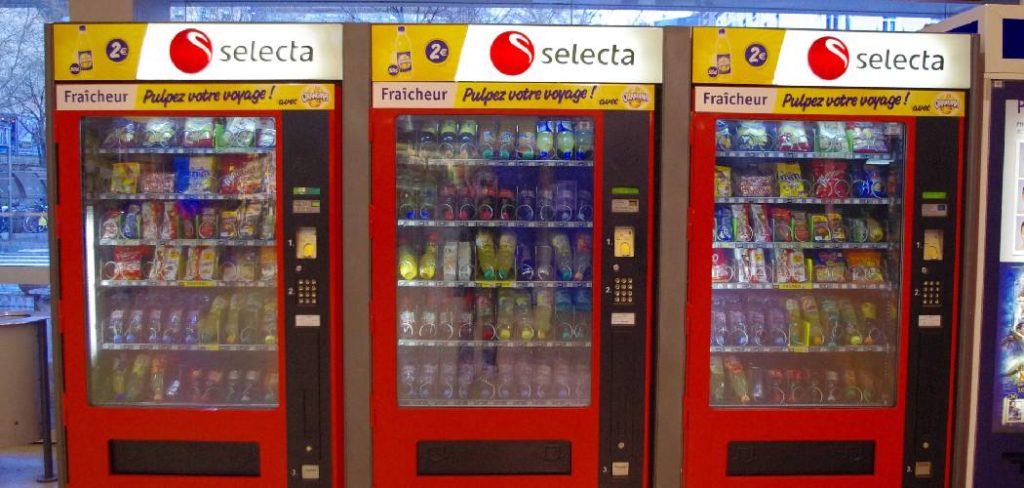
This guide provides a detailed, step-by-step approach for authorized individuals on how to open a vending machine without a key. It is important to emphasize that these methods should only be used by those who have a legal right to access the machine. This article is intended for educational purposes for owners and operators facing a lockout.
Why Understanding This Process Matters
Knowing how to access a vending machine when a key is lost is a crucial skill for any owner or operator. Keys can be misplaced, stolen, or broken, and waiting for a replacement can lead to lost revenue and customer dissatisfaction. Understanding non-destructive entry methods ensures that you can perform necessary maintenance, restock products, or retrieve jammed money without damaging your valuable equipment. This knowledge empowers you to manage unexpected situations efficiently, saving you both time and the potential cost of hiring a professional locksmith. Being prepared for a lockout scenario is a fundamental part of responsible vending machine ownership and management, ensuring your business continues to run smoothly.
7 Step-by-Step Guide on How to Open a Vending Machine without a Key
Step 1: Identify the Lock Type
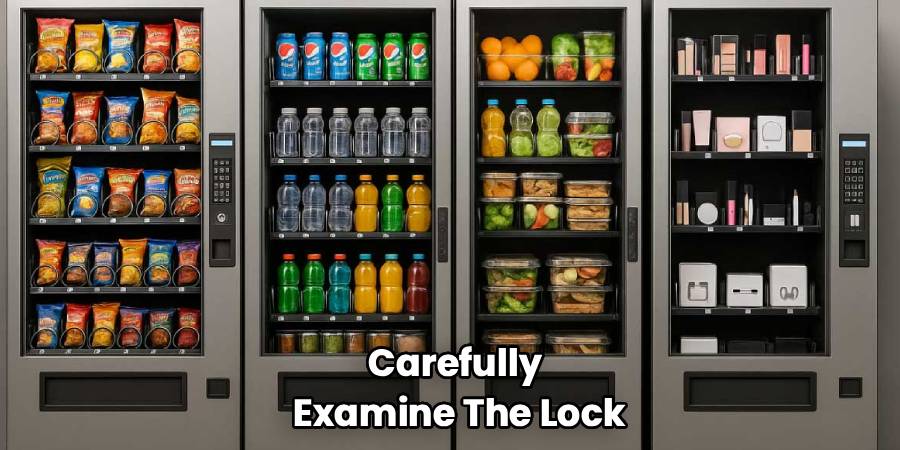
Before attempting any entry method, your first step is to carefully examine the lock. Vending machines typically use one of two main types: a tubular lock or a standard flat key lock. A tubular lock is circular with a keyhole in the center, requiring a special cylindrical key. A flat key lock resembles the locks you might find on a filing cabinet or a simple door. Identifying the correct type is essential because the tools and techniques required for each are different. Take a moment to inspect the lock mechanism closely. This initial assessment will guide your next steps and increase your chances of successfully opening the machine without causing damage.
Step 2: Acquire a Tubular Lock Pick
If you have identified a tubular lock, your next action is to obtain a tubular lock pick. These specialized tools are designed to manipulate the pins inside a cylindrical lock. They are available in various sizes, most commonly 7-pin, 8-pin, or 10-pin configurations, corresponding to the number of pins in the lock. You must match the pick to the specific lock on your machine. Tubular lock picks can be purchased from locksmith supply stores or online. Using the correct size is non-negotiable for success. Attempting to use the wrong size pick will be ineffective and could potentially damage the delicate internal components of the lock.
Step 3: Learn the Tubular Lock Picking Technique
Using a tubular lock pick requires a gentle and patient approach. Begin by inserting the pick into the lock as far as it will go. Ensure the pick’s alignment collar is pressed firmly against the face of the lock. Once it is properly seated, gently turn the pick left and right. This slight wiggling motion allows the individual needles of the pick to set the lock’s internal pins to the correct shear line. You may need to apply very light, consistent turning pressure as you wiggle the tool. You will feel a distinct “give” or click when the lock disengages. Practice and a delicate touch are key here.
Step 4: Try Using a Simple Rake Pick for Flat Locks
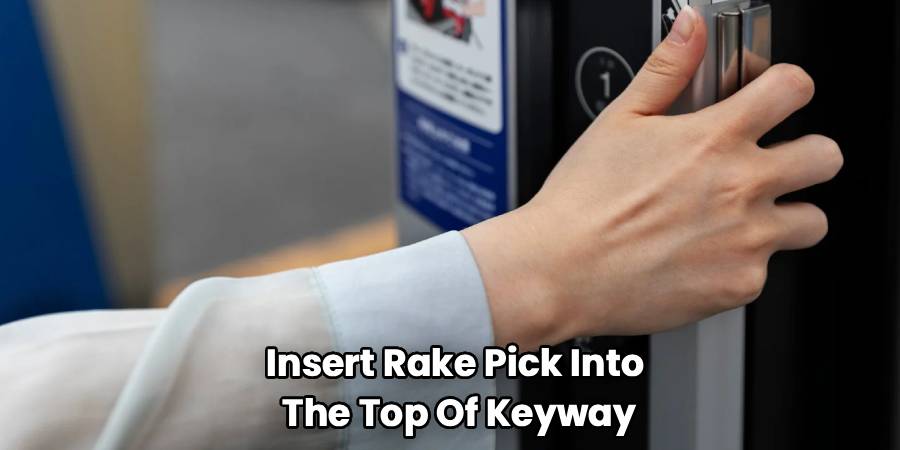
If your machine has a standard flat key lock, a different set of tools is needed. The most basic method involves using a simple rake pick and a tension wrench, which are standard components of any beginner’s lock-picking set. Insert the tension wrench into the bottom of the keyway and apply very light, steady rotational pressure in the direction you would normally turn the key to unlock it. Then, insert the rake pick into the top of the keyway. The goal is to “rake” the pick in and out over the pins, essentially bumping them into place while maintaining tension.
Step 5: How to Open a Vending Machine without a Key Using Single-Pin Picking
For more complex flat key locks, single-pin picking may be necessary. This technique offers more precision than raking but requires more skill and patience. With your tension wrench applying light pressure, use a hook-shaped pick to individually lift each pin inside the lock to the shear line. You will need to feel for the pins and lift them one by one. As each pin sets correctly, you might hear a faint click, and the tension wrench may turn slightly. You must work your way from the back of the lock to the front, setting each pin in order. This is a methodical process that takes practice to master.
Step 6: Create a Shim from a Beverage Can
In some situations, particularly with older or less secure machines, a simple shim can be surprisingly effective. You can create a shim by cutting a thin, rectangular piece of metal from an aluminum beverage can. The piece should be about an inch wide and a few inches long. Carefully slide this shim into the gap between the vending machine door and its frame, right next to the locking mechanism. Your goal is to bypass the latch itself rather than the lock. Gently work the shim up and down to see if you can push the latch bolt back and release the door.
Step 7: Consider a Professional Locksmith
If you have tried the methods above without success or are not comfortable attempting them, the best course of action is to call a professional locksmith. A skilled locksmith has the expertise and specialized tools to open almost any vending machine lock quickly and without causing any damage to your property. While this option involves a cost, it eliminates the risk of you accidentally breaking the lock or damaging the machine’s door, which could lead to far more expensive repairs. For owners who value their time and want a guaranteed solution, a locksmith is often the most efficient and reliable choice.
Prevent Future Lockouts
To avoid future lockouts, it’s important to implement preventive measures. Start by creating and securely storing duplicate keys in a safe location that is easily accessible to you or trusted personnel. Consider maintaining a log of keyholders to ensure accountability and track access. Additionally, regularly inspect the vending machine lock for signs of wear or damage, as faulty locks can increase the risk of being locked out. If possible, upgrade to high-security locks or even electronic locking systems that offer greater convenience and control. By taking these simple precautions, you can minimize downtime and disruptions caused by lockouts.
Frequently Asked Questions
Is It Legal to Open a Vending Machine That Is Not Mine?
No, it is illegal. Opening a vending machine that you do not own or have explicit permission to access is considered theft, burglary, or vandalism, depending on the jurisdiction. The methods described in this article are strictly for owners, operators, and authorized technicians who are locked out of their own equipment. Attempting to access a machine that is not yours can lead to serious legal consequences, including fines and imprisonment. Always respect property laws.
Can a Drill Be Used to Open a Vending Machine Lock?
Yes, drilling the lock is a destructive but effective last-resort method. This technique will permanently destroy the lock, requiring you to purchase and install a replacement. To do this, you would use a drill with a hard metal bit to drill through the center of the lock mechanism, destroying the internal pins and allowing you to turn the cylinder. This should only be attempted if all other non-destructive methods have failed and you are prepared to replace the lock.
What Is the Easiest Way to Open a Vending Machine without a Key?
For tubular locks, the easiest method for an authorized person is using a correctly sized tubular lock pick. These tools are designed for this specific purpose and can open the lock in seconds with minimal practice. For simpler flat key locks, using a rake pick and tension wrench is often the quickest non-destructive technique. However, the absolute easiest and safest method is to call a professional locksmith, who can guarantee access without risk of damage.
Will These Methods Damage the Vending Machine?
Non-destructive methods like lock picking or shimming, when performed correctly, will not damage the lock or the machine. The goal of these techniques is to bypass the lock without altering its function. However, incorrect technique, excessive force, or using the wrong tools can potentially damage the delicate pins inside the lock. Destructive methods, such as drilling the lock, will intentionally destroy the locking mechanism, necessitating its replacement.
Where Can I Get a Replacement Vending Machine Key?
If you know the code for your lock, you can order a replacement key directly from the vending machine manufacturer or a locksmith supplier. The lock code is typically stamped on the face of the lock itself or may be in the machine’s original paperwork. If you cannot find the code, a locksmith can often create a new key for the existing lock after they have successfully opened it for you, which can be more cost-effective than replacing the entire lock.
Conclusion
Facing a lockout from your own vending machine can be frustrating, but it is a manageable problem. By understanding the type of lock you are dealing with and patiently applying the correct techniques, you can often regain access without damaging your equipment. From using a tubular pick to shimming the latch, authorized owners have several options at their disposal. Remember to proceed with caution and patience. If these methods seem too complex or if you are concerned about causing damage, calling a professional locksmith is always a wise decision. Ultimately, knowing how to open a vending machine without a key is a valuable skill that empowers you to keep your business running smoothly.

About
Robert D is a distinguished figure in the world of Safety Systems and Risk Management, with a decade of expertise creating innovative and sustainable workplace solutions. His professional focus lies in merging traditional safety protocols with modern digital monitoring techniques, fostering environments that are both practical and hazard-conscious. As the lead author of SafetyRift, Robert delves into the art and science of risk mitigation, inspiring safety officers and industry professionals alike to bridge the gap between compliance and culture.
Education
RMIT University (Melbourne, Australia)
Associate Degree in Design (Industrial Safety)
-
Focus on sustainable safety infrastructure, industry-driven risk assessments, and practical implementation.
-
Gained hands-on experience with traditional hazard identification and digital monitoring tools, such as IoT safety sensors and predictive analytics software.
Nottingham Trent University (United Kingdom)
Bachelor’s in Occupational Health and Safety (Honors)
-
Specialized in systemic design with a focus on blending human behavior psychology with modern safety production techniques.
-
Participated in industry-wide projects, working with global logistics and manufacturing firms to gain real-world insights into large-scale safety deployments.
Publications and Impact
In SafetyRift, Robert shares his insights on safety design processes, protective materials, and strategies for efficient, accident-free production. His writing bridges the gap between foundational safety knowledge and modern industrial needs, making it a must-read for both budding safety coordinators and seasoned risk management professionals.