
It’s a quiet Tuesday. You’re at work, your kids are at school, and your house sits empty for eight hours. Somewhere nearby, someone is walking your street, glancing at doors. They’re looking for one thing: the easy target.
Most burglars don’t pick locks or smash windows. They walk in through an unlocked door, or slip in through a window you forgot to latch. The whole thing takes minutes.
That’s the part that stings. A break-in isn’t just about stolen electronics. It’s the feeling that your safe place stopped being safe.
Here’s the good news: most burglaries are preventable. You don’t need a fortress or a huge budget.
In this guide, you’ll learn exactly how to prevent house burglary — how to secure your doors and windows, use smart tech that actually works, set up outdoor deterrents, and build daily habits that keep intruders away.
Let’s make your home the one they skip.
Why Burglars Choose One House Over Another
A burglar makes a decision in seconds. They’re not looking for a challenge. They’re looking for the fastest way in and out without getting caught.
Think about what they see when they scan your street.
They notice the house with the open garage, the piled-up mail, the dark front porch, and the window left cracked. Then they notice the house next door — lights on a timer, a camera by the door, a locked gate.
Guess which one they pick.
Burglars want three things to be easy: getting in, staying hidden, and getting out fast. Take away any one of those, and you stop being worth the risk.
Here’s what makes a home a target:
- Easy access — unlocked doors, ground-floor windows, weak locks
- Cover — tall bushes, dark corners, no visibility from the street
- Signs no one’s home — dark windows, uncollected packages, silence
- Visible valuables — laptops, cash, or jewelry seen through a window
The goal of home burglary prevention isn’t to make your house impossible to enter. It’s to make it harder than the house next door.
In short: burglars pick the easy target, so your job is to stop looking like one.
Securing Your Entry Points
Your doors and windows are the front line. Most break-ins happen here, and most are shockingly easy to prevent.
Start with the spot burglars love most: the front door.
Lock Down Your Doors
A door is only as strong as its weakest part. A great lock means nothing if the frame splinters on the first kick.
Here’s how to harden every exterior door:
- Install a deadbolt on every exterior door. A Grade 1 or Grade 2 deadbolt resists forced entry far better than a basic lock.
- Reinforce the strike plate. Swap the short screws for 3-inch screws that reach deep into the door frame. This one fix stops most kick-ins.
- Add a door reinforcement kit if your frame feels flimsy. It spreads the force of a kick across a wider area.
- Fit a wide-angle peephole or a video doorbell so you can see who’s there without opening up.
- Never hide a spare key under the mat or a flowerpot. Burglars check these first. Give a spare to a trusted neighbor instead.
Warning: A chain lock is not real security. It snaps under a hard shove. Rely on a deadbolt, not a chain.
Protect Your Windows
Windows are the second most common way in, especially on the ground floor.
- Lock every window, even the ones upstairs. Latches count as locks.
- Add window security film to the glass. It holds shattered panes together, slowing entry and making noise.
- Use dowel rods or pin locks on sliding windows so they can’t be pried open.
- Plant thorny bushes under ground-floor windows — a natural, prickly deterrent.
Don’t Forget the Garage and Back Doors
The garage is the door people forget. An open garage is an open invitation.
Keep the garage door closed, even when you’re home. Cover any garage windows so no one can peek at your car or tools. And treat the door between your garage and house like any other exterior door — give it a deadbolt too.
In short: lock what you have, reinforce what’s weak, and stop hiding keys.
Smart Home Security That Actually Helps
Technology has made preventing break-ins easier and cheaper than ever. You don’t need a monthly contract or a wall of monitors.
The trick is picking the right tools for your home and budget.
Cameras and Video Doorbells
A visible camera is one of the best deterrents you can buy. Burglars hate being recorded.
Mount cameras where they’re easy to see — by the front door, the driveway, and any back entrance. A video doorbell does double duty: it records visitors and lets you answer the door from your phone, so it always looks like someone’s home.
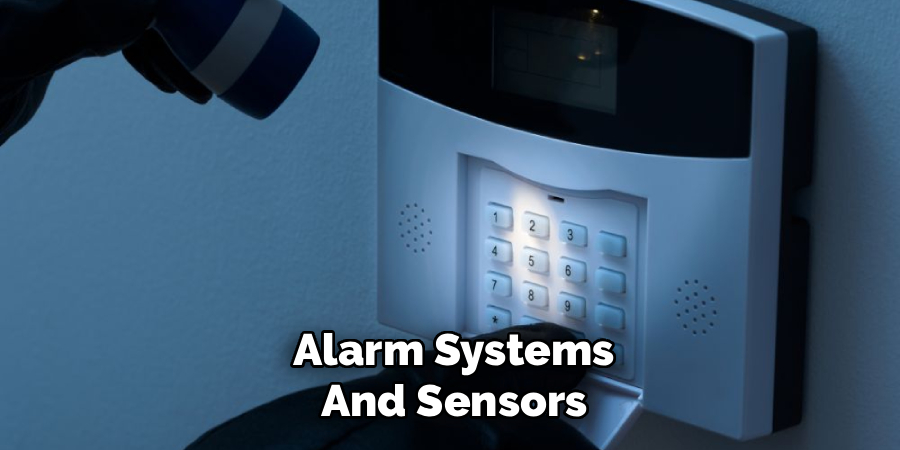
Alarm Systems and Sensors
An alarm turns a quiet break-in into a loud, risky one. That noise alone sends most intruders running.
- Door and window sensors trigger when someone opens an entry point.
- Motion sensors catch movement inside empty rooms.
- A loud siren draws attention and shortens any burglar’s stay.
- Monitored systems alert a response team or the police automatically.
Smart Lighting and Plugs
Lights that switch on and off make your home look lived-in, even when you’re away.
Set smart bulbs or smart plugs to turn lamps on at dusk and off at bedtime. Vary the timing so it looks natural, not robotic. A dark house says “empty.” A lit house says “someone’s home.”
Here’s how the main security options compare:
| Feature | DIY Camera System | Monitored Alarm | Smart Lighting |
| Upfront cost | Low to medium | Medium | Low |
| Monthly fee? | Optional | Usually yes | None |
| Deters burglars? | Yes, if visible | Yes | Yes |
| Alerts you remotely? | Yes | Yes | Limited |
| Calls for help? | No | Yes | No |
| Best for | Renters, budget setups | Full protection | Faking presence |
Many people combine all three. A camera to deter, an alarm to respond, and lighting to fake presence — together they cover every gap.
In short: visible tech scares burglars off before they ever reach your door.
Outdoor Deterrents and Curb Appeal
What’s outside your house matters as much as what’s inside. Burglars study the exterior before they ever touch a door.
Your yard can either invite them in or warn them off.
Cut Off Their Hiding Spots
Burglars need cover. Take it away.
- Trim tall bushes and trees near windows and doors. Keep shrubs below three feet.
- Clear the path between the street and your entry points so neighbors can see clearly.
- Remove ladders, bins, and tools that could help someone climb or break in.
Light Up the Dark
Darkness is a burglar’s best friend. Bright light is your best defense.
Install motion-activated floodlights at every entry point and dark corner. A sudden burst of light when someone approaches is startling — and it draws every neighbor’s eye.
Keep a low, steady light near the front door overnight too. Consistent lighting signals that someone’s paying attention.
Send the Right Signals
Small signs tell a burglar you take security seriously.
- Post a security sticker or yard sign, even a simple one.
- Fence your yard and keep gates latched.
- Add gravel paths near entry points — the crunch makes silent approach impossible.
In short: a bright, open, well-signaled yard tells burglars to move along.
Daily Habits That Prevent Break-Ins
The best security system fails if you forget to use it. Habits close the gaps that gear can’t.
These cost nothing and matter more than any gadget.
Lock Up, Every Time
It sounds obvious, but a huge share of burglaries happen through unlocked doors.
Make locking up automatic. Lock the door the moment you walk in, and check every door and window before bed and before you leave. Build it into your routine like brushing your teeth.
Don’t Advertise That You’re Away
Burglars watch for signs of an empty house.
- Pause mail and package delivery when you travel, or ask a neighbor to collect them.
- Skip the vacation posts on social media until you’re back home.
- Use timers on lights and a radio to fake activity.
- Keep one car in the driveway if you can.
Know Your Neighbors
A watchful neighbor is free security that never sleeps.
Trade phone numbers with the people next door. Ask them to keep an eye out when you travel, and do the same for them. A neighborhood watch turns a whole street into a network of eyes.
In short: consistent habits protect you on the days you forget to worry.
Common Mistakes and Troubleshooting
You’ve got the plan. Now let’s make sure it actually works. These are the mistakes people make most — and exactly how to fix each one.
Mistake 1: Relying on the Lock That Came with the Door
Why it happens: The builder’s lock feels sturdy, so you assume it’s enough.
The cost: Most factory strike plates use short screws that barely grip the frame. One hard kick splits the wood, and the “secure” door swings open. The lock never even failed — the frame did.
The fix: Add a Grade 1 or 2 deadbolt and swap those short screws for 3-inch ones. It costs a few dollars and stops the most common forced entry cold.
Mistake 2: Hiding a Spare Key Outside
Why it happens: Locking yourself out is a real fear, so a hidden key feels smart.
The cost: Burglars know every hiding spot — the mat, the fake rock, the flowerpot, the top of the door frame. A hidden key hands them a legal-looking way in with zero effort.
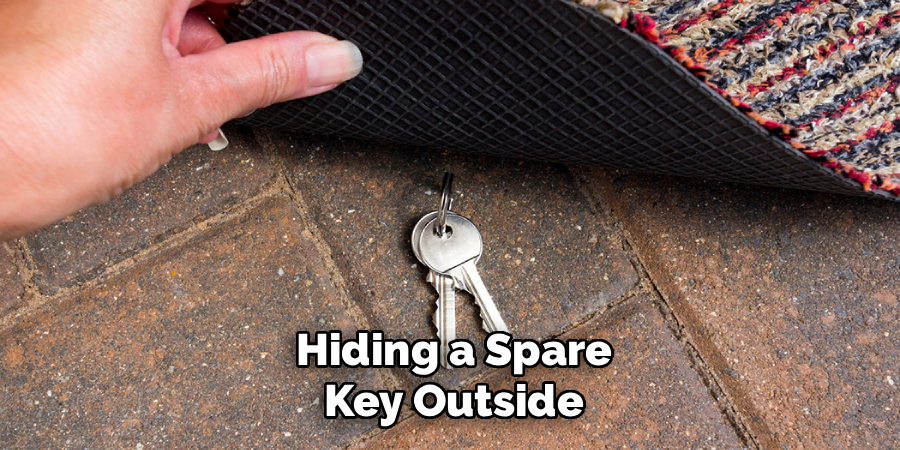
The fix: Leave a spare with a trusted neighbor or family member. If you want backup at home, use a keypad or smart lock instead.
Mistake 3: Installing Cameras Where No One Sees Them
Why it happens: People tuck cameras out of sight to protect them or keep them discreet.
The cost: A hidden camera might record the crime, but it won’t stop it. The whole point of a camera is to make a burglar think twice before approaching. Hidden gear can’t do that.
The fix: Mount cameras where they’re clearly visible from the approach. Pair them with a yard sign. Visible deterrence beats a recorded loss every time.
Mistake 4: Making the House Look Empty When You Travel
Why it happens: You focus on packing and forget about the signals your home sends.
The cost: Piled-up mail, a dark house, and a driveway with no car all scream “no one’s home.” Burglars watch for exactly these cues.
The fix: Set lights on timers, pause your mail, and ask a neighbor to collect packages. The goal is a home that looks lived-in every single day.
Mistake 5: Ignoring the Back and Side of the House
Why it happens: All the attention goes to the front door, where you enter and leave.
The cost: Burglars prefer the back, where fences and bushes hide them from the street. A strong front door means little if the back slider pops open with a screwdriver.
The fix: Secure every entry point equally. Add pin locks to sliders, sensors to back doors, and lighting to dark side yards.
Mistake 6: Setting Up Security, Then Forgetting to Use It
Why it happens: After the install, the habit fades. Arming the alarm feels like a chore.
The cost: An unarmed alarm and an unlocked door offer zero protection. The gear works only when you do.
The fix: Build a lockup routine and arm your system every time you leave, even for ten minutes. Consistency is the whole game.
In short: most break-ins trace back to a weak frame, a hidden key, or a forgotten habit — all easy to fix.
Frequently Asked Questions
What is the number one way to prevent a burglary?
Lock your doors and windows, every single time. A huge share of break-ins happen through unlocked entry points that took the burglar zero effort. Pair that habit with a visible deterrent like a camera or alarm sign, and you’ve covered the two biggest risks.
Do security cameras actually stop burglars?
Yes, when they’re visible. Most burglars avoid homes with cameras because they don’t want to be recorded or identified. A camera near your front door, paired with a yard sign, often turns a potential target into a house they skip.
How can I make my house safer on a tight budget?
Start with free habits: lock up every time, trim bushes for visibility, and keep a light on. Then add low-cost fixes like 3-inch strike-plate screws, a dowel rod in sliding doors, and a motion-activated floodlight. These small steps deliver most of the protection for very little money.
Where do burglars usually enter a house?
The front door and ground-floor windows top the list, followed by back doors and the garage. Burglars favor spots hidden from the street, so the back and side of your home need just as much attention as the front. Secure every entry point, not just the obvious ones.
Is a home alarm system worth it?
For most homes, yes. An alarm turns a quiet break-in into a loud, risky one, and monitored systems can alert police automatically. Even the sticker and siren alone deter many burglars before they try to get in.
Wrapping Up
A break-in feels random, but it rarely is. Burglars pick the easy target — and now you know how to stop being one.
Here’s what to remember. Lock and reinforce every door and window. Add visible cameras, an alarm, and smart lighting that fakes a lived-in home. Clear the hiding spots outside and light up the dark corners. Most of all, build habits you’ll actually keep, because consistency beats any gadget.
You don’t need a fortress. You just need to be the harder choice.
Start with one fix today, then add the next. Your home should feel safe again — make it happen.
Want to go deeper on protecting your home? Check out our guide on [related topic: choosing the right home security system].

About
Robert D is a distinguished figure in the world of Safety Systems and Risk Management, with a decade of expertise creating innovative and sustainable workplace solutions. His professional focus lies in merging traditional safety protocols with modern digital monitoring techniques, fostering environments that are both practical and hazard-conscious. As the lead author of SafetyRift, Robert delves into the art and science of risk mitigation, inspiring safety officers and industry professionals alike to bridge the gap between compliance and culture.
Education
RMIT University (Melbourne, Australia)
Associate Degree in Design (Industrial Safety)
-
Focus on sustainable safety infrastructure, industry-driven risk assessments, and practical implementation.
-
Gained hands-on experience with traditional hazard identification and digital monitoring tools, such as IoT safety sensors and predictive analytics software.
Nottingham Trent University (United Kingdom)
Bachelor’s in Occupational Health and Safety (Honors)
-
Specialized in systemic design with a focus on blending human behavior psychology with modern safety production techniques.
-
Participated in industry-wide projects, working with global logistics and manufacturing firms to gain real-world insights into large-scale safety deployments.
Publications and Impact
In SafetyRift, Robert shares his insights on safety design processes, protective materials, and strategies for efficient, accident-free production. His writing bridges the gap between foundational safety knowledge and modern industrial needs, making it a must-read for both budding safety coordinators and seasoned risk management professionals.
