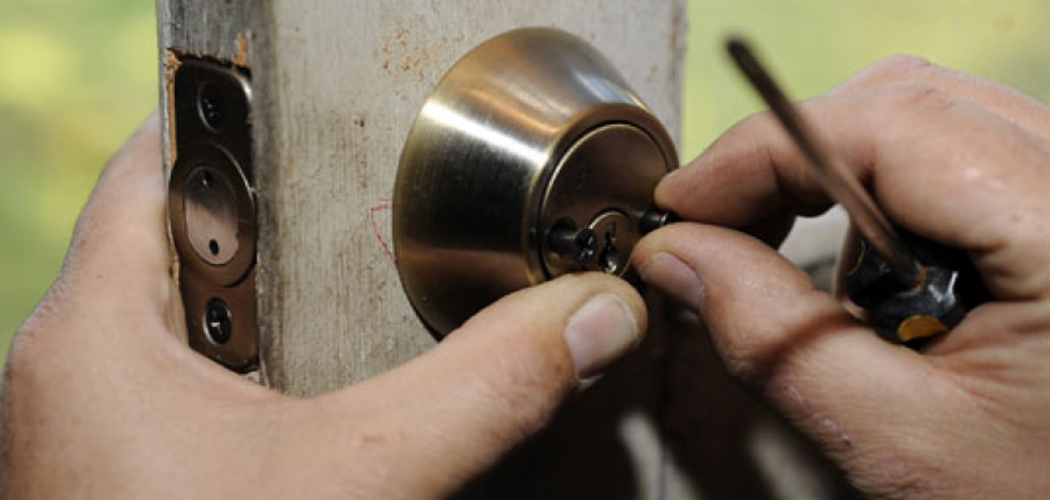
Finding yourself locked out of your own home can be a stressful experience. Whether you’ve misplaced your keys, stepped out for a moment only to have the door lock behind you, or are helping a neighbor in need, knowing how to handle the situation is a valuable skill.
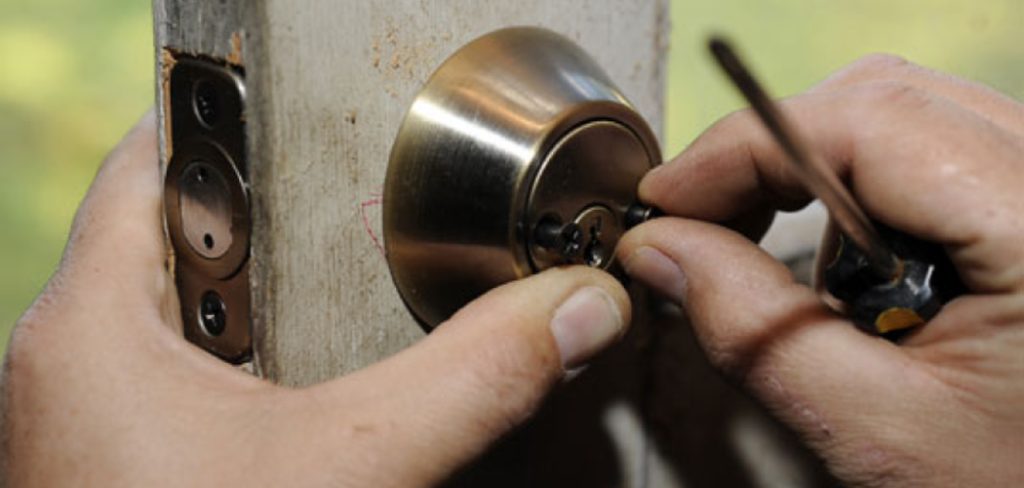
While calling a locksmith is always a reliable option, there are several methods you can try first. This guide is designed to walk you through the process of how to unlock a deadbolt without key, offering simple, step-by-step techniques. We will explore safe and accessible methods that could save you time, money, and a great deal of frustration.
Why Knowing How to Open a Locked Door is a Useful Skill
Being locked out is a universal inconvenience that almost everyone faces at some point. The immediate reaction is often panic, followed by the realization that you might need to call an expensive emergency locksmith. However, possessing the knowledge to open a locked door yourself is empowering. It transforms a potential crisis into a manageable problem.
This skill is not just about saving money; it’s about self-reliance and problem-solving. It can be particularly useful in non-emergency situations, such as accessing a room inside your home where the key has been lost, or helping a family member who is locked out. Learning these techniques provides peace of mind, knowing you have a backup plan.
7 Step-by-Step Guide on How to Unlock a Deadbolt Without Key
Step 1: Gather Your Tools
Before you begin, assess your situation and gather some basic household items that can be used for lock picking. You don’t need a professional kit; everyday objects can often do the trick.
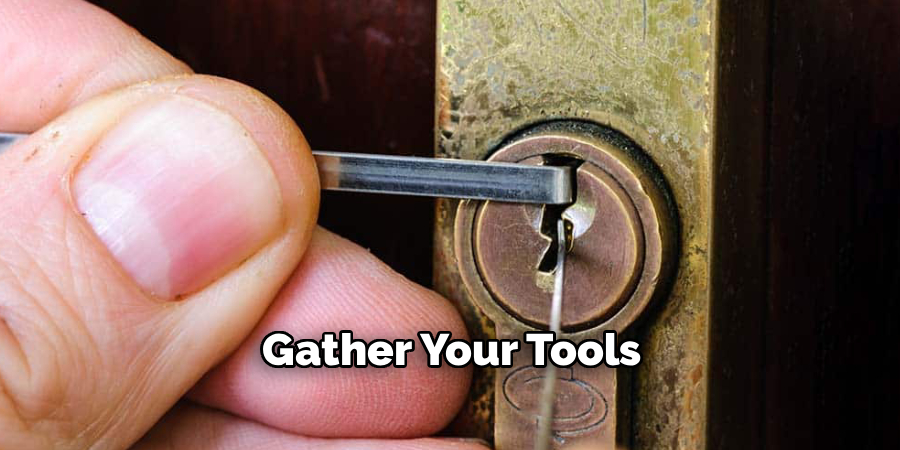
The most common tools needed are two bobby pins or paper clips. One will act as a tension wrench to apply slight pressure to the lock, and the other will be used as a pick to manipulate the pins inside. Straighten one paper clip almost completely, leaving a small bend at the very end to create your pick. For the tension wrench, bend a bobby pin or another paper clip into an L-shape. Having these simple tools ready will make the process much smoother.
Step 2: Insert the Tension Wrench
Take the tool you’ve designated as your tension wrench—the L-shaped paper clip or bobby pin—and insert it into the bottom part of the keyway. The keyway is the slot where you would normally insert your key. The purpose of the tension wrench is to apply a small amount of rotational pressure to the lock cylinder, just as a key would.
Turn the wrench lightly in the direction you would turn the key to unlock the door. The amount of pressure is crucial; too much will bind the pins, and too little won’t be effective. Maintain this gentle, consistent pressure throughout the entire process. This is the foundation of successfully picking the lock.
Step 3: Use the Pick to Find the Pins
With the tension wrench in place and gentle pressure applied, insert your pick tool—the straightened paper clip with a bent tip—into the top of the keyway. Your goal is to feel for the pins inside the lock cylinder. Push the pick all the way to the back of the lock and then slowly begin to pull it out.
As you do, you should feel a series of small, springy components. These are the lock pins. A standard deadbolt typically has five or six pins. Take your time to get a feel for them. Gently press up on each one to understand how they move and resist pressure. This tactile feedback is essential for the next step.
Step 4: Set the Pins (Scrubbing Method)
One of the most beginner-friendly techniques is called scrubbing or raking. While maintaining light tension with your wrench, rapidly move your pick in and out of the keyway, gently “scrubbing” it against the pins. As you move the pick, wiggle it up and down slightly.
The combination of this movement and the rotational pressure from the tension wrench will cause the pins to jump. By chance, some will catch on the shear line—the point where the inner and outer cylinders separate. You might hear faint clicks as each pin sets. Continue this motion until you feel a more significant click or a slight give in the tension wrench.
Step 5: Set the Pins (Single-Pin Picking)
If scrubbing doesn’t work, a more precise method is single-pin picking. Maintain your tension and use your pick to locate the first pin at the back of the lock. Press up on it slowly until you feel or hear a faint click. This indicates the pin is set. Once it is, the tension wrench may rotate slightly further. Now, move to the next pin and repeat the process.
You must find the “binding pin”—the one that has the most resistance due to the pressure from the tension wrench. Set it, then find the next binding pin. Continue this for all pins in the lock. This is a delicate process that demonstrates how to unlock a deadbolt without key with precision.
Step 6: Apply More Tension and Turn
Once all the pins are set, you will notice a significant change. The tension wrench will suddenly be able to rotate more freely. This is the moment of success. Apply a bit more firm, steady pressure on the tension wrench in the unlocking direction.

The lock cylinder should now turn completely, just as if you had used the correct key. If the lock doesn’t open but the cylinder turns slightly, it’s possible that one of the pins was not set correctly or dropped back down. If this happens, release the tension and start the process over. Patience is key when learning this skill.
Step 7: Try a Credit Card for Spring Bolts
It is important to note that the previous steps apply to pin-tumbler deadbolts. However, if you are dealing with a spring-latch lock (common on interior doors or handle-sets), a different method may work. A spring latch has a slanted edge. For this, you can use a stiff but flexible plastic card, like a laminated library card or old gift card.
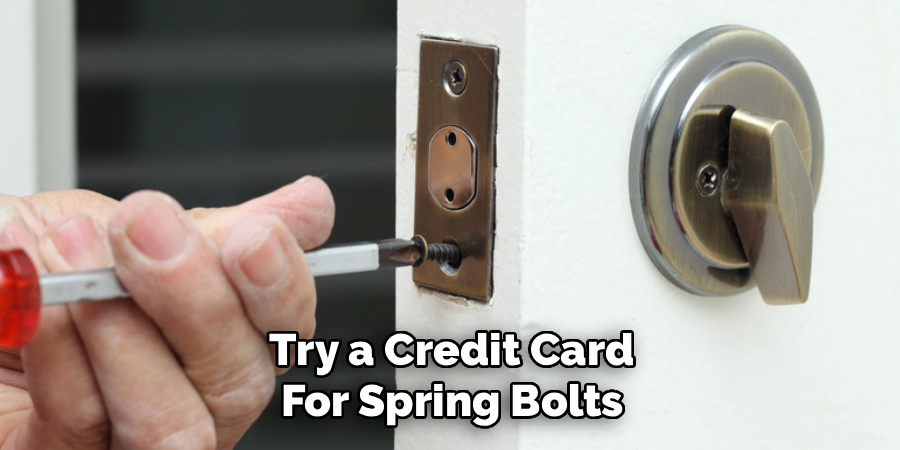
Avoid using a current credit card to prevent damage. Slide the card into the crack between the door and the doorframe, just above the handle. Wiggle it downwards while angling it towards the frame, aiming to push the slanted part of the latch in. This can disengage the lock and allow you to open the door.
Frequently Asked Questions
Is It Legal to Pick Your Own Lock?
Yes, it is completely legal to pick a lock that you own or for which you have explicit permission from the owner to open. Lock picking tools and knowledge are not illegal in most places. However, using these skills to access someone else’s property without their consent is illegal and constitutes breaking and entering. Always ensure you are on the right side of the law and are only using these techniques for legitimate, personal purposes, such as regaining entry to your own home or room.
Can Picking a Lock Damage It?
For a beginner, there is a small risk of damaging the lock, but it is unlikely if you are careful. The most common mistake is applying too much force with the tension wrench, which can bend or break the internal mechanisms. Another risk is breaking a paper clip or bobby pin off inside the lock, which can be difficult to remove. To avoid damage, always use gentle, steady pressure. Remember that the goal is to finesse the lock, not force it open. A well-made lock should withstand picking without any issues.
Does the Bobby Pin Method Work on All Locks?
The bobby pin or paper clip method is most effective on standard, low-to-mid security pin-tumbler locks, which are very common in residential homes. However, it will not work on high-security locks. These locks have advanced features designed to prevent picking, such as:
- Security pins (spool, serrated, or mushroom pins)
- Complex keyways that make it hard to insert tools
- Magnetic or electronic components
High-security deadbolts require specialized tools and professional expertise to bypass.
What Is Lock Bumping and Is It a Good Alternative?
Lock bumping is a technique that uses a specially cut “bump key.” The key is inserted into the lock and then “bumped” or tapped with an object, like the handle of a screwdriver. The force transfers energy to the pins, causing them to jump to the shear line simultaneously, allowing the lock to be opened. While it can be very effective and fast, it requires a bump key that matches the lock’s keyway. It also carries a higher risk of damaging the internal mechanisms of the lock if done incorrectly. For beginners, picking is often a safer starting point.
When Should I Just Call a Locksmith?
You should call a locksmith if you are not comfortable trying to pick the lock yourself, if you have a high-security lock, or if you are in a true emergency and need immediate access. Professionals have the right tools and experience to open your door quickly and without damage. If you’ve tried the methods in this guide for a reasonable amount of time (e.g., 30-60 minutes) without success, it’s best to call for help rather than risk damaging your lock or door through frustration.
Conclusion
Being locked out is an inconvenience, but it doesn’t have to be a catastrophe. With a little patience and a few simple household items, you can often resolve the situation on your own. By understanding the basic mechanics of a pin-tumbler lock and practicing the techniques of picking and scrubbing, you gain a valuable and empowering skill. These methods should be used responsibly and only on your own property. The next time you find yourself staring at a locked door without a key in hand, take a deep breath and remember this guide. Learning how to unlock a deadbolt without key can turn a moment of panic into a moment of triumph.

About
Robert D is a distinguished figure in the world of Safety Systems and Risk Management, with a decade of expertise creating innovative and sustainable workplace solutions. His professional focus lies in merging traditional safety protocols with modern digital monitoring techniques, fostering environments that are both practical and hazard-conscious. As the lead author of SafetyRift, Robert delves into the art and science of risk mitigation, inspiring safety officers and industry professionals alike to bridge the gap between compliance and culture.
Education
RMIT University (Melbourne, Australia)
Associate Degree in Design (Industrial Safety)
-
Focus on sustainable safety infrastructure, industry-driven risk assessments, and practical implementation.
-
Gained hands-on experience with traditional hazard identification and digital monitoring tools, such as IoT safety sensors and predictive analytics software.
Nottingham Trent University (United Kingdom)
Bachelor’s in Occupational Health and Safety (Honors)
-
Specialized in systemic design with a focus on blending human behavior psychology with modern safety production techniques.
-
Participated in industry-wide projects, working with global logistics and manufacturing firms to gain real-world insights into large-scale safety deployments.
Publications and Impact
In SafetyRift, Robert shares his insights on safety design processes, protective materials, and strategies for efficient, accident-free production. His writing bridges the gap between foundational safety knowledge and modern industrial needs, making it a must-read for both budding safety coordinators and seasoned risk management professionals.