
A locked seat belt is a common and frustrating problem. You get in your car, ready to go, and the belt refuses to budge. This issue can happen for several reasons, from a simple twist in the webbing to a more complex mechanical failure in the retractor.
While it might seem like a major problem, many locked seat belts can be fixed with a few simple techniques. This guide will walk you through everything you need to know about how to fix a seat belt that is locked, helping you get back on the road safely and without the expense of a mechanic.
Seat Belts Lock in the First Place
Understanding why your seat belt locks is key to preventing future issues. The locking mechanism is a crucial safety feature designed to protect you during a sudden stop or collision. Inside the retractor, a component called a pendulum or sensor detects abrupt changes in speed. When you brake hard or get into an accident, this sensor activates a locking bar that clamps down on the spool, preventing the belt from extending further. Sometimes, this mechanism can engage accidentally if you pull the belt out too quickly or if the car is parked on a steep incline. Debris or dirt can also interfere with the retractor, causing it to jam.
9 Step Methods Guide on How to Fix a Seat Belt That Is Locked
Step 1: Gently Pull and Release the Belt
The first and simplest solution is to try a gentle approach. A quick, sharp tug can sometimes trigger the locking mechanism, so a slow, steady motion is more effective. Grip the seat belt webbing firmly near the buckle and give it a series of short, gentle tugs.
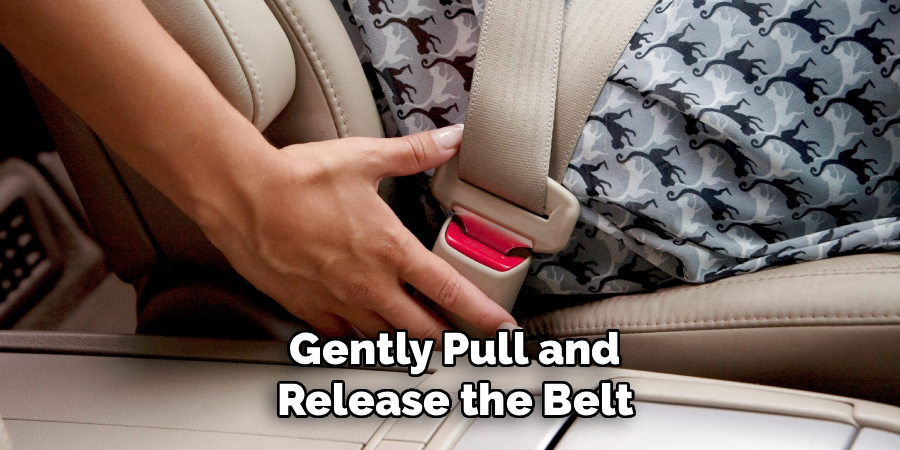
Avoid yanking with all your strength. After a few soft pulls, release the belt completely and let it retract as far as it will go. This action can sometimes reset the locking pawl inside the retractor. Repeat this process several times. This simple maneuver often resolves a lock caused by pulling the belt out too quickly.
Step 2: Slowly Extend the Webbing
If the gentle tugging doesn’t work, the next step is to try slowly and carefully extending the belt. A smooth, deliberate pull is less likely to trigger the sensitive locking mechanism. Find a comfortable position and grab the belt with both hands for better control. Pull the webbing out from the retractor in a single, fluid motion without any jerking. If you feel it start to catch, stop, let it retract a little, and then try again. The goal is to coax the belt past the point where it is jamming. This method is particularly useful if the internal mechanism is just slightly misaligned.
Step 3: Untwist the Seat Belt Webbing
A twisted or folded belt is a very common cause of a jam. Over time, the webbing can get flipped over inside the buckle or near the retractor, preventing it from moving smoothly. Carefully inspect the entire length of the seat belt, from the anchor point on the floor to the guide loop on the pillar and down to the retractor. Look for any folds, twists, or creases. If you find one, work to flatten it out completely. You may need to slowly feed the straightened section back into the retractor to clear the jam. A flat, untangled belt is essential for proper function.
Step 4: Adjust Your Vehicle’s Position
The locking mechanism in a seat belt is sensitive to the angle of the vehicle. If you are parked on a steep hill or an uneven surface, the internal pendulum sensor may engage, locking the belt as a safety precaution.
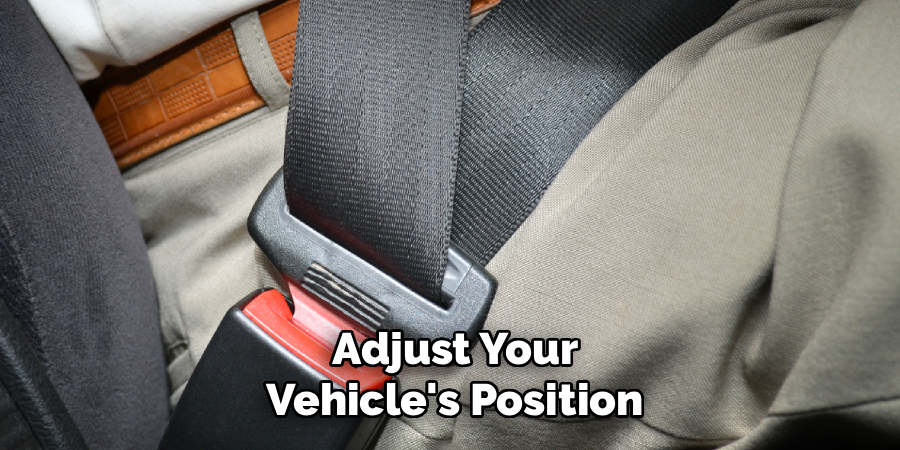
To rule this out, move your car to a flat, level surface. Once the vehicle is level, turn the engine off and try pulling the belt again. This simple change in position can disengage the sensor and release the lock. It’s a quick check that can save you a lot of time and effort before you move on to more involved steps.
Step 5: Check for Obstructions in the Mechanism
Debris is a frequent culprit behind a locked seat belt. Small objects like coins, food crumbs, or pieces of plastic can fall into the retractor assembly and jam the gears. To investigate this, you will need a flashlight. Shine the light into the opening where the belt feeds into the retractor. Look carefully for any foreign objects lodged in the mechanism. If you see something, try to remove it using a pair of tweezers or needle-nose pliers. Be extremely careful not to push the debris further in or damage any of the internal components.
Step 6: Clean the Seat Belt and Retractor Opening
If you can’t see any obvious obstructions, the problem might be an accumulation of dirt and grime. Over years of use, seat belts can become sticky with residue, causing them to retract slowly or get stuck. To clean it, mix a solution of mild soap and warm water. Extend the belt as far as it will go and use a clamp to hold it in place. Gently scrub the webbing with a soft brush and the soap solution. Use a separate clean cloth to wipe down the retractor opening and the pillar loop. Allow the belt to dry completely before letting it retract.
Step 7: Access and Inspect the Retractor Assembly
For persistent locks, you may need to inspect the retractor assembly more closely. This often requires removing the plastic trim panels that cover it. The retractor is usually located at the bottom of the B-pillar (the pillar between the front and back doors). You may need a screwdriver or a trim removal tool to gently pry the panels off. Once you have access, visually inspect the retractor for damage or obvious blockages. Learning how to fix a seat belt that is locked sometimes means getting a closer look at the internal parts causing the issue.
Step 8: Reset the Retractor Mechanism Manually
With the retractor exposed, you can sometimes manually reset it. The mechanism works on a simple principle: the spool needs to be able to rotate freely. If the locking bar is engaged, you may be able to see it gripping the gear.
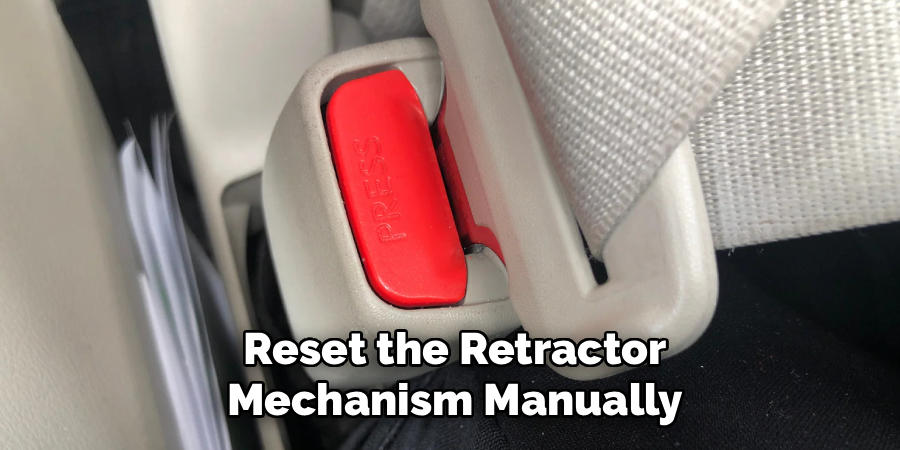
Using a flathead screwdriver, you can sometimes gently pry the locking bar away from the spool’s teeth. This is a delicate operation, so apply minimal force. Releasing this pressure should allow the spool to turn, letting you retract or extend the belt. This is an advanced step, and you should proceed with caution.
Step 9: Know When to Consult a Professional
If you have tried all the previous steps and the belt remains locked, it’s time to seek professional help. The seat belt is a critical safety device, and a malfunctioning one puts you at risk. A certified mechanic has the specialized tools and knowledge to diagnose and repair complex retractor issues or replace the entire unit if necessary. Tampering too much with a faulty safety mechanism can lead to complete failure. Your safety is paramount, so don’t hesitate to consult an expert for a reliable fix.
Test the Seat Belt Thoroughly
After the seat belt has been repaired or replaced, it is essential to test it thoroughly to ensure it functions correctly. Pull the seat belt in and out fully to check for smooth operation and ensure it locks appropriately during sudden tugs, mimicking the actions that occur during a sudden stop. Buckle and unbuckle it multiple times to confirm secure latching and easy release. Regularly inspecting and testing your seat belt ensures that it provides the protection you need every time you drive.
Frequently Asked Questions
Can I Drive With a Locked Seat Belt?
It is strongly advised not to drive with a locked seat belt. A belt that cannot extend and retract properly will not protect you in an accident. If the belt is locked in a retracted position, you cannot wear it. If it’s locked while you are wearing it, it can be overly restrictive and dangerous. Driving without a functional seat belt is also illegal in most places and can result in a fine.
How Much Does It Cost to Fix a Locked Seat Belt?
The cost can vary widely. If it’s a simple fix you can do yourself, like untwisting the webbing or removing debris, it costs nothing. If you need to take it to a mechanic, the diagnosis might cost around $50-$100. If the entire seat belt retractor assembly needs to be replaced, the part itself can cost between $100 and $400, with labor costs adding another $100-$200 to the final bill.
Why Does My Seat Belt Lock When I Lean Forward?
This is usually a normal function of the emergency locking mechanism. The system is designed to lock with any sudden or fast movement, and leaning forward quickly can mimic the G-forces of a hard brake. To avoid this, try to move more slowly and deliberately when reaching for something. If it locks with very slow movements, the retractor’s sensor might be overly sensitive or failing, and it should be inspected by a professional.
Is a Jammed Seat Belt Covered Under Warranty?
It depends on the manufacturer and the type of warranty. Most new car bumper-to-bumper warranties will cover safety equipment, including seat belts. Some manufacturers even offer a lifetime warranty specifically on seat belt components. Check your vehicle’s owner’s manual or contact your dealership to inquire about warranty coverage for your specific situation. This could save you significant repair costs.
Can I Replace a Seat Belt Retractor Myself?
While it is possible for someone with mechanical experience to replace a seat belt retractor, it is generally recommended to leave this job to a professional. Seat belt systems are critical safety components, and improper installation could cause them to fail in a collision. The replacement process can also involve dealing with pre-tensioner explosive charges, which can be dangerous if handled incorrectly. For safety’s sake, it’s best to have it done by a certified technician.
Conclusion
A locked seat belt can be a major inconvenience, but it doesn’t always require a trip to the mechanic. By following the steps outlined in this guide—from simple tugs and twists to cleaning and inspecting the mechanism—you can often resolve the issue yourself. Patience and a gentle touch are your best tools. However, it’s equally important to recognize when the problem is beyond a simple fix. Your safety is the top priority, so never hesitate to consult a professional for complex repairs. Now that you have a better understanding of how to fix a seat belt that is locked, you can approach the problem with confidence.

About
Robert D is a distinguished figure in the world of Safety Systems and Risk Management, with a decade of expertise creating innovative and sustainable workplace solutions. His professional focus lies in merging traditional safety protocols with modern digital monitoring techniques, fostering environments that are both practical and hazard-conscious. As the lead author of SafetyRift, Robert delves into the art and science of risk mitigation, inspiring safety officers and industry professionals alike to bridge the gap between compliance and culture.
Education
RMIT University (Melbourne, Australia)
Associate Degree in Design (Industrial Safety)
-
Focus on sustainable safety infrastructure, industry-driven risk assessments, and practical implementation.
-
Gained hands-on experience with traditional hazard identification and digital monitoring tools, such as IoT safety sensors and predictive analytics software.
Nottingham Trent University (United Kingdom)
Bachelor’s in Occupational Health and Safety (Honors)
-
Specialized in systemic design with a focus on blending human behavior psychology with modern safety production techniques.
-
Participated in industry-wide projects, working with global logistics and manufacturing firms to gain real-world insights into large-scale safety deployments.
Publications and Impact
In SafetyRift, Robert shares his insights on safety design processes, protective materials, and strategies for efficient, accident-free production. His writing bridges the gap between foundational safety knowledge and modern industrial needs, making it a must-read for both budding safety coordinators and seasoned risk management professionals.

1 thought on “How to Fix a Seat Belt That Is Locked”