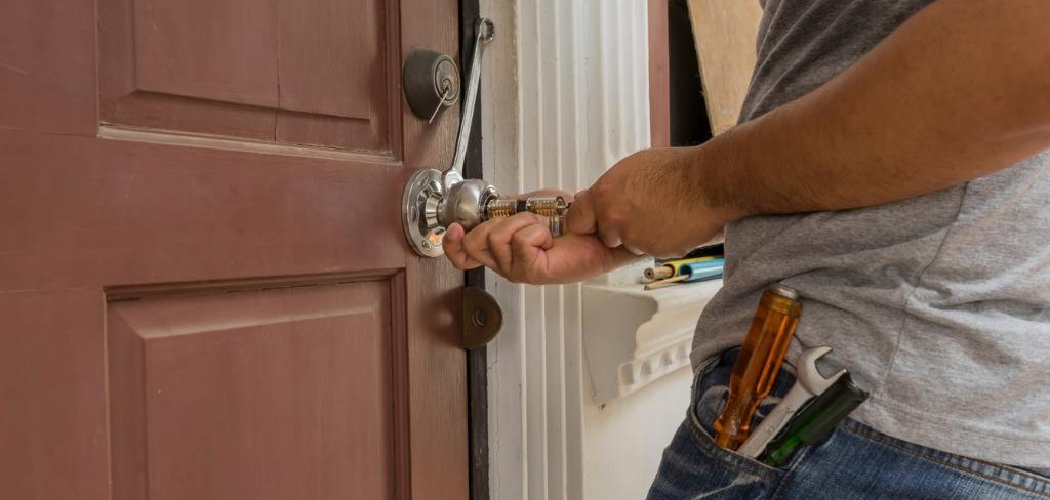
Getting stuck inside or outside a room because of a faulty door mechanism is incredibly frustrating. You wiggle the handle, push, pull, and maybe even plead with the door, but it refuses to budge. A broken latch stuck in the jamb is a common household problem that can cause panic, especially if you don’t have locksmithing experience. However, before you consider kicking the door down or calling an expensive professional, take a deep breath. This is a fixable issue that often requires only basic tools you likely already have.
In this guide, we will walk you through exactly how to remove a broken latch from a closed door safely and effectively. Whether the spring has failed or the internal mechanism has shattered, these techniques will help you disengage the latch without destroying your door or frame. Let’s get that door open so you can get back to your day.
Learning How to Remove a Broken Latch From a Closed Door Matters
Understanding the mechanics behind your door hardware is an essential skill for any homeowner or DIY enthusiast. When a latch breaks inside a closed door, it isn’t just an inconvenience; it can be a safety hazard if it blocks an exit route. Knowing how to manipulate the mechanism without the handle allows you to solve the problem immediately rather than waiting hours for help. Furthermore, learning this skill saves you significant money. Locksmith emergency call-out fees are high, and the repair itself is often simple enough to handle on your own. By mastering this technique, you empower yourself to handle household emergencies with confidence and ease.
8 Step Methods Guide: How to Remove a Broken Latch From a Closed Door
Step 1: Gather the Necessary Tools for the Job
Before you begin tackling the stuck door, you need to assemble the right toolkit to ensure the process goes smoothly. Trying to improvise with inadequate tools can lead to damaged wood or scratched paint, so preparation is key here. You will generally need a few screwdrivers—both Phillips head and flathead—in various sizes.
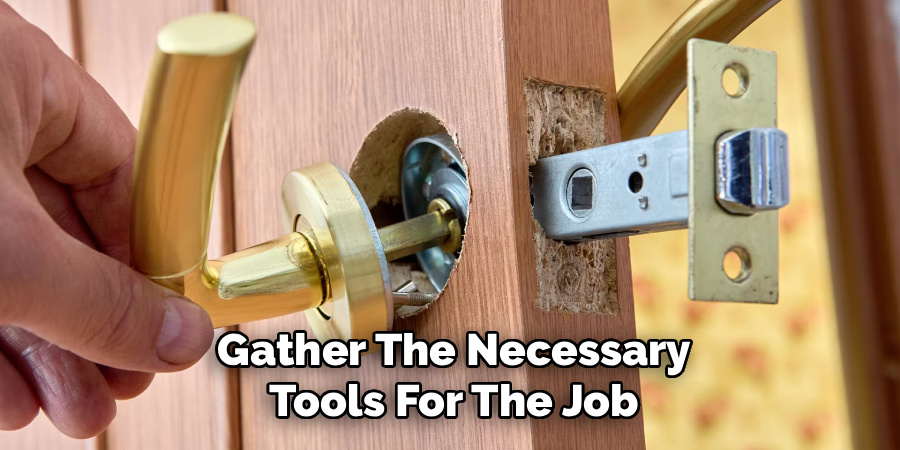
A putty knife or a similar thin, rigid tool is essential for sliding between the door and the frame. You might also need a hammer, a pair of needle-nose pliers, and possibly a credit card you don’t mind potentially damaging. Having a flashlight or headlamp is also crucial because you will be working in the small, shadowed gap between the door and the jamb. Once everything is within arm’s reach, you are ready to start the removal process.
Step 2: Remove the Door Handle or Knob Completely
The first physical action you need to take is removing the hardware that is currently obstructing your access to the internal mechanism. Most standard doorknobs are held in place by two visible screws on the interior side of the door. Locate these screws and remove them using your screwdriver.
If you don’t see any screws, look for a small slot or hole on the neck of the knob; pressing a small pin or screwdriver into this detent will release the handle. Pull both handles off the door to reveal the internal hole. This gives you a clear view of the broken latch mechanism sitting inside the door. Don’t worry if parts fall out; the goal right now is simply to clear the way so you can see what you are working with inside the spindle hole.
Step 3: Inspect the Internal Mechanism Through the Hole
Now that the handles are gone, grab your flashlight and peer into the hole where the spindle usually sits. You need to understand exactly what part of the latch has failed. Typically, there is a square hole in the center of the latch assembly where the handle’s spindle would turn the mechanism.
If the latch is broken, turning that square slot might not retract the bolt. Look for loose pieces, broken springs, or jammed metal fragments. Sometimes the actual bolt is disconnected from the retractor mechanism entirely. This inspection is critical because it dictates your next move. If the mechanism looks intact but just stuck, you might be able to manipulate it manually. If it looks shattered, you will need to use more force or different techniques to slide the bolt back.
Step 4: Attempt to Retract the Latch with a Screwdriver
If the internal mechanism still seems somewhat connected, you can try to simulate the action of the door handle. Take a large flathead screwdriver and insert it into the slot where the spindle would normally go. Turn the screwdriver firmly in the direction the handle would turn to open the door. This manual torque is often enough to retract the latch if the issue was simply a stripped handle or a loose connection.
Apply steady pressure and try wiggling the door slightly as you turn. If you feel resistance but the latch doesn’t move, the internal spring may be broken, or the bolt itself is physically jammed against the strike plate. This is a common first attempt when learning how to remove a broken latch from a closed door effectively.
Step 5: Manipulate the Latch Bolt Through the Gap
If turning the internal mechanism failed, you must attack the problem from the gap between the door and the frame. This technique is often called “jimmying” the latch. Insert a putty knife or a thin flathead screwdriver into the space between the door and the jamb, directly aligned with the latch bolt.
Your goal is to catch the angled face of the latch (if it’s facing you) or the flat side (if it’s facing away). Apply pressure to slide the bolt back into the door. If the angled side is facing away from you, you may need to use a hook tool or a bent piece of wire to grab the latch and pull it toward you. This requires patience and steady hands, but it is often the most successful method for a completely broken mechanism.
Step 6: Disassemble the Locking Mechanism if Necessary
Sometimes, the latch is held fast because the locking mechanism itself has engaged and failed in the locked position. If your door has a privacy lock, ensure it is fully disengaged. If the lock is broken inside, you might need to use needle-nose pliers to physically pull apart the metal housing of the latch from inside the spindle hole.
This sounds destructive, but since the latch is already broken, you are simply dismantling it to get the door open. Grip the internal metal casing and twist or pull to manipulate the slide that controls the bolt. Be careful not to damage the wood of the door itself. You are focusing entirely on the metal cartridge inside the hole. Once you disrupt the locking hold, the bolt should slide back freely.
Step 7: Drive the Latch Pins Out (For Hinges)
If all direct attacks on the latch fail, you have a “nuclear option” if the door opens inward and you have access to the hinges. Look at the hinges on the side of the door. If you can see the pins, you can remove the door from the hinge side. Place a nail or a punch at the bottom of the hinge pin and tap it upward with a hammer until the pin pops out.
Repeat this for all hinges. Once the pins are out, you can carefully pry the door out from the hinge side. This bypasses the latch entirely. While this doesn’t technically fix the latch, it gets the door open immediately, allowing you to unscrew the faceplate and remove the broken latch easily from the open edge of the door.
Step 8: Remove the Broken Latch and Replace It
Once the door is finally open, congratulations! The hard part is over. Now you simply need to remove the remnants of the old hardware. Unscrew the two screws on the faceplate located on the edge of the door. Slide the broken latch assembly out of the door. If it is stuck, you can push it out from the spindle hole using a screwdriver.
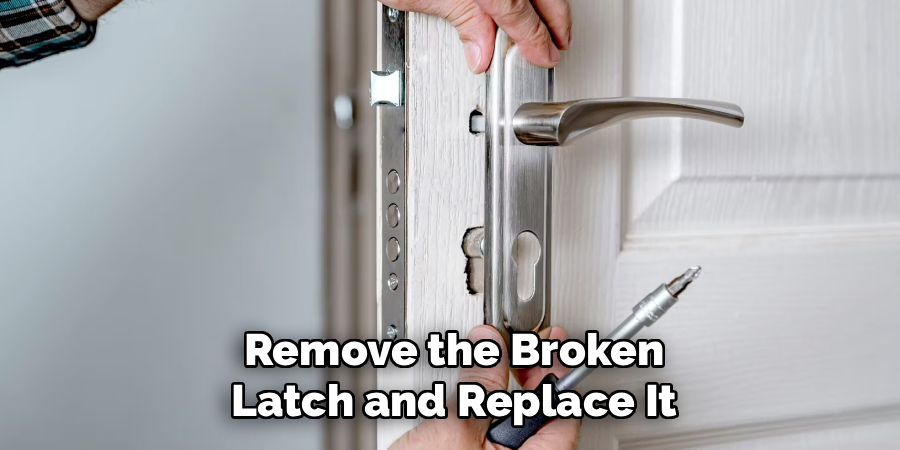
Take the old unit to a hardware store to ensure you buy an exact match in terms of size and style, specifically checking the “backset” measurement (the distance from the edge of the door to the center of the hole). Install the new latch by sliding it in, securing the faceplate, and reattaching the handles. Test the new mechanism several times with the door open before closing it to ensure everything works perfectly.
Frequently Asked Questions
What If I Cannot See The Latch Mechanism?
If the mechanism is completely obscured or shattered inside the door, visibility will be difficult. Try using a bright, focused LED flashlight or the flashlight on your smartphone to illuminate the interior of the spindle hole. If visibility is zero due to debris, use a shop vac to suck out loose metal fragments or wood chips before proceeding with your tools.
Can I Use A Credit Card To Open The Door?
Yes, the credit card trick can work, but only on spring latches with a beveled edge facing you. It will not work on deadbolts.
- Slide a flexible, plastic card between the door and frame above the latch.
- Tilt the card and swipe it downward while pushing the door inward.
- The card presses the beveled latch in, allowing the door to open.
Will This Process Damage My Door Frame?
There is a risk of minor cosmetic damage, especially when using metal tools like screwdrivers or putty knives to pry at the latch gap. To minimize damage to the paint or wood, wrap the shaft of your screwdriver in masking tape or place a thin piece of cloth between your tool and the door frame while you leverage the latch open.
How Do I Measure For A Replacement Latch?
The most critical measurement is the “backset.” This is the distance from the edge of the door to the center of the handle hole. Standard backsets are usually either 2-3/8 inches or 2-3/4 inches. Most modern replacement latches are adjustable to fit both sizes, but measuring your old unit ensures you purchase the correct hardware for a seamless fit.
When Should I Call A Professional Locksmith?
You should call a locksmith if you have tried these methods for over an hour without success, or if the door is expensive and you fear causing significant damage. Additionally, if the lock is a high-security deadbolt rather than a simple spring latch, professional tools may be required to bypass it without destroying the door itself.
Conclusion
Dealing with a stuck door is never a pleasant experience, but with patience and the right approach, it is a problem you can solve on your own. By following these steps, you have saved yourself the cost of a service call and gained valuable DIY experience. Remember, the key is to remain calm and work systematically through the mechanism rather than forcing it. Whether you used a screwdriver to turn the hub or jimmying the bolt through the gap, you now possess the knowledge to handle this situation if it ever arises again. Now that you know how to remove a broken latch from a closed door, you can ensure your home’s hardware is functioning smoothly and safely.

About
Robert D is a distinguished figure in the world of Safety Systems and Risk Management, with a decade of expertise creating innovative and sustainable workplace solutions. His professional focus lies in merging traditional safety protocols with modern digital monitoring techniques, fostering environments that are both practical and hazard-conscious. As the lead author of SafetyRift, Robert delves into the art and science of risk mitigation, inspiring safety officers and industry professionals alike to bridge the gap between compliance and culture.
Education
RMIT University (Melbourne, Australia)
Associate Degree in Design (Industrial Safety)
-
Focus on sustainable safety infrastructure, industry-driven risk assessments, and practical implementation.
-
Gained hands-on experience with traditional hazard identification and digital monitoring tools, such as IoT safety sensors and predictive analytics software.
Nottingham Trent University (United Kingdom)
Bachelor’s in Occupational Health and Safety (Honors)
-
Specialized in systemic design with a focus on blending human behavior psychology with modern safety production techniques.
-
Participated in industry-wide projects, working with global logistics and manufacturing firms to gain real-world insights into large-scale safety deployments.
Publications and Impact
In SafetyRift, Robert shares his insights on safety design processes, protective materials, and strategies for efficient, accident-free production. His writing bridges the gap between foundational safety knowledge and modern industrial needs, making it a must-read for both budding safety coordinators and seasoned risk management professionals.