

It is a frustrating moment we have all experienced: standing in front of your own door, unable to get inside. Whether you have misplaced your keys, forgotten your code, or the lock is simply not cooperating, being locked out is a major inconvenience. When it is a high-quality Schlage lock, you might feel an extra layer of concern, wondering if there is a simple solution.
Fortunately, there are several effective methods for getting back inside without causing damage. This guide is here to provide you with a clear, straightforward path for what to do. From simple troubleshooting to more hands-on techniques, we will explore everything you need to know about how to unlock a Schlage door lock and regain access to your home.
Step-by-Step Guide to Accessing Your Property
Getting locked out can be stressful, but with a calm approach, you can often solve the problem yourself. This section provides detailed instructions for various scenarios, from common keypad lock issues to traditional key-in-knob problems. Before attempting any method that involves tools, always try the simplest solutions first, like checking for a stuck deadbolt or ensuring the battery on a keypad lock has not died. Follow these steps carefully to ensure you can get back inside safely and efficiently.
Step 1: Assess Your Schlage Lock Type
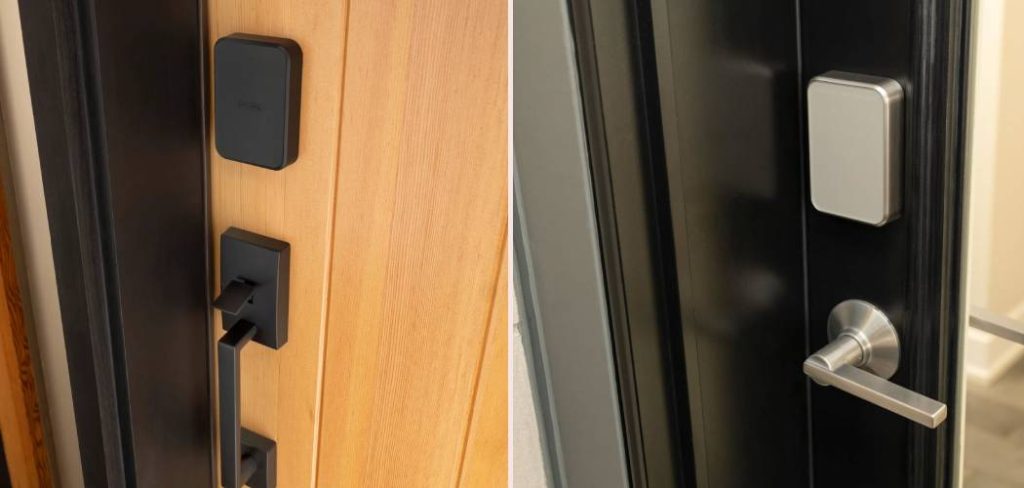
The first thing you need to do is identify what kind of Schlage lock you are dealing with. Is it a traditional key-in-knob or deadbolt lock, or is it a modern electronic keypad lock? The method for unlocking will vary significantly between these types.
- Traditional Locks: These are the classic mechanical locks that operate solely with a physical key. They can be part of a handle set, a standalone deadbolt, or a combination of both. Problems with these locks usually stem from a lost key, a broken key inside the lock, or an internal mechanism malfunction.
- Keypad Locks: Schlage offers a wide range of electronic keypad locks, like the Schlage Encode™, Schlage Sense™, and Schlage Connect™. These allow entry via a user code and sometimes a physical key as a backup. Issues with these often relate to dead batteries, forgotten codes, or electronic glitches.
Identifying your lock type helps you proceed with the correct troubleshooting steps and avoid wasting time on irrelevant solutions.
Step 2: Troubleshooting a Schlage Keypad Lock
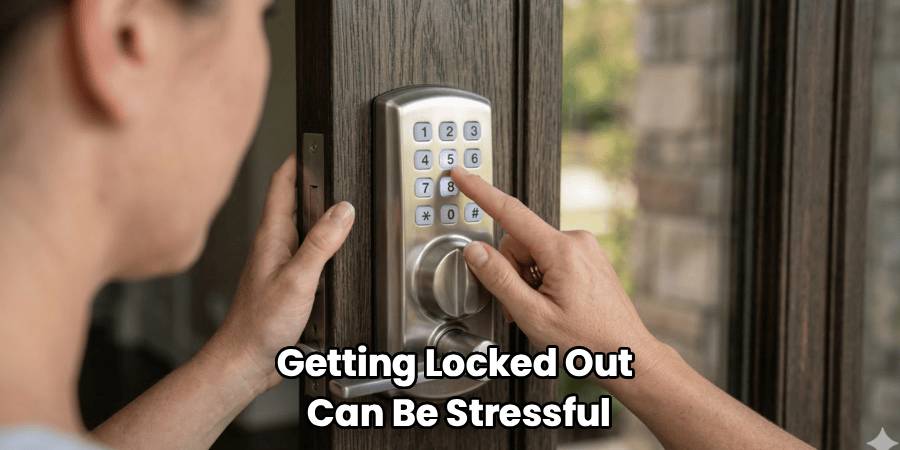
If you have a Schlage keypad lock, electronic issues are the most common culprit. Start with these simple checks before assuming a more serious problem.
First, consider the batteries. A low or dead battery is the number one reason a keypad lock fails. Most Schlage keypad locks will give you a warning, such as a blinking light or a series of beeps, when the battery is running low. If you missed these signs, the lock might be completely unresponsive. Many models have a backup battery terminal, often located below the keypad. You can touch a new 9V battery to these terminals to provide temporary power, allowing you to enter your code and unlock the door.
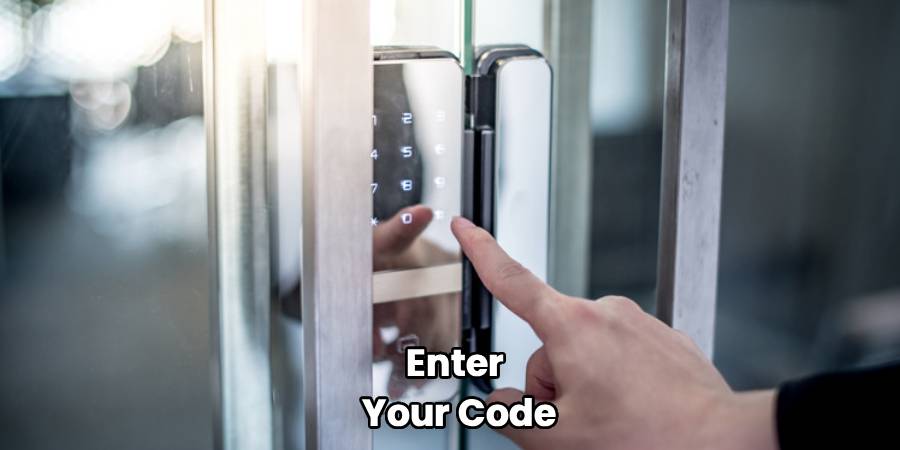
If the batteries are fine, you may be entering the wrong code. Take a moment to clear your head and carefully re-enter your user code. If you have recently changed it, you might be defaulting to an old one. If you have completely forgotten the code, you will likely need to perform a factory reset. This process will erase all existing codes, so you will need to reprogram it once you are inside. To perform a reset, you typically need to access the interior side of the lock, which presents a challenge when you are locked out. In this case, using the backup physical key is your best option.
Step 3: Using the Backup Physical Key
Nearly all Schlage electronic and keypad locks come with a physical key override. This is your most reliable backup plan. Always keep your backup key in a secure yet accessible location outside your home, such as with a trusted neighbor, in a hidden lockbox, or at your office.
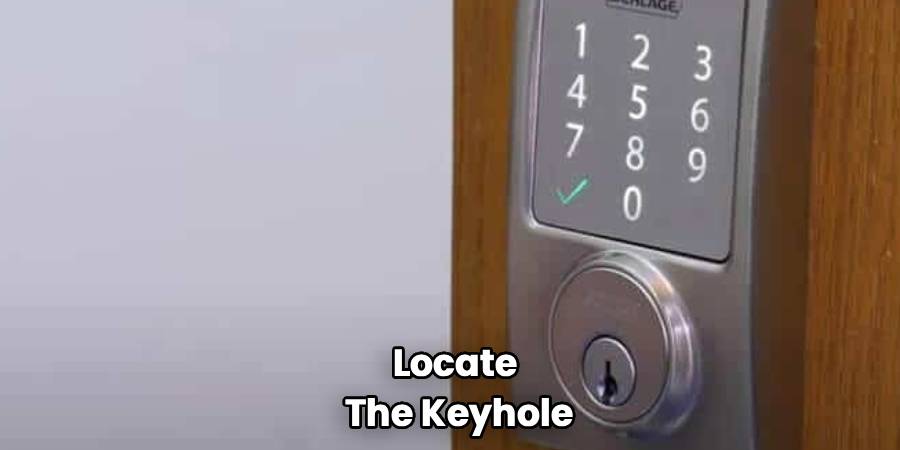
If you have your backup key, the process is simple. Locate the keyhole, which may be hidden under a small cover on the exterior handle or keypad unit to maintain a sleek appearance. Lift or slide this cover to expose the cylinder. Insert the key and turn it just as you would with a traditional lock. This manual override bypasses the entire electronic system, giving you immediate access. This method is your saving grace when you have forgotten your code, the batteries are dead, and you do not have a 9V battery handy.
Step 4: Bypassing a Simple Interior Knob Lock
Sometimes, the issue is not a deadbolt but a simple privacy lock on an interior door, like a bedroom or bathroom. These Schlage knobs often have a small, round hole on the exterior side of the handle. They are designed to be easily unlocked from the outside in case of an emergency.
To unlock this type of door, you will need a small, thin object. A paperclip straightened out, a small pin, or the specialized tool that often comes with the lockset will work perfectly. Insert the tool into the hole and push gently. You should feel a slight click as the tool engages with the release mechanism inside. This will disengage the lock and allow you to turn the handle. It is a simple security feature designed for convenience rather than high security, making it easy to overcome when needed.
Read More About: How to Replace Ignition Lock Cylinder Without Key
Step 5: Addressing a Stuck Latch or Deadbolt
A common problem with any door lock is a misaligned or stuck latch. This can happen due to the door frame settling, temperature changes causing the wood to expand or contract, or a loose strike plate. When this occurs, you might find that your key turns, but the deadbolt or latch bolt refuses to retract.
To solve this, try applying pressure to the door while turning the key or knob. Push or pull the door firmly to relieve pressure on the bolt. You can also try lifting the door slightly by the handle, as sagging hinges can cause misalignment. Sometimes, wiggling the door back and forth while simultaneously operating the lock can help the bolt find the right position to retract. If you get inside, take the time to inspect the strike plate and door alignment to prevent the issue from happening again. You may need to tighten screws or reposition the strike plate.
How To Unlock A Schlage Door Lock with Professional Help
If you have tried everything and are still locked out, or if you are dealing with a high-security lock that you do not want to risk damaging, it is time to call a professional locksmith. Locksmiths have the specialized tools and expertise to handle complex situations without damaging your lock or door. While it is the most expensive option, it is also the safest and most reliable when you have exhausted all other possibilities. A certified locksmith can pick the lock, create a new key, or repair a malfunctioning mechanism, getting you back inside quickly and securely.
Read More About: How to Change a Patio Door Lock
Frequently Asked Questions
When it comes to lockouts, questions and concerns are common. Here are answers to some of the most frequently asked questions about unlocking Schlage door locks.
How do I open my Schlage lock if the battery is dead?
If the battery in your Schlage keypad lock dies, you have two primary options. The best and simplest method is to use the backup physical key that came with the lock. If you do not have the key, most Schlage electronic locks feature emergency battery jumpstart terminals. These are typically two metal contacts located on the underside of the exterior keypad. By pressing a new 9V battery against these contacts, you can temporarily power the lock, enter your code, and unlock the door.
Can I reset my Schlage lock code from the outside?
For security reasons, you cannot perform a full factory reset on a Schlage lock from the outside. A factory reset, which erases all user codes and returns the lock to its default settings, requires access to the programming button on the interior side of the lock. This design prevents unauthorized individuals from easily wiping your security codes. If you have forgotten your code and are locked out, you must use the backup key or call a locksmith.
What should I do if my Schlage lock is jammed?
A jammed Schlage lock can be caused by misalignment, debris in the keyway, or an internal mechanical failure. First, try lubricating the lock with a dry graphite or silicone-based lubricant—avoid oil-based products like WD-40, as they can attract dust and gum up the mechanism. Spray the lubricant into the keyway and work your key in and out a few times. If the issue is misalignment, try pushing or pulling on the door to relieve pressure on the bolt as you turn the key. If these steps do not work, the internal mechanism may be broken, and you will likely need a locksmith.
Is it possible to pick a Schlage lock?
While TV shows make lock picking look easy, modern locks, especially from a reputable brand like Schlage, are designed to be pick-resistant. Many Schlage locks incorporate security features like security pins (spool pins, mushroom pins) that make them very difficult for an amateur to pick. While a skilled, professional locksmith can pick most locks, it is not a recommended DIY method. Attempting to pick the lock yourself without proper training and tools will almost certainly damage the internal components, leading to a more expensive replacement.
Read More About: How to Fix Door Knob That Fell Off
Conclusion
Understanding how to unlock a Schlage door lock can turn a stressful lockout situation into a manageable inconvenience. The solution often depends on the type of lock you have and the nature of the problem, ranging from a simple battery replacement on a keypad model to using a backup key for a manual override. By methodically working through troubleshooting steps—assessing the lock, checking for power issues, and addressing physical jams—you can often regain access without needing professional help. However, it is also important to recognize when to call a locksmith to avoid damaging your high-quality lock. Keeping your backup key in a secure, accessible place remains the most foolproof strategy for ensuring you are never truly locked out.

