
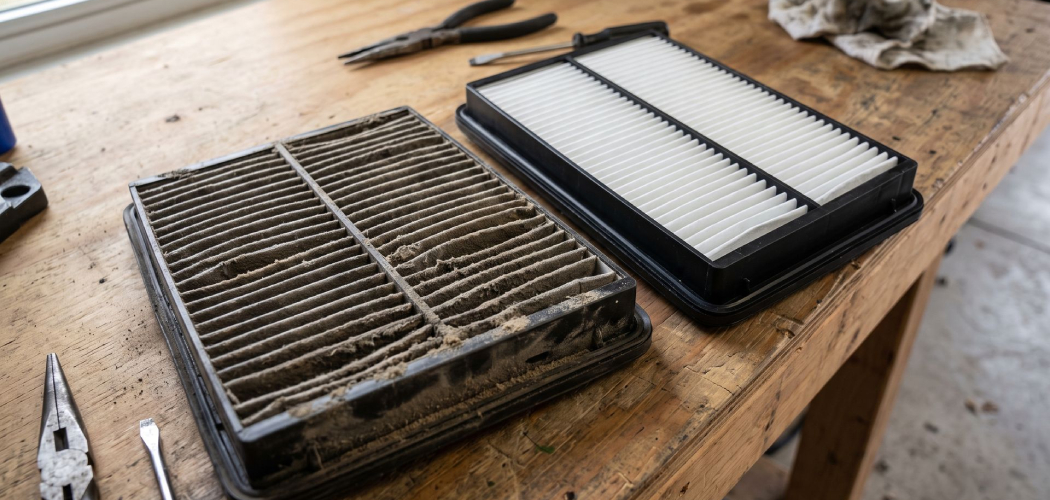
You notice it before you can name it. The kitchen smells a little stale even after you cook. The air purifier hums, but the room doesn’t feel fresh. Your water tastes faintly of the tap again.
That’s your charcoal filter telling you it’s tired.
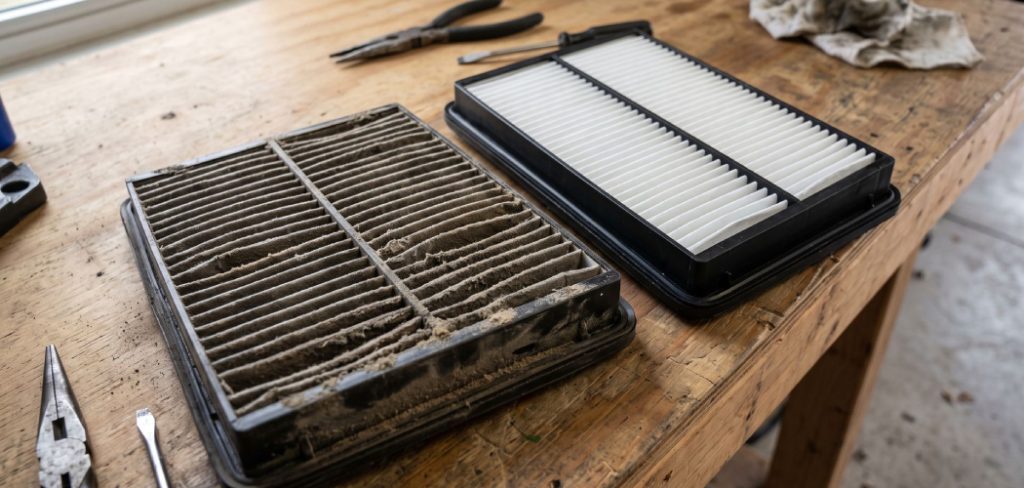
Here’s the thing most people miss. A dirty charcoal filter doesn’t just stop working — it starts working against you. It traps odors, then releases them back. It slows airflow. It makes your appliance strain and burn more energy.
The good news? You can fix this today, in about 20 minutes, with things you already own.
In this guide, you’ll learn exactly how to clean a charcoal filter — whether it’s in your range hood, air purifier, or water system. You’ll get step-by-step methods, a comparison table, and the common mistakes that quietly ruin filters. Let’s get your air and water clean again.
What a Charcoal Filter Actually Does (and Why It Gets Dirty)
Before you clean anything, it helps to know what you’re working with.
A charcoal filter uses activated carbon — charcoal that’s been treated to create millions of tiny pores. Those pores grab odors, gases, grease, and chemicals as air or water passes through.
Think of it like a sponge for smells.
But a sponge fills up. Over time, those pores clog with grease, dust, and trapped particles. Once they’re full, the filter can’t absorb anything new.
That’s the real cost of a neglected filter: not just weak performance, but bad air and water flowing right back to you.
Now, here’s the honest part most guides skip.
Not every charcoal filter can be cleaned. Some are made to be rinsed and reused. Others — especially pure activated carbon filters in air purifiers and water systems — are designed to be replaced, not washed. Cleaning those does almost nothing.
So your first job is knowing which type you have:
- Reusable (washable) charcoal filters — often found in range hoods and some air purifiers. Usually metal-framed or plastic-framed with a carbon layer.
- Disposable activated carbon filters — loose carbon pellets or thin carbon sheets. These lose their power once saturated.
In short: cleaning restores a washable filter, but a truly saturated carbon filter needs replacing — no amount of rinsing brings it back.
What You’ll Need Before You Start
You don’t need special tools. Most of this is already under your sink.
Gather these first:
- Warm water (not boiling)
- Mild dish soap or a gentle degreaser
- A soft brush or old toothbrush
- A vacuum with a brush attachment
- White vinegar (for tougher grime)
- Baking soda (for odor removal)
- A clean towel and a safe drying spot
One safety reminder before you touch anything.
Always unplug the appliance or turn off the power first. For range hoods, switch off the breaker if you’re removing wired parts. For water filters, shut off the water supply.
Then check your manual. If the manufacturer says “do not wash,” believe them. Rinsing a disposable filter can break down the carbon and clog your system.
How to Clean a Charcoal Filter Step by Step
The core process is the same across most washable filters: remove, loosen the gunk, wash, deodorize, and dry fully.
Let’s walk through each method by appliance, since the details change.
Cleaning a Range Hood Charcoal Filter
Range hood filters catch grease and cooking smells, so they get dirty fast.
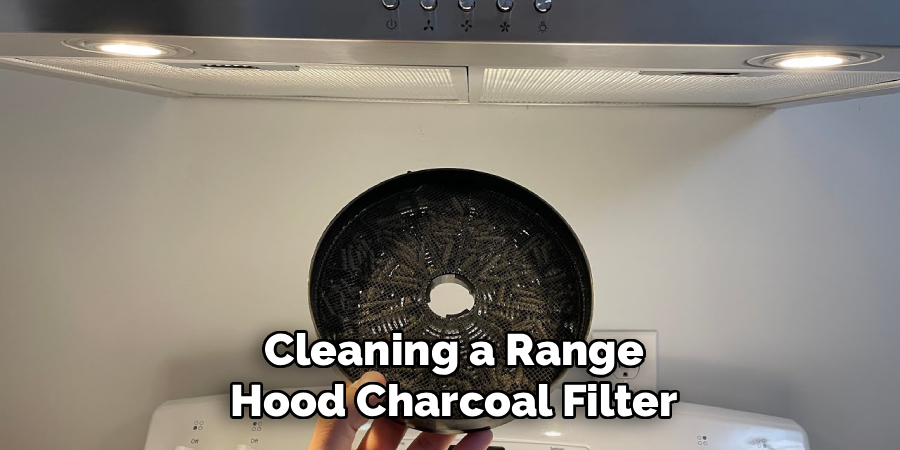
- Turn off the range hood and unplug it if possible.
- Remove the filter. Most pop out or slide from a metal grille — no tools needed.
- Vacuum loose debris using the brush attachment. This clears dust before water turns it to paste.
- Fill a sink with hot water and add a few drops of dish soap or degreaser.
- Soak the filter for 10 minutes to break down grease.
- Scrub gently with your soft brush, following the grain of the carbon layer.
- Rinse thoroughly until the water runs clear.
- Air-dry completely — at least a few hours — before putting it back.
Warning: Never reinstall a damp charcoal filter. Trapped moisture grows mold and kills the carbon’s absorbing power.
Cleaning an Air Purifier Charcoal Filter
Air purifier carbon filters mostly collect dust and odors, not grease.
- Unplug the purifier and open the filter compartment.
- Slide out the carbon filter. It often sits behind a HEPA layer.
- Vacuum both sides gently to lift trapped dust. For many purifiers, this is the only cleaning the carbon filter needs.
- If your model says it’s washable, rinse it under cool running water — no soap.
- Tap off excess water and let it air-dry fully.
Here’s the honest truth for air purifiers.
Most activated charcoal filter cleaning for purifiers means vacuuming and light rinsing only. If the odor won’t go away after cleaning, the carbon is saturated. It’s time to replace it.
Cleaning a Water Charcoal Filter
Water filters use carbon to remove chlorine taste and odor.
- Shut off the water supply and release any pressure.
- Remove the filter cartridge from its housing.
- Rinse it under cold running water, turning it to clear sediment from the outside.
- Soak in white vinegar for 15 minutes if you have mineral buildup.
- Rinse again thoroughly to remove all vinegar.
- Reinstall and run water for a minute before drinking.
Be realistic here. Rinsing a water carbon filter clears surface sediment, but it can’t recharge the carbon inside. Once it stops improving your water’s taste, replace it on schedule.
The Baking Soda Refresh (For Odor Only)
Sometimes your filter isn’t dirty — it just smells stuffed.
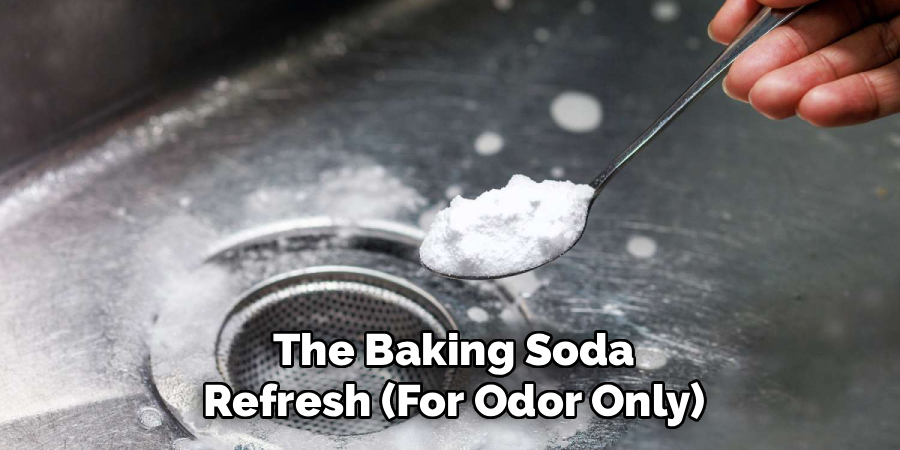
- Vacuum the filter first.
- Sprinkle baking soda lightly over the carbon surface.
- Let it sit for 15 minutes.
- Vacuum the baking soda back off.
This won’t restore a dead filter. But it does lift lingering odors from a filter that still has life left.
Comparing Cleaning Methods by Filter Type
Not sure which method fits your filter? This table lays it out.
| Cleaning Method | Best Filter Type | Difficulty | Restores Function? | Best For |
| Vacuuming | Air purifier carbon | Easy | Partially | Dust removal on delicate filters |
| Soap + water soak | Range hood metal-frame | Moderate | Yes | Grease-heavy kitchen filters |
| Cold water rinse | Washable water/air filters | Easy | Partially | Loose sediment and surface dust |
| Vinegar soak | Water carbon cartridge | Moderate | Partially | Mineral and hard-water buildup |
| Baking soda refresh | Any washable carbon | Easy | Odor only | Smelly but still-working filters |
Notice the pattern.
No single method fully “recharges” saturated activated carbon. Cleaning removes surface grime and buildup — it buys you time. But a filter that’s absorbed all it can hold needs replacing, not scrubbing.
How Often Should You Clean or Replace It?
Timing matters as much as technique.
Here’s a realistic schedule for carbon filter maintenance:
- Range hood filters: Clean every 1–2 months with regular cooking.
- Air purifier carbon filters: Vacuum monthly, replace every 3–6 months.
- Water carbon filters: Rinse as needed, replace every 2–6 months depending on usage.
Cooking a lot? Living with pets or smokers? Move those dates up.
In short: clean on a schedule, but watch for the signs — weak airflow, lingering smells, or off-tasting water mean it’s replacement time.
Common Mistakes & Troubleshooting
Even a simple job goes wrong when you skip a detail. Here are the mistakes people make most — and exactly how to fix each one.
1. Washing a Disposable Carbon Filter
Why it happens: All charcoal filters look similar, so people assume they’re all washable. But loose-carbon and sheet-carbon filters are made to be thrown out.
How to fix it: Check your manual before washing. If it says “replace, do not clean,” follow it. Rinsing a disposable filter breaks the carbon into dust that clogs your appliance and ruins airflow.
2. Putting a Wet Filter Back In
Why it happens: You’re in a hurry and the filter feels “dry enough.”
How to fix it: Let it air-dry fully — several hours, sometimes overnight. A damp charcoal filter grows mold, blocks airflow, and pushes musty air right back into your room. Patience here protects your health.
3. Using Hot Water or Harsh Chemicals
Why it happens: Hotter water and stronger cleaners feel like they’ll clean deeper.
How to fix it: Use warm water and mild soap only. Boiling water and bleach can warp the frame and strip the carbon coating. Once that coating is gone, the filter can’t absorb anything — you’ve cleaned it to death.
4. Scrubbing Too Hard
Why it happens: Stubborn grease makes you press harder with the brush.
How to fix it: Soak first, then scrub gently. The carbon layer is fragile. Aggressive scrubbing tears it off, leaving bare frame and no filtering power. Let the soak do the heavy lifting.
5. Cleaning Instead of Replacing
Why it happens: Cleaning feels cheaper and greener than buying new.
How to fix it: Know the limit. Cleaning removes surface buildup, but it can’t refill saturated carbon pores. If odors or bad taste return within days of cleaning, the filter is spent. Replace it.
6. Skipping the Vacuum Step
Why it happens: It seems easier to jump straight to washing.
How to fix it: Always vacuum loose dust first. Wetting a dusty filter turns that dust into paste that sinks deeper into the pores. A quick vacuum makes the wash far more effective.
One reminder: if your filter is torn, crushed, or the carbon crumbles when you touch it, stop cleaning. Replace it. A damaged filter can’t protect your air or water no matter how you treat it.
Frequently Asked Questions
Can you wash and reuse a charcoal filter?
Sometimes. Metal-framed range hood filters and some air purifier carbon filters are washable and reusable. But pure activated carbon filters — the loose or sheet kind — are meant to be replaced, not washed. Always check your manual first.
How do I know when my charcoal filter needs replacing?
Watch for three signs: lingering odors after cleaning, weaker airflow, or off-tasting water. If a fresh cleaning doesn’t fix these within a day or two, the carbon is saturated and cleaning won’t help. Replace it.
Does cleaning a charcoal filter restore it fully?
Not completely. Cleaning removes surface grease, dust, and buildup, which improves airflow and cuts odors. But it can’t recharge the carbon pores once they’re full. Think of cleaning as extending the filter’s life, not resetting it.
Can I use vinegar to clean a charcoal filter?
Yes, for washable filters with mineral buildup — especially water cartridges. Soak the filter in white vinegar for about 15 minutes, then rinse thoroughly. Skip vinegar on delicate air purifier carbon layers, since it can be too harsh.
How long does a charcoal filter last?
It depends on use. Range hood filters last 1–2 months between cleanings. Air purifier and water carbon filters usually need replacing every 3–6 months. Heavy cooking, pets, or smokers shorten that timeline.
Wrapping Up
A tired charcoal filter quietly ruins the air you breathe and the water you drink. Now you know how to bring it back to life.
You’ve learned how to clean a charcoal filter in your range hood, air purifier, and water system — plus the vacuum, soap, vinegar, and baking soda methods that fit each type. The pattern is simple: remove, clean gently, dry fully, and replace when cleaning stops working.
Do it this weekend, and you’ll notice the difference in your very next breath.
Want to keep every part of your home running clean? Check out our guide on [maintaining your home’s air and water systems] for a complete freshness plan.

About
Robert D is a distinguished figure in the world of Safety Systems and Risk Management, with a decade of expertise creating innovative and sustainable workplace solutions. His professional focus lies in merging traditional safety protocols with modern digital monitoring techniques, fostering environments that are both practical and hazard-conscious. As the lead author of SafetyRift, Robert delves into the art and science of risk mitigation, inspiring safety officers and industry professionals alike to bridge the gap between compliance and culture.
Education
RMIT University (Melbourne, Australia)
Associate Degree in Design (Industrial Safety)
-
Focus on sustainable safety infrastructure, industry-driven risk assessments, and practical implementation.
-
Gained hands-on experience with traditional hazard identification and digital monitoring tools, such as IoT safety sensors and predictive analytics software.
Nottingham Trent University (United Kingdom)
Bachelor’s in Occupational Health and Safety (Honors)
-
Specialized in systemic design with a focus on blending human behavior psychology with modern safety production techniques.
-
Participated in industry-wide projects, working with global logistics and manufacturing firms to gain real-world insights into large-scale safety deployments.
Publications and Impact
In SafetyRift, Robert shares his insights on safety design processes, protective materials, and strategies for efficient, accident-free production. His writing bridges the gap between foundational safety knowledge and modern industrial needs, making it a must-read for both budding safety coordinators and seasoned risk management professionals.
