If you are wondering how to dispose of fire alarms safely, the process depends entirely on what type of alarm you have in your home. Ionization smoke detectors contain a tiny amount of radioactive material and must be processed by specific recycling facilities, while photoelectric alarms can often be recycled with general electronics. Figuring out which device you have is the crucial first step.
As smoke and fire alarms reach the end of their ten-year lifespan, they lose effectiveness and need immediate replacement to keep your household safe. Simply tossing them into the regular trash bin is not an option in many areas due to local environmental laws and safety regulations. This guide will help you identify your device type, safely prepare it for disposal, and find the right local drop-off location.
Why This Task Matters
The most common reason you need to discard an old fire alarm is that it has passed its ten-year expiration date. Once a detector ages beyond this point, its internal sensors become less reliable, putting your home at risk during a real emergency. Proper disposal is equally important for environmental and community safety. Ionization alarms contain Americium-241, a low-level radioactive isotope.
While safe when hanging on your wall, this material can cause environmental harm if it ends up crushed in a municipal landfill. Electronic components, batteries, and circuit boards inside photoelectric alarms also contain heavy metals that should not seep into the soil. Taking a few extra minutes to handle this task responsibly ensures you stay compliant with local waste laws while protecting your local environment from unnecessary contamination.
Tools or Materials You May Need
You do not need a lot of specialized equipment to safely handle this task. Gathering a few simple household items beforehand will make the process smooth and straightforward.
- A sturdy step stool or ladder to reach the mounted device safely.
- A standard flathead or Phillips-head screwdriver to open the battery compartment or detach the mounting bracket.
- A pair of protective work gloves to protect your hands from dust, debris, or sharp plastic edges.
- A small plastic sandwich bag or sealable storage bag to hold the old unit.
- A permanent marker to write the disposal date on the bag.
- Optional: A small handheld vacuum to clean any dust or cobwebs from the ceiling around the mounting plate before installing your new detector.
Before You Begin
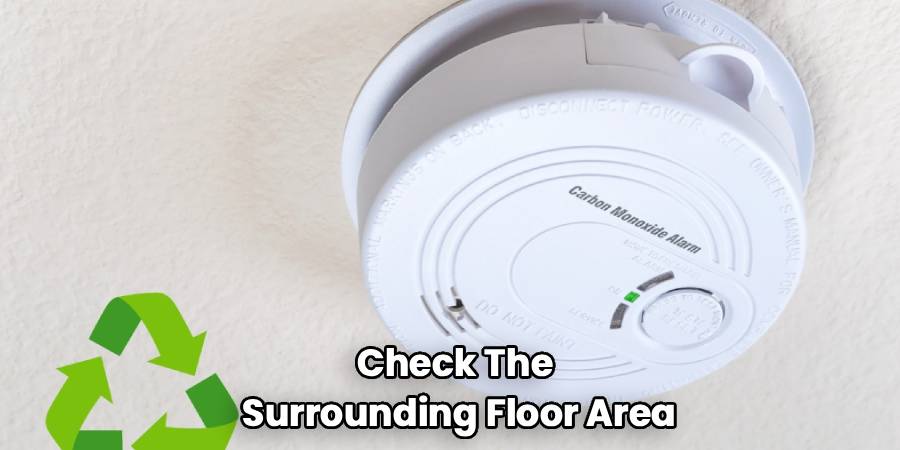
Before you begin, make sure you have a clear, well-lit workspace and solid footing on your ladder or step stool. Start with the safest and simplest check by looking at the device on your ceiling to see if it is hardwired or battery-operated. For safety, turn off power at your main circuit breaker before touching a hardwired fire alarm. Even low-voltage wiring can present a mild shock risk if handled incorrectly. Check the surrounding floor area and remove any tripping hazards so you can work comfortably. Finally, verify that you have your replacement alarm ready to go so your home is never left without active fire detection.
Step-by-Step Guide to How to Dispose of Fire Alarms
Step 1 – Remove the Old Alarm Safely
Start with the safest and simplest action by removing the old device from its mounting bracket. Most modern alarms attach with a simple twist-and-pull mechanism. Gently grasp the outer plastic ring of the detector and twist it counterclockwise. If it is purely battery-operated, it will easily come off in your hands.
If the device is hardwired into your home’s electrical system, you will notice a wire harness connecting the back of the alarm to the ceiling. Carefully pinch the sides of the plastic wire connector and pull it straight out of the back of the detector. Never yank the wires directly from the ceiling. Once detached, safely climb down your ladder and place the old unit on a stable surface like a kitchen counter or work table.
Step 2 – Identify the Type of Sensor
The next crucial phase in learning how to dispose of fire alarms is determining exactly what kind of technology your device uses. Look at the back of the removed unit for a manufacturer label or printed text. You are looking for specific letters or warning symbols.
If you see a capital “I” or the word “Ionization,” the unit contains a tiny amount of radioactive material. You may also spot a standard radiation warning symbol. If you see a capital “P” or the word “Photoelectric,” the device uses an optical light beam to detect smoke and does not contain any radioactive elements. Knowing this distinction dictates exactly where you can legally take the device for disposal, as facilities treat them differently.
Step 3 – Remove and Recycle the Batteries
Before discarding the main unit, you must remove the power source. Open the battery compartment on the back or side of the detector. If the unit uses standard removable batteries, such as 9-volt or AA batteries, take them out immediately. These cannot be thrown away with the main detector housing.
Alkaline and lithium batteries have their own specific recycling streams. Place these old batteries in a small plastic bag or tape the connection terminals with electrical tape to prevent them from sparking. Set them aside to drop off at a local battery recycling center or hardware store. If your alarm features a sealed, non-removable ten-year lithium battery, do not attempt to pry it open. Leave the sealed battery exactly where it is.
Step 4 – Package the Device Securely
Once the removable batteries are out, you need to package the empty detector housing to keep it safe during transport. Do not attempt to dismantle the plastic casing, unscrew the internal circuit boards, or take apart the metal sensing chamber inside the device.
Place the entire intact fire alarm into a clean, sealable plastic bag. If you have an ionization alarm, keeping it sealed ensures that the internal components remain completely undisturbed. Zip the bag shut tightly. Using a permanent marker, write the current date and the type of alarm on the outside of the bag. This simple courtesy helps sanitation workers and recycling center staff quickly identify what they are handling when you drop it off.
Step 5 – Check Your Local Waste Regulations
Waste disposal laws vary greatly depending on your city, county, or state. You should never assume you can throw electronics directly into your curbside recycling bin. Go to your local municipal government website or municipal waste management portal to read their specific guidelines on electronic waste.
Search for their rules regarding household hazardous waste and smoke detectors. Many towns hold special electronic recycling events a few times a year where you can drop off both photoelectric and ionization alarms safely. If your town does not accept ionization detectors at the local dump, you may need to look up a specialized mail-in program offered by the original manufacturer of your specific device.
Step 6 – Ship or Drop Off the Unit
If your local recycling center accepts fire and smoke alarms, simply drive to the facility during their regular operating hours and hand the bagged unit to the attendant. They will sort it into the appropriate electronic or hazardous waste stream.
If your local facility cannot take ionization alarms, check the brand name on the back of your device. Many major safety manufacturers offer dedicated mail-back programs for proper disposal of their older units. Visit the brand’s official website, locate their recycling page, and follow the instructions to box up the alarm. Usually, you will need to pay for ground shipping, but the manufacturer will handle the actual dismantling and safe disposal of the radioactive components for you.
Common Mistakes to Avoid
One of the biggest mistakes beginners make is tossing their old devices straight into the regular kitchen trash or municipal recycling bin. Standard recycling facilities are not equipped to sort or dismantle circuit boards and specialized sensors, meaning the unit will likely end up contaminating a landfill.
Another frequent error is trying to dismantle the alarm to separate the plastic casing from the internal metal parts. Taking an ionization detector apart is extremely dangerous because it exposes the inner chamber where the radioactive isotope is housed. Always keep the outer shell completely intact.
Finally, people often forget to remove the standard backup batteries before getting rid of the unit. Leaving a 9-volt battery inside a discarded device creates a genuine fire hazard if the battery terminals brush against other metal debris in a waste bin. Always separate standard removable batteries and process them through proper battery recycling channels. Avoiding these simple errors ensures you manage your household waste responsibly while keeping sanitation workers completely safe.
Safety Warnings
Handling home electronics and climbing ladders requires your full attention. Never stand on the top rung of a step stool or ladder, and ensure the legs are resting on a flat, even surface before reaching for the ceiling. If your alarm is hardwired and you feel uncomfortable working around electricity, stop immediately.
Always verify that the correct circuit breaker is switched off by using a non-contact voltage tester on the wiring before touching any exposed connections. When handling ionization models, remember that the internal components contain low-level radioactive material. While the device is perfectly safe to touch and handle when fully assembled, you must never crush, drill into, or burn the casing. If a unit looks heavily damaged, cracked, or burned, seal it in a plastic bag immediately using protective gloves.
When to Call a Professional
You should consider calling a professional if you encounter unexpected electrical problems during the removal process. If you take down a hardwired unit and notice the wires are frayed, scorched, or lacking standard wire nuts, do not try to repair the electrical connections yourself.
Call a licensed electrician to inspect the home’s wiring and safely install the replacement unit. Additionally, if your ceiling is exceptionally high or located in a vaulted stairwell where a standard ladder cannot reach safely, hiring a handyman or technician is the smartest choice. It is never worth risking a serious fall simply to swap out an old device.
Expert Tips
To make future replacements significantly easier, write the current date on the back of your brand-new fire alarm using a permanent marker before you install it on the ceiling. This simple trick eliminates any guesswork about when the unit will expire ten years down the road.
When you remove the old device, take a moment to gently wipe down the plastic mounting bracket on the ceiling with a dry microfiber cloth. Dust and spiderwebs tend to accumulate in these high places and can occasionally interfere with the sensors of your newly installed detector. If you are replacing multiple alarms throughout your house, wait until you have gathered all the old units together so you only have to make one trip to the recycling center.
Frequently Asked Questions
Can I throw a fire alarm in the regular trash?
You should never throw these devices into your household garbage. Because they contain electronic circuit boards, heavy metals, and sometimes low-level radioactive materials, they require special handling. Putting them in the normal trash can violate local waste regulations and harm the environment. Always use a designated electronic waste facility.
Do all smoke detectors contain radioactive material?
No, only ionization models contain radioactive material. These units use a tiny amount of Americium-241 to detect fast-flaming fires. Photoelectric models, on the other hand, use a beam of light to sense smoldering fires and do not contain any radioactive components at all. You can check the back label to see which type you own.
How long do fire alarms normally last?
The vast majority of standard home smoke and fire sensors have a maximum lifespan of ten years from their date of manufacture. After a decade, the internal sensing elements degrade and become highly unreliable. You should check the manufacturing date printed on the back and replace the entire unit once it reaches ten years old.
Will removing a hardwired alarm trigger the others?
In most modern interconnected home systems, simply disconnecting one detector from its wiring harness will not trigger the other units to sound a full alarm. However, the remaining interconnected devices may beep or chirp to indicate a temporary break in their communication circuit. Once the new unit is plugged in, the chirping will stop.
Does it cost money to recycle an old alarm?
Local municipal drop-off centers and household hazardous waste events usually accept these units from residents completely free of charge. However, if your town does not accept them and you have to use a manufacturer mail-back program, you will typically need to cover the cost of the ground shipping yourself.
Conclusion
Replacing aging home safety devices is a vital responsibility that protects your family and property. By understanding the type of sensor you have and following local waste guidelines, you can ensure the disposal process is both legal and environmentally friendly. Figuring out how to dispose of fire alarms properly simply takes a few moments of preparation and a quick trip to a local drop-off center.
Start by removing your expired unit carefully, checking the manufacturer label, and isolating any removable batteries for separate recycling. Your safest next step is to immediately install your brand-new replacement detector before you even leave the house to drop off the old one. Keep your home continuously protected, stay mindful of safety warnings, and take pride in managing your household maintenance responsibly. If you ever feel unsure about hardwired electrical connections, remember that calling a local professional is always a smart and safe choice.