Your home is your sanctuary, a place where you and your loved ones should feel completely safe. Taking proactive steps to enhance its security doesn’t have to be complicated or overwhelming. This guide is designed for beginners who want to learn how to fortify your home against potential threats.
We will walk you through practical, effective strategies that range from simple upgrades to more involved security measures. By the end, you’ll have a clear roadmap to create a safer, more secure living environment for your family.
Why Fortifying Your Home is Essential
Ensuring your home is secure is one of the most important responsibilities of a homeowner. It’s not about living in fear; it’s about taking practical steps to create a resilient and protected space. A fortified home acts as a powerful deterrent to intruders, who often look for easy targets. Simple weaknesses like an unlocked window or a flimsy door can make your property vulnerable. By reinforcing these areas, you significantly reduce the risk of break-ins.
Beyond protecting your property and valuables, fortifying your home provides invaluable peace of mind. Knowing you have taken concrete measures to secure your environment allows you to relax and feel truly comfortable. It ensures that your family has a safe haven, protected from external threats. This process empowers you to take control of your personal security, creating a stronger and more resilient household.
8 Step-by-Step Guide on How to Fortify Your Home
Step 1: Conduct a Security Audit
Before making any changes, it’s crucial to understand your home’s current security landscape. Walk around the entire perimeter of your property, both inside and out. Look at your home from the perspective of a potential intruder.
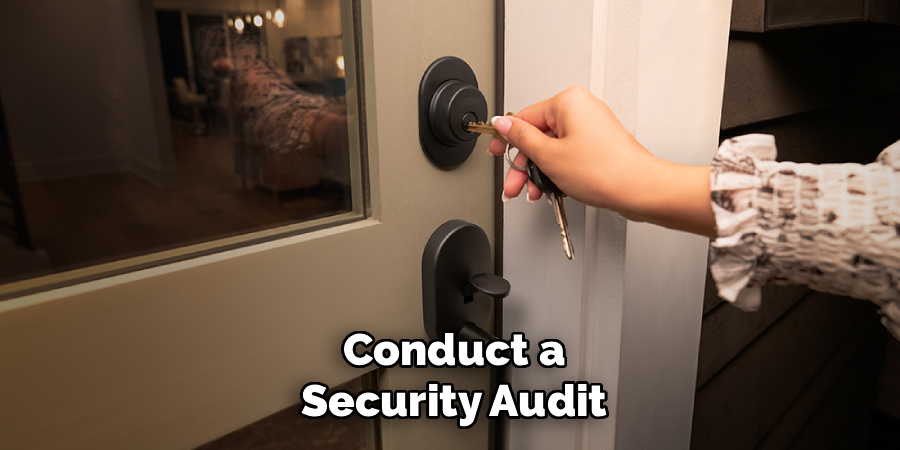
Are there any overgrown bushes or trees that could provide cover? Are any windows obscured from view? Check all doors and windows to ensure they lock properly. Take note of any potential weak points, such as a poorly lit entryway or a gate that doesn’t latch securely. This initial assessment will create a prioritized to-do list for your home fortification project.
Step 2: Reinforce Your Doors
Your main entry points are the first line of defense. Most standard doors can be easily kicked in. Start by upgrading to a solid-core or metal door if you currently have a hollow one. Next, replace the standard, short screws in your strike plate with 3-inch screws that anchor it firmly to the wall stud. This simple change dramatically increases the door’s resistance to forced entry. For even greater security, install a heavy-duty deadbolt with at least a one-inch throw. These enhancements make your doors significantly harder to breach, deterring opportunistic criminals.
Step 3: Secure All Windows
Windows are another common entry point for burglars. Begin by ensuring all window locks are functional and used consistently. For ground-floor windows or those in less visible areas, consider adding secondary locking devices, such as pin locks or hinged wedge locks. You can also apply a security film to the glass. This transparent film holds shattered glass together, making it much more difficult for an intruder to break through, even after the window is broken. This measure adds a crucial layer of delay and can often thwart an attempted entry altogether.
Step 4: Upgrade Your Landscape for Security
Your yard can either help or hinder your security efforts. Overgrown shrubs and large trees near your home can provide excellent hiding spots for intruders. Trim back any foliage that obstructs the view of your doors and windows from the street. Consider planting thorny bushes, like roses or holly, beneath ground-floor windows to create a natural and painful deterrent. A well-maintained yard not only improves your home’s curb appeal but also eliminates potential cover for anyone trying to approach your home undetected, making it an essential part of your security plan.
Step 5: Install Motion-Activated Lighting
A well-lit property is a major deterrent. Criminals prefer to operate in darkness where they can remain unseen. Install motion-activated floodlights around the perimeter of your home, focusing on entry points, walkways, and dark corners. When someone approaches, the sudden bright light can startle them and expose their presence, often causing them to flee immediately. For added security and convenience, use solar-powered lights to ensure they work even during a power outage and to keep energy costs down. Proper lighting is one of the most cost-effective security investments you can make.
Step 6: A Guide on How to Fortify Your Home with an Alarm System
A modern home security system is a powerful tool. Today’s systems are more affordable and user-friendly than ever before. You can choose between professionally monitored systems, which alert a security company during a breach, or self-monitored systems that send alerts directly to your smartphone. Many systems include door and window sensors, motion detectors, and glass-break sensors. The presence of an alarm company’s sign or sticker in your yard can be enough to convince a burglar to move on to an easier target, making this a key step in fortifying your home.
Step 7: Utilize Security Cameras
Visible security cameras are another excellent deterrent. They not only record evidence in case of an incident but also make potential intruders feel watched, increasing the likelihood they will avoid your property.
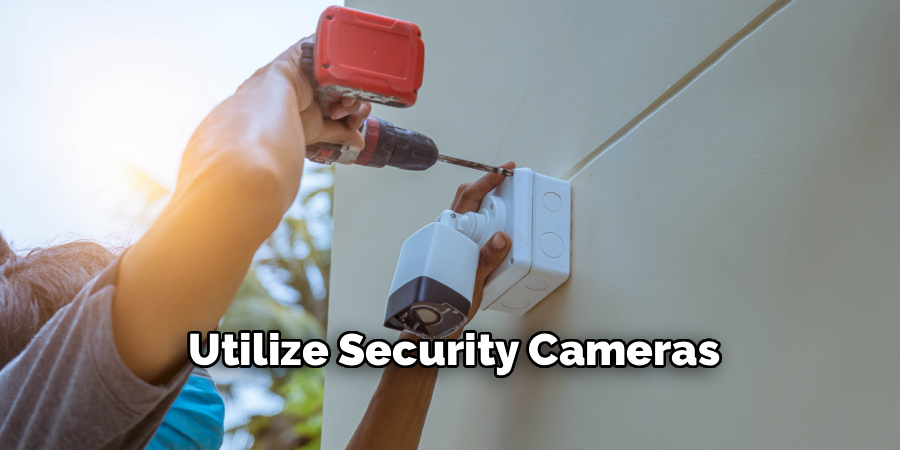
Install cameras to cover all primary entry points, including the front and back doors, as well as any ground-floor windows. Many modern camera systems offer live streaming to your phone, motion alerts, and two-way audio. This allows you to monitor your home from anywhere and even speak to visitors (or intruders) remotely, adding another interactive layer of security.
Step 8: Reinforce Your Garage
The garage is often overlooked but is a frequent target for break-ins. The garage door itself can be a weak point, and the door leading from the garage into your home needs to be as secure as your front door. Reinforce the garage door by installing a garage door shield or brace. Always keep the door from the garage to your house locked with a deadbolt. To prevent thieves from using a coat hanger to trip the emergency release, use a zip tie on the release latch, ensuring it can still be broken in a real emergency.
Plan for an Emergency
Physical barriers are crucial, but having a plan is just as important. Discuss with your family what to do in case of a break-in. Designate a safe room in your home—a room with a solid-core door, a deadbolt, and minimal windows, where you can safely call for help. Ensure everyone knows the emergency contact numbers and the escape routes. Practicing this plan can help reduce panic and ensure everyone acts quickly and safely during a high-stress situation. This preparation completes your defense strategy, combining physical security with personal readiness.
Frequently Asked Questions
What Is the Most Cost-Effective Way to Improve Home Security?
The most cost-effective security improvements focus on reinforcing existing structures. Start by upgrading the screws in your door’s strike plate to 3-inch screws to better anchor the door frame. Installing motion-activated outdoor lighting is another inexpensive yet highly effective deterrent. Finally, trimming overgrown bushes and trees that could provide cover for intruders costs nothing but your time. These simple, low-cost actions significantly boost your home’s security without a major financial investment.
Are Home Security Systems Worth the Cost?
For many homeowners, a security system is a worthwhile investment that provides both protection and peace of mind. A monitored system offers 24/7 protection by alerting authorities during a break-in, which is especially valuable when you’re away. The presence of yard signs and window stickers alone can deter burglars. While there is a monthly fee for monitored services, many find the cost is a small price to pay for the assurance that their home and family are protected around the clock.
How Can I Secure Sliding Glass Doors?
Sliding glass doors are often a weak point. You can secure them by placing a strong dowel or security bar in the track to prevent the door from being forced open. For added security, install a secondary lock, such as a foot-operated bolt at the bottom or a keyed lock. Applying a security film to the glass will also make it much harder to break. These layers of protection work together to turn a vulnerable entry point into a well-defended barrier.
Do Fake Security Cameras Actually Work?
Fake security cameras can be a minor deterrent, but they are not a reliable security solution. While a casual opportunist might be fooled and move on, experienced burglars can often spot a fake by looking for tell-tale signs like a lack of wiring or a blinking light. It is far more effective to invest in at least one or two real, functioning cameras pointed at your primary entry points. The cost of entry-level security cameras has become very affordable, making them a much better investment for genuine protection.
Should I Reinforce Upstairs Windows?
While ground-floor windows are the highest priority, upstairs windows should not be completely ignored. If an upstairs window is easily accessible from a tree, a flat roof, or a balcony, it should be secured just like a ground-floor window. Ensure the locks are functional and consider adding secondary locks or security film. For less accessible windows, ensuring they are always closed and locked is often sufficient. Assess each window’s accessibility to determine the appropriate level of security needed.
Conclusion
Creating a safe and secure home is an achievable goal for anyone. By systematically evaluating your property and implementing targeted improvements, you can build multiple layers of defense. From reinforcing your doors and windows to installing smart lighting and security systems, each step contributes to a stronger, more resilient home. The journey of how to fortify your home is an ongoing process, but starting with these fundamental steps will provide a solid foundation for your family’s safety and give you lasting peace of mind.

About
Robert D is a distinguished figure in the world of Safety Systems and Risk Management, with a decade of expertise creating innovative and sustainable workplace solutions. His professional focus lies in merging traditional safety protocols with modern digital monitoring techniques, fostering environments that are both practical and hazard-conscious. As the lead author of SafetyRift, Robert delves into the art and science of risk mitigation, inspiring safety officers and industry professionals alike to bridge the gap between compliance and culture.
Education
RMIT University (Melbourne, Australia)
Associate Degree in Design (Industrial Safety)
-
Focus on sustainable safety infrastructure, industry-driven risk assessments, and practical implementation.
-
Gained hands-on experience with traditional hazard identification and digital monitoring tools, such as IoT safety sensors and predictive analytics software.
Nottingham Trent University (United Kingdom)
Bachelor’s in Occupational Health and Safety (Honors)
-
Specialized in systemic design with a focus on blending human behavior psychology with modern safety production techniques.
-
Participated in industry-wide projects, working with global logistics and manufacturing firms to gain real-world insights into large-scale safety deployments.
Publications and Impact
In SafetyRift, Robert shares his insights on safety design processes, protective materials, and strategies for efficient, accident-free production. His writing bridges the gap between foundational safety knowledge and modern industrial needs, making it a must-read for both budding safety coordinators and seasoned risk management professionals.